Industrial wastewater treatment in Shiraz requires compliance with Iran’s stringent effluent standards (COD < 100 mg/L, BOD < 30 mg/L, TSS < 50 mg/L) and Shiraz Water and Wastewater Company’s local discharge limits. Factories in food processing, textiles, and pharmaceuticals face unique challenges: FOG loads up to 1,200 mg/L (food), chromium VI (textiles), and high COD (pharma). Dissolved Air Flotation (DAF) systems remove 92–97% of FOG and TSS, while MBR systems achieve near-reuse quality (<10 mg/L BOD) for water recycling. Costs range from $50K for small DAF units to $5M+ for full MBR plants, with payback periods of 3–7 years via reduced fines and water reuse savings.
Why Shiraz Factories Are Failing Wastewater Compliance in 2025
Food processing, textile, and pharmaceutical facilities in Shiraz generate complex effluents that often exceed municipal treatment capacities.
Shiraz’s industrial base includes high-impact sectors such as food processing, textiles, and pharmaceuticals, which produce effluents with pollutant levels beyond the handling capability of standard municipal systems. Data from the Iranian Ministry of Industry shows that food processing facilities in Fars province regularly discharge wastewater containing Fats, Oils, and Grease (FOG) between 1,000 and 1,500 mg/L. Textile operations in the Shiraz Special Economic Zone frequently release effluent with chromium VI at 5–20 mg/L, while pharmaceutical plants report Chemical Oxygen Demand (COD) spikes of 800 to 3,000 mg/L—levels that disrupt biological treatment processes.
The financial consequences of non-compliance intensified in 2024 when a major Shiraz textile plant was fined $120,000 for chromium VI levels six times the legal 0.1 mg/L limit. The facility also faced a 14-day operational shutdown, signaling a shift by the Shiraz Environmental Protection Office toward a "zero-tolerance" enforcement policy. Repeat offenders now face penalty multipliers, especially if discharging into the Khoshk River or local groundwater basins.
Since 2023, the Shiraz Water and Wastewater Company (SWWTP) has required all industrial facilities to implement on-site pre-treatment, as municipal plants no longer accept untreated industrial effluent. This change supports the 2025 inspection focus on high-COD industries that impair aerobic digester performance. For factory managers, the decision is no longer about minor fees—it is whether to invest in engineered treatment systems or risk losing operating rights.
Shiraz Industrial Wastewater Standards: What Your Factory Must Achieve
Factories in Shiraz must meet both national ISIRI 1053:2020 standards and local pre-treatment requirements set by the Shiraz Water and Wastewater Company.
National standards regulate environmental discharge into surface water or wells, while municipal limits protect sewer infrastructure from corrosion and blockages. For facilities pursuing water reuse—increasingly essential in Shiraz’s semi-arid climate—effluent quality must meet even stricter benchmarks. To achieve a Canadian Water Quality Index (CWQI) score above 80 for agricultural irrigation or cooling, fecal coliform must be below 1,000 CFU/100 mL and total dissolved solids (TDS) kept within acceptable ranges. When evaluating how Ontario’s industrial wastewater standards compare to Shiraz’s, it is clear that Shiraz has adopted tighter controls on heavy metals due to reliance on local groundwater for farming.
| Parameter | National Limit (ISIRI 1053) | Shiraz Sewer Limit (Pre-treatment) | Agricultural Reuse Limit | Typical Industrial Influent (Shiraz) |
|---|---|---|---|---|
| COD (mg/L) | < 100 | < 250 | < 200 | 800 – 3,500 |
| BOD5 (mg/L) | < 30 | < 150 | < 100 | 400 – 1,200 |
| TSS (mg/L) | < 50 | < 200 | < 100 | 300 – 1,500 |
| Oil & Grease (mg/L) | < 10 | < 50 | < 10 | 100 – 1,200 |
| Chromium VI (mg/L) | < 0.1 | < 0.5 | < 0.1 | 5.0 – 20.0 |
| pH | 6.0 – 9.0 | 6.5 – 8.5 | 6.0 – 8.5 | 3.0 – 11.0 |
How to Treat Industrial Wastewater in Shiraz: Technology Comparison for Your Sector
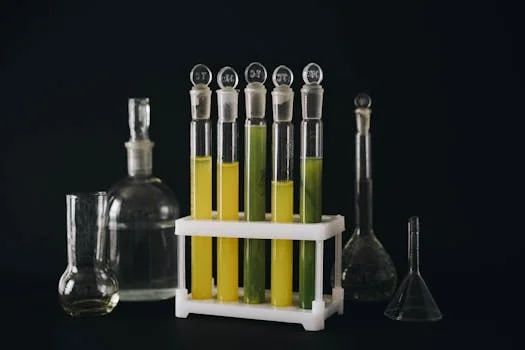
The optimal wastewater treatment technology for a facility in Shiraz depends on its dominant pollutants.
Effective treatment systems in Shiraz combine physical separation, biological degradation, and chemical precipitation tailored to specific industrial effluents.
Food Processing (High FOG and TSS): For dairy, meat processing, and edible oil factories, DAF systems for Shiraz food processing and metalworking plants are the engineering standard. These systems use micro-bubbles to float emulsified oils and suspended solids for mechanical removal. HydropureWater field data from 2024 shows a Shiraz dairy plant reduced FOG from 1,200 mg/L to under 10 mg/L using a DAF unit with $120,000 CAPEX, achieving compliance within 48 hours of operation.
Textiles and Pharmaceuticals (High COD and Complex Organics): Synthetic dyes and antibiotic residues require more than sedimentation. MBR systems for Shiraz textile and pharmaceutical wastewater integrate activated sludge with membrane filtration to remove COD and BOD effectively. According to MBR system case studies for high-COD wastewater, these plants maintain effluent BOD below 10 mg/L despite variable organic loads, making treated water suitable for reuse.
Metalworking (Heavy Metals and Synthetic Coolants): Nickel, chromium, and zinc are removed through pH adjustment and precipitation. PLC-controlled chemical dosing for Shiraz metalworking plants ensures accurate reagent delivery, reducing waste. A local auto parts manufacturer in Shiraz lowered nickel levels from 15 mg/L to <0.5 mg/L by integrating an automated dosing skid with a specialized sedimentation tank.
| Technology | Pollutant Removal % | CAPEX Range | OPEX ($/m³) | Shiraz Industry Fit | Maintenance |
|---|---|---|---|---|---|
| DAF | 92–97% FOG / 90% TSS | $50K – $200K | $0.15 – $0.35 | Food, Dairy, Poultry | Moderate |
| MBR (DF Series) | 99% BOD / 95% COD | $200K – $1M+ | $0.40 – $0.85 | Pharma, Textile | High (Membrane) |
| Chemical Dosing | 90%+ Heavy Metals | $30K – $150K | $0.20 – $0.60 | Metalworking, Electroplating | Low |
| Advanced Oxidation | 98% Refractory COD | $150K – $500K | $0.70 – $1.20 | Specialty Chemical | Moderate |
Shiraz Wastewater Treatment Costs: CAPEX, OPEX, and ROI Calculator
Planning a wastewater treatment upgrade in Shiraz requires evaluating initial investment against long-term operational savings.
CAPEX for a DAF system ranges from $50,000 for a 4 m³/h unit to $200,000 for high-capacity models. MBR plants, due to membrane and aeration complexity, cost $200,000 (50 m³/day) to over $1 million for large-scale installations. For procurement guidance, refer to DAF system cost benchmarks for industrial applications.
Operational costs (OPEX) in Shiraz are shaped by local energy and chemical pricing. Electricity is relatively low-cost (approx. IRR 15,000/kWh), but imported flocculants and specialty membranes increase chemical expenses. MBR systems consume 0.8–3 kWh/m³; DAF systems are more efficient at 0.5–2 kWh/m³.
The Return on Investment (ROI) is determined by three factors:
- Fine Avoidance: Eliminating annual penalties ranging from $10,000 to $500,000 for repeated violations.
- Water Reuse: At industrial rates of IRR 20,000–50,000/m³, recycling 70% of process water saves thousands of dollars monthly.
- Tax Credits: Iran’s 2025 Green Industry initiative provides tax incentives for certified zero-liquid discharge (ZLD) or high-efficiency systems.
Simplified ROI Formula:
Payback Period (Years) = Total CAPEX / (Annual Fines Saved + Annual Water Purchase Savings - Annual OPEX)
3-Step Compliance Checklist for Shiraz Factories
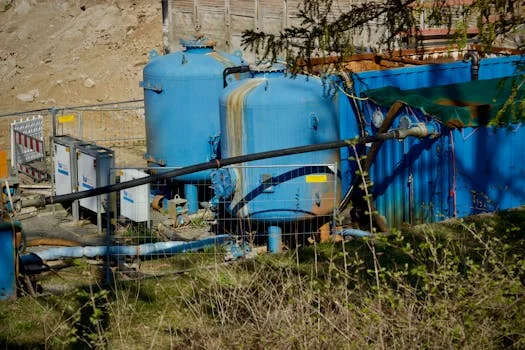
Meeting wastewater regulations in 2025 requires a structured process for engineering and regulatory approval.
Step 1: Effluent Characterization and Auditing
Do not rely on generic sector data. Conduct 24-hour composite sampling during peak production and test for COD, BOD, TSS, pH, and sector-specific contaminants like chromium VI or phenols. Use laboratories approved by the Shiraz Environmental Protection Office, such as the Fars Environmental Research Center or Shiraz University’s specialized labs.
Step 2: Technology