
Establish the Springville compliance basis
Mining and metals plants near Springville that discharge to the municipal sewer must establish their enforceable requirements before selecting treatment equipment. Springville’s general sewer-use provisions prohibit pass-through and interference, apply to users subject to categorical pretreatment standards, and prohibit discharge below pH 5.0 or above pH 12.0 unless the Water Reclamation Facility is specifically designed to accommodate a lower pH. The city incorporates the national categorical standards in 40 CFR Parts 405–471, requires compliance with Utah Administrative Code R317-8-8, and authorizes local limits, mass limitations, BMPs and permit conditions. Equipment should therefore be designed around the strictest applicable requirement, not a generic treatment envelope or dilution.
First confirm that the facility discharges to the Springville POTW, identify the permitted discharge point, and determine whether the operation is a significant industrial user or categorical industrial user. Obtain the current industrial wastewater discharge permit, Springville’s general sewer requirements, the applicable categorical subcategory and subpart, Utah’s pretreatment standards, and the local-limit development document. Springville identifies the Water Reclamation Facility as the location where the documentation establishing local limits is available, so request that document directly rather than relying on a secondary summary (Springville, Article 3: General Sewer Use Requirements, amended 2025-08-05).
Use a source hierarchy: the permit and applicable local limit define the project target; the categorical standard and Utah rule establish the applicable regulatory floor; and the sewer-use ordinance supplies general prohibitions. Do not treat the pH prohibition as a complete plant design specification or treat a vendor’s treatment range as a confirmed discharge limit. Springville prohibits using dilution as a substitute for adequate treatment, and its permit may impose concentration limits, mass limits, BMPs or monitoring conditions that need to be evaluated together (Springville, Article 3, 2025-08-05).
| Compliance input | What the buyer must confirm | Effect on equipment selection |
|---|---|---|
| Receiving POTW and discharge point | Springville POTW authorization, permitted connection and applicable permit | Defines the sewer boundary, monitoring point and applicable local conditions |
| Categorical status | Industrial category, subcategory, production basis and applicable 40 CFR provisions | Determines which production-normalized limits and reporting duties apply |
| Utah and local requirements | R317-8-8, the current industrial wastewater discharge permit and local-limit development document | Sets concentration, mass, BMP and permit conditions |
| General prohibitions | Pass-through, interference, pH, heat, fats, oils and greases, hazardous materials and dilution provisions | Sets operating and emergency controls that equipment alone may not solve |
| Design basis | Strictest applicable concentration or mass requirement, without substituting dilution | Becomes the supplier’s performance guarantee and acceptance condition |
The mining pretreatment equipment selection checklist provides a useful procurement structure, but Springville’s current documents must control the final basis.
Characterize the wastewater before sizing equipment
Representative wastewater data must define the equipment basis because Springville requires at least one representative sample for baseline reporting and identifies sampling immediately downstream of pretreatment, or immediately downstream of the regulated process when pretreatment does not exist (Springville, Article 7: Reporting Requirements, 2014-03-19). Each regulated stream should be sampled separately, and any combined wastestream must be evaluated using measured flows and concentrations rather than an assumed mixture.
Build a sampling campaign around normal production cycles, dump-leach cycles, shift changes and mill clean-outs. Record average, maximum and batch flows, because these are the inputs that determine equalization, pumping, clarification and filter capacity. Analyze pH, suspended solids, total metals, and any BMP or pollution-prevention parameters required by the permit. Where mixed wastewater is involved, obtain the flow and concentration data needed to apply the combined-waste formula in 40 CFR Part 403 (Springville, Article 7, 2014-03-19).
Do not convert unsampled assumptions into permit values. A historical baseline may be accepted by the POTW Manager only when it contains sufficient information to determine the need for pretreatment, identifies when and where samples were taken and the analytical methods used, and is certified as representative of normal work cycles and expected discharges. Jar testing should then establish the precipitation pH and clarify the chemistry expected to define the final treatment train.
| Characterization input | Required coverage | Equipment question answered |
|---|---|---|
| Stream-by-stream samples | Each regulated process stream and combined discharge point | Can streams be segregated, or must the plant handle a mixed envelope? |
| pH and alkalinity | Normal range, batch extremes and reagent demand | What capacity and staging are needed for pH control and metal hydroxide precipitation? |
| Total metals and suspended solids | Concentrations tied to production and operating cycles | What precipitation, clarification and polishing performance must be guaranteed? |
| Hydraulic record | Average, maximum and batch flows | What equalization, pump and peak-flow basis should be specified? |
| Oil, grease, colloids and dissolved salts | Presence, persistence and effect on floc and sludge | Does DAF have a governing role, and how will sludge change? |
| Permit-specific BMP or pollution-prevention data | Parameters and documentation requested by the POTW | What monitoring, recordkeeping or source controls must support compliance? |
The DAF versus lamella for mining pretreatment decision depends on the measured stream composition, not simply the presence of metals.
Select the treatment train by governing condition

The treatment train should put equalization and controlled chemical addition ahead of solids separation, then apply filtration and sludge dewatering where required by the confirmed discharge basis. Equalization dampens batch discharges before they can overload downstream units. HydropureWater’s engineering guidance identifies 8–24 hours of average daily flow as a common sizing envelope while warning that a 4-hour basin may pass upstream spikes into the clarifier (HydropureWater, 2026). These are design guidance values, not confirmed Springville limits; the basin must be checked against measured batch flows and permit controls.
Use PLC-controlled pH adjustment before metal hydroxide precipitation. The same guidance identifies a common pH target of 6.5–9.0 and recommends staged dosing where influent pH changes exceed 2 pH units (HydropureWater, 2026). Confirm the operating window through jar testing, because the optimum response to pH changes is pollutant-specific. A PLC-controlled chemical dosing skid should therefore be specified by measured influent envelope, reagent type, control sequence and alarm response—not by a generic pump-capacity statement.
Choose DAF when oil, grease or fine colloidal metals are present. The supplied engineering article gives a DAF catalog range of 4–300 m³/h and hydraulic loading of 5–25 m/h (HydropureWater, 2026). An industrial DAF system is therefore a candidate when characterization identifies floatable or colloidal material that could impair settling.
Choose lamella clarification when the primary solids are metal-hydroxide flocs, higher flows must be handled and footprint is constrained. HydropureWater states a lamella surface-loading capability of 20–40 m/h (HydropureWater, 2026). Do not choose lamella merely because it occupies less space: free oil and colloidal fines can make DAF the more suitable primary separator.
| Decision condition | Preferred unit operation | Supplier requirement |
|---|---|---|
| Batch or variable flow | Equalization basin and controlled flow division | State detention basis, peak-flow behavior, mixing and transfer-pump capacity |
| Variable acidity or alkalinity | PLC-controlled pH adjustment with staged reagent feed | Define control range, reagent consumption and loss-of-control response |
| Dissolved metals requiring precipitation | Metal hydroxide precipitation and coagulation or flocculation | Guarantee effluent performance for the confirmed metal and solids envelope |
| Oil, grease or fine colloids | DAF | Confirm applicable hydraulic loading, recycle performance and float-sludge handling |
| Metal-bearing flocs with constrained footprint | Lamella clarification | State surface-loading basis, sludge blanket control and carryover risk |
| Residual suspended solids | Multimedia filtration | Define media, backwash demand, final-solids objective and upset response |
| Metal-bearing sludge | Plate-and-frame press | Define feed-solids envelope, cake handling, filtrate return and cycle time |
HydropureWater’s 2026 guidance also supports plate-and-frame press filtration areas from 1 m² to 500 m² and describes a multimedia filter as residual-solids protection (HydropureWater, 2026). Filter sizing should account for backwash rather than average flow alone. The broader mining wastewater treatment workflow helps connect each unit operation to the pollutant it must control.
Turn the design into monitoring and procurement criteria
A defensible equipment request must state the compliance basis and the evidence required to prove performance. Each supplier should identify design flow, peak-flow basis, wastewater chemistry envelope, treatment objective, reagent consumption, sludge yield, footprint and utility demand. The supplier should also define performance tests, sampling points, control narratives, alarms, redundancy, training, commissioning criteria and start-up support. These are acceptance inputs, not performance claims that should be accepted without site-specific data.
Place sampling locations immediately downstream of pretreatment or the regulated process. Include calibrated flow metering and monitoring equipment, and require maintenance and calibration responsibilities to be defined (Springville, Article 7, 2014-03-19). The monitor should measure what the permit requires, while the pretreatment train must produce a representative discharge sample—not a sample collected before final treatment merely because that location is more convenient.
For a new source or a source that becomes categorical after an applicable standard is promulgated, plan the required baseline report at least 90 days before discharge commences. The report must include representative data and the intended pretreatment method (Springville, Article 7, 2014-03-19). If additional pretreatment or O&M is necessary, include dated milestones, progress reporting and a final compliance date no later than the applicable pretreatment compliance date. Springville further requires progress increments no longer than nine months and a progress report within 14 days after each scheduled increment (Springville, Article 7, 2014-03-19).
| Procurement package | Required supplier response | Acceptance check |
|---|---|---|
| Design envelope | Average and peak flow, chemistry range, production basis and operating schedule | Matches the verified sampling campaign and permit |
| Performance basis | Governing pollutant limits, sampling method and compliance statistics | Stricter applicable requirement controls |
| Process guarantees | Reagent consumption, sludge yield, filtrate quality and backwash demand | Validated against pilot or jar-test data |
| Controls and monitoring | PLC inputs, alarms, metering, calibration and fail-safe response | Supports the monitoring and notification plan |
| Mechanical and utility scope | Footprint, utilities, access, noise and installation interface | Compatible with civil and operating constraints |
| Commissioning | Factory tests, site acceptance, training and documentation | Signed protocol with objective pass or fail criteria |
| Program schedule | Design, fabrication, commissioning, compliance milestones and reporting support | Consistent with Springville reporting and compliance dates |
The mining pretreatment equipment selection checklist should be adapted to the Springville documents rather than issued as a generic inquiry.
Prepare for monitoring and nonroutine discharges
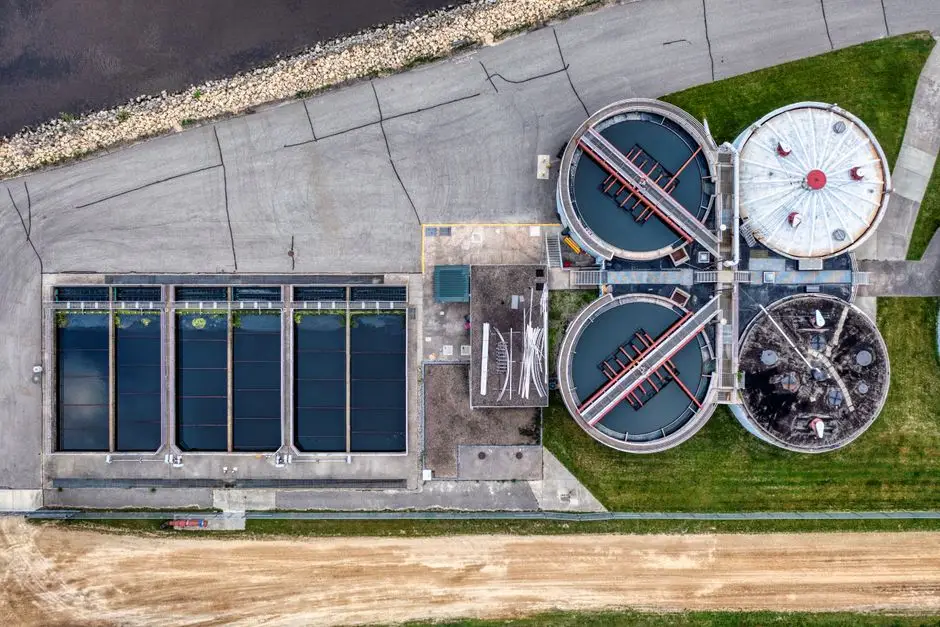
Continuing compliance depends on representative monitoring and an operating plan for batch events. Significant industrial users must submit reports no less than twice per year, in June and December, showing pollutant nature and concentration and measured or estimated average and maximum daily flows. Reports must also include BMP or pollution-prevention documentation required by the POTW Manager or the pretreatment standard (Springville, Article 7, 2014-03-19). The permit may change these reporting details, so the final calendar should be reconciled with the industrial wastewater discharge permit.
Maintain sampling capability as a process asset. Failure to keep the monitoring facility in good working order is not grounds to reject sample results as unrepresentative (Springville, Article 7, 2014-03-19). Establish calibration intervals, data-quality checks, backup power or sampling arrangements, and a response procedure for failed monitoring equipment. Record permit-required flow and pollutant data in a form that can be reconciled to production and operating cycles.
Create an emergency procedure for accidental, episodic, noncustomary batch, slug or slug-load discharges that might cause POTW problems. Notify the POTW Manager immediately, including the discharge location, waste type, concentration and volume if known, and corrective actions taken. Unless waived by the POTW Manager, submit a detailed written report within five business after the discharge (Springville, Article 7, 2014-03-19). Post emergency contacts prominently, train employees who could cause a discharge, and notify the POTW Manager immediately of facility changes affecting slug-discharge potential.
Operationally, connect the emergency plan to equalization capacity and automatic controls: the response should include stopping or diverting a batch, protecting the sampling point and preserving batch records. The metal-plant pretreatment compliance workflow is useful for translating the reporting rules into an operating responsibility matrix.
Frequently Asked Questions
Does Springville’s pH prohibition establish the final permit limit for every mining or metals plant?
No. Springville’s general sewer requirements prohibit discharges below pH 5.0 and above pH 12.0, subject to the stated POTW-design condition, but the plant’s final requirement may be stricter and may include categorical, local, permit, BMP or mass limits (Springville, Article 3, 2025-08-05). Use the current permit and local-limit development document to set the equipment guarantee.
Why should treatment selection depend on oil, colloids, flow and footprint instead of metal concentration alone?
Metal concentration establishes the precipitation objective but does not determine the best separator. Oil, grease and fine colloids favor DAF; metal-bearing flocs at higher flows and constrained footprints can favor lamella clarification (HydropureWater, 2026). The supplier needs the complete stream characterization and hydraulic record before sizing either unit.
What should a supplier receive before committing equipment dimensions?
Provide the current Springville industrial wastewater discharge permit, local-limit development document, applicable categorical-standard subpart, Utah requirements, representative stream and combined-waste samples, production basis, flow record and sludge data. Ask the supplier to state assumptions and identify any missing input rather than silently applying a generic sizing rule.
What is the operating and cost difference between ordinary monitoring and an immediate slug-discharge report?
Ordinary monitoring establishes compliance through representative sampling and scheduled reporting. A potentially problematic accidental, episodic, noncustomary batch, slug or slug-load discharge requires immediate notification and, unless waived, a written report within five business days (Springville, Article 7, 2014-03-19). For budgeting, request itemized equipment, reagent, sludge-disposal, monitoring and emergency-response costs; the supplied research provides no Springville quotation, so no defensible price can be assigned without those inputs.