Choose by the Effluent Endpoint and Site Constraints
For a Statesville food or beverage plant, select MBR when predictable low suspended solids, limited space, automation, or a defined reuse application justify added membrane maintenance. Conventional activated sludge is more likely to be economical when wastewater is stable, land is available, and existing biological and clarifier assets have useful remaining life. Evaluate a hybrid only after a written mass balance identifies one deficient stage. A membrane bioreactor versus activated sludge comparison must begin with the Statesville permit, sewer-use or pretreatment agreement, receiving authority, and written reuse criteria—not a generic process description.
Obtain the governing discharge permit, sewer-use or pretreatment agreement, and any written reuse criteria before selecting equipment. Separate three endpoints: conventional discharge, reuse preparation requiring low suspended solids, and reuse requiring removal of dissolved constituents. The first may be addressed by biological treatment and clarification; the second may justify membrane solids separation; the third may require additional polishing, such as reverse osmosis, and disinfection. Low suspended solids alone does not demonstrate compliance for BOD, FOG, pH, nutrients, dissolved salts, or a reuse specification. The 2026 DAF versus clarifier comparison for food and beverage wastewater provides useful process context, but the Statesville endpoint controls the final decision.
Evaluate MBR where production and cleaning peaks create clarifier carryover risk, predictable solids separation has material value, or the available footprint is constrained. The integrated submerged-PVDF MBR system is one equipment route, not proof that every food-processing application is suitable. Evaluate CAS where the flow and load are stable, space is available, and retained biological and clarifier assets have adequate capacity. A hybrid is defensible only when the mass balance assigns specific removal duties to each unit and demonstrates that the combination meets the same written endpoint as the full alternatives.
| Decision condition | MBR | Conventional activated sludge | Hybrid |
|---|---|---|---|
| Required endpoint | Predictable solids separation, low TSS, or reuse preparation with defined criteria | Conventional discharge where biological treatment and gravity clarification meet the permit | A defined endpoint that remains unmet by retained assets but can be met by one added treatment stage |
| Space | Potentially advantageous where footprint is constrained; require a complete dimensioned layout | Requires space for biological treatment, secondary clarification, piping, access, and sludge handling | Depends on retained assets and the added stage |
| Peak and carryover risk | Controlled membrane barrier; assess fouling during batch and cleaning discharges | Performance depends on clarifier settling and solids handling | Assign peak-control duty to a specified unit and verify the combined response |
| Reuse | Low TSS can support downstream reuse preparation; dissolved constituents may require polishing | May require additional filtration or polishing | Specify the reuse-sensitive deficiency and the polishing or solids-separation stage that resolves it |
| Retained assets | Evaluate replacement or bypass of unsuitable legacy equipment | Document remaining life and hydraulic capacity of existing tanks, clarifiers, pumps, blowers, and controls | Justify each retained asset and identify the specific deficiency being corrected |
Build the Statesville Design Basis from Real Wastewater
A bid-ready wastewater design basis requires a time-resolved flow and wastewater envelope, not annual volume alone. Give every bidder average and peak flow, discharge duration, production and cleaning schedules, product-changeover information, shutdown periods, and the operating plan. Then require representative sampling across production, clean-in-place, flushing, batch-discharge, and shutdown streams. This sampling establishes whether the biological system needs equalization, FOG control, solids removal, pH correction, or other protection.
- Document the discharge calendar. Identify which production losses, flushes, clean-in-place streams, and batch dumps can overlap. Average flow alone cannot establish equalization duty, biological loading, or membrane area.
- Characterize the wastewater. Require COD, BOD, TSS, FOG, pH, temperature, and relevant surfactants or toxicity indicators. Record product and seasonal changes that may affect treatment.
- Set the hydraulic basis. EPA’s checkpoint is that peak design flow should generally be no more than 1.5 to 2 times average design flow. If the observed peak exceeds that range, document added membrane capacity or equalization; do not calculate equalization volume without the actual discharge schedule (EPA Wastewater Management Fact Sheet: Membrane Bioreactors, as summarized by HydropureWater in 2026).
- Connect pretreatment to evidence. Use measured FOG, oil, suspended solids, and colloidal concentrations to determine whether equalization, DAF pretreatment for food-process wastewater, pH correction, or another unit is required.
- Allocate peak-response duty. Require each bidder to state how its train handles the identified peak, what capacity remains during maintenance, and which unit provides equalization or temporary storage.
Every pretreatment claim should identify three things: the measured constituent it addresses, the biological or membrane-protection requirement, and the removal objective. Screening can remove debris, but it cannot be credited with removing dissolved fats, fine colloids, oil, or surfactants. DAF should be evaluated when testing indicates that FOG, oil, suspended solids, or colloidal material could overload biology or foul membranes. It should not be added automatically because food-processing wastewater sometimes contains such constituents.
The request for bids should also identify chemical-dosing responsibilities. If testing or the selected biological process requires pH control, nutrient adjustment, or another chemical, require the applicable automatic chemical dosing system and its utilities to be included in the installed scope. Do not leave these obligations as unpriced supplier options.
Reuse planning should follow the same measured basis. For process rinsing, cooling, irrigation, or another application, obtain written constituent, monitoring, reliability, and operating requirements. A reuse claim without those criteria is not a design input, and the value of recovered water should remain separate from the base treatment cost until the responsible authority accepts the application.
Compare Effluent Separation, Footprint, and Fouling Risk
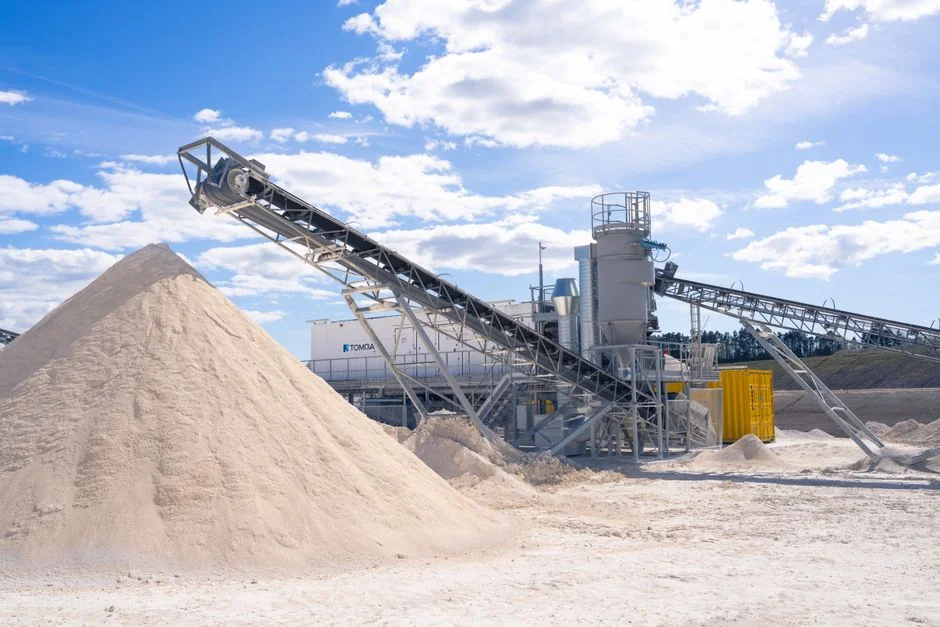
The principal difference between MBR and CAS is solids separation, not the underlying biology. CAS separates suspended biomass by gravity settling in a secondary clarifier; MBR retains suspended-growth microorganisms and solids behind a membrane barrier and withdraws permeate across the membrane. That change can improve solids separation and footprint allocation, but it transfers risk from settling performance to membrane fouling, cleaning, monitoring, and replacement.
EPA reports low concentrations of bacteria, TSS, and BOD in MBR effluent and identifies smaller space requirements than a conventional design with secondary clarifiers and sand filters. Those findings support evaluation of MBR, but project performance remains subject to the Statesville permit, influent envelope, complete treatment train, and contractual guarantees (EPA Wastewater Management Fact Sheet: Membrane Bioreactors, as summarized by HydropureWater in 2026).
| Comparison item | MBR | Conventional activated sludge | Hybrid |
|---|---|---|---|
| Solids separation | Controlled membrane barrier; typically very low suspended solids | Secondary-clarifier settling; sensitive to carryover and sludge inventory | Must state which unit performs solids separation and which duty remains |
| Space | EPA identifies smaller space requirements; bid must include pretreatment, blowers, access, piping, drainage, and sludge handling | Include biological basins, secondary clarifier, aeration, filters, access, and expansion space | Show retained and new equipment on one dimensioned layout |
| Operational burden | Membrane scouring, normalized-flux and transmembrane-pressure monitoring, chemical cleaning, replacement, spares, and air-scour energy | Aeration, recirculation, sludge wasting, settling, pumps, fitted filters, and clarifier maintenance | Combine the maintenance obligations of every retained and new unit |
| Peak handling | Test membrane capacity and fouling response during production, CIP, and batch discharges | Test clarifier hydraulic capacity and sludge handling during the same events | Test the complete train; identify temporary and final capacity constraints |
| Downstream treatment | Low TSS can simplify disinfection and reuse preparation; dissolved contaminants may require polishing | May require filtration or additional polishing | Assign polishing or disinfection duty explicitly |
Require fine screening immediately before MBR membranes. EPA identifies 1- to 2-mm screening for hollow-fiber membranes and 2- to 3-mm screening for plate membranes, with the final cutoff selected according to the membrane manufacturer (EPA Wastewater Management Fact Sheet: Membrane Bioreactors, as summarized by HydropureWater in 2026). These measures protect against debris; they do not remove fine colloids, dissolved fats, oil, or surfactants.
Do not credit a catalog footprint claim as a site result. HydropureWater’s verified product catalog states that its integrated MBR system has a 60% smaller footprint than conventional systems, but that is a manufacturer product specification, not an industry benchmark or a Statesville guarantee. Require a dimensioned comparison of MBR, CAS, and hybrid alternatives on equal treatment duties. Include maintenance access, blowers, chemical storage, piping, drainage, controls, and future expansion; a reactor-only comparison can reverse the site result.
For MBR bids, request membrane material, pore size, module configuration, design flux, MLSS range, cleaning methods, normalized-flux criteria, redundancy, critical spares, training, commissioning tests, warranty terms, and replacement responsibility. For CAS bids, request the clarifier hydraulic and solids-loading review, sludge-handling capacity, controls, downstream filter review, and remaining life of retained assets. The MBR membrane bioreactor module should be evaluated as part of that complete technical offer, not as a stand-alone equipment credit.
Price the Complete Treatment Train
Compare installed scope and lifecycle obligations under one operating boundary; reactor prices alone are not comparable. Issue a common scope covering equalization, pretreatment, biological treatment, solids separation, aeration, controls, civil work, piping, electrical service, disinfection, sludge handling, and downstream polishing. Require each bidder to identify exclusions and unit-by-unit performance responsibilities rather than relying on broad equipment-category descriptions.
For MBR, separately price membrane modules, cleaning systems, air scour, redundancy, critical spares, replacement provisions, and associated energy. For CAS, price the secondary clarifier, aeration and recirculation equipment, sludge route, and any required filters or polishing. Hybrid bids should identify retained equipment, new equipment, modification work, interface duties, and the contractual responsibility for performance across the entire train.
EPA reports that MBR capital and operating costs are typically higher than conventional systems at the same throughput (EPA Wastewater Management Fact Sheet: Membrane Bioreactors, as summarized by HydropureWater in 2026). The supplied research provides no Statesville project price, so procurement should request a project-specific quotation rather than apply a universal per-cubic-metre figure. The MBR wastewater cost-per-m³ guide can structure that request, but it cannot replace measured flows, wastewater characterization, and a defined scope.
| Lifecycle category | Required comparison |
|---|---|
| Installed equipment | Same treatment duty, footprint, redundancy, civil work, utilities, controls, commissioning, disinfection, sludge handling, and polishing |
| Operating resources | Electricity, air scour, chemicals, operator labor, cleaning, maintenance, critical spares, and downtime response |
| Lifecycle obligations | Sludge handling and disposal, membrane replacement where applicable, and renewal of retained equipment |
| Reuse value | Potable-water or disposal savings shown separately until the application is accepted by the responsible authority |
Use the plant’s actual electricity, chemical, labor, sludge-disposal, and potable-water costs over an agreed assessment period. Include membrane replacement or renewal provisions where applicable and the remaining life of retained assets. Keep reuse value outside the base case until acceptance is documented. This avoids hiding a downstream filter train in a CAS bid or omitting membrane replacement and cleaning obligations in an MBR bid.
Issue a Common Basis of Design for Final Selection
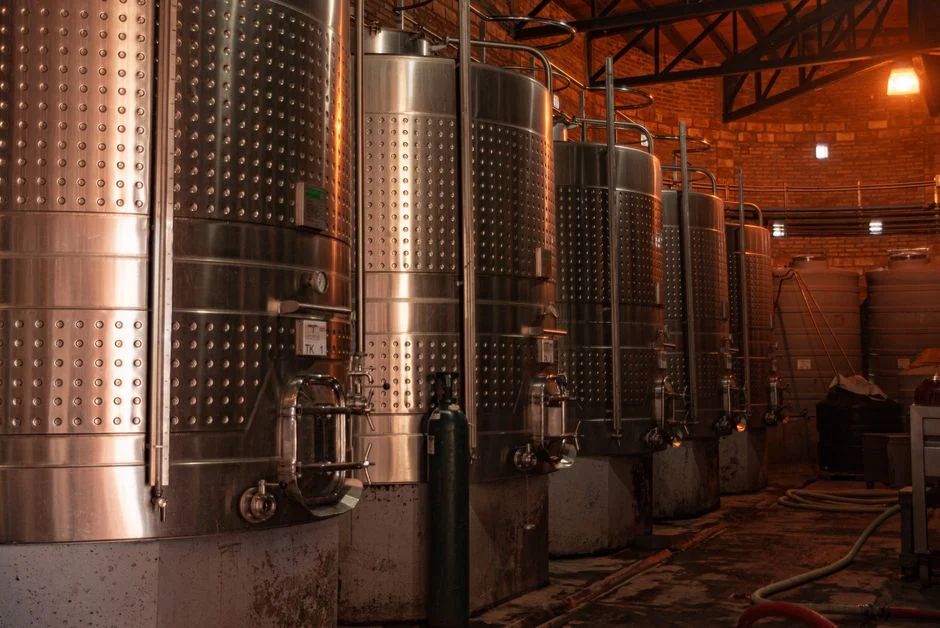
A common basis of design makes the MBR, CAS, and hybrid bids auditable against the same Statesville treatment objective. Give every bidder the same influent envelope, endpoint, guarantees, footprint, utilities, redundancy, sludge route, disinfection requirement, assessment period, and retained-asset information. The completed package should show what each option removes, what it leaves for downstream treatment, and which party remains responsible for each obligation.
| Fillable procurement field | Bidder response required |
|---|---|
| Influent envelope | Average and peak flow, discharge duration, production and cleaning schedule, representative COD, BOD, TSS, FOG, pH, temperature, surfactants or toxicity indicators, and known batch discharges |
| Written endpoint | Permit, sewer-use or pretreatment agreement, receiving authority, reuse destination, constituent limits, monitoring, reliability requirements, and disinfection criteria |
| Installed scope | Screening, equalization, pretreatment, biological treatment, solids separation, aeration, controls, civil work, piping, electrical service, disinfection, sludge handling, and polishing |
| Performance guarantees | Parameter, value, test method, sampling point, influent conditions, and explicit exceptions for FOG, surfactants, cleaning chemicals, and unusual batch discharges |
| MBR technical basis | Membrane material, pore size, configuration, design flux, MLSS range, cleaning methods, normalized-flux criteria, redundancy, spares, training, commissioning tests, warranty, and replacement responsibility |
| CAS technical basis | Secondary-clarifier hydraulic and solids-loading review, sludge-handling capacity, controls, downstream filter review, and remaining life of retained assets |
| Site and commercial basis | Dimensioned layout, utilities, electrical service, redundancy, installation access, assessment period, local operating rates, disposal route, training, support, and acceptance tests |
Require the same performance guarantee and test method for each required parameter across all bids. State exceptions explicitly rather than accepting broad caveats hidden in general specifications. For MBR bids, include commissioning tests and fouling-control criteria. For CAS bids, include clarifier and sludge-system evidence. For hybrids, include a written unit-by-unit mass balance assigning treatment and removal duties.
Use pilot or campaign-based review when historical data cannot resolve fouling, batch variability, or reuse performance. Do not use an unsupported membrane lifetime as a budget assumption. Require the contractual terms behind each warranty and replacement claim, including exclusions and remedies. Where retained mechanical screening is needed, assess its capacity and debris protection as part of the complete train; the rotary mechanical bar screen should be priced only where its duty is defined by the selected process.
Frequently Asked Questions
How much will MBR, conventional activated sludge, and a hybrid cost for a Statesville food or beverage plant?
No defensible project price can be given without measured flow and wastewater characterization, the written endpoint, pretreatment and equalization scope, redundancy, sludge route, polishing, utilities, and the assessment period. Request an installed quotation and lifecycle model using the plant’s actual electricity, chemical, labor, disposal, and replacement assumptions. Keep reuse savings separate until the responsible authority accepts the application.
How should procurement select an MBR supplier for a Statesville installation?
Evaluate suppliers against the same technical package, not reactor price alone. Request membrane material, design flux, MLSS range, cleaning and normalized-flux criteria, redundancy, critical spares, training, commissioning tests, warranty terms, and replacement responsibility. Require a dimensioned layout and guarantees tied to the documented influent envelope and explicit batch-discharge exceptions.
Should a plant size treatment from annual wastewater volume?
No. Use average and peak flow, discharge duration, production and cleaning schedules, and representative constituent data. EPA’s checkpoint is that peak design flow should generally be no more than 1.5 to 2 times average design flow; if exceeded, document added membrane capacity or equalization (EPA Wastewater Management Fact Sheet: Membrane Bioreactors, as summarized by HydropureWater in 2026).
What compliance and reuse risks should remain in the bid?
Require the Statesville discharge permit, sewer-use or pretreatment agreement, receiving authority requirements, and written reuse criteria before final selection. Low TSS does not establish compliance for dissolved constituents, FOG, pH, nutrients, or disinfection requirements. Where reuse requires dissolved-constituent removal, evaluate appropriate polishing, and obtain written constituent, monitoring, reliability, and operating criteria rather than relying on the term “reuse-ready.”