
Separate the Three Wastewater Streams Before Selecting Equipment
A Kuantan data center must manage cooling-tower blowdown, sanitary sewage, and construction flushing as separate streams. Blowdown is an industrial stream containing concentrated hardness, silica, corrosion and scale inhibitors, metals, biocides, and elevated dissolved solids; it must not enter the sanitary biological train. Sanitary sewage requires a separate biological treatment route, while construction flushing requires sampling, verification, or disposal as specified by the receiving utility. The preferred long-term option is often to reuse treated blowdown as data center cooling makeup water, but that decision depends on measured Kuantan flow, chemistry, cooling cycles of concentration, and written acceptance conditions—not copied regional benchmarks. Conventional brackish-water reverse osmosis commonly encounters scaling constraints at 75–80% recovery, so pretreatment, recovery definitions, and vendor guarantees require site-specific evidence.
HydropureWater’s 2026 Kuala Lumpur benchmark describes MBR or underground WSZ treatment for sanitary duties from 10–500 m³/day, but that range is not a Kuantan flow estimate. The supplier must size the sanitary system from measured Kuantan wastewater flow and organic and nutrient loads. A separate MBR treatment option can be considered against those inputs; an underground WSZ treatment option is an alternative only if its treatment objectives and site constraints are demonstrated.
Construction fill-and-flush water from closed-loop cooling pipes is a third acceptance route. It may require representative sampling, independent verification, treatment, or disposal under the receiving utility’s written instructions. The supplied research does not establish Kuantan’s applicable sewer terms, so sewer discharge must not be authorized before the current permit and utility acceptance are obtained.
| Stream | Principal contaminants or duties | Procurement route | Release condition |
|---|---|---|---|
| Cooling-tower blowdown | Concentrated salts, hardness, silica, metals, inhibitors, biocides and residual oxidants | Industrial pretreatment; then reuse or controlled discharge | Measured Kuantan chemistry and written reuse or discharge acceptance |
| Sanitary sewage | Organic matter, ammonia, solids and nutrients | Separate biological treatment package | Measured flow and load; applicable sewer conditions |
| Construction flushing | Residual pipe chemicals, solids and possible glycol | Sampling and verification; treatment or approved disposal | Written receiving-utility instructions |
Decide Between Blowdown Reuse and Regulated Discharge
Reuse is the stronger long-term option when treated blowdown can reliably meet cooling chemistry, corrosion, biological-control, and make-up requirements, but it adds softening, membrane separation, disinfection, storage, blending controls, and a failure-management route. Discharge may require fewer reuse stages, yet it remains conditional: the current Malaysian Department of Environment permit and receiving utility must confirm the destination, required pretreatment, and operating envelope. Neither route should be selected from a generic treatment narrative.
HydropureWater’s 2026 Kuala Lumpur benchmark reports 65–85% recovery for blowdown duty. IDE’s 2026 technical article states that conventional brackish-water RO commonly encounters scaling constraints at 75–80% recovery. These are benchmark and general technical findings, not Kuantan guarantees. IDE also reports approximately 95% recovery and approximately 1 mg/L permeate silica in a specific industrial brine-desalter application; that precedent requires chemistry-based pilot testing or a site-specific vendor guarantee rather than adoption as a Kuantan outcome.
The procurement choice should be conditional. If measured chemistry, cooling acceptance tests, and permit conditions support reliable reuse, specify an industrial RO system for cooling-blowdown reuse within a complete train. If reuse quality cannot be demonstrated, specify only the pretreatment needed for an authorised discharge route. An industrial water softener for RO pretreatment should be justified by hardness and recovery calculations rather than added by default.
| Decision test | If reuse is supported | If regulated discharge is selected |
|---|---|---|
| Water balance | Account for recovered blowdown in cooling makeup and recycled-water demand | Retain full blowdown flow in the discharge balance |
| Treatment scope | Add softening, RO, disinfection, storage and blending controls | Limit scope to treatment required by the confirmed permit |
| Permit basis | Confirm that reuse satisfies environmental and operational requirements | Confirm receiving route, limits and monitoring conditions in writing |
| Failure route | Provide segregated excursion storage and an approved disposal contingency | Provide equalization and controlled diversion without assuming sewer acceptance |
| Guarantee | State feed flow, permeate flow, recovery basis, outlet envelope and fouling response | State guaranteed flow, outlet envelope and analysis requirements |
Match the Treatment Train to Kuantan Blowdown Chemistry
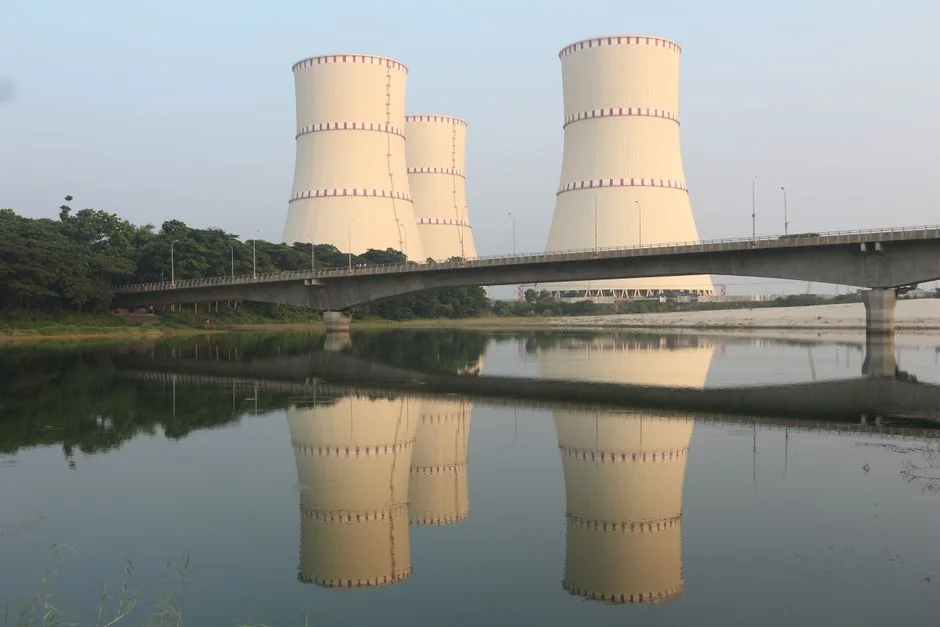
The treatment train must adapt when measured silica, hardness, suspended solids, inhibitor, or biocide conditions change. HydropureWater’s 2026 Kuala Lumpur benchmark provides a comparison sequence rather than a verified Kuantan design. IDE’s 2026 technical article identifies silica, calcium carbonate, and calcium sulfate as principal CTBD scaling risks, so source and blowdown samples should be assessed at operating temperature before recovery or softening capacity is fixed.
Suspended solids, turbidity, and colloidal matter determine the need for multi-media filtration before RO. Alternatively, the benchmark identifies UF pretreatment as using 0.03-micron membranes, accepting feed turbidity up to 300 ppm, and providing automatic backwash and air scour. Those equipment conditions are not influent guarantees for Kuantan; the selected train must remain inside the supplier’s stated operating envelope.
The laboratory programme must cover the complete cooling chemical inventory, including phosphate or phosphonate, biodispersant, antiscalant, biocide, and residual oxidant, together with zinc, copper, or chromium where used. Inhibitor and biocide residues can foul membranes or alter reuse and discharge chemistry; metal limits must be tied to the actual programme and the confirmed discharge route.
| Measured condition | Design response | Evidence required |
|---|---|---|
| Silica, hardness, alkalinity, sulfate and temperature | Set softening and RO recovery; assess saturation | Source and blowdown analysis with temperature |
| Suspended solids, turbidity and colloids | Select multi-media filtration or UF | Representative feed testing and fouling data |
| Oil and grease or settleable solids | Consider DAF and residue removal | Measured load and approved sludge route |
| Inhibitors, biocides and residual oxidant | Set membrane compatibility, dosing and pretreatment | Chemical programme and residual measurements |
| Zinc, copper or chromium | Define removal or control requirements | Metal analysis linked to the inhibitor programme |
Build the Kuantan Water Balance and Compliance Basis
The procurement basis begins with a 12-month source-water and cooling-water dataset covering hardness, silica, alkalinity, chloride, sulfate, conductivity, temperature, residual oxidant, and the complete treatment-chemical programme. Seasonal variation and changes in cooling load or chemical dosing must remain visible; one clean-water analysis will not represent blowdown. The site water balance must then reconcile cooling makeup, evaporation, drift, blowdown, blowdown recovery, reclaimed-water use, potable demand, sanitary effluent, and construction flushing.
The cited Malaysian Standard A benchmark specifies pH 5.5–9.0, TSS no greater than 100 mg/L, temperature no greater than 40°C, and residual chlorine no greater than 1 mg/L. Standard B sewer TSS is no greater than 50 mg/L. HydropureWater’s 2026 Ipoh benchmark reports these as regulatory benchmarks, not as confirmed Kuantan permit conditions. The project must verify the current Kuantan DOE permit and written sewer-acceptance terms, including parameter-specific requirements for any zinc-, copper-, or chromium-based inhibitor programme.
Treatment control should use measured conditions rather than fixed dosing assumptions. Where required by the confirmed process route, specify an automatic chemical dosing system and a segregated chlorine dioxide generator with an application point, residual target, contact arrangement, and control sequence established during testing and permit review.
Issue a Supplier Brief with Testable Acceptance Criteria
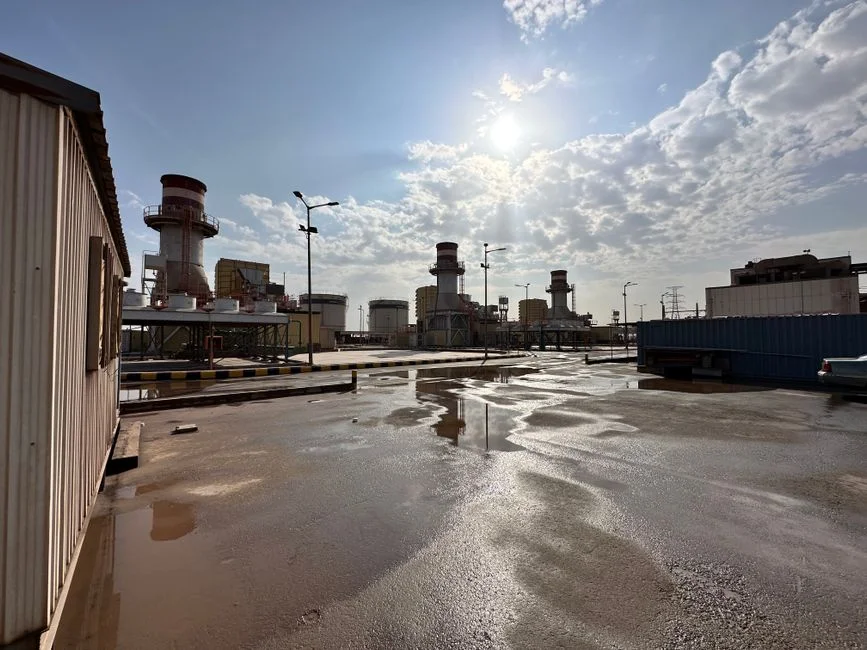
Each supplier should provide one integrated process guarantee per stream, with guaranteed feed and permeate flow, the recovery calculation basis, outlet envelope, utility consumption, operating attendance, and exclusions. “Recovery” must state whether it is calculated from permeate flow relative to feed flow, whether reclaimed cooling water is included, and how off-spec water, concentrate, and downtime are treated. Sanitary, blowdown, and construction-flushing guarantees should remain separate.
Commissioning should require representative feed testing, a documented fouling and cleaning response, cooling-makeup acceptance tests, and analysis of each regulated stream. Reuse acceptance should address scaling, corrosion, biological control, and blending. Discharge acceptance should require written confirmation from the relevant authorities and receiving utility. Comparable cooling-blowdown references may support the supplier’s proposal, but they cannot replace Kuantan testing.
Specify online flow, conductivity, pH, and ORP monitoring on the blowdown header, supported by laboratory analysis for silica, hardness, sulfate, chloride, metals, inhibitors, and residual oxidant. The supply scope should include membrane cleaning, filter or cartridge replacement, chemical storage, sludge and concentrate handling, standby power, bypass isolation, excursion storage, alarms, diversion logic, and operator access. Access to membrane and filter elements and treatment parts, valves and filter media should be priced with recommended replacement intervals and lead-time assumptions.
| Supplier deliverable | Required content |
|---|---|
| Stream-specific guarantee | Feed and treated flow, recovery basis, outlet envelope, exclusions and operating conditions |
| Design basis | Kuantan flows, chemistry, seasonal dataset, water balance and utility confirmation |
| Verification plan | Representative testing, acceptance samples, calibration, fouling response and cleaning method |
| Failure management | Standby power, isolation, excursion storage, diversion logic, alarms and approved contingency |
| Residue and utility plan | Sludge, precipitate and concentrate handling; chemical storage; utility consumption; maintenance |
| Compliance basis | Identified DOE requirements, site permit conditions and receiving-utility conditions |
Frequently Asked Questions
How much should a Kuantan data center budget for cooling-blowdown treatment, and which costs must be quoted separately?
The supplied research provides no Kuantan price. Require a quotation based on measured flow and chemistry that separately prices pretreatment, softening, RO, disinfection, controls, sludge and concentrate handling, storage, standby power, commissioning, and contingency equipment. Ask what flow, recovery, effluent quality, utility consumption, and operating attendance each price covers.
What flow and recovery guarantee should a cooling-blowdown treatment supplier provide?
Require guaranteed feed flow, permeate flow, treated-water delivery, and a written recovery formula. The guarantee should state the outlet envelope, operating chemistry, fouling assumptions, cleaning frequency, utility consumption, and exclusions. Do not accept a recovery percentage without defining its basis and the treatment of concentrate and off-spec water.
Which treatment equipment is needed for Kuantan reuse versus regulated discharge?
Reuse generally requires solids removal, appropriate pretreatment, softening, RO, disinfection, storage, and blending controls, selected from measured chemistry. Regulated discharge may omit reuse stages, but only the current permit and receiving utility can define the required discharge-preparation scope. Neither route can be priced from regional benchmarks alone.
Can sanitary sewage and cooling-tower blowdown be treated in one plant?
They should not be hydraulically combined. Blowdown contains concentrated treatment chemicals and salts that can interfere with biological treatment, while sanitary sewage carries an organic and ammonia load. The safer procurement approach is separate treatment scopes and hydraulic interfaces, even if the packages share a site or some support facilities.
What should be settled with the DOE and receiving utility before equipment selection?
Confirm the current Kuantan DOE permit, receiving destination, parameter limits, monitoring and sampling requirements, and written sewer-acceptance conditions. Also obtain the approved route for construction flushing and the contingency destination for off-spec blowdown, RO downtime, and slug loads. Equipment approval should remain contingent on those written conditions and site-specific analysis.