Make the decision by contaminant fraction, not equipment name
For most Cleveland mining and metals plants, choose a lamella clarifier for dense mineral fines and a DAF unit for colloidal, precipitated, or buoyant contaminants. DAF attaches 30–50-micron micro-bubbles to conditioned floc and floats it, but it is not well suited to high silt and clay loads. A lamella clarifier is more appropriate for dense, rapidly settling particles, although inclined plates do not remove oils, colloids, or dissolved metals. Because most facilities have mixed streams, the most defensible 2026 selection is often a clarifier followed by DAF, with filtration or membranes added when process-water reuse requires further solids separation.
Mining wastewater is rarely a single-fraction problem. A plant stream can combine dense mineral fines from a tailings-thickener overflow or mill discharge, colloidal clay, oils and greases from mobile equipment, residual flotation reagents, and dissolved heavy metals that have entered solution or re-precipitated as hydroxide solids. A single-mechanism clarifier removes the settleable fraction but leaves buoyant, colloidal, and dissolved loads; DAF cannot overcome a heavy background of non-floating silt and clay. The choice must begin with the dominant fraction in each stream, not with a preferred equipment name.
Use four inputs as an initial screen:
- Flow and peak load: distinguish average flow from production surges, storm-derived inflow, and equalization requirements.
- Particle size and density: distinguish dense, rapidly settling fines from low-density precipitates and colloidal material.
- Oil and reagent fraction: identify free oil, emulsions, surfactants, and flotation-reagent carryover.
- Effluent or reuse endpoint: define whether the objective is solids removal, particulate-metal removal, dissolved-metal control, or reuse.
Gravity clarification depends on particle density, settling velocity, surface overflow rate, and sludge withdrawal. DAF depends on bubble attachment to conditioned floc. For mixed industrial streams, review fabricated-metals wastewater pretreatment for 2026 before fixing the primary treatment unit.
How DAF and lamella clarification remove different contaminants
DAF uses micro-bubbles to convert conditioned particles into a buoyant aggregate that can be skimmed, while a lamella clarifier accelerates gravity settling by increasing effective settling area. Clearwater Industries, in the research cited by HydropureWater, describes 30–50-micron bubbles released from pressurized recirculated water, attachment to flocculated particles, and removal of the floating aggregate with a skimmer. Fluence, also cited in that research, states the key limitation: DAF is not well suited to water containing high levels of heavier, non-floating particles such as silt and clay.
DAF performance depends on chemical conditioning. Coagulant, pH adjustment, and polymer can create floc that bubbles can attach to and that remains liftable. Clearwater Industries describes 15–45 seconds of flash-mix contact in flocculation tubes, with final doses and residence time determined through jar testing. Those figures describe the cited configuration, not a universal design value for mining wastewater.
A lamella clarifier multiplies effective settling area with inclined plates, allowing higher surface loading in a smaller footprint than a conventional gravity clarifier. The mechanism remains gravity sedimentation: dense metallurgical solids settle, sludge is withdrawn from the bottom, and clarified water overflows the collection system. Lamella plates do not remove oils, surfactants, colloids, or dissolved metals unless other treatment steps convert them into removable solids.
| Selection factor | Dissolved air flotation | Lamella clarifier |
|---|---|---|
| Primary mechanism | Micro-bubble flotation followed by skimming | Gravity sedimentation on inclined plates |
| Best-matched fractions | Conditioned oils, reagents, colloids, and fine precipitates | Dense mineral fines and metallurgical solids |
| Critical limitation | Not well suited to high silt and clay loadings, according to Fluence | Does not remove oils, colloidal fines, or dissolved metals |
| Conditioning | pH adjustment, coagulant, and polymer selected by jar testing | Coagulant aid may be used, but performance depends on settleability and solids withdrawal |
| Typical placement | Primary treatment for buoyant loads or polishing after bulk clarification | Primary treatment for settleable solids |
The Logan, Utah wastewater treatment plant study reported 30 mg/L aluminum sulfate as optimal for algae and phosphorus removal in lagoon effluent (Elder, Utah State University, 2011). That result is not a mining design dose; it demonstrates that chemical dose is empirical and stream-specific. Equipment selection should be coordinated with an automated chemical dosing skid rather than relying on generic feed assumptions.
Choose by plant stream, not by a generic industry label
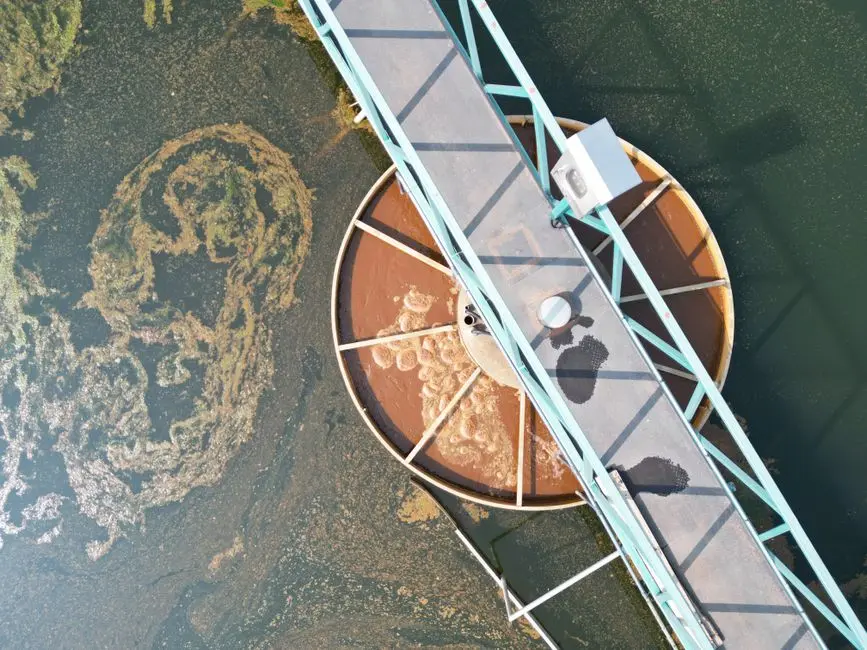
Each plant stream needs its own primary unit, polishing step, and unresolved data set. Ore-processing, metal-finishing, acid mine drainage, and combined plant flows should not be treated as one “mining and metals wastewater” application. The equipment may appear in several train configurations, but the contaminant fractions and acceptance endpoint determine where it belongs.
| Plant stream or fraction | Initial equipment decision | Information still required |
|---|---|---|
| Mill discharge or tailings-thickener overflow dominated by dense fines | Start with a lamella or conventional clarifier; characterize any separate buoyant or colloidal fraction before adding DAF | Particle-size distribution, density, settleability, peak solids loading, and underflow target |
| Metal finishing, machining, or wash water with oils, emulsions, surfactants, or low-density precipitates | Evaluate DAF after equalization and appropriate chemical conditioning | Oil speciation, emulsion stability, reagent concentrations, pH response, and jar-test results |
| Acid mine drainage neutralization overflow | Evaluate clarification for settled metal hydroxide solids; use DAF only if testing shows a residual particulate load that flotation can remove | Dissolved and particulate metals, pH, residual turbidity, hydroxide solids behavior, and filtrate quality |
| Combined plant stream | Evaluate equalization, bulk clarification, chemical conditioning, DAF polishing, then filtration or membranes where reuse requires it | Complete water and solids balance, peak-load response, reuse criteria, and sludge-handling route |
For mill discharge, the primary design question is whether the solids are dense and settleable. A high-rate high-efficiency lamella clarifier is the logical starting point for that bulk load. A DAF unit should not be used to compensate for poor clarification of heavy tailings fines unless flotation testing demonstrates a useful removal mechanism after bulk solids are reduced.
For finishing and machining water, DAF has a clearer mechanical match when the stream contains emulsified oil, surfactants, or low-density precipitates. Equalization is important because chemical demand and contaminant concentrations can vary with production. The bid should identify the conditioning strategy rather than quote the equipment as if the wastewater were pretreated.
For acid mine drainage neutralization overflow, the soluble-metal fraction must be converted into particulate hydroxide solids before gravity or flotation can remove it. Flotation and settling alone do not remove metals that remain dissolved. The analytical plan must therefore report total metal and dissolved metal separately.
For a combined plant, the sequence should be equalization → bulk clarification → chemical conditioning → DAF polishing → filtration or membranes where required → sludge dewatering. Filtration and membrane requirements can be evaluated as part of the multimedia filtration review, rather than added after DAF performance is demonstrated.
Size the treatment train from measured data and pilot results
Catalog capacity is a screening value, not a performance guarantee. HydropureWater’s published catalog information lists DAF models spanning 4–300 m³/h and gives a lamella clarifier surface-loading range of 20–40 m/h. Those vendor-supplied ranges can help qualify bidders, but they do not establish hydraulic loading, chemical dose, solids capture, or effluent quality for a Cleveland site.
Require a comprehensive influent dataset covering TSS, particle-size distribution, pH, temperature, and dissolved metals such as copper, lead, and zinc, with seasonal flow and concentration variation. Require bench-scale jar testing to establish coagulant and flocculant doses, and obtain pilot data from a comparable metallurgical process before accepting guaranteed site performance. As Fluence notes in the cited research, flotation is used in mineral and mining waste treatment for heavy metals, oil wastes, and process-water recycling; that application evidence still does not replace stream-specific testing.
For DAF, ask each bidder to define its hydraulic and process design basis, including hydraulic loading, rise rate, recycle ratio, air-to-solids relationship, contact time, skimming capacity, and solids handling. For clarification, request the proposed surface loading rate, lamella configuration, sludge blanket and withdrawal design, underflow solids target, and allowance for peak and upset flow. Use the DAF selection checklist for FOG and TSS to structure the technical data request, while avoiding unsupported design values.
Make acceptance criteria and analytical methods part of the purchase specification. Depending on the reuse or discharge endpoint, the protocol should address TSS, turbidity, oil and grease, relevant metals, and other constituent-specific limits. A proposed automated chemical dosing architecture for wastewater should be tied to the same operating basis.
Do not accept a performance guarantee based only on catalog flow. Tie it to a defined influent dataset, analytical method, operating condition, and acceptance procedure.
Account for Cleveland operating, materials, and compliance constraints
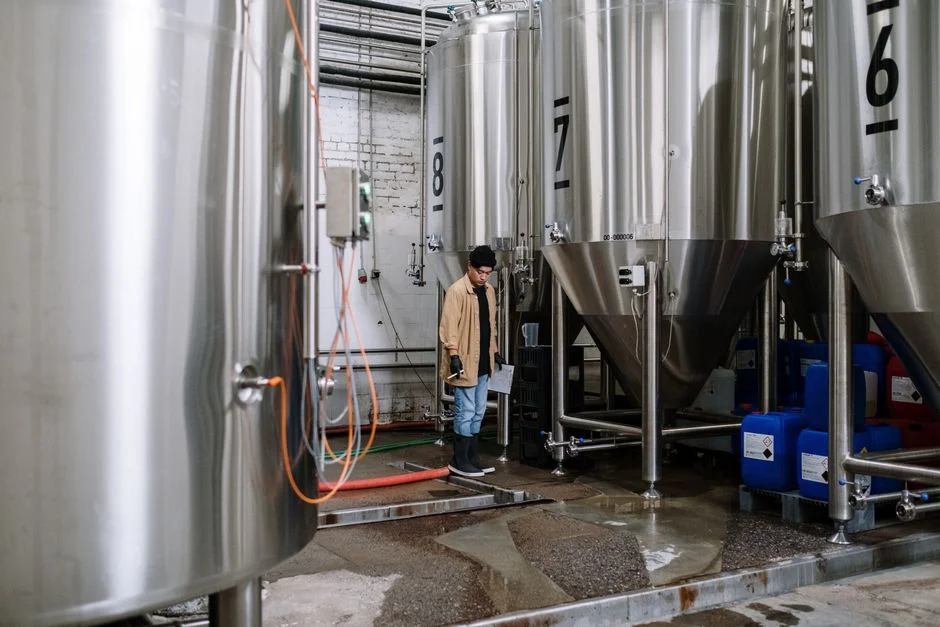
The equipment must fit the stream chemistry, local permit, physical site, and downstream handling route. Treatment selection does not establish permit compliance. The plant’s environmental lead must confirm applicable discharge or pretreatment requirements against the current permit and local sewer, stormwater, and receiving-water conditions.
The related supplied research references 40 CFR Part 440 for ore mining and dressing and 40 CFR Part 503 for sewage sludge and biosolids management. Those references identify relevant regulatory frameworks, but the permit writer must determine which provisions apply to the facility and how waste characterization, reuse, and disposal must be documented. Local sanitary-sewer or stormwater approvals and receiving-water constraints remain project-specific checks.
For abrasive, acidic, or corrosive streams, request a materials schedule supported by the actual chemistry. The supplied research specifically advises considering 316L stainless steel or specialized coatings for acidic or abrasive mineral slurries. The bidder should identify wetted components, fasteners, wear parts, coatings, and replacement intervals rather than offering a generic corrosion allowance.
Also require evidence from metal-bearing effluents, pilot-study data, automatic chemical-dosing support, documented maintenance access, and evidence of relevant quality-management certification such as ISO 9001. These are supplier-qualification inputs, not substitutes for site testing.
Process-water reuse changes the required train. Fluence documents DAF for recycling process water and materials in mining waste treatment, while the supplied research states that DAF effluent typically needs another solids-removal step before reuse or discharge. Include the required filtration or membrane system in the RFQ; a review of RO, UF, and membrane requirements should identify the pretreatment and recovery constraints.
Compare whole-train costs instead of unit prices
The supplied research does not establish a reliable 2026 unit price for either DAF or a clarifier, so a defensible budget requires a site-specific budgetary quotation. Do not compare equipment by catalog flow alone. Give bidders the same flow, TSS, particle distribution, contaminant fractions, reuse endpoint, and solids-handling assumptions, then require separate and total pricing for the complete train.
| Cost element | Information the bidder must price | Buyer check |
|---|---|---|
| Primary and polishing equipment | DAF, lamella clarifier, equalization, controls, and required filtration or membranes | Does the quotation follow the submitted hydraulic and water-quality basis? |
| Installation | Foundations, piping, electrical, utilities, access, and site work | Are civil and utility interfaces defined? |
| Chemical conditioning | Coagulants, polymers, pH control, storage, dosing equipment, and expected consumption | Are doses supported by jar or pilot results? |
| Materials protection | Corrosion-resistant construction, coatings, and wear-resistant parts | Is the materials schedule tied to the stream chemistry? |
| Sludge handling | Clarifier underflow, DAF float, conditioning, dewatering, storage, hauling, and disposal | Is the entire solids route included? |
| Lifecycle inputs | Chemical demand, recycle or blower energy, labor, maintenance, downtime, and recovered-water value | Are assumptions disclosed and measurable? |
Include sludge dewatering in the comparison. Clearwater Industries states that properly conditioned DAF can produce thick floated sludge that may need little or no further dewatering, while clarifier or thickener underflow requires a defined handling route. A plate-and-frame filter press can be evaluated as a downstream option for either clarifier underflow or DAF float. The bidder should state which sludge stream is covered, its expected condition, and the resulting disposal route.
Put the recommendation into a written procurement specification
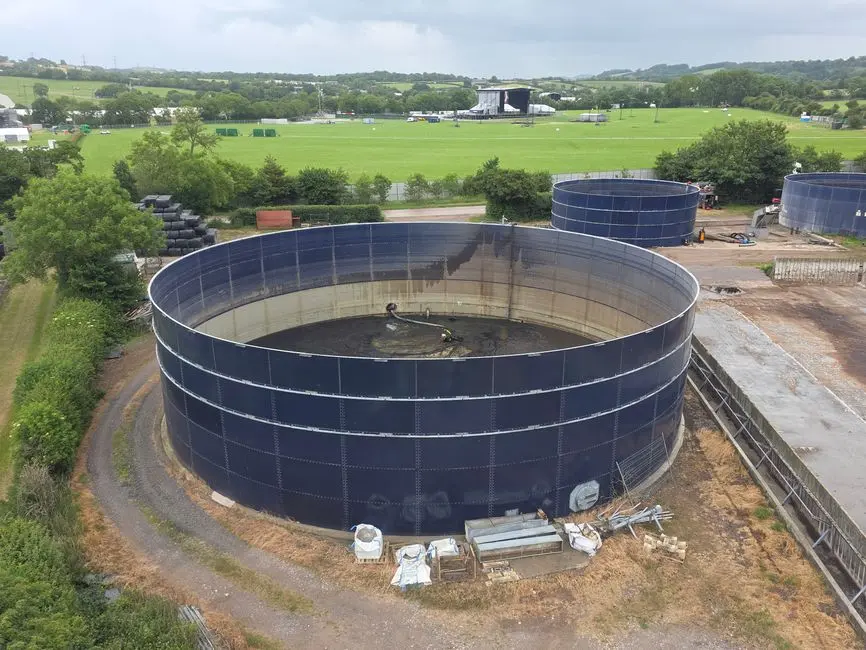
A defensible 2026 RFQ should force each bidder to identify the dominant stream fractions and justify the primary unit. Do not accept a generic DAF-or-clarifier package. Require the bidder to identify the mill, finishing, neutralization, or combined stream being addressed and explain why the proposed mechanism matches its dominant contaminant fraction.
Each response should include an influent-characterization basis, jar-test or pilot protocol, hydraulic basis, materials schedule, control narrative, solids balance, performance guarantees, commissioning plan, and maintenance schedule. The proposed schematic should cover equalization, clarification, chemical conditioning, DAF, filtration or membranes where needed, and sludge dewatering.
Make acceptance testing conditional on representative influent and site-specific performance criteria. Define sampling points, analytical methods, operating conditions, corrective-action limits, and retesting procedures. This comparison framework can be adapted from the 2026 DAF-versus-clarifier procurement guidance, but the equipment proposal must reflect Cleveland mining and metals streams—not an unrelated application.
Frequently Asked Questions
What will DAF or a clarifier cost for mining and metals wastewater in Cleveland in 2026?
The supplied research provides no defensible universal 2026 price for either unit. Request a budgetary quotation tied to average and peak flow, TSS, particle-size distribution, contaminant fractions, required endpoint, materials, controls, installation, chemical conditioning, and sludge handling. Require separate line items for the DAF, lamella clarifier, dosing system, filtration or membranes, and dewatering so the whole-train cost remains visible.
How should treatment capacity be sized when the flow rate is known?
Hydraulic flow is only one sizing input. TSS, particle size, particle density, settleability, oil and reagent fractions, peak load, sludge production, and the reuse endpoint also determine the train. Require bench-scale jar testing and comparable pilot evidence before assigning equipment loading or guaranteed performance. A catalog capacity does not replace measured influent data and site-specific acceptance criteria.
Which supplier qualifications matter most for a mining and metals treatment train?
Prioritize vendors that can show comparable metal-bearing effluent references, pilot data, a stream-specific materials schedule, automatic dosing support, documented maintenance access, and relevant quality-management certification. Also require a clear acceptance protocol. Ask the bidder to demonstrate how its proposed control response handles chemical-dose changes, sludge accumulation, and upset conditions rather than relying only on catalog capacity.
Does choosing DAF or a clarifier establish regulatory compliance?
No. Treatment selection identifies the likely removal mechanism; the environmental lead must confirm the final train against the facility’s current permit, current 2026 mining and metals pretreatment requirements, and applicable local requirements. Permit confirmation should also cover discharge or reuse limits, waste characterization, sludge handling, and any sewer, stormwater, or receiving-water restrictions.
Related Equipment
- industrial DAF system for metals wastewater — specifications, capacity range, and technical data