What treatment train suits a high-COD Nagoya factory?
Manufacturers in Nagoya generally treat high-COD trade waste with a staged train: equalization and contaminant-specific pretreatment, biological COD reduction using MBR or another suitable reactor, and membrane polishing where reuse or very low soluble solids are required. DAF is especially useful for oil, FOG and suspended solids before biological or RO systems; it does not reliably remove dissolved COD. MBBR research testing influent COD of 1000–3500 mg/L found more than 80% COD removal, while MBR is attractive where compact footprint and reuse-quality separation are priorities. Final limits must follow the facility’s current permit; HydropureWater reports a general COD limit below 120 mg/L and notes stricter catchment requirements.
The practical sequence is therefore:
- Characterize the wastewater across production cycles.
- Equalize hydraulic and organic loading.
- Remove oil, FOG, floatables and excessive solids before biological treatment or RO.
- Reduce biodegradable dissolved COD biologically.
- Polish only when the discharge or reuse specification requires it.
- Dewater and dispose of treatment residuals under the applicable waste classification.
Equalization should include automatic controls that respond to flow, pH and organic loading. For oily streams, a DAF pretreatment system for oil and suspended solids can protect downstream biological and membrane systems. HydropureWater’s 2026 Nagoya guide reports 92–97% TSS removal and up to 95% FOG removal for DAF in oily wastewater, but it also states that DAF is less effective for dissolved organic matter.
MBR combines biological treatment and membrane separation. HydropureWater reports COD removal of 92–97% for organic-heavy Nagoya industrial streams and energy demand of 0.8–1.5 kWh/m³. Those figures require confirmation against representative influent and the proposed operating envelope before they enter a performance guarantee.
RO belongs after biological treatment or other effective solids-removal barriers when dissolved salts or other defined contaminants must be reduced. The supplied research does not establish a universal Nagoya RO recovery value for high-COD trade waste. HydropureWater gives a general COD benchmark below 120 mg/L and reports stricter catchment targets below 50 mg/L; both require confirmation against the facility’s current permit and sewer agreement.
| Process step | Primary function | Main design caution |
|---|---|---|
| Characterization and equalization | Defines the load and damps hydraulic or COD shocks | Sample the full production cycle, including batch and cleaning discharges |
| DAF or physical pretreatment | Removes oil, FOG, floatables and suspended solids | Do not treat it as the principal dissolved-COD removal step |
| MBR or another biological reactor | Reduces biodegradable dissolved COD and separates solids | Control pH, nutrients, aeration, temperature and shock loads |
| RO or other polishing | Reduces selected dissolved contaminants for reuse or discharge | Verify pretreatment, scaling, recovery and fouling |
| Sludge treatment | Separates and prepares residuals for authorized disposal | Classify the waste and confirm the disposal route |
Characterize the wastewater before selecting equipment
A defensible equipment selection begins with COD and BOD measured separately, because their relationship indicates biodegradability, while filtered and soluble COD reveal how much organic load remains after solids separation. A single composite sample can miss the batch, cleaning and production peaks that determine reactor and equalization sizing.
The characterization program should also cover suspended solids, pH, temperature, dissolved oxygen, salinity, oil and grease, surfactants, metals and sector-specific compounds. Temperature is not a minor operating detail: the Juniper Publishers MBBR study reported a sharp change in COD-removal performance between 20 and 25°C, so winter conditions must be included in biological design.
Record minimum, average, peak and shock-load flows, then map them against production schedules, batch discharges and cleaning cycles. These records determine equalization volume, pretreatment peak capacity and whether biological loading is steady enough for the proposed reactor.
The buyer should obtain the current discharge permit, sewer pretreatment agreement, designated sampling points, monitoring frequency and catchment-specific conditions before comparing bids. These documents define the enforceable process envelope; a general treatment article cannot replace them.
HydropureWater states that mandatory JIS K 0102 testing applies to facilities discharging more than 50 m³/day under its described 2026 compliance framework. Treat that threshold as a verification prompt, not a legal conclusion. The facility engineer must confirm the current rule, responsible authority and required analytical scope.
Equipment selection should then follow the evidence. If oil or FOG is elevated, specify solids and oil pretreatment before comparing biological systems. If metals are present, include metal-specific sampling and precipitation testing. If reuse is required, define the target water quality before deciding whether UF, RO or another polishing step is justified. This is the approach used in the broader high-COD trade-waste treatment framework, with Nagoya permits and wastewater characteristics determining the final train.
Pretreat oil and solids before biological treatment
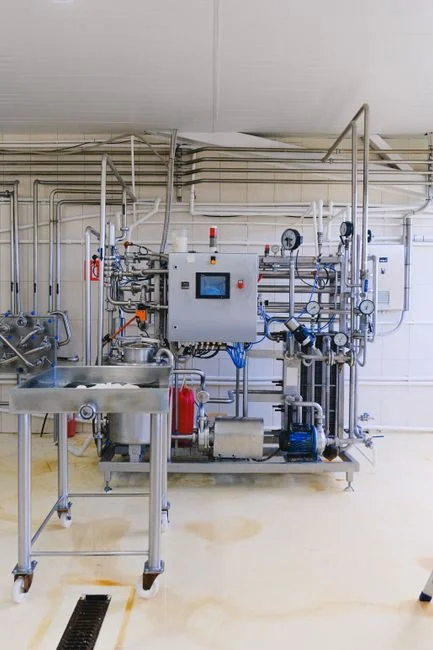
DAF belongs ahead of activated sludge, MBR or RO when the waste contains free oil, FOG, floatable material or suspended solids that would interfere with biological activity or foul membranes. For automotive, metalworking and food-processing streams, the objective is to protect the downstream process rather than claim complete treatment in the DAF unit.
HydropureWater’s Nagoya guide reports an optimal DAF bubble size of 30–50 μm and a hydraulic retention time of 20–40 minutes. These are preliminary design benchmarks, not universal settings. The required values depend on wastewater characteristics, solids loading, flotation hydraulics and the performance required by the downstream process.
The same 2026 source reports DAF energy demand of 0.3–0.6 kWh/m³, below its reported MBR range. That comparison does not make DAF a substitute for biological treatment: dissolved biodegradable COD requires biological reduction or another specifically demonstrated removal mechanism.
Acidic streams containing metals may require chemical precipitation and pH control before the biological stage. HydropureWater reports pH adjustment generally between 8.0 and 11.0, depending on the target metal, and FeCl₃ coagulant doses of 50–200 mg/L for the electronics application described in its guide. These values are application-specific design prompts and should be verified by jar testing and a continuous trial with representative wastewater.
Use an automatic chemical-dosing system where reagent addition depends on changing flow or pH. Calibrate it against the actual wastewater rather than relying only on a nominal dose. Route precipitated solids and DAF float to a dedicated thickening and dewatering train.
Use the DAF selection checklist for FOG and TSS to specify the required oil, solids and floatables removal, then evaluate performance against the mass balance and sampling plan.
| Design item | Evidence available | Engineering decision |
|---|---|---|
| Bubble size | 30–50 μm reported by HydropureWater’s 2026 Nagoya guide | Use as a preliminary benchmark; verify flotation performance |
| Hydraulic retention time | 20–40 minutes reported by HydropureWater’s 2026 Nagoya guide | Check against peak flow, solids loading and downstream requirements |
| DAF energy demand | 0.3–0.6 kWh/m³ reported by HydropureWater’s 2026 Nagoya guide | Include compressors, pumps and saturation in the site energy balance |
| Chemical pH adjustment | 8.0–11.0 reported for the described electronics application | Define the metal-specific target and confirm by testing |
| FeCl₃ dose | 50–200 mg/L reported for the described electronics application | Do not transfer the range without jar and continuous-flow trials |
Reduce biodegradable COD with MBR or a carrier-based biological reactor
MBR combines biological treatment with submerged membrane separation, removing the need for a separate clarifier and supporting compact plant layouts. HydropureWater reports 60% smaller footprints for its MBR offering than conventional systems, while its MBR versus conventional activated sludge comparison provides the basis for evaluating solids handling, automation and operating requirements.
For the proposed Nagoya application, HydropureWater reports MBR COD removal of 92–97% and energy use of 0.8–1.5 kWh/m³ for organic-heavy industrial applications. These are preliminary vendor benchmarks, not guaranteed performance for an unspecified factory. Require site-specific pilot data, a stated influent envelope and a clarified boundary around the energy measurement.
The carrier-based alternative has credible academic support. Juniper Publishers’ laboratory MBBR study examined industrial wastewater with COD of 1000–3500 mg/L and found more than 80% COD removal across the high-COD range. It selected an 8-hour hydraulic retention time because 12 hours produced only about a three-percentage-point improvement in COD removal.
Temperature materially changed that study’s performance. COD removal increased from roughly 70% to about 90% as temperature rose from 20 to 25°C, with the study reporting a sharp slope change between those temperatures. The result supports seasonal biological testing; it does not establish a universal reactor size for a Nagoya stream.
MBBR can suit sites seeking a simpler solids-retention arrangement. MBR is more appropriate where compact footprint, integrated solids separation and reuse-oriented separation are primary requirements. Both need controlled pH, nutrient balance, aeration, biomass management, sludge handling and protection from shock loads.
For procurement, compare an integrated MBR wastewater treatment system with an MBBR design only after biological acceptance criteria are defined. A supplier should show how temperature, toxicity, biodegradable COD fraction, shock loading, membrane fouling and sludge separation affect the guaranteed outcome.
| Criterion | MBR | MBBR |
|---|---|---|
| Treatment configuration | Biological treatment combined with submerged membrane separation | Biological treatment with carrier-based biomass retention |
| Reported COD removal | 92–97% by HydropureWater’s 2026 Nagoya guide for organic-heavy industrial streams | More than 80% across 1000–3500 mg/L influent COD in the Juniper Publishers study |
| Evidence status | Commercial benchmark requiring site-specific confirmation | Laboratory study; requires confirmation with the actual wastewater |
| Energy | 0.8–1.5 kWh/m³ reported by HydropureWater | No comparable energy figure is established in the supplied study |
| Footprint | 60% smaller footprint than conventional systems reported by HydropureWater | No comparable footprint figure is established in the supplied study |
| Key selection issue | Membrane fouling, scouring energy and replacement | Carrier selection, biomass management and temperature sensitivity |
Decide whether RO or electrocoagulation is necessary
RO should follow removal of suspended solids, oil and most biodegradable COD because it is a downstream polishing process, not a stand-alone high-COD treatment train. The supplied commercial research describes RO after MBR or other solids-removal barriers. Adding it without a defined contaminant target would introduce membranes, energy demand, scaling control and operator workload without a demonstrated compliance benefit.
HydropureWater’s Nagoya guide cites a major automotive example in which MBR and RO reduced COD from 200 mg/L to less than 50 mg/L while reducing freshwater intake by 40%. The source labels this as HydropureWater field data from 2024. It is a project-specific example and should not be generalized to every factory or reused as a performance guarantee.
Electrocoagulation should be considered only against a defined inorganic or metal-removal objective. MDPI’s 2023 study applied electrocoagulation to mineral-processing wastewater with initial COD of 424.29 mg/L from a Pb/Zn sulfide flotation plant and evaluated its effect on water reuse. This does not establish electrocoagulation as the preferred route for dissolved biodegradable COD at a Nagoya manufacturing plant.
Do not select electrocoagulation because the waste characterization says “high COD.” First establish whether the design target is COD, metals, colloids, dissolved salts or reuse quality. Then verify electrode material, current density, pH, additives, sludge generation and electrical demand using representative wastewater.
For RO, confirm membrane compatibility, scaling tendency, recovery, pretreatment requirements, cleaning method and operator competence through a pilot or side-stream trial. The supplied research does not establish a universal Nagoya RO recovery value for high-COD trade waste. Evaluation of RO water purification should begin only after the required permeate specification and upstream protection strategy are documented.
Compare cost, energy and operating risk
HydropureWater reports preliminary Nagoya CAPEX ranges of ¥50 million–¥150 million for DAF, ¥200 million–¥800 million for MBR and more than ¥800 million for integrated MBR facilities. These are commercial guide figures rather than quotations. They exclude the differences created by capacity, wastewater chemistry, building works, automation, civil scope, redundancy and site utilities.
Reported energy demand is 0.3–0.6 kWh/m³ for DAF and 0.8–1.5 kWh/m³ for MBR. Procurement should request the power draw for the complete duty, including pumps, compressors, aeration, membrane scouring and controls, rather than comparing equipment-nameplate values alone.
Sludge is also a material operating cost. HydropureWater reports Nagoya disposal costs of ¥20,000–¥50,000 per ton depending on moisture content and hazardous classification. The same guide states that reducing sludge moisture from 95% to 75% can reduce disposal weight by 80%; this is a stated benchmark, not a guaranteed plant outcome.
| Cost or risk item | Reported basis | Information required from bidder |
|---|---|---|
| DAF CAPEX | ¥50 million–¥150 million reported by HydropureWater’s 2026 guide | Scope, capacity, civil works, controls, redundancy and commissioning exclusions |
| MBR CAPEX | ¥200 million–¥800 million reported by HydropureWater’s 2026 guide | Reactor volume, membrane area, aeration, building works, controls and replacement assumptions |
| Integrated MBR CAPEX | More than ¥800 million reported by HydropureWater’s 2026 guide | Complete plant definition and site-specific quotation |
| DAF energy | 0.3–0.6 kWh/m³ reported by HydropureWater’s 2026 guide | Average and peak demand, operating profile and included auxiliaries |
| MBR energy | 0.8–1.5 kWh/m³ reported by HydropureWater’s 2026 guide | Aeration and scouring basis, mixed liquor concentration and clean-water basis |
| Sludge disposal | ¥20,000–¥50,000 per ton reported by HydropureWater’s 2026 guide | Moisture basis, chemical classification, haulier acceptance and destination |
The lifecycle comparison should also include coagulants, pH chemicals, operator labor, membrane replacement, odor control, redundancy, monitoring and disposal logistics. If sludge moisture is a cost driver, evaluate a plate-frame filter press against representative chemical sludge rather than selecting it from nominal capacity alone.
Build a permit-aware commissioning and monitoring plan
The proposed process, guarantees, sampling method and operating envelope should be submitted to the relevant Nagoya authority and sewer authority for review before final equipment selection. Confirm the applicable COD, nitrogen, phosphorus, pH, metals, oil and monitoring requirements in the current permit and sewer agreement. The numerical benchmarks in this article are screening references, not substitutes for those documents.
Verify whether JIS K 0102 applies, using the stated threshold of more than 50 m³/day only as a prompt to check the current rule. Confirm which parameters require the standardized method, how samples must be collected and how results relate to permit compliance. Also establish whether the discharge enters a sewer requiring separate pretreatment approval.
Commissioning should progress through several controlled stages:
- Start equalization and verify flow, level, pH and organic-loading control under production conditions.
- Calibrate chemical dosing and confirm DAF or precipitation performance across the wastewater variability envelope.
- Acclimate biological biomass and test the response to representative temperature and loading conditions.
- Check membrane integrity, fouling indicators, cleaning provisions and solids inventory.
- Verify the plant mass balance from influent sampling through effluent and residual handling.
- Train operators and complete a compliance demonstration using the agreed sampling method.
Use the electrocoagulation and MBBR studies as design prompts rather than guarantees. Verify organic biodegradability, toxicity, temperature effects and membrane fouling with representative Nagoya wastewater. The 2026 DAF-versus-clarifier review also reinforces the need to compare pretreatment duties against the actual downstream barrier rather than selecting on suspended-solids removal alone.
Frequently Asked Questions
What does high-COD trade-waste treatment cost in Nagoya?
HydropureWater’s 2026 guide reports preliminary CAPEX of ¥50 million–¥150 million for DAF and ¥200 million–¥800 million for MBR. It also reports energy demand of 0.3–0.6 kWh/m³ for DAF and 0.8–1.5 kWh/m³ for MBR. A buyer should request a site-specific quotation showing civil works, equipment, controls, chemicals, sludge handling, utilities, commissioning, redundancy and membrane replacement assumptions. These guide ranges are not bids.
How should the reactor be sized for a Nagoya factory?
Sizing requires representative minimum, average, peak and shock flows; total and filtered COD; BOD; suspended solids; oil and FOG; temperature; pH; and discharge or reuse targets. Neither the academic studies nor HydropureWater’s commercial guide establishes a universal reactor size for an unspecified stream. The DAF selection checklist for FOG and TSS is a useful pretreatment screening reference, but final sizing should follow site testing and mass-balance design.
Which supplier qualifications should be checked before awarding the order?
Require a process guarantee tied to a stated influent and operating envelope, not a generic removal percentage. Ask for evidence from representative wastewater, membrane-fouling criteria, specific energy consumption, redundancy, control narratives, operator training, maintenance schedules, critical-spares availability and technical support. Also check the supplier’s methodology for documenting performance during commissioning.
What are the main compliance and delivery risks?
Compliance risk begins with relying on general benchmarks instead of the current permit and sewer agreement. Confirm limits, sampling requirements and JIS K 0102 applicability with the responsible authorities. Delivery risk cannot be assessed from the supplied research because it contains no manufacturing or delivery lead-time data; require a supplier project schedule with engineering, procurement, manufacturing, FAT, delivery, installation, commissioning and acceptance dates.
When should MBR be preferred over MBBR?
Prefer MBR when compact footprint, integrated solids separation and reuse-oriented separation justify the additional membrane, aeration and maintenance requirements. Consider MBBR when its carrier-based solids-retention arrangement is sufficient and the wastewater’s biodegradability, temperature response and fouling risk have been demonstrated. The supplied Juniper Publishers study supports MBBR feasibility at laboratory scale; it does not replace site-specific testing or process guarantees.
Related Equipment
- DAF pretreatment system for oil and suspended solids — specifications, capacity range, and technical data