Nagoya’s Industrial Wastewater Challenge: Compliance Deadlines and Sector-Specific Contaminants
In 2026, industrial wastewater treatment in Nagoya requires systems that meet the Water Pollution Control Act’s updated effluent standards (COD <120 mg/L, T-N <60 mg/L, T-P <8 mg/L) while handling sector-specific contaminants like heavy metals (automotive) or organic solvents (electronics). MBR systems achieve 99% uptime and COD <50 mg/L, while DAF units remove 92–97% of TSS from oily wastewater—critical for Nagoya’s dominant manufacturing sectors. CAPEX ranges from ¥50M for small DAF systems to ¥800M for large-scale MBR plants, with OPEX varying by energy use (0.8–1.5 kWh/m³ for MBR vs. 0.3–0.6 kWh/m³ for DAF).
The 2025–2026 regulatory window represents a critical pivot point for Nagoya-based manufacturers. According to the Ministry of Environment (2024), the Water Pollution Control Act amendments place stricter burdens on industrial dischargers, particularly regarding Chemical Oxygen Demand (COD), Total Nitrogen (T-N), and Total Phosphorus (T-P). For facilities located within the Ise Bay catchment area, local Nagoya City ordinances often impose even more stringent limits than national standards to prevent eutrophication. Failure to modernize treatment infrastructure by the 2026 deadline risks not only legal penalties but also operational shutdowns during peak production cycles.
Nagoya’s industrial landscape is highly specialized, necessitating tailored treatment approaches. The automotive sector, concentrated in the surrounding Aichi Prefecture, generates high volumes of wastewater contaminated with heavy metals (chromium, nickel) and paint shop solvents. In contrast, the electronics sector focuses on the removal of organic solvents and acidic effluents, while the food processing industry faces challenges with high Biological Oxygen Demand (BOD) and Fats, Oils, and Grease (FOG). For instance, how Nagoya’s regulations compare to EU standards (for multinational facilities) demonstrates that Japan’s move toward zero-liquid discharge (ZLD) is accelerating to match global benchmarks. A notable case study involves a major automotive facility in Nagoya that reduced its COD from 200 mg/L to <50 mg/L by integrating MBR and RO technologies, securing compliance while reducing freshwater intake by 40% (HydropureWater field data, 2024).
| Sector | Primary Contaminants | Nagoya Effluent Limit (COD) | Treatment Priority |
|---|---|---|---|
| Automotive | Heavy Metals, Emulsified Oils | <120 mg/L | Metal recovery & oil separation |
| Electronics | Solvents, Acids, Cr+6 | <120 mg/L | 99.9% Heavy metal removal |
| Food Processing | BOD, T-N, FOG | <120 mg/L | Organic load reduction |
| Metalworking | Coolants, TSS, Oil | <120 mg/L | Sludge dewatering & oil removal |
Treatment Technology Comparison: MBR vs. DAF vs. Chemical Precipitation for Nagoya’s Effluents
Membrane Bioreactor (MBR) systems currently achieve a COD removal efficiency of 92–97% for Nagoya’s food processing and organic-heavy industrial streams. Unlike conventional activated sludge systems, Nagoya-optimized MBR systems for COD <50 mg/L effluent utilize a physical barrier (membranes) that ensures Total Suspended Solids (TSS) remain below 5 mg/L. This is particularly advantageous for urban Nagoya factories where space is at a premium; MBR systems typically require a footprint 60% smaller than traditional clarifier-based systems. However, engineers must account for higher energy intensity, typically ranging from 0.8 to 1.5 kWh/m³, driven by the aeration required for membrane scouring.
For the automotive and metalworking sectors, Dissolved Air Flotation (DAF) remains the industry standard for handling oily wastewater. DAF systems for Nagoya’s oily wastewater (automotive, metalworking) are designed to remove 92–97% of TSS and up to 95% of FOG. DAF systems operate with significantly lower energy requirements (0.3–0.6 kWh/m³) compared to MBR but are less effective at removing dissolved organic matter. In many Nagoya facilities, DAF serves as a critical pre-treatment stage for Reverse Osmosis (RO) to prevent membrane fouling. For specialized electronics manufacturing, RO systems for Nagoya’s electronics sector (chromium removal) are often paired with chemical precipitation to achieve heavy metal concentrations below 0.1 mg/L.
Chemical precipitation remains a robust choice for acidic effluents containing dissolved metals like Chromium (Cr) or Nickel (Ni). While effective, this technology generates a high volume of sludge—often 30–50% more than DAF or MBR—requiring efficient sludge dewatering for Nagoya’s high-organic-load effluents to control disposal costs. Hybrid systems are increasingly common in Nagoya; for example, a DAF unit followed by chemical precipitation is the preferred configuration for automotive paint shop wastewater to ensure both oil and heavy metal compliance.
| Technology | Removal Efficiency (TSS) | Energy Use (kWh/m³) | Space Requirement | Best For |
|---|---|---|---|---|
| MBR | >99% | 0.8–1.5 | Minimal (Compact) | High BOD, Food/Beverage |
| DAF | 92–97% | 0.3–0.6 | Moderate | Oily wastewater, Automotive |
| Chemical Precipitation | 85–95% | 0.2–0.4 | Large (Clarifiers) | Heavy metals, Electronics |
Engineering Specs for Nagoya: Effluent Quality, Footprint, and Energy Use by System Type
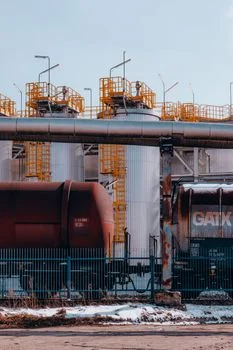
Engineering specifications for Nagoya’s urban industrial sites require a footprint efficiency of less than 1.5 m²/m³/day to accommodate the city’s high land costs and dense industrial zoning. For MBR systems, designers must target a Mixed Liquor Suspended Solids (MLSS) concentration of 8,000–12,000 mg/L to maintain high treatment rates within a small volume. The membrane pore size is typically 0.1 μm, acting as a definitive barrier to bacteria and most viruses, which is essential for facilities aiming for water reclamation. Flow rates for Nagoya-based MBR plants range from 10 m³/day for small workshops to 2,000 m³/day for large-scale manufacturing hubs.
DAF engineering specifications in the Nagoya market emphasize hydraulic retention time (HRT) and bubble size. Optimal performance is achieved with a bubble size of 30–50 μm and an HRT of 20–40 minutes. Because many Nagoya factories operate on a 24/7 production schedule, DAF units are often specified with redundant saturator pumps to ensure 99% uptime. In the electronics sector, chemical precipitation systems must be engineered for precise pH adjustment, typically between 8.0 and 11.0 depending on the target metal, with coagulant doses (such as FeCl₃) ranging from 50 to 200 mg/L. The resulting sludge volume usually accounts for 3–8% of the total influent volume, necessitating high-pressure filtration for volume reduction.
Energy costs in Nagoya, currently averaging ¥25/kWh, make energy-efficient design a priority for procurement teams. Systems must be evaluated not just on their removal efficiency but on their "Energy-to-Compliance" ratio. For food processing plants with BOD levels exceeding 1,000 mg/L, the higher energy cost of an MBR is often offset by the elimination of secondary clarifiers and the reduction in sludge disposal fees. Conversely, for an automotive parts washer, a DAF system provides the most cost-effective path to meeting TSS and oil-and-grease limits.
| Parameter | MBR Specification | DAF Specification | Chemical Precipitation |
|---|---|---|---|
| Flow Rate | 10–2,000 m³/day | 4–300 m³/h | Varies by tank size |
| Footprint | 0.5–1.0 m²/m³/day | 1.2–1.8 m²/m³/h | 2.0–3.5 m²/m³/day |
| Pore/Bubble Size | 0.1 μm (Membrane) | 30–50 μm (Bubble) | N/A (Floc size >100 μm) |
| MLSS / Dosage | 8,000–12,000 mg/L | Air/Water Ratio 3–5% | PAM 1–5 mg/L |
Cost Breakdown: CAPEX, OPEX, and ROI for Nagoya Industrial Wastewater Systems
Capital expenditure (CAPEX) for industrial wastewater systems in Nagoya ranges from ¥50 million for dissolved air flotation to over ¥800 million for integrated MBR facilities. These figures are heavily influenced by the level of automation required and the integration of advanced sensors for JIS K 0102 compliance monitoring. While DAF systems offer the lowest initial investment (¥50M–¥150M), their ROI is often driven by the recovery of usable oils or the protection of downstream RO membranes. In contrast, MBR systems (¥200M–¥800M) justify their higher CAPEX through significant savings in footprint and the ability to produce high-quality permeate suitable for cooling tower make-up or process reuse.
Operating expenditure (OPEX) in Nagoya is dominated by energy, chemical consumption, and sludge disposal. Sludge disposal costs in the Nagoya metropolitan area are among the highest in Japan, ranging from ¥20,000 to ¥50,000 per ton depending on moisture content and hazardous classification. This makes high-performance sludge dewatering for Nagoya’s high-organic-load effluents a critical OPEX reduction strategy. By reducing sludge moisture from 95% to 75%, a facility can reduce its disposal weight by 80%, often leading to a 2-year payback on the dewatering equipment alone. the Nagoya City Environmental Bureau offers subsidies of up to 30% for facilities installing systems that exceed national standards, such as achieving COD <50 mg/L.
To calculate ROI, facility managers must consider the "Total Cost of Compliance." For a 500 m³/day MBR system with a CAPEX of ¥400M and OPEX of ¥15M/year, the savings from reclaimed water (at ¥200/m³) and reduced sludge fees can result in a 5 to 7-year payback period. This ROI is further accelerated when factoring in the avoidance of potential fines and the brand value of achieving "Zero Waste to Water" status, a key metric for Nagoya’s automotive Tier-1 suppliers.
| Cost Category | MBR System | DAF System | Chemical Precipitation |
|---|---|---|---|
| CAPEX Range | ¥200M – ¥800M | ¥50M – ¥150M | ¥80M – ¥250M |
| Energy Cost/m³ | ¥12 – ¥22 | ¥5 – ¥10 | ¥3 – ¥6 |
| Chemical Cost/m³ | ¥1 – ¥3 | ¥3 – ¥7 | ¥5 – ¥15 |
| Sludge Disposal | Low (Stabilized) | Moderate (Oily) | High (Chemical) |
Compliance Checklist: Meeting Nagoya’s Water Pollution Control Act and JIS K 0102 Standards

Compliance with the Water Pollution Control Act in Nagoya requires mandatory JIS K 0102 testing protocols for all facilities discharging more than 50 m³/day. This standardized methodology ensures that effluent data is consistent across the industrial sector, facilitating audits by the Nagoya City Environmental Bureau. Facility managers should utilize the following checklist to ensure their 2026 readiness:
- Effluent Threshold Audit: Verify that your system consistently achieves COD <120 mg/L, T-N <60 mg/L, and T-P <8 mg/L. For facilities in sensitive zones, aim for a 20% safety buffer (e.g., COD <95 mg/L).
- Heavy Metal Monitoring: Ensure daily or weekly sampling (depending on volume) for Chromium, Nickel, and Copper, with limits typically set at <0.1 mg/L for specific industrial zones.
- Sampling Frequency: Maintain a treatment log with daily TSS and pH readings. Automated sensors must be calibrated quarterly according to JIS K 0102 standards.
- Sludge Documentation: Maintain "Manifesto" records for all sludge disposal, ensuring contractors are licensed for industrial waste in Aichi Prefecture.
- Third-Party Audits: For facilities discharging >1,000 m³/day, annual third-party environmental audits are required to validate internal treatment logs.
Common violations in Nagoya often stem from organic shock loads in food processing (causing COD spikes) or improper pH control in metal plating (leading to heavy metal breakthroughs). Implementing automated dosing and real-time monitoring systems is the most effective way to mitigate these risks and ensure zero-risk compliance.
Frequently Asked Questions
What are the specific COD limits for industrial wastewater in Nagoya for 2026?
Under the updated Water Pollution Control Act and local Nagoya ordinances, the general effluent limit for COD is <120 mg/L. However, many facilities in the Ise Bay catchment area must meet stricter targets of <50 mg/L to comply with regional environmental protection goals.
How does MBR technology help Nagoya factories with limited space?
MBR systems integrate biological treatment and membrane filtration into a single tank, eliminating the need for bulky secondary clarifiers. This reduces the total system footprint by 40–60%, making it ideal for Nagoya’s dense urban industrial zones.
What is the average sludge disposal cost for Nagoya manufacturers?
In Nagoya, industrial sludge disposal typically costs between ¥20,000 and ¥50,000 per ton. Utilizing high-efficiency filter presses can reduce sludge volume by up to 80%, significantly lowering annual OPEX.
Are there subsidies available for wastewater system upgrades in Nagoya?
Yes, the Nagoya City Environmental Bureau and national agencies offer subsidies covering up to 30% of CAPEX for systems that implement advanced water recycling or significantly exceed minimum effluent standards (e.g., ZLD systems).
Which technology is best for removing oil from automotive wastewater?
Dissolved Air Flotation (DAF) is the most effective technology for oily wastewater, achieving 92–97% TSS removal and 95% FOG removal. It is often used as a pre-treatment for MBR or RO systems in automotive manufacturing.