The treatment train used for high-COD Abidjan effluent
In 2026, Abidjan manufacturers generally treat high-COD trade waste through a staged train rather than one machine. Equalization and characterization come first; screening, pH control and chemical dosing are added as required; DAF or induced-air flotation removes FOG, suspended solids and colloids; biological treatment then removes biodegradable organics, with MBR adding membrane separation. HydropureWater reports MBR COD removal of 92–97% and DAF oil and solids removal of 90–98%, while noting that DAF alone rarely meets the cited COD limit of 300 mg/L. Final design must follow matched influent testing and current permits.
The sequence should be fixed from the waste profile, not from COD alone. It normally comprises characterization and equalization; screening or grit removal where required; pH and chemical control; flotation for applicable FOG and solids; biological treatment; polishing where the discharge route demands it; and a defined sludge-handling route.
HydropureWater reports food-processing wastewater in Abidjan at 3,000–10,000 mg/L COD with significant FOG. That combination can overload biological reactors and foul membranes, so pretreatment is a process necessity rather than optional polishing. An industrial DAF system for FOG and TSS pretreatment addresses the floatable fraction, while an integrated MBR wastewater treatment system combines biological degradation with membrane separation.
The named installation in the research is Dream Cosmetics in Abidjan, where INOVAYA selected SIGMADAF equipment: an ACAF 010B compact induced-air flotation unit followed by an SMBR 100 compact biological reactor. According to SIGMADAF, the flotation unit separates suspended solids, oils, greases and colloids. The MBR combines activated sludge with ultrafiltration and can be configured for nitrification-denitrification to remove NTK.
| Process stage | Primary function | Design evidence required |
|---|---|---|
| Characterization and equalization | Establishes the design load and buffers variability | Matched COD, BOD5, TSS, FOG, pH and flow |
| Screening, grit removal and chemical control | Protects downstream equipment and establishes suitable treatment conditions | Solids characteristics, pH variability and chemical demand |
| DAF or induced-air flotation | Removes applicable FOG, suspended solids and colloids | FOG and TSS data with confirmed flow and peak-load conditions |
| Biological treatment | Removes biodegradable organics | COD, BOD5, biodegradability and inhibitory-compound assessment |
| MBR and final verification | Combines activated sludge with membrane separation; provides final solids control | Target outlet, membrane design data and permit requirements |
| Sludge handling | Defines the destination of floated and settled solids | Sludge volume, characteristics, containment and disposal route |
The final unit and any additional polishing depend on the current discharge or sewer permit. Outlet requirements must be checked against matched COD and BOD5 samples rather than assumed from the technology selected.
Characterize the wastewater before selecting equipment
A defensible equipment selection requires matched samples for COD, BOD5, TSS, FOG, pH and flow. These parameters define the screening case, but they do not establish hydraulic or biological capacity on their own.
For textiles, HydropureWater reports pH of 9–12 alongside synthetic dyes, chromium and copper. That profile indicates a need for equalization, neutralization and chemical control before biological treatment. The automatic chemical dosing system should therefore be specified around the measured chemical demand and control strategy rather than selected from pump size alone.
Petrochemical effluent presents a different pretreatment problem. HydropureWater reports emulsified oils of 500–3,000 mg/L and VOCs in this sector. Physical-chemical separation is required before biological loading, while VOC handling and the assessment of inhibitory compounds must be resolved during process design. Equipment for protected separation and solids removal may also be required; the rotary mechanical bar screen applies where the preliminary solids stream warrants it.
For pharmaceutical effluent, HydropureWater reports BOD as high as 5,000 mg/L. Buyers should also request information on active pharmaceutical ingredients and endocrine-disrupting compounds rather than inferring biodegradability from BOD alone.
COD and BOD5 calculated from matched samples are screening clues, not sufficient equipment selectors. Final sizing must also establish average and peak flow, mass loading, variability, toxicity, salinity where relevant, operating hours, reuse requirements and the permitted discharge route. The high-COD trade-waste treatment methodology provides a useful sequencing framework, but Abidjan permit conditions and site data must remain the controlling inputs.
DAF, activated sludge or MBR: choose by waste profile
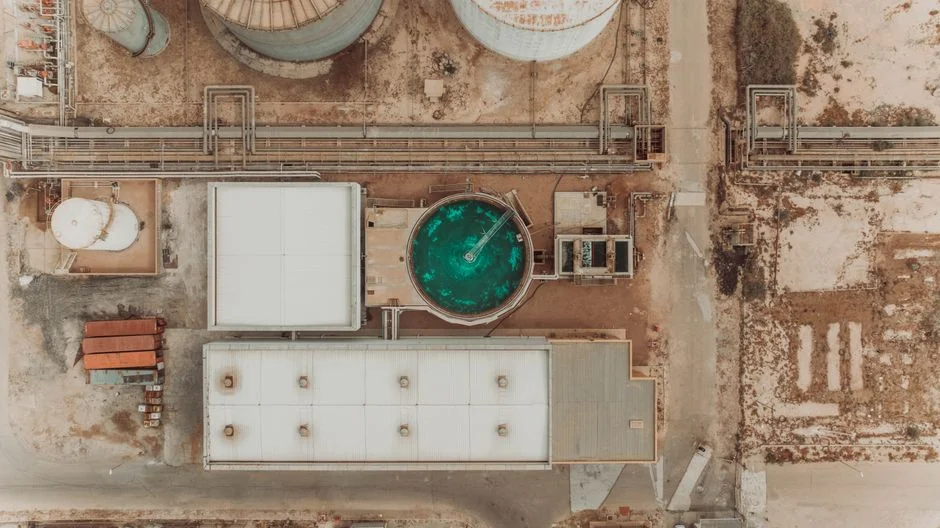
DAF, conventional activated sludge and MBR perform different roles in the same decision: DAF normally protects biology from FOG and solids, activated sludge removes biodegradable organics, and MBR adds membrane-based solids separation to the biological stage.
HydropureWater reports DAF removal of 90–98% for oils and solids in Abidjan food-processing applications. It also states that DAF is rarely a standalone solution for COD compliance. For this reason, an industrial DAF system for FOG and TSS pretreatment belongs upstream of biological treatment when the waste contains floatable oils, emulsified material, colloids or high suspended-solids loads.
HydropureWater reports conventional activated sludge COD removal of 70–85%. The same source associates it with a larger footprint and a need for additional tertiary filtration to meet the cited TSS standard of 2 mg/L or less. Conventional activated sludge remains relevant where land is available, the load is suitable and the discharge route does not justify membrane separation; however, its quotation must include clarification, tertiary filtration, sludge removal and the resulting footprint.
For MBR, HydropureWater reports COD removal of 92–97%, 99% TSS reduction and a footprint 60% smaller than conventional plants. These are source-reported screening values, not universal performance guarantees. The integrated MBR wastewater treatment system may be considered where solids separation, compactness or reuse quality justify the additional operating demands. The MBR membrane bioreactor module must be selected against the confirmed membrane configuration, design flow and fouling controls.
The Abidjan cosmetics installation used induced-air flotation rather than conventional pressurized DAF. SIGMADAF states that its system introduces microbubbles without prior dissolution of pressurized air and does not require compressors, pumps or pressure tanks to supply air to the effluent. That is a specific flotation design, not evidence that all induced-air or DAF systems have identical utilities or performance.
| Decision point | DAF or induced-air flotation | Conventional activated sludge | MBR |
|---|---|---|---|
| Primary role | FOG, suspended-solids and colloid pretreatment | Biological removal of biodegradable organics | Biological removal combined with membrane separation |
| Source-reported COD removal | Not presented as a standalone COD-compliance solution | 70–85% | 92–97% |
| Source-reported solids performance | 90–98% removal of oils and solids in food-processing applications | Additional tertiary filtration may be needed for the cited TSS limit | 99% TSS reduction |
| Footprint | Must be evaluated with equalization and sludge handling | Larger footprint | 60% smaller than conventional plants, according to the source |
| Key procurement checks | Chemical demand, float and settled sludge removal, hydraulic loading | Aeration, secondary clarification, tertiary filtration and operator staffing | Membrane cleaning and replacement, aeration, fouling control and redundancy |
Compare chemical dosing, electrical demand, membrane cleaning, operator attention and sludge handling before ranking bids. Purchase price alone omits the costs most likely to interrupt operation.
Sector decisions: food, textile and petrochemical plants
Food-processing plants should begin with FOG and TSS removal because HydropureWater reports COD of 3,000–10,000 mg/L and significant FOG. DAF is positioned as pretreatment, not the final compliance step. The DAF selection checklist for FOG and TSS should be applied against matched waste data, including emulsification characteristics and fluctuation through the operating day.
Textile plants require equalization, pH adjustment, chemical dosing and a treatment method selected around dyes, chromium and copper. HydropureWater reports a textile pH range of 9–12, which prevents direct biological treatment without control. The final process should therefore address both hydraulic and chemical variation rather than relying on neutralization alone.
Petrochemical plants must separate emulsified oils and assess VOCs before biology. The 500–3,000 mg/L emulsified-oil range reported by HydropureWater makes a robust physical-chemical stage necessary. The comparison of DAF, CPI and API oil-removal options is useful for defining the functional comparison, but selected equipment still needs site-specific performance evidence.
The same COD value can represent different treatment problems. Biodegradability, FOG, pH, toxicity, suspended solids and salinity can change the process response even when the laboratory COD result is identical. Sector-specific analysis is therefore necessary before selecting DAF capacity, biological loading or membrane area.
For Abidjan buyers, the practical rule is straightforward: if FOG and solids threaten the biological stage, establish pretreatment first; if the load is predominantly biodegradable and land is available, assess activated sludge; if compact equipment, integrated solids separation or reuse quality supports the case, assess MBR. Final compliance still depends on the permitted outlet specification.
Budget, footprint and operating-risk comparison
HydropureWater reports MBR capital expenditure from $80,000 for a 50 m³/day plant to more than $2,000,000 for installations of 1,000 m³/day or more. These are indicative commercial benchmarks, not quotations for an Abidjan site, and they must be separated from the scope and unit rate in a supplier’s offer.
The same source reports MBR energy costs of $0.05–$0.20 per m³, MBR chemical costs of $0.05–$0.50 per m³ and DAF chemical costs of $0.10–$0.30 per m³. It also reports regional sludge-disposal costs of $50–$100 per ton. These figures identify relevant cost categories, but local tariffs, chemical consumption, sludge moisture content and disposal contracts must be confirmed before a budget is approved.
HydropureWater gives an illustrative screening calculation for a plant discharging 200 m³/day: potential annual non-compliance fees could reach $146,000 under the stated fee assumptions. This is not a confirmed fee assessment. The current Abidjan fee schedule, permitted flow, compliance calculation method and any exemptions must be checked before using the result in an investment case.
| Cost or risk item | How a buyer should assess it | Input required before approval |
|---|---|---|
| Installed capital cost | Compare complete treatment trains rather than standalone equipment prices | Tankage, membranes, aeration, controls, chemical systems, civil works and installation boundary |
| Energy and chemicals | Separate biological aeration, membrane cleaning, pH adjustment and coagulation demand | Local tariffs, design load, chemical dosing trials and operating hours |
| Membrane life | Test the assumed cleaning frequency and replacement cost | Manufacturer guarantee, fouling strategy and replacement schedule |
| Sludge | Price containment, transport, treatment and disposal as separate items | Expected solids mass, moisture content and confirmed destination |
| Downtime and compliance exposure | Price redundancy and treatment interruption against the permitted discharge risk | Current permit, fee schedule, bypass restrictions and contingency plan |
| Water reuse value | Include only where the receiving process and water quality fit are confirmed | Reuse flow, quality specification, distribution and treatment requirements |
Use the plate and frame filter press and the high-efficiency lamella clarifier as candidates for solids-dewatering evaluation, not predetermined selections. A site quotation should state the basis for each solids stream and the resulting disposal cost.
A practical supplier and commissioning checklist
Each bid should start with a common influent and outlet basis. Require the supplier to state the design influent, guaranteed outlet parameters, test methods, hydraulic flow range and treatment objectives. Without these items, the quotations are not technically comparable.
Ask each supplier how the proposal handles FOG, suspended solids, pH, toxicity, peak loads, membrane fouling, aeration redundancy, sludge removal, backup power and operator training. For MBR bids, identify membrane-cleaning procedures, expected replacement assumptions, available spares and the support arrangement. For DAF bids, identify chemical dosing, float and settled sludge withdrawal, equalization requirements and the operating controls provided.
Request a clear scope boundary covering equipment, tankage, blowers, pumps, membranes, controls, chemical equipment, installation, civil works, commissioning, training, spares and maintenance support. The acceptance plan should define sampling points, test methods, operating conditions, stabilization requirements and who bears responsibility if the agreed outlet is not achieved.
Confirm every proposal against the current Abidjan discharge or sewer permit, matched influent testing and the final equipment proposal. HydropureWater cites COD of 300 mg/L or less, BOD5 of 100 mg/L or less and TSS of 2 mg/L or less, but these values must not be treated as universal without permit verification.
Include sludge containment and handling in the acceptance plan. Both floated and settled sludge require a defined destination, and the selected dewatering method must be reconciled with expected sludge characteristics before startup.
Frequently Asked Questions
What does an MBR treatment plant cost for high-COD wastewater in Abidjan?
HydropureWater’s indicative MBR capital cost begins at $80,000 for a 50 m³/day plant and can exceed $2,000,000 at 1,000 m³/day or more. A project price requires matched influent COD and BOD5, flow, FOG, pH, toxicity, outlet targets and a defined equipment scope.
How should suppliers be selected for a DAF and MBR treatment train?
Compare bids against the same influent basis, outlet targets, test methods, hydraulic range, included accessories and operating assumptions. Also request commissioning acceptance tests, membrane replacement assumptions, maintenance support and a defined sludge route.
What information is required before sizing DAF, activated sludge or MBR capacity?
Establish average and peak flow, matched COD and BOD5, FOG, pH, toxicity and operating variability. These inputs determine whether flotation, biological treatment, membrane separation or additional polishing is required and prevent capacity from being selected from COD alone.
Are COD of 300 mg/L, BOD5 of 100 mg/L and TSS of 2 mg/L the current discharge requirements?
Those are the cited values in HydropureWater’s Abidjan guide, but they require confirmation against the current site-specific permit or sewer authorization. The applicable limit depends on the receiving route and current regulatory conditions; it should not be accepted automatically.
Does DAF alone provide sufficient COD removal for industrial effluent?
Usually not. DAF or induced-air flotation is generally pretreatment for FOG, suspended solids and colloids. Biological treatment is then needed to remove biodegradable COD, with final polishing determined by the confirmed discharge requirements.
Related Equipment
- industrial DAF system for FOG and TSS pretreatment — specifications, capacity range, and technical data