What treatment route applies to a Dublin trade stream?
Dublin manufacturers should first separate true industrial effluent from commercial wastewater, sewage and other waste streams, because each requires a different authorisation and treatment route. Confirm with the relevant local authority whether discharge to sewer is permitted and whether the receiving sewer accepts the proposed flow, pollutant profile and treatment performance; otherwise, evaluate an authorised off-site waste route. ECOS reports that a BOD/COD ratio above 0.3 generally indicates highly biodegradable pollutants, while a low ratio may require physical separation, chemical oxidation or filtration. Ireland’s EPA reported in 2025 that 58% of wastewater was treated at plants designed for secondary treatment, 40.6% at plants with secondary treatment and nutrient removal, 1% at primary-treatment plants and 0.4% was discharged without treatment. Those national figures describe the receiving system, not permission to discharge a particular trade stream.
The distinction matters because a sewer discharge is tied to a receiving point and its conditions, while off-site treatment moves the waste to an authorised facility. Neither route can be selected from COD alone. The high-COD trade-waste treatment workflow and European high-COD trade-waste treatment approaches provide useful process comparisons, but Dublin’s legal route and receiving-sewer requirements remain controlling.
Characterise the wastewater before sizing a treatment train
COD alone cannot establish whether biological treatment is viable because COD measures oxidisable material chemically, while BOD measures the biodegradable oxygen demand that supports an aerobic process. ECOS reports that COD testing can typically be completed within two to three hours, whereas BOD5 requires five days of incubation at 20°C. The delay supports a more defensible biodegradability assessment rather than treating every high-COD stream as conventional sewage.
Request a representative analytical dataset before equipment sizing. Samples should cover production, cleaning, batch discharge and shutdown periods rather than one clean-water sample. The dataset must connect each variable to a design decision instead of producing a long list without an engineering response.
| Measured characteristic | What it changes | Procurement question |
|---|---|---|
| Flow and diurnal variation | Equalisation, pumping and reactor loading | What are the average, peak and discharge-duration flows? |
| COD and BOD5 | Organic load and biological treatability | What are the paired results and the BOD/COD ratio? |
| Suspended solids and colloids | Need for solids removal before biological treatment | Which solids must be removed, and at what stage? |
| Oil and grease | DAF, clarification and biological-feed protection | Is free oil, emulsified oil or both present? |
| pH and temperature | Chemical dosing and biological operating conditions | What correction and temperature control are required? |
| Metals and process-specific contaminants | Precipitation, toxicity and residual-waste controls | Which constituents could inhibit biology or affect sludge disposal? |
The fabricated-metals wastewater pretreatment considerations reinforce the need to identify process contaminants before selecting equipment. Use COD for rapid process control and BOD to assess biodegradable demand, but use flow, solids, oil and grease, pH, temperature, metals and toxicity information to determine the complete treatment train.
Build the process from headworks to biological COD reduction
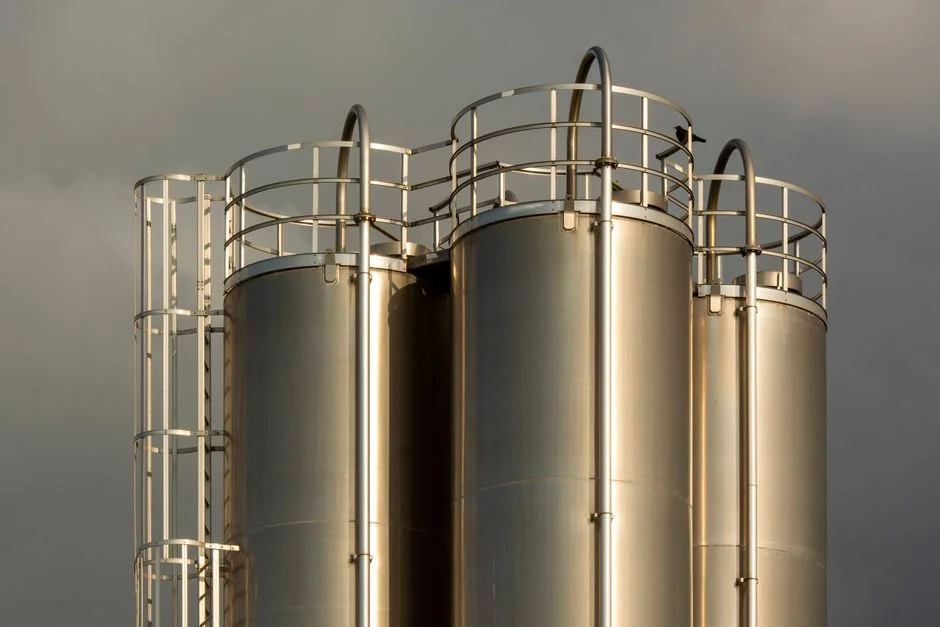
A defensible treatment sequence starts with screening and equalisation because stable flow protects downstream pumps and biological organisms from shock loading. Screen out rags, plastics and debris, then equalise flow and pollutant load before selecting solids-removal equipment. Mechanical bar screening for industrial wastewater addresses the first physical exclusion step; equalisation must address variability rather than merely provide storage.
- Screen and equalise: remove gross debris and buffer hydraulic and organic variations.
- Remove floatables and suspended material: use physical pretreatment where suspended solids, colloids, oil and grease could foul equipment or overload the biological stage.
- Correct chemistry and nutrients: adjust pH and balance nutrients where the biological process requires it. Automatic chemical dosing for wastewater pretreatment should be specified around required chemicals, dosing range, control logic and containment.
- Reduce biodegradable COD biologically: select the reactor from validated organic load, hydraulic retention time, temperature, biomass retention and available footprint.
- Separate and manage solids: provide a defined route for sludge, floatables and chemical residues.
Industrial DAF wastewater pretreatment is suited to streams containing suspended solids, FOG, oil and grease and colloidal material. It protects the downstream stage, but captured organics remain in the sludge stream. Where clarification is also required, the high-efficiency sedimentation tank provides a solids-separation option, while the plate-frame filter press for industrial sludge dewatering addresses the resulting dewatering requirement.
For biological selection, a lab-scale MBBR study by Juniper Publishers tested influent COD of 1,000–3,500 mg/L. It reported more than 80% COD removal at an eight-hour hydraulic retention time and approximately 86% at 12 hours; the authors selected eight hours because the additional removal at 12 hours was slight relative to the longer treatment time. Temperature also mattered: COD removal rose from approximately 72% at 20°C to approximately 92% at 25°C in that study. These are laboratory results, not guaranteed performance for a Dublin installation.
Electrocoagulation is another candidate where chemical precipitation and electro-generated coagulant suit the waste profile. MDPI’s study examined mineral-processing wastewater with initial COD of 424.29 mg/L from a Pb/Zn sulfide flotation plant. That scope cannot be transferred automatically to food, pharmaceutical, metal-finishing or other Dublin manufacturing streams. Any pretreatment that transfers COD from the liquid into separated solids must include a destination and treatment plan for that material.
Choose DAF, biological treatment or a combined process
DAF is principally a solids and floatables-removal step, while biological treatment addresses biodegradable COD; the correct choice follows from the waste profile and permit condition. Use DAF where suspended solids, FOG or colloids create loading, fouling or separation problems. Use biological treatment where the BOD/COD ratio and toxicity assessment support it. Use both when physical contaminants would otherwise compromise the biological stage.
| Route | Primary objective | Best-supported application | Key risk |
|---|---|---|---|
| DAF | Remove suspended solids, floatables, FOG and associated colloids | Physical pretreatment ahead of biological treatment | Being mistaken for a stand-alone COD-reduction stage; captured solids require disposal |
| Biological treatment | Reduce biodegradable organic load | Waste with supportive BOD/COD ratio and no unacceptable biological inhibition | Laboratory removal rates do not establish full-scale performance |
| DAF plus biological treatment | Protect and feed a more consistent biological stage | Streams containing solids, FOG and biodegradable COD | More equipment, controls and sludge streams to manage |
| Electrocoagulation | Generate coagulant for separation and precipitation | Waste-specific streams where chemistry and solids removal are compatible | Performance and residue management cannot be extrapolated from another industry |
| Advanced oxidation or specialist separation | Address residual or poorly biodegradable contamination | Low biodegradability, toxicity or a specific quality requirement identified during characterisation | Greater chemical, energy and residual-management complexity |
Specify each stage by the parameter it is intended to control: TSS and FOG for physical pretreatment, COD and BOD for biological reduction, then final effluent against the permitted requirement. If additional solids separation or reuse quality is required, compare the integrated membrane bioreactor treatment option with conventional solids separation using flow, footprint, sludge production, maintenance and control requirements. Selecting a DAF system for FOG and TSS provides a more focused comparison framework for the physical stage.
Validate performance with a Dublin pilot and compliance plan
A pilot should test the intended chemistry, hydraulic retention time and operating temperature using a representative side stream before equipment capacity is confirmed. Track COD reduction, BOD, TSS, FOG, pH and site-specific pollutants through startup and steady-state operation. If biological performance does not match expectations, revisit the BOD/COD ratio, temperature, pH, nutrients, toxicity and feed variability before increasing reactor size.
Milestone acceptance should cover the wastewater characterisation, proposed duty, treatment train, controls, chemical handling, monitoring, sludge route and final discharge or collection route. For sewer discharge, the relevant local authority must confirm acceptance of the proposed flow, pollutant profile and treatment performance. For off-site treatment, confirm waste classification and collection requirements. Qualified Irish environmental professionals should verify the applicable permit conditions, monitoring frequency and commissioning criteria; ECOS advises using a qualified environmental professional for authorisation and treatment-system decisions.
Develop the sludge-disposal plan with the liquid process rather than after commissioning. Include the industrial sludge dewatering equipment route, chemical residues, destination and operating responsibilities. The broader high-BOD, high-FOG and brine decision is covered in ZLD versus high-recovery reverse osmosis for high-BOD and FOG wastewater, but a Dublin trade stream should not be assigned a disposal route without its waste characterisation and permit status.
Frequently Asked Questions
Should treatment technology be selected from COD alone?
No. COD establishes the oxidisable load but not how much is biodegradable. Request paired COD and BOD5 results, flow variation, solids, FOG, pH, temperature, metals and toxicity information, then match the evidence to the permitted route.
What drives the cost of a high-COD treatment system?
The main cost drivers are flow, COD load, pretreatment, reactor capacity, chemical use, sludge handling, controls and monitoring. Request a supplier quotation based on the confirmed wastewater profile, required final quality, utility demands and sludge destination.
Which supplier experience and contract terms should a buyer check?
Ask for relevant industrial references, guaranteed duty parameters, control integration, chemical and sludge design, commissioning evidence, local support and contractual acceptance tests. Require the supplier to demonstrate that proposed removals apply to the stated feed and final-effluent conditions.
When is a preliminary equipment size safe to use?
Treat it as preliminary until flow profile, COD variation, temperature, FOG, metals, pH and discharge criteria are confirmed. Run representative pilot work and document the accepted operating envelope before final sizing, including how DAF and clarifier selection under changing wastewater conditions affects the chosen process.
Related Equipment
- industrial DAF wastewater pretreatment — specifications, capacity range, and technical data