Characterize the trade waste before choosing equipment
Tehran manufacturers generally treat high-COD trade waste in stages: characterize the waste, remove oil, FOG and suspended solids, reduce biodegradable COD biologically, then polish or reuse the effluent as required. For surface-water discharge, HydropureWater's 2026 guide lists BOD5 at 30 mg/L, COD at 60 mg/L and TSS at 40 mg/L, with momentary caps of 50, 100 and 60 mg/L. A documented Tehran MBR case reduced COD from 1,200 mg/L to 30 mg/L. Actual equipment selection must follow wastewater tests and the permit; dilution is not accepted.
COD concentration alone does not define the treatment problem. Request a time-composited dataset covering average and peak flow; COD and BOD5; TSS; FOG or oil and grease; pH; temperature; conductivity or TDS; nutrients; metals; and contaminants specific to the factory’s sector. The sampling plan should represent production cycles, cleaning operations and batch discharges rather than one convenient grab sample.
Use COD mass loading as the primary design relationship:
COD mass load = flow × COD concentration
The engineer must place flow and concentration on the same time basis. A daily flow multiplied by a concentration from a short production peak can overstate the daily load; a monthly average can understate the biological shock. Calculate average and peak loading separately, then identify the duration and frequency of each load.
The BOD5-to-COD relationship provides the biodegradability index and indicates how much oxygen demand may be biologically removable. Check for inhibition from solvents, salinity, extreme pH, metals or temperature before assigning biological capacity. Mesdaghinia et al., in Journal of Environmental Health Science & Engineering (2015), reported that Tehran municipal wastewater remained highly degradable but its biodegradability index had fallen by as much as 15% over preceding decades.
Keep this historical municipal dataset in perspective. Mesdaghinia et al. (2015), using monthly reports from nine Tehran plants over 2007–2013, reported mean influent COD of 259.60 mg/L and mean effluent COD of 23.95 mg/L. These are municipal observations, not a 2026 trade-waste benchmark. Segregate streams where batching, cleaning chemicals or accidental discharges could shock biology or contaminate reusable effluent.
| Design input | What the buyer must establish | Why it changes the train |
|---|---|---|
| Average and peak flow | Consistent flow basis and production schedule | Sets hydraulic and biological capacity |
| COD and BOD5 | Average, peak and time-composited concentrations | Defines organic mass load and removable fraction |
| TSS and FOG | Separate oil, grease and solids fractions | Determines whether DAF or settling is required |
| pH, temperature and TDS | Operating range and inhibition indicators | Controls biological and membrane suitability |
| Metals and sector contaminants | Species, concentration and permit limits | May require dosing, precipitation or a dedicated polishing step |
| Discharge or reuse route | Current permit and reuse specification | Determines the required final quality |
Where the waste profile remains uncertain, use an automatic chemical-dosing system for controlled pH or coagulation trials, but do not use dosing to conceal an incomplete characterization.
Build a pretreatment barrier for oil, solids and non-biodegradable loads
DAF belongs at the front of the train when free oil, FOG or light solids can foul biology or membranes. HydropureWater’s Tehran industrial-wastewater guide (2026) identifies DAF as the upstream oil and solids barrier for food-processing and petrochemical streams. This is a process-role statement, not a substitute for site testing: the required surface loading and chemical demand must be derived from the characterized wastewater.
The same 2026 guide reports DAF removal bands of 92–97% for TSS and 90–98% for FOG in its Tehran comparison table. Treat these as reported screening bands, not guaranteed project outcomes. In its food-processing example, DAF installation reduced influent TSS from 350 mg/L to 35 mg/L and FOG from 120 mg/L to below 10 mg/L. Those results are useful for recognizing the contaminants that DAF can address; they are not transferable performance guarantees for another factory.
Use the industrial DAF system for FOG and suspended solids where skimmable oil and particulate separation are required. Before selecting it, confirm the waste characteristics that affect flotation: oil form and emulsification, solids distribution, pH, temperature and coagulant compatibility. A DAF selection checklist for FOG and TSS helps separate a defensible application from a generic equipment quote.
Chemical dosing has a different job. PLC-controlled dosing can correct pH, support coagulation and flocculation, precipitate metals, or condition solids before biology. It should protect the biological stage rather than substitute for biological treatment. Solids from dosing remain a treatment stream and must enter the plant’s sludge-handling and disposal plan.
| Contaminant or condition | Primary pretreatment decision | Design evidence required |
|---|---|---|
| Free oil and FOG | DAF before biological treatment | Oil and grease test, emulsification behavior and skimmable fraction |
| Light suspended solids | DAF or solids removal, depending on settleability | TSS and solids characterization |
| Metals | pH correction, precipitation and sludge separation | Metal species, concentrations and permit limits |
| Extreme pH | Controlled chemical dosing | Continuous pH range and dose-response data |
| Shock load or cleaning discharge | Equalization, segregation or batch control | Operating schedule and accidental-discharge controls |
The Kermanshah case demonstrates that effective treatment can reduce solids substantially: Environmental Systems Research (2019) reported TSS decreasing from 110–140 mg/L in raw sewage to 20–25 mg/L after treatment. That study concerned a municipal plant and seasonal river samples, so its performance cannot be transferred directly to an industrial project.
Do not dilute raw or treated sewage to meet limits. HydropureWater’s 2026 guide states explicitly that dilution is not acceptable. The relevant question is therefore not whether dilution can make a sample pass; it is whether the treatment train removes the pollutants at the flow and concentration they will actually occur.
Select biological treatment for the high-COD load
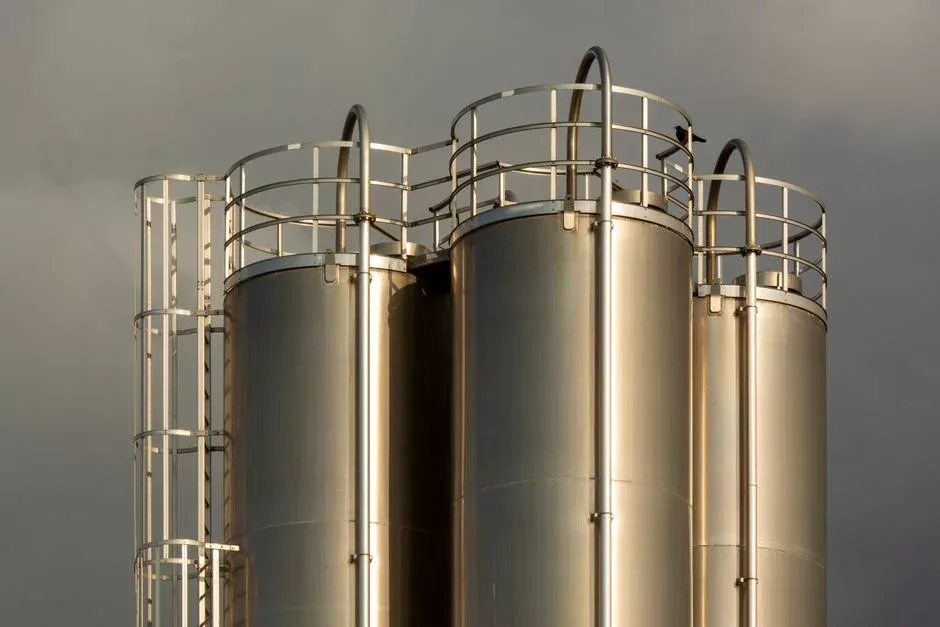
Biological capacity must be sized from COD and BOD5 mass loading, hydraulic flow, biodegradability, temperature, nutrient balance and shock-load frequency. COD concentration alone does not determine reactor or membrane capacity. The biological stage also needs enough oxygen, mixing, retention time and solids control to sustain the organisms that remove the biodegradable load.
HydropureWater’s published 200 m³/day Tehran pharmaceutical MBR case reduced COD from 1,200 mg/L to 30 mg/L. The final effluent was below the guide’s 60 mg/L surface-water COD limit and 100 mg/L momentary cap. This documented project demonstrates a feasible treatment result, but it is not a blanket design guarantee for other wastes or operating conditions.
The 2026 guide reports a 90–99% COD-removal band for MBR and a footprint of 10–20 m² per 100 m³/day. Use those figures for initial screening, then require a supplier to explain membrane area, flux, aeration, sludge inventory and peak-load provisions. A compact MBR membrane bioreactor can provide low-solids effluent in a constrained footprint, but it also requires aeration, membrane maintenance and reliable upstream solids removal.
SBR is a credible alternative when cycling flexibility and an underground installation are more important than the lowest membrane footprint. ClearFox’s documented Tajrish Hospital project in Tehran used an underground SBR for 550 m³/day because available space was limited. The project demonstrates the spatial application of SBR, but it is a hospital wastewater case rather than a universal trade-waste performance benchmark.
For lower-flow or lightly industrialized sites, compare the WSZ anoxic-aerobic contact-oxidation package with MBR using the same mass-loading, reuse and operating criteria. A compact package is not a reason to send untreated solvent-bearing industrial waste into a domestic-style biological process. Segment domestic and trade streams before deciding how they can be combined.
| Biological option | Where it fits | Main design trade-off |
|---|---|---|
| MBR | Space-constrained sites requiring low-solids effluent | More mechanical complexity, aeration demand and membrane maintenance |
| SBR | Variable flows and sites requiring underground installation | Cycle timing, settling and control must suit the load pattern |
| WSZ anoxic-aerobic contact oxidation | Lower-flow or lightly industrialized duties with a smaller-footprint requirement | Must be checked against the actual COD load, biodegradability and pretreatment |
For Tehran, include the winter biological case in sizing. The 2026 guide notes that temperature swings affect biological rates and advises sizing aeration and sludge age for the colder condition rather than relying only on summer performance. Also check whether nutrients, pH correction or trace contaminants are needed before the organisms can sustain the specified removal.
The high-COD trade-waste treatment workflow provides a useful process sequence, but its Pune examples should not be used as Tehran sizing data. Tehran procurement should require the local permit, current wastewater tests and a design that addresses the factory’s actual stream composition.
Polish the effluent and plan for Tehran water reuse
The final treatment step depends on the receiving route and intended use. HydropureWater’s 2026 guide gives different limits for surface water, absorption wells and agricultural irrigation. Confirm the route and current permit before specifying UF, RO, disinfection or distribution equipment; otherwise the plant may be designed around an irrelevant quality target.
For surface-water design, the 2026 guide lists COD at 60 mg/L, BOD5 at 30 mg/L and TSS at 40 mg/L, with momentary caps of 100, 50 and 60 mg/L respectively. It also lists oil and fat at 10 mg/L and phenol at 1 mg/L. These are design inputs for that stated route, not a replacement for the site’s current permit.
Where reuse quality or salinity reduction is required, assess UF or RO after biological treatment. The 2026 study Optimizing decentralized wastewater allocation to urban green spaces in the water scarce megacity of Tehran, published in Discover Environment, reports that high TDS can require reverse osmosis before reuse or before protection of the biology. For a high-TDS petrochemical stream, the defensible sequence is therefore DAF for oil and solids, biological treatment where the biology can tolerate the stream, and RO where final salinity control is necessary.
Reuse is both a compliance decision and a resource decision. The 2026 Discover Environment study reports a Tehran withdrawal-to-availability ratio above 80%, treatment-plant construction at 63% by the end of May 2025, and a 2031 target of 145 MCM of treated wastewater delivered annually to the municipality. These figures describe Tehran’s water context and planning framework; they do not guarantee that a factory’s treated effluent can be connected to the municipal reuse network.
Separate plant treatment cost from delivered reuse cost. The same 2026 study found transport to be the binding economic constraint in its centralized comparison and calculated transport as 53% of centralized operating cost. A local reuse loop may therefore be more practical than assuming access to a citywide distribution network. When evaluating the reverse-osmosis system for salinity control, include concentrate handling and recovery; RO performance cannot be separated from its reject stream.
Where lower-pressure solids separation is required before RO or reuse, compare an ultrafiltration system for final solids separation with the biological effluent specification. The required UF train depends on membrane feed quality, target solids, recovery, cleaning chemistry and reuse-water end use.
Compare equipment options against procurement and compliance risk
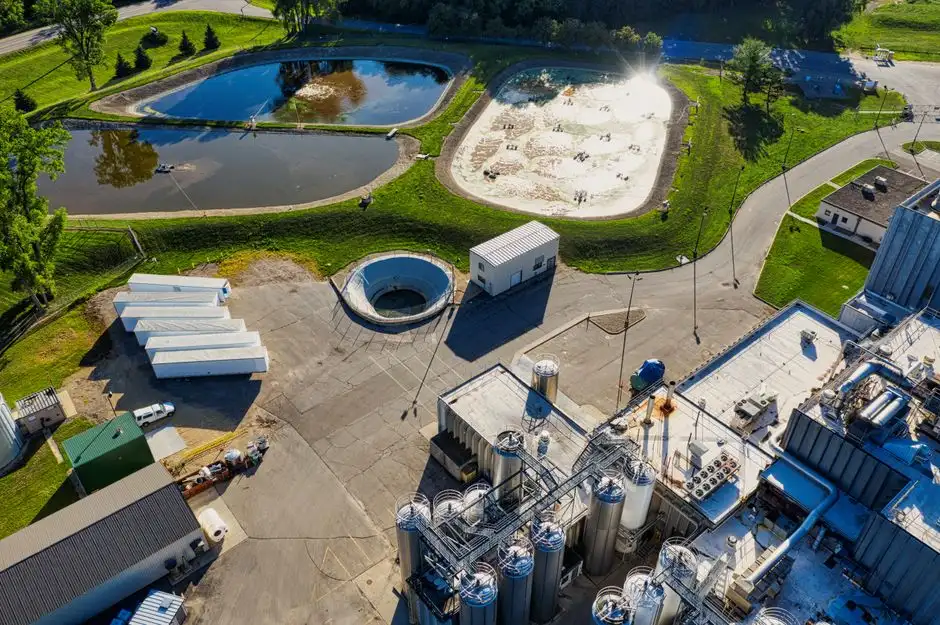
A complete treatment train is safer to procure than a single unit selected by COD alone. DAF, dosing, biological treatment, UF and RO each remove or control different contaminants, and each creates a distinct operating obligation. The supplier’s proposal should identify the discharge route, design flow, average and peak loads, pretreatment requirements, sludge or concentrate handling, commissioning tests and permit basis.
For a food or FOG-heavy stream, the usual sequence is DAF followed by biological treatment. For metal finishing, chemical dosing and sludge dewatering may matter more than COD removal. In the 2026 guide’s pharmaceutical MBR example, footprint is 10–20 m² per 100 m³/day and energy use is 1.5–2.5 kWh/m³. Aeration energy must therefore appear in OPEX. The same guide reports chemical-dosing sludge generation of 1.0–3.0 kg DS/m³, making sludge handling and a plate-and-frame filter press for chemical sludge part of the complete budget rather than an accessory.
| Equipment | Primary role | Reuse suitability | Main operating risk |
|---|---|---|---|
| DAF | FOG, free oil and suspended-solids removal | Supports downstream biological or membrane treatment | Carryover and unstable flotation without suitable conditioning |
| Chemical dosing | pH correction, metals precipitation and solids conditioning | Protects downstream units when properly controlled | Sludge generation, chemical use and overdosing |
| MBR | Biological COD and BOD reduction with solids retention | Produces low-solids effluent suitable for further polishing | Membrane fouling, aeration demand and cleaning |
| SBR or WSZ | Biological treatment with cyclic or packaged operation | Potential for reuse when the final quality is verified | Under-sizing of hydraulic or organic load |
| UF | Final solids separation | Supports higher-quality reuse or pretreatment to RO | Feed quality, membrane cleaning and recovery |
| RO | Desalination and final contaminant separation | Produces water for defined high-quality reuse routes | Energy demand, scaling and concentrate disposal |
Treat the guide’s capital and operating figures as historical budget brackets that require repricing. The 2026 Tehran guide places a 100 m³/day DAF at 8.5–12.5 billion IRR, MBR at 18.5–29.0 billion IRR and chemical dosing at 3.8–7.0 billion IRR. It explicitly notes that steel, membrane and power costs should be requoted; the quotation should also identify civil work, installation, controls, chemicals, sludge treatment, commissioning and local support separately.
Require documented peak-load treatment, membrane or DAF sizing margins, current permit references, commissioning criteria, operator training and local spare-parts support. A supplier that offers only an inlet COD figure and a guaranteed outlet number has not shown how the complete train handles FOG, solids, toxicity, salinity or seasonal loading.
Verify performance before discharge or reuse
Compliance is demonstrated at the final effluent, immediately after the last treatment unit, not at the inlet to the biological stage. Measure flow and concentration at that point. A compliant biology result cannot offset failed DAF carryover, untreated metals, salinity that prevents reuse or a grab sample above the applicable momentary cap.
HydropureWater’s 2026 guide describes compliance sampling as a 24-hour composite assembled from grabs at intervals up to four hours, with reporting frequency determined by flow and load. It references COD testing by APHA 5220 and TSS by gravimetry. Have the permit confirm the required analytical methods, sampling point, frequency and responsible laboratory before procurement.
Before acceptance, verify hydraulic capacity at average and peak flows, COD removal, TSS carryover, FOG removal where applicable, pH, disinfection needs and final reuse-water quality. Where the treatment train produces chemical sludge or membrane reject, test those streams and confirm the disposal route.
Re-test after operational changes, chemical substitutions, seasonal temperature shifts, production changes or new discharge streams. A single laboratory result establishes only the condition of that sample. If chlorine dioxide is included for disinfection, verify its generation, dosing and monitoring arrangement through the chlorine-dioxide-generator package, while confirming the permit’s own disinfection requirement.
Frequently Asked Questions
How much does a high-COD wastewater treatment system cost in Tehran?
HydropureWater’s 2026 guide gives indicative CAPEX brackets for a 100 m³/day plant: 8.5–12.5 billion IRR for DAF, 3.8–7.0 billion IRR for chemical dosing, and 18.5–29.0 billion IRR for MBR. Request itemized quotations that reprice steel, membranes, power, civil work, controls, installation and sludge handling rather than treating these historical brackets as current offers.
Should a Tehran factory choose DAF or MBR for high-COD wastewater?
DAF is generally the upstream choice for FOG, free oil and suspended solids, while MBR is the biological and solids-retention stage. A combined DAF–MBR train is appropriate when both characteristics are present. Select from the wastewater tests, discharge route and peak COD mass load, not from COD concentration alone.
What flow and COD data are needed to size the system?
Request average and peak flow, COD, BOD5, TSS, FOG, pH, temperature, conductivity or TDS, discharge route and operating schedule. Calculate COD mass load from flow and concentration on a consistent time basis, then assess biodegradability and biological inhibition before sizing tanks or membranes.
Can a factory dilute wastewater to meet Tehran discharge limits?
No. HydropureWater’s 2026 guide explicitly states that dilution of raw or treated sewage is not acceptable. Base compliance on removal at the authorized flow, concentration and sampling point, and verify the final effluent under the current permit.
What should a wastewater-equipment supplier demonstrate in Tehran?
Require a permit-aligned design basis, documented pilot or comparable performance, local commissioning and service capability, spare-parts availability, membrane or DAF maintenance support, and a compliance test plan. Also ask for the treatment train’s mass-loading calculations, peak-load provisions and documented sludge or concentrate disposal route.
Related Equipment
- industrial DAF system for FOG and suspended solids — specifications, capacity range, and technical data