Start with the permit and characterize the actual effluent
Textile and dyeing plants near Auburn generally meet pretreatment limits by reducing pollutant loads at the source, segregating incompatible streams, equalizing variable flows, and treating the combined effluent before it enters the municipal sewer. Auburn’s ordinance requires categorical pretreatment standards, applicable local limits, monitoring, and notice of substantial changes; it also prohibits wastewater that interferes with the municipal treatment plant. The correct treatment train depends on the plant’s Auburn permit, verified wastewater characteristics, and applicable local discharge limits—not historical textile-industry averages.
Begin by obtaining the Auburn sewer permit, industrial-user approval, applicable local discharge limits, and any federal categorical pretreatment standards. Auburn defines categorical pretreatment standards and local limits separately and requires an industrial user to comply with both. The permit and supporting sewer program establish which pollutants, concentrations, monitoring points, sampling methods, and reporting conditions control the discharge.
Then map the plant. EPA’s In-Plant Control of Pollution: Upgrading Textile Operations to Reduce Pollution (October 1974) recommends mapping major sewer lines, process, sanitary, and storm-water sources, discharge points, and cross-connections. Dye tracing can identify how known sources move through the system. Process-sewer flow should be measured rather than inferred from sanitary or storm-water estimates because process flow determines equalization and treatment capacity.
Build a representative sampling program around production schedules, batch dumps, cleanup cycles, and changing dye recipes. Analyze pH, color, BOD or COD, total suspended solids, oil and grease, metals, and process-specific chemicals. The analytical schedule should follow the permit criteria and manufacturing chemicals, as directed in EPA’s 1974 publication. That source provides historical characterization evidence, not current limits: its wool wet-process examples report dyeing pH of 4.8–8.0, dyeing BOD of 380–2,200 ppm, and dyeing total solids of 3,855–8,315 ppm. It does not replace current site data.
| Document or data set | What it establishes | Decision supported |
|---|---|---|
| Auburn industrial-user permit and sewer ordinance | Binding discharge limits, prohibitions, monitoring, notification, and local-program conditions | Treatment objectives and proof-of-compliance scope |
| Federal categorical pretreatment standards, where applicable | Pollutant-specific pretreatment requirements for the covered industrial category | Baseline regulatory controls |
| Current site characterization | Measured flow and wastewater quality across representative operations | Unit-process selection and equipment sizing |
| Production and chemical records | Batch recipes, dye classes, fibers, flow variation, cleanup operations, and credible upsets | Worst-case design and operating controls |
Record the production schedule, batch chemistry, fiber types, dye classes, chemicals used, and known upset conditions. Treat these records as design inputs and municipal wastewater monitoring practices that can improve operating decisions. The high-COD industrial wastewater treatment guide reminds users that organic loading must be evaluated in context rather than reduced to a generic treatment recipe.
Build a pretreatment train that protects the municipal sewer
Auburn’s sewer ordinance prohibits wastewater that interferes with the municipal treatment process and sets a maximum introduction temperature of 40°C (104°F). Establishing the order of unit operations requires balancing permit requirements with process-control needs.
- Control at the source. Reduce water use, recover or segregate high-strength streams, and prevent concentrated dye, salt, acid, alkali, and chemical spills from entering the process sewer. Segregation also protects downstream biological treatment from occasional incompatible discharges.
- Equalize the wastewater. Blend flow, concentration, pH, and temperature before biological or advanced treatment. Equalization should cover documented production variation and credible cleanup or upset conditions.
- Adjust pH. Use a PLC-controlled chemical dosing system where continuous control is required. Select acid, base, and dosing rates through jar or pilot testing and the permit’s pH criterion.
- Remove floatable and suspended material. Consider dissolved air flotation when suspended solids, oil and grease, or colloidal material must be removed. A textile-wastewater DAF pretreatment system is an option for this stage, but chemical demand and sludge characteristics require verification.
- Treat biodegradable organic load. Apply biological treatment only after toxicity, salinity, color, pH, and temperature are controlled and the wastewater is compatible with the biological process.
- Add a polishing step when required. Evaluate oxidation, adsorption, or membrane separation when color, recalcitrant organics, or low suspended solids require additional control. Membrane treatment should be justified by the verified effluent and permit rather than by a generic reuse objective.
Coagulant and flocculant dosages must be established through testing; there is no basis for selecting a feed rate from a generic textile formula. Biological loading similarly requires representative organic, color, salinity, temperature, and toxicity data.
Provide an alternate route, adequate equalization storage, and an upset-response plan. Auburn permits an industrial pretreatment bypass only when it does not violate the ordinance and is necessary for essential maintenance. Bypass design should therefore prevent spills, protect the receiving sewer, and direct contaminated wastewater back into controlled treatment.
| Process stage | Primary design question | Evidence required before selection |
|---|---|---|
| Source control and segregation | Which streams can be reduced, recovered, or kept separate? | Batch flows, recipes, spill risks, and sewer map |
| Equalization and pH control | Can the system buffer production variation while meeting permit conditions? | Measured flow, pH, temperature, concentration, and upset data |
| DAF or clarification | Which process removes the relevant solids, oil, and colloidal material? | Particle characteristics, oil content, jar or pilot testing, and sludge handling |
| Biological treatment | Is the wastewater biodegradable and compatible with the biological process? | BOD/COD, toxicity, salinity, color, pH, temperature, and load variation |
| Polishing | Does the permit require additional color, organic, or solids removal? | Binding limit, verified effluent, and pilot performance |
Select equipment against the pollutants—not a generic recipe
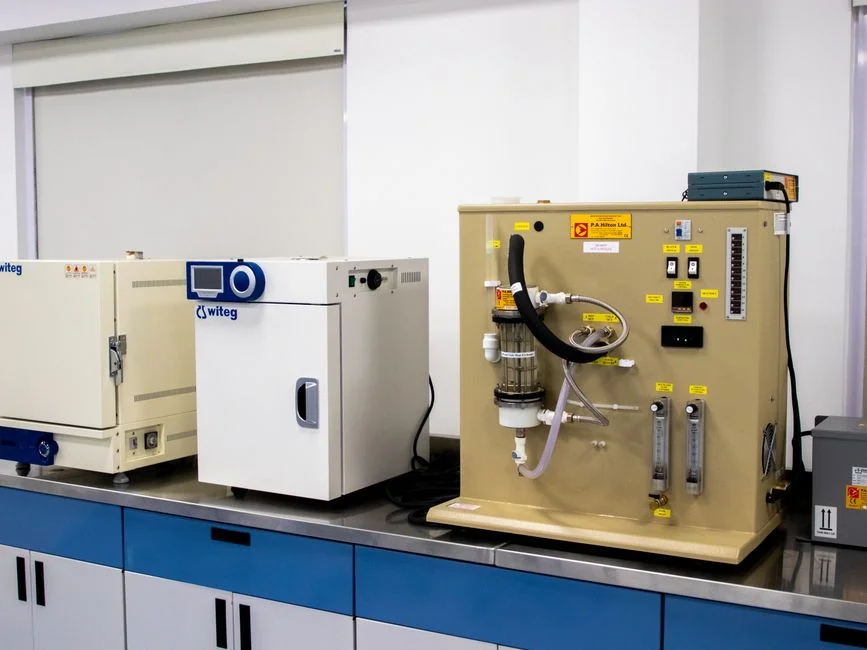
Equipment selection should begin with the binding permit limit and the pollutant that creates the compliance risk: pH, color, COD or BOD, suspended solids, oil and grease, metals, temperature, or toxicity. Hydraulic capacity alone cannot establish whether a system will comply.
For suspended solids and floatable material, compare dissolved air flotation with clarification using particle characteristics, oil content, required separation, chemical use, sludge production, footprint, and downstream disposal. The DAF selection checklist for FOG and TSS provides a structured comparison. The 2025 DAF engineering guide supports specification review, but current permit and site data remain controlling.
For color and recalcitrant organics, assess source reduction, chemical oxidation, biological treatment, adsorption, and membrane separation separately. A supplier should demonstrate performance on representative wastewater, not rely on a generic removal percentage. Any quoted performance is vendor-specific unless the influent, operating conditions, and acceptance test are defined.
Compare sludge treatment as part of the treatment train. Chemical precipitation, flotation, and biological treatment can generate sludge that requires thickening, dewatering, storage, and a disposal route. The supplier should include those requirements in the equipment comparison. The plate-and-frame filter press product range covers filtration areas from 1 m² to 500 m², but the appropriate configuration must be matched to actual sludge volume and properties.
| Procurement input | Why it controls the decision | Information to request from suppliers |
|---|---|---|
| Peak and average process flow | Defines hydraulic loading and equalization requirements | Guaranteed flow basis, operating turndown, and peak-flow performance |
| Verified pollutant profile | Determines which unit process can remove the target pollutant | Duty-specific performance data and acceptance-test protocol |
| Chemical and sludge requirements | Determines operating cost and downstream disposal needs | Consumption estimates, sludge yield, moisture characteristics, and handling requirements |
| Site constraints | Determines feasibility, footprint, and installation method | Utility requirements, dimensions, access, noise, and installation conditions |
| Control and compliance requirements | Determines instrumentation, alarms, and records | Controls narrative, fail-safe behavior, data output, and testing provisions |
Require capacity data to be matched to measured peak and average flows. The supplied equipment catalog lists dissolved air flotation capacities from 4–300 m³/h and MBR capacities from 10–2,000 m³/day; these are selection bounds, not proof that a unit is adequate for a particular Auburn permit or effluent.
Monitor compliance and document operating decisions
Auburn’s ordinance distinguishes daily maximum concentration limits from maximum concentration limits based on discrete or composited samples. The industrial-user permit must determine the applicable sampling method, frequency, duration, monitoring point, and averaging basis for each pollutant.
Continuously track flow, pH, and temperature where practical and define operating levels that trigger investigation before a sewer violation or municipal treatment upset. Establish alarms and written response actions for excursions, high flow, chemical-dosing failure, power loss, and loss of containment.
Retain analytical results, calibration records, flow records, chemical-use logs, production records, sampling notes, and operating narratives as required by the permit and local program. Batch records should connect each production run to the sampled wastewater and chemical additions. Use the municipal wastewater monitoring and analytics guide to turn those records into a defensible operating history, and the wastewater treatment maintenance cost planning guide to connect preventive maintenance with operating records.
Two notification requirements should be built into the operating plan. Auburn requires notice within 48 hours in advance of a substantial change in discharge volume or pollutant character. The plant must immediately telephone and notify the Superintendent of any spill, slug discharge, or operational upset. These are different events: planned process changes require advance notice, while immediate events require immediate notification.
Sampling representativeness deserves particular attention during product changes, cleanup cycles, and batch dumps. An intermittent high-concentration flow can determine compliance even when routine production samples look acceptable. Review the monitoring plan whenever dyes, fibers, batch recipes, chemicals, or production schedules change.
Approve the installation with a pre-commissioning checklist
A pre-commissioning review should demonstrate that installed equipment, operating procedures, and compliance evidence correspond before the system is accepted. Begin with a permit-to-control matrix linking every applicable limit to a control step, measuring point, alarm, sample location, instrument, and written response action.
- Test the treatment train. Run process sources individually and together through pH adjustment, equalization, solids removal, biological loading, and the selected polishing step. Use representative wastewater and include the production conditions that drive peak loading.
- Verify instruments and utilities. Confirm flow-meter calibration, pH and temperature instrument response, pump capacity, chemical-storage compatibility, backup power or redundancy, and automatic-control failure states.
- Run sustained acceptance testing. Confirm effluent quality, recovered volume, sludge generation, chemical consumption, and operator workload under the agreed test conditions.
- Complete operational documentation. Issue startup, shutdown, chemical-change, upset-response, notification, sampling, recordkeeping, and maintenance procedures. Train operators against those procedures rather than a general equipment orientation.
- Resolve exceptions before acceptance. Correct mismatches between permit conditions, drawings, controls, and test results. Document the final acceptance basis, operating envelope, and unresolved items requiring Auburn or permit-holder confirmation.
The acceptance plan should also verify that bypasses cannot create an ordinance violation and that spills or slug discharges trigger immediate containment, notification, and reporting. The maintenance cost planning guide can support the operating-cost and preventive-maintenance component of this review.
Frequently Asked Questions
What determines the correct textile pretreatment train for an Auburn sewer permit?
Frequently Asked Questions
What pretreatment limits apply to a textile dyeing plant in Auburn, Indiana?
Textile facilities in Auburn must adhere to the City of Auburn’s Sewer Use Ordinance and any applicable Categorical Pretreatment Standards under 40 CFR Part 410. Typical local limits often include strict caps on pH (typically 5.0 to 10.0), Total Suspended Solids (TSS), Biochemical Oxygen Demand (BOD), and specific heavy metals like Chromium or Zinc.
Because dyeing processes involve high-temperature, high-pH, and high-color effluents, facilities must often meet localized limits for Total Dissolved Solids (TDS) and temperature (usually below 150°F) to prevent damage to the municipal collection system and ensure compliance with the city's National Pollutant Discharge Elimination System (NPDES) permit.
Do I need a DAF system for textile wastewater before biological treatment?
Dissolved Air Flotation (DAF) is highly recommended for textile dyeing plants if the wastewater contains high concentrations of emulsified oils, greases, or colloidal solids. DAF systems are particularly effective at reducing the organic loading and removing dye-related suspended solids, which significantly lowers the BOD and TSS before the water enters a biological treatment process.
Implementing a DAF system can reduce the hydraulic and organic shock loads on downstream biological reactors, preventing biomass washout and ensuring more consistent effluent quality. If your facility utilizes heavy surfactants or resin-based finishes, a DAF unit is often essential to prevent fouling of downstream membranes or sludge bulking in aerobic basins.
How much does an industrial textile wastewater pretreatment system cost?
The capital expenditure for a textile pretreatment system typically ranges from $200,000 to over $2,000,000, depending on flow rates, the complexity of dye chemistry, and required effluent purity. Small-scale flow equalization and pH adjustment systems are on the lower end, while advanced treatment trains involving DAF, membrane filtration, and sludge dewatering require significantly higher investment.
Operational costs, including chemical consumption (coagulants/flocculants), electricity for aeration, and sludge disposal fees, often range from $2.00 to $8.00 per 1,000 gallons treated. Facilities should also account for ongoing analytical testing costs required to satisfy Auburn’s industrial monitoring requirements.
How should I size DAF or MBR equipment for a dyeing plant?
Equipment sizing must be based on the peak hourly flow rate rather than the average daily flow, as textile dyeing is inherently batch-oriented and prone to high-volume surges. Engineers typically perform a mass balance calculation accounting for the maximum volume of dye baths, rinse cycles, and cleaning water generated during a peak production shift.
For DAF units, sizing is determined by the surface overflow rate (SOR), typically ranging from 1.5 to 3.0 gallons per minute per square foot of flotation area. For Membrane Bioreactors (MBR), sizing is dictated by the design Flux (gallons per square foot per day), which must be conservative to account for the potential of membrane fouling from textile-specific dyes and chemical auxiliaries.
When does a textile plant need to notify Auburn about a wastewater change or upset?
Under the General Pretreatment Regulations, a facility must provide immediate notification to the Auburn Water Pollution Control Department in the event of any process change that could result in a significant change in the nature or volume of pollutants discharged. This includes the introduction of new chemical additives, dye classes, or a substantial increase in production volume.
In the event of an operational upset or a discharge that exceeds permit limits, the facility is required to notify the City of Auburn within 24 hours of becoming aware of the incident. A written report detailing the cause, duration, and corrective actions taken to mitigate the discharge must follow within five days to remain in compliance with the city’s industrial pretreatment program.