
Build the annual maintenance program before equipment needs it
Wastewater treatment equipment annual maintenance should be managed as a documented preventive-maintenance system, not a single yearly inspection. Base the schedule on manufacturer recommendations and operating conditions, while assigning daily, weekly, monthly, quarterly, and annual checks to named personnel. Daily monitoring should cover flow rate, pressure, and chemical levels where applicable. The annual cycle should include a comprehensive performance review, wear and efficiency inspection, critical-spare checks, budget planning, and staff retraining, with every task, escalation, and repair recorded.
Start with a responsibility register, not a generic checklist. For each major asset, identify the accountable manager, the person or contractor performing the work, the required evidence, and the escalation contact. Assign the same fields consistently so an auditor can determine who owns the asset, whether the task was completed, and what happened after a failed check.
A CMMS, or an equivalent digital maintenance record, should consolidate inspections, corrective work, parts, and schedule changes. ASCE reported in its 2026 US Wastewater Infrastructure analysis that computerized maintenance management systems are among the digital tools used for complex operation and maintenance needs. The record should connect the preventive-maintenance schedule to industrial wastewater O&M evidence rather than leave it as an isolated inspection sheet.
Continuity and compliance are explicit program objectives. The OpenAlex record 2012 Compliance Maintenance Annual Report - Wastewater Treatment Facility, published in 2013, documents Cedarburg’s annual Compliance Maintenance Report requirement and its governing-body resolution. That example shows why maintenance records may need to support formal review, although it does not establish the reporting rules for any other facility.
Keep routine preventive work separate from capital renewal. ASCE reported $99 billion in annual wastewater and stormwater capital needs for 2024 against a $69 billion funding gap, meaning about 30% of sector infrastructure capital needs were being met. Renewal decisions therefore need a separate approval and funding path, even when maintenance can extend asset life. For corrosion and odor-control context, see wastewater odor and corrosion control systems.
Connect daily, weekly, monthly, quarterly, and annual duties
The preventive maintenance schedule makes one cycle traceable from operating checks to the annual equipment assessment. The starting frequencies below reflect Lakeside Equipment’s maintenance guidance; manufacturer instructions and operating conditions must still govern each asset.
| Interval | Core duties | Required evidence |
|---|---|---|
| Daily | Record flow rate, pressure, and chemical levels where applicable. Inspect pumps, blowers, tanks, and other critical equipment for obvious problems. | Operator log, readings, exceptions, and escalation record |
| Weekly | Clean filters and screens and remove sludge from tanks when required by the process and duty cycle. | Completed checklist, removed material or operating condition, and follow-up actions |
| Monthly | Analyze equipment health, test backup systems, verify emergency-generator operation, and assess and calibrate sensors. | Performance review, functional-test result, and calibration record |
| Quarterly | Inspect gaskets and seals, examine system piping, arrange specialist work that cannot be completed internally, and review critical replacement-part inventory. | Inspection findings, work order, purchase order, and inventory status |
| Annual | Assess overall equipment performance, identify significant wear or reduced efficiency, update schedules, refresh staff training, and prepare the next maintenance and renewal budget. | Assessment report, schedule revision, training record, and approved budget |
Increase frequency when the duty becomes more severe. Lakeside Equipment identifies higher-than-typical processing, extreme weather, corrosive chemicals, and abrasive materials as conditions that can accelerate wear. The response should be documented as a controlled schedule change: identify the affected asset, state the operating condition, revise the task frequency, assign the owner, and set a review date.
For mechanical screening, inspection scope should include the screen, drive, associated components, and downstream operating condition. A GX rotary mechanical bar screen can be considered within the process train rather than as an isolated item. For recurring replacement items, use a controlled list of wastewater treatment spare parts and components rather than allowing critical items to remain undocumented.
Prioritize assets by failure consequence, not replacement value
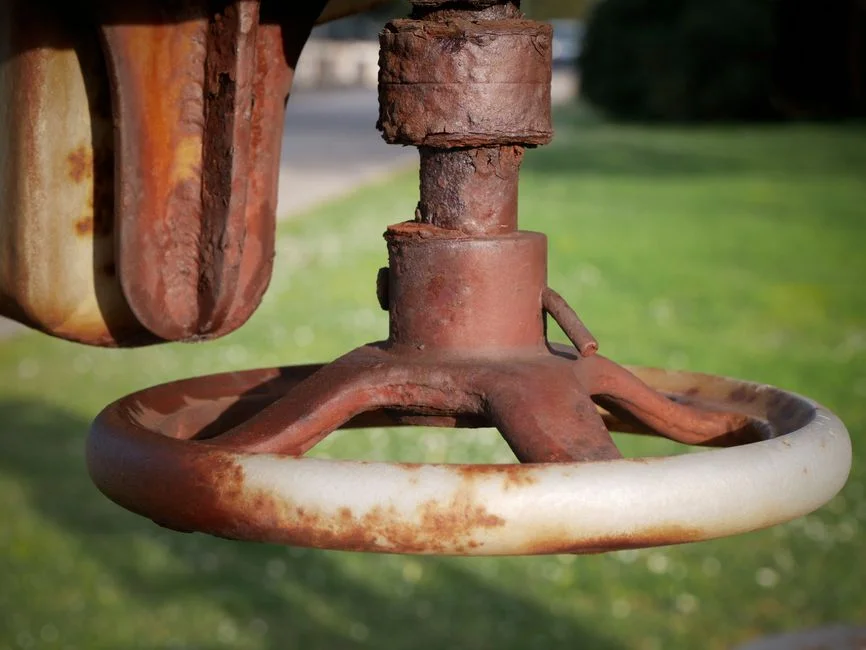
Asset priority follows the consequence of failure, not the purchase value of the equipment. A lower-value standby pump can still disable a treatment stage if it is the only backup, while a high-value asset with a redundant path may tolerate a planned repair.
Rank each asset against treatment performance, discharge or reuse compliance, downstream equipment protection, worker safety, and continuity of the complete process train. Include supporting equipment that can interrupt a stage: standby pumps, blowers, chemical-dosing equipment, sensors, valves, seals, filters, and emergency generators.
Operating evidence should refine that ranking between formal reviews. Flow, pressure, chemical level, operating load, visible wear, and deviations in efficiency should trigger an engineering review rather than wait for the annual assessment. The CMMS should link the observation, asset priority, work order, and final disposition so that a recurring condition cannot remain visible only in an operator’s notebook.
For screening systems, include downstream protection in the risk assessment. The GX rotary mechanical bar screen is designed to remove suspended solids, rags, plastics, and fibrous debris that can affect downstream pumps, valves, and biological processes. A screen inspection therefore supports more than screen availability: it also protects the treatment train from debris-related disruption.
Turn every task into auditable maintenance evidence
An auditable task record must show both that the inspection occurred and what condition was found. Lakeside Equipment identifies inconsistent recordkeeping as a maintenance challenge because it can lead to repeated work, missed tasks, or missing inspections. Its guidance recommends digital tracking systems as a way to maintain a clear equipment record.
| Record field | What it must establish |
|---|---|
| Asset and task | The asset identifier, task reference, and required acceptance criterion |
| Execution | Date, technician or contractor, operating condition, readings, and observation |
| Result | Pass or fail result, evidence attached, action required, and work-order reference |
| Closure | Corrective work, verification result, closure approval, and revised task frequency if required |
Store photos, sensor trends, test results, calibration records, equipment serial information, and contractor reports against the relevant asset. These materials should be retrievable from the same digital record rather than scattered across disconnected email threads. For component-level evidence, link the task to wastewater treatment spare parts and components, including the part identity and installed condition.
Escalate failed checks through a defined chain: abnormal reading, immediate operational response, engineering diagnosis, corrective work, verification, and closure. The first step should protect treatment performance and personnel; the last cannot be recorded until the result has been verified against the task acceptance criterion.
Use digital records to prevent duplicated work and missed tasks. They also support annual management review and compliance preparation. The OpenAlex record 2012 Compliance Maintenance Annual Report - Wastewater Treatment Facility, published in 2013, documents that Cedarburg was required to submit an annual Compliance Maintenance Report to the Wisconsin Department of Natural Resources. Local permit and program requirements, rather than that example alone, determine an individual facility’s obligations.
Budget maintenance, spares, and renewal as separate decisions
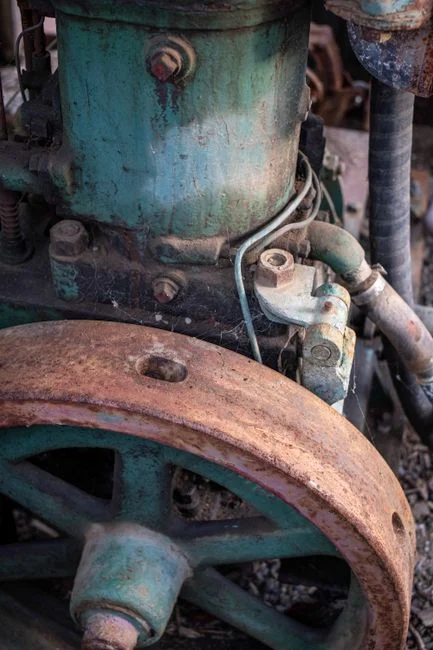
An annual budget should distinguish three commitments: routine preventive maintenance and consumables; corrective work and critical spares; and capital renewal or major rehabilitation. Combining them into one line obscures whether recurring operating expenditure is being controlled or whether an asset has entered a replacement decision.
| Budget category | Contents | Approval evidence |
|---|---|---|
| Routine preventive maintenance | Scheduled labor, inspections, calibration, planned cleaning, and routine consumables | Approved schedule, labor basis, task quantities, and consumable assumptions |
| Corrective work and critical spares | Failure response, repair parts, and baseline stock of critical components | Work history, failure-consequence ranking, supplier quotations, and inventory policy |
| Capital renewal or rehabilitation | Major replacement or rehabilitation requiring separate engineering and funding review | Condition assessment, remaining-life rationale, capital estimate, and approval |
Maintain a baseline inventory for components whose absence could extend an outage. Lakeside Equipment specifically identifies seals, filters, and gaskets as useful stock for reducing repair delays. For filtration assets, distinguish routine elements from capital replacement; RO and UF membrane replacement elements should be linked to the relevant asset, condition assessment, and approved replenishment rule. For dewatering, include the condition and serviceability of each plate and frame filter press in the renewal review.
Use the annual performance assessment to decide whether an asset remains on the preventive schedule, receives intensified monitoring, needs repair, or enters capital-renewal review. Do not apply an invented generic maintenance percentage. The supplied evidence does not support a universal cost figure; request equipment-specific labor, travel, parts, outage, and monitoring prices from the OEM or a qualified contractor.
Capital constraints make separation more important. ASCE reported that about 30% of sector infrastructure capital needs were being met in 2024, so maintenance-led asset-life extension should be evaluated alongside renewal planning. Maintenance can reduce deterioration, but it should not be presented as a substitute for required capital investment.
Choose between in-house work, OEM support, and specialists
Maintenance assignments should follow capability, accountability, and process risk. The supplier boundary should be written into the work order before work begins, with an identified owner for receiving the result and updating the asset record.
| Support source | Appropriate scope | Required deliverable |
|---|---|---|
| In-house personnel | Routine visual checks, readings, and basic inspections permitted by manufacturer instructions and site procedures | Operator or technician record with readings, result, and exceptions |
| OEM support | Equipment-specific service, proprietary parts, warranty-sensitive work, and manufacturer-defined maintenance procedures | Service report, parts record, task verification, and schedule update |
| Qualified specialist | Independent performance assessment, complex controls, specialist process equipment, or work outside internal competence | Technical findings, test evidence, corrective recommendations, and handover |
Assign routine work to trained in-house personnel only when site procedures and manufacturer instructions permit it. Use OEM support for proprietary equipment knowledge and warranty-sensitive tasks. Examples include an automatic chemical dosing system where equipment-specific calibration and service procedures apply, or a plate and frame filter press requiring specialist mechanical assessment.
Do not select a supplier on price alone. Evaluate documented scope, relevant equipment competence, response arrangements, spare-part availability, data and report deliverables, and continuity of knowledge. A low quotation can still be expensive if it omits verification, record updates, or handover support.
Every completed task should produce an update to the relevant asset record. Where findings justify a change, revise the preventive-maintenance schedule through the same change-control route used for any other program modification. That closes the loop between contracted work and the next annual planning cycle.
Add predictive tools without replacing routine care
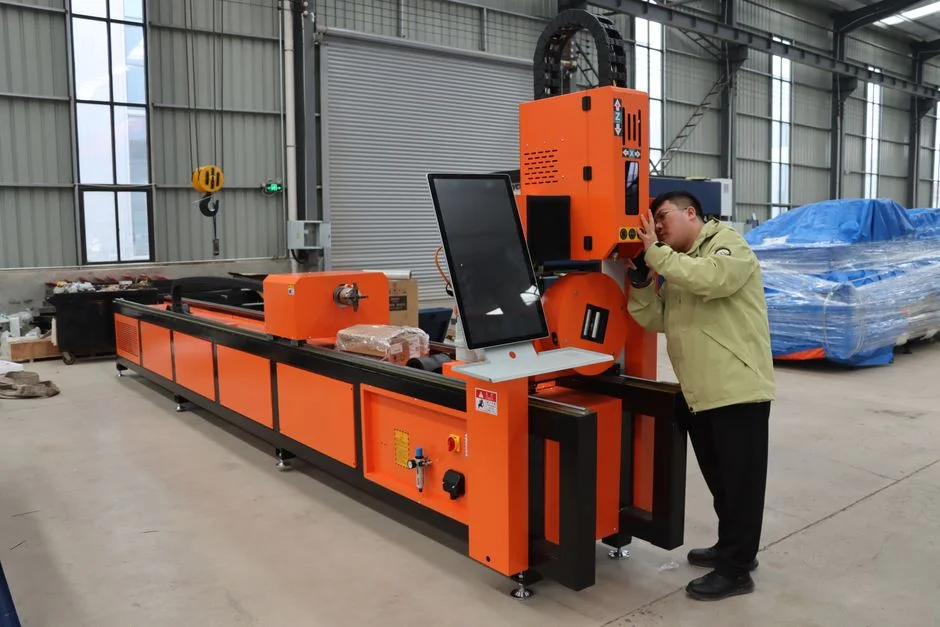
Predictive tools should refine maintenance timing; they should not replace physical verification or ownership. Lakeside Equipment identifies predictive maintenance as the use of sensor data and analytics to anticipate when equipment will require maintenance, while remote monitoring provides real-time system-performance analysis. These methods are particularly useful where staff cannot consistently follow a fixed schedule.
Begin with assets whose condition can be measured reliably and whose failure would materially affect treatment, compliance, or continuity. Start with the operating parameters already required in the daily schedule, then determine whether the available sensors provide a dependable basis for intervention.
Retain physical tasks such as seal inspection, piping checks, cleaning, and the comprehensive annual assessment. A stable sensor trend does not establish that a component has been physically inspected or that a hidden condition is absent.
Review sensor trends during the annual equipment assessment and connect the findings to three outputs: revised maintenance intervals, revised critical-spares quantities, and the next maintenance budget. A change should be recorded with its technical basis, effective date, approving owner, and review date rather than applied informally.
Frequently Asked Questions
How much should an industrial wastewater treatment equipment maintenance program cost?
The supplied research does not support a universal budget percentage or fixed annual price. Ask suppliers for itemized labor, travel, parts, outage, and monitoring costs, then separate routine preventive maintenance, corrective work and critical spares, and capital renewal. Obtain equipment
Frequently Asked Questions
How much should I budget for industrial wastewater treatment equipment maintenance?
Industry standards suggest allocating between 1.5% and 3% of the initial capital expenditure (CAPEX) for annual preventive maintenance. For aging facilities, particularly those exceeding 10 years of operation, it is advisable to increase this budget to 4% or 5% to account for increased wear on pumps, blowers, and mechanical seals.
How do I choose a wastewater treatment maintenance contractor or OEM service provider?
Prioritize providers who demonstrate ISO 9001 certification and offer documented experience with your specific treatment technology, such as membrane bioreactors (MBR) or dissolved air flotation (DAF) units. Ensure the contractor provides a service level agreement (SLA) that includes 24/7 emergency response times under 4 hours and proof of compliance with OSHA 1910.147 (Lockout/Tagout) standards.
Should I increase maintenance frequency above the manufacturer's recommended schedule?
Yes, you should increase frequency if your plant operates at more than 80% of its design flow capacity or handles high-strength influent (BOD/COD levels significantly above design specifications). In cases of high corrosive environments or abrasive sludge, moving from a semi-annual to a quarterly inspection cycle for rotating equipment is recommended to prevent premature failure.
What maintenance records do I need for wastewater compliance?
You must maintain a comprehensive digital or physical log that includes the date of service, the specific equipment ID, the technician’s credentials, and a record of all replaced parts. These documents must align with your National Pollutant Discharge Elimination System (NPDES) permit requirements, documenting that equipment was operational at the time of any discharge exceedance or monitoring event.
How often should I review critical spare parts for a wastewater treatment plant?
Critical spare parts inventory should be audited at least semi-annually to ensure that lead times for long-delivery items—such as VFDs, custom gaskets, or specific pump impellers—do not exceed your operational risk tolerance. If a part has a lead time greater than 14 days and is essential for preventing a discharge violation, it must be kept in on-site stock.