Choose by wastewater fraction, not by equipment name
Choose a clarifier for dense, rapidly settling mineral fines, tailings, and metallurgical sludge; choose DAF for conditioned colloidal, oil, buoyant, or low-specific-gravity solids. DAF attaches 30–50 µm microbubbles to floc and floats it for skimming, while a clarifier separates heavier particles by gravity, with lamella plates increasing settling area. Raw mining streams often contain both fractions, so the strongest 2026 selection is commonly a high-rate clarifier followed by DAF polishing. Final sizing requires site-specific flow, TSS, particle size, pH, dissolved-metal, and jar-test data.
Mining and metals wastewater should be divided before equipment is specified. A stream may combine dense mineral fines from tailings-thickener overflow or mill discharge, colloidal clays, oils and greases, flotation-reagent carryover, and dissolved heavy metals that have crossed the pH boundary into solution or back into hydroxide precipitate. A clarifier captures the settleable fraction; DAF targets particles that can be conditioned and attached to air bubbles. The selection must follow the dominant fraction in each stream, not a general preference for one equipment type.
Fluence guidance specifically identifies high levels of heavier nonfloating particles, including silt and clay, as a limitation of DAF. Sending raw, high-silt wastewater directly to DAF is therefore inappropriate when the heavy fraction dominates. For combined mining streams, the defensible sequence is a clarifier for bulk solids followed by DAF polishing for colloidal, precipitated, and buoyant carryover.
Clarification does not remove truly dissolved contaminants without the necessary chemistry. Dissolved metals may require pH adjustment and precipitation or another downstream treatment process. Fluence also notes that DAF can support process-water and materials recycling, but reuse objectives still determine the required downstream solids-removal step.
| Wastewater fraction | Primary treatment choice | Engineering basis |
|---|---|---|
| Dense mineral fines and tailings solids | Conventional or high-rate lamella clarifier | Settling behavior, TSS loading, underflow target, and civil footprint |
| Colloidal clays, conditioned precipitates, oils, and reagent carryover | DAF | Chemical conditioning, bubble attachment, flotation tests, and sludge characteristics |
| Mixed raw mining or metals discharge | Clarifier followed by DAF | Bulk-solids removal followed by polishing of the residual fraction |
| Dissolved metals | Chemical precipitation and clarification or flotation | pH, dissolved-metal speciation, permit limits, and downstream filtration if required |
For catalog-level context, compare the high-efficiency lamella clarifier with an industrial DAF system for mining wastewater, then replace catalog selection with measured site data.
How DAF and gravity clarification remove different solids
DAS uses pressurized air to create microbubbles that attach to conditioned floc, while a clarifier separates particles whose specific gravity exceeds that of water under the applicable surface overflow rate. The mechanisms are complementary rather than interchangeable.
Clearwater Industries describes DAF microbubbles as 30–50 µm in diameter (Clearwater Industries, 2026-04-27). That size allows bubbles to attach to oil droplets, fine precipitates, biological flocs, and conditioned floc. Pressurized recirculated water enters the flotation tank, releases the bubbles, and forms a floating aggregate that a skimmer moves to a collection trough. Heavier solids may still settle to the bottom, which is why DAF is not a substitute for adequate bulk-solids removal.
A clarifier uses gravity. Suspended particles settle under the surface overflow rate established by tank geometry, sludge is withdrawn from the bottom, and clarified water overflows a launder. Lamella plates increase effective settling area and can reduce the footprint required for a given loading, but they do not change the underlying mechanism. Colloidal material, oils, surfactants, and dissolved species may remain in the overflow.
Flotation is foundational rather than new technology. Springer’s The Scientific Basis of Flotation traces industrial bubble flotation in mineral processing before the dissolved-air process was applied to water and wastewater treatment; the book was published in 1984. That history does not establish 2026 performance for a specific mine stream, which still requires site testing.
| Design issue | DAF | Clarifier |
|---|---|---|
| Separation mechanism | Microbubble attachment to floc followed by flotation | Gravity settling under the surface overflow rate |
| Primary target | Conditioned colloids, oils, reagent carryover, and buoyant precipitates | Dense fines, tailings solids, and metallurgical sludge |
| Chemical dependence | Coagulation and flocculation are normally required to improve bubble attachment | Coagulant aid may be optional; performance depends chiefly on settling and sludge withdrawal |
| Sludge route | Floated sludge to collection and dewatering | Underflow to thickening or dewatering |
| Main limitation | High levels of heavier nonfloating silt and clay are unsuitable for DAF (Fluence) | Colloidal, buoyant, and dissolved loads may pass through |
Neither mechanism removes dissolved contaminants without the necessary chemistry. A coordinated automatic chemical-dosing system should therefore be specified with DAF rather than treated as an accessory.
Match each plant stream to the primary equipment
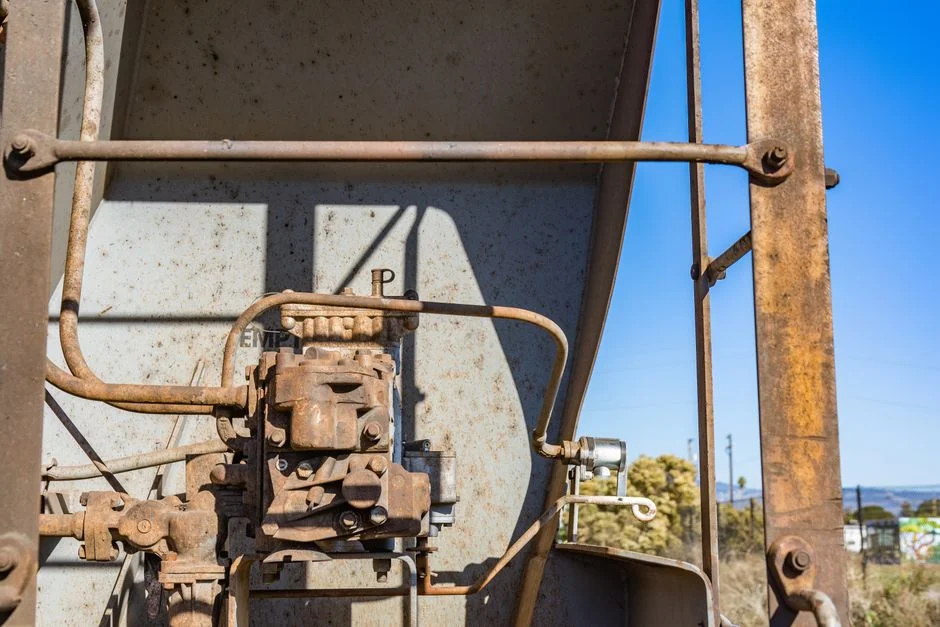
Tailings-thickener overflow and dense mill solids are normally clarifier applications because the target is bulk removal of settleable mineral matter. Metal-finishing rinse water and reagent-dominated wash water are stronger DAF candidates when the load is buoyant or can be conditioned. Combined streams usually require clarification before flotation.
| Plant stream | Recommended primary step | Required design evidence | Sludge route |
|---|---|---|---|
| Tailings-thickener overflow | Conventional or high-rate lamella clarifier | Flow, TSS, particle-size distribution, settling behavior, and required underflow solids concentration | Clarifier underflow to thickening or dewatering |
| Dense mill discharge with little oil or colloid | Clarifier | Settling-velocity or solids-capture testing and surface-overflow-rate basis | Underflow to dewatering |
| Metal-finishing rinse water containing oils, emulsions, surfactants, or metal-bearing precipitates | Equalization and pH control, then DAF when the fraction is buoyant or conditioned | Oil and surfactant characterization, pH range, metals analysis, and jar tests | DAF float to dewatering |
| Flotation-reagent carryover and oil-contaminated wash water | DAF | Reagent and oil loading, emulsification behavior, and chemical-conditioning tests | DAF float to dewatering |
| Combined mill discharge | Clarifier followed by DAF polishing | Representative fractions, seasonal loads, and performance goals for each stage | Both DAF float and clarifier underflow to dewatering |
| Acidic mine drainage or AMD neutralization overflow | Integrated neutralization, dissolved-metal treatment, and solids separation | Acidity, pH response, dissolved metals, precipitation behavior, and permit basis | Generated hydroxide or other solids to dewatering |
For tailings overflow, a high-rate lamella clarifier may be preferable where the footprint is constrained, but the bidder must substantiate its loading and underflow design. For finishing rinse water, DAF should follow equalization and pH control because variable flow and chemistry can destabilize both conditioning and flotation.
For combined mill discharge, a clarifier-first train protects the DAF from the heavy nonfloating solids that Fluence identifies as a DAF limitation. DAF then captures residual conditioned floc, precipitated material, and buoyant carryover. If an acidic stream requires metal precipitation, neither clarifier nor DAF alone establishes compliance.
Route DAF float and clarifier underflow to an appropriate dewatering step. Buyers defining that scope can use filter press sizing for mineral-processing sludge and compare it with a plate-and-frame filter press.
Size the treatment train from measured data
A defensible 2026 specification requires measured influent and verified treatment performance; catalog flow ranges do not establish site capacity. The basis must include peak and seasonal flow, TSS, particle-size distribution, pH, temperature, oils, flotation reagents, and dissolved metals such as copper, lead, and zinc.
For DAF, request jar-test results showing coagulant and flocculant selection, dose, flotation performance, and resulting sludge characteristics. Clearwater Industries describes 15–45 seconds of flash mixing for chemicals introduced through flocculation tubes, while impeller mix tanks provide longer contact time; the appropriate operating condition must be established through testing (Clearwater Industries, 2026-04-27).
For a clarifier, request settling-velocity or solids-capture testing and identify the required surface overflow rate. Lamella geometry matters when the available civil footprint is constrained, but plate area alone cannot compensate for unsuitable sludge withdrawal or poorly characterized solids.
Catalog information can support preliminary market comparison, not final sizing. The supplied HydropureWater catalog lists the DAF range at 4–300 m³/h across 13 standard models and the lamella clarifier at 20–40 m/h surface loading rates. These are product-selection references, not substitute site data. A bidder should map the selected model against measured peak flow, solids loading, settling results, and flotation performance.
Do not reuse the 30 mg/L aluminum-sulfate optimum reported for algae and phosphorus removal from Logan, Utah lagoon effluent as a mining design dose. That result came from a 2011 Utah State University study of a different wastewater and contaminant objective.
| Design input | Clarifier application | DAF application | Why it matters |
|---|---|---|---|
| Peak and seasonal flow | Sets hydraulic and solids-loading basis | Sets recycle, flotation, and tank capacity basis | Prevents equipment selected for average flow from being overloaded during peaks |
| TSS and particle-size distribution | Defines settleable fraction and capture requirement | Defines flocculation burden and attachment potential | Separates bulk solids from the fraction requiring flotation |
| pH and dissolved metals | Determines precipitation and underflow chemistry | Determines conditioning chemistry and attainable separation | Supports a defensible metals-removal claim |
| Jar, settling, or pilot tests | Surface overflow rate and capture evidence | Chemical type, dose, contact time, and float quality | Converts catalog selection into site-specific performance |
| Reuse or filtration criteria | Defines downstream solids barrier | Defines required residual-solids removal | Clarification or DAF alone does not establish a reuse specification |
Where clarified water will be reused, add the required filtration or membrane barrier to the sizing basis. Assess an RO and UF membrane system or a multimedia filtration system against the reuse objective rather than assuming DAF effluent is directly reusable.
Specify chemical, materials, controls, and sludge handling
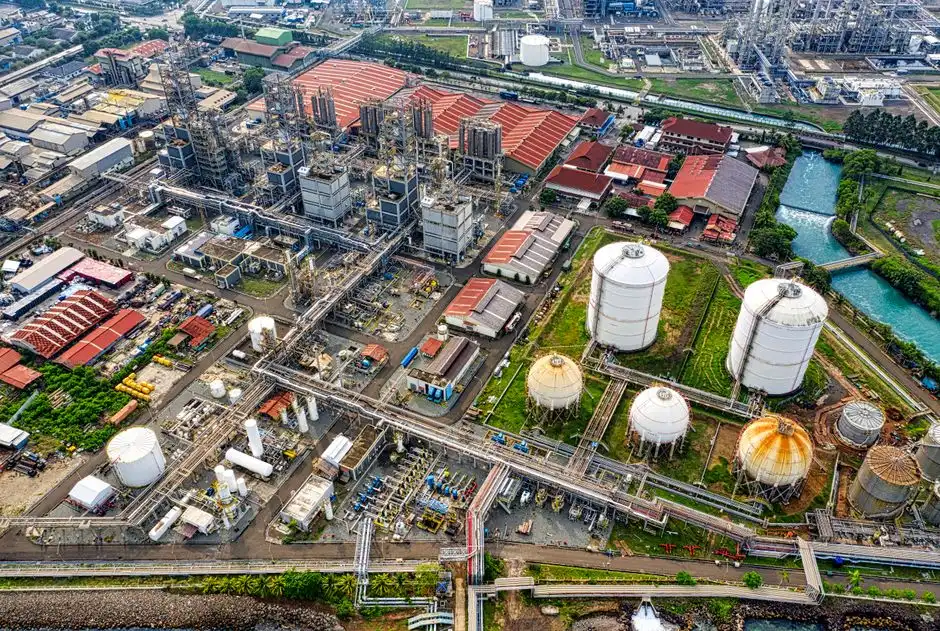
A treatment-train quotation should price pH adjustment, coagulation, flocculation, dosing controls, and the selected separator as one coordinated process. DAF performance depends on the conditioning chemistry reaching the separator under actual flow conditions.
Require bidders to show how jar-test conditions will be preserved through flow-paced chemical feed, operator-adjustable setpoints, alarms, tank-level control, and verification of chemical concentration. An automatic chemical-dosing system should be tied to the DAF controls rather than specified as an unrelated package.
For abrasive or acidic service, ask bidders to price 316L stainless steel or specialized coatings and explain the material selection against the stream chemistry and wear mechanism. The supplied research does not establish one universal material for every mine stream, so the responsibility remains with the bidder and the site’s corrosion and abrasion assessment.
| RFQ package | Bidder must state | Acceptance evidence |
|---|---|---|
| Process conditioning | Chemical, preparation, injection point, mixing method, and control logic | Flow-paced metering, setpoints, alarms, and jar-test-to-automation translation |
| Separator | Selected mechanism, design flow, solids basis, and installed arrangement | Capacity and performance calculations tied to representative influent |
| Materials | Wet-side materials, coatings, and corrosion or abrasion basis | Stream-specific justification rather than an unsupported universal recommendation |
| Controls and utilities | PLC scope, recycle pump, compressor, skimmer, level controls, and fail-safe behavior | Causes and effects, alarm response, and utility demand |
| Solids handling | Float and underflow removal, pumping, thickening, and dewatering | Coordinated mass balance from wet solids to final residue handling |
Require explicit float-removal, underflow-withdrawal, sludge-pumping, and dewatering provisions. Clearwater Industries states that properly conditioned DAF can produce thick sludge requiring little or no further dewatering (Clearwater Industries, 2026-04-27), whereas clarifier underflow is generally routed to thickening or filtration. The bidder should quantify expected solids concentration rather than treat that qualitative difference as a guaranteed saving.
Specify the recycle pump, compressor, skimmer, sludge-discharge system, level instrumentation, interlocks, and fail-safe response as applicable to the selected configuration. A plate-and-frame filter press can close the solids-handling scope where filtration is required.
Build a bid-comparable RFQ and supplier shortlist
Comparable proposals require the same technical basis from every bidder. That basis is the measured stream characterization, the contaminant fractions, the selected mechanism, the chemical scope, the solids-loading calculation, the sludge route, and the required reuse or discharge performance—not a generic “mining DAF” or “clarifier package.”
Ask each bidder to state its design flow range, TSS basis, contaminant fractions, solids-loading method, chemical-conditioning scope, equipment materials, controls, sludge handling, and downstream polishing. Require site-specific calculations rather than catalog dimensions alone. A proposed model should map to the peak flow, measured solids inventory, and treatment objectives.
Request pilot or bench-test data from comparable metallurgical processes. For DAF, that evidence should address the proposed chemical conditioning, flotation performance, and float characteristics. For clarification, it should address settleability, capture, and underflow behavior. Also ask for evidence of post-commissioning support for automated chemical dosing.
Require identification of the supplier’s applicable quality-management certification. The supplied research specifically mentions ISO 9001, but certification should not be presented as proof of treatment performance. Shortlist suppliers on applicable metallurgical experience, engineering transparency, controls support, commissioning capability, and permit-aware design.
Each proposal must be checked against the facility’s current permit, current discharge limits, local pretreatment requirements, and seasonal influent variability. The 2026 mining wastewater pretreatment requirements provides a regional framing, but it does not replace the facility’s current permit or agency requirements.
The supplied research does not establish a reliable 2026 unit price for either system. Compare budgetary quotations on total installed scope, chemical consumption, sludge handling, energy, maintenance, controls, and reuse value. Include commissioning, operator training, controls integration, performance testing, spare parts, and support in each quotation so that exclusions remain visible.
Final process-flow recommendation
Equalization and representative sampling should precede treatment because flow and chemistry variability determine both conditioning and hydraulic capacity. For a typical combined mining or metals stream, the starting process sequence is equalization, pH adjustment and coagulation where required, flocculation, high-rate lamella clarification, DAF polishing, and sludge dewatering.
Clarification is the likely primary unit when dense solids dominate and the oil or colloid load is limited. DAF is the likely primary unit for an oily or reagent-dominated stream with a lower heavy-solids load, subject to jar testing. A combined train is the defensible default when both fractions are present because a clarifier removes bulk heavy solids before DAF addresses the residual conditioned and buoyant load.
Add filtration or membrane treatment when process-water recycling requires a lower residual-solids or turbidity specification. Do not claim that DAF effluent automatically meets a reuse standard; define the receiving process, water-quality objective, and pretreatment needs together.
The final proposal must be verified against site-specific characterization, pilot results, current permits, and current design standards. For solids handling, apply filter press sizing for mineral-processing sludge to the combined DAF float and clarifier underflow rather than pricing dewatering after the separator has already been selected.
Frequently Asked Questions
What does DAF or a clarifier cost for mining wastewater equipment in 2026?
The supplied research does not establish a reliable 2026 unit price for either system. Request a site-specific quotation covering the separator, chemical preparation and dosing, equalization changes, sludge pumping and dewatering, PLC controls, utilities, commissioning, and any filtration required for reuse. Compare total installed scope rather than accepting a generic equipment price.
What data are required to size DAF or a clarifier for an Everson-area plant?
Provide peak and seasonal flow, TSS, particle-size distribution, pH, temperature, oils, flotation reagents, and dissolved metals such as copper, lead, and zinc. Include clarifier settling or solids-capture tests and DAF jar tests with chemical type, dose, contact time, flotation results, and sludge characteristics. Representative seasonal sampling is needed because average flow and one grab sample do not define the design load.
How should an equipment supplier be selected for mining wastewater treatment?
Request comparable pilot or bench evidence, a transparent sizing calculation, materials justification, automated chemical-dosing support, commissioning and operator training, and a scope tied to the current permit. Ask for the applicable quality-management certification; the research mentions ISO 9001, but that certification alone does not demonstrate treatment performance.
Can DAF or clarification alone guarantee compliance with an Everson-area discharge permit?
No. Compliance depends on the current permit, representative influent characterization, verified treatment performance, and operation of the complete train. A clarifier may leave colloidal or buoyant contaminants, DAF is unsuitable as the sole treatment for high levels of heavier nonfloating silt and clay, and neither removes truly dissolved metals without appropriate chemistry. The regional DAF-versus-clarifier buyer guide supports the same stream-specific selection approach.
Which stream should be tested first when deciding between DAF and clarification?
Test the stream carrying the largest mass of the contaminant fraction that drives the discharge or reuse requirement. For dense tailings overflow, perform settling and solids-capture tests; for oily or reagent-bearing rinse water, perform jar flotation tests with chemical conditioning. Analyze dissolved metals separately because neither mechanical mechanism establishes their removal.