Start with the waste, not a generic treatment plant
In 2026, Kolkata manufacturers generally treat high-COD trade waste through a staged train: characterize and segregate the streams, equalize them, remove oil, solids and floatables, then use biological treatment to reduce soluble organic load before polishing, reuse or compliant discharge. DAF is commonly relevant for oil, grease and suspended solids; MBR can provide compact biological treatment and filtration below 1 μm. Kolkata's wetland research shows the local value of biological treatment, including 50.5% average COD and 59.1% BOD removal, but municipal sewage results cannot be transferred automatically to concentrated industrial effluent.
Trade waste is not a diluted version of municipal sewage. A factory stream may carry process chemicals, oil and grease, suspended solids, variable pH, salinity or toxic compounds that interfere with biological treatment. The design basis must therefore be built from source-specific data rather than from a generic “industrial effluent treatment” package.
Request flow-duration records, source-by-source COD and BOD, pH, temperature, suspended solids, oil and grease, toxicity indicators and the production operating envelope. Include batch dumps, cleaning-chemical discharges and first-flush runoff as separate characterization streams before deciding whether they should be isolated, treated separately or admitted to the main plant. An automatic chemical dosing system may be relevant after the required chemicals and control conditions have been established, not as a substitute for source characterization.
The scope of published evidence must also be checked. MDPI AG's academic study on electrocoagulation began with mineral-processing wastewater from a Pb/Zn sulfide flotation plant at an initial COD of 424.29 mg/L. That is application-specific research, not a universal performance or sizing standard for Kolkata factories.
Build a treatment train around the COD removal mechanism
Each stage should remove a defined pollutant fraction; otherwise an upstream failure becomes a downstream design problem. The practical sequence is source segregation and screening, equalization, pH control, DAF or clarification, anoxic and aerobic biological treatment, secondary separation or MBR, disinfection where required, and sludge dewatering.
Equalization reduces short-term flow, concentration and pH shocks before biological treatment. Screening and physical pretreatment protect pumps and biological systems from solids that should not enter them. DAF or clarification then removes material that can be separated physically, including suspended solids, oil and grease, FOG, floatables and some colloidal matter. An industrial DAF pretreatment system is therefore usually placed before the biological reactor when the waste profile requires solids or floatables removal.
The available DAF range is 4–300 m³/h across 13 standard models. These are catalogue equipment ranges, not verified plant duties for a particular factory. DAF should not be treated as the sole answer to soluble high-COD load: it primarily performs physical separation and does not replace biological oxidation.
Anoxic and aerobic stages provide the biological pathway for soluble organics. An MBR wastewater treatment system combines biological treatment with membrane separation; the available MBR range is 10–2,000 m³/day, with submerged PVDF filtration below 1 μm. Where a compact biological stage and low-particle effluent are both priorities, MBR is a candidate for detailed evaluation. Its selection still depends on hydraulic loading, organic loading, membrane design, fouling controls and the required effluent quality.
The East Kolkata Wetlands study provides local municipal evidence for biological treatment. The peer-reviewed paper, received in December 2023 and accepted in January 2024, reported 50.5% average COD removal, 59.1% BOD removal and 7–8 days of retention time. Those results apply to a shallow oxidation-pond system treating municipal sewage; they do not establish the reactor loading, footprint or effluent quality of a factory MBR.
Disinfection addresses pathogens but does not remove the bulk COD load, so it belongs after the main biological and solids-removal steps where required. Sludge dewatering belongs in the original process design. An industrial sludge filter press should be selected from expected sludge characteristics, solids concentration, batch frequency and cake-disposal requirements rather than added after commissioning.
| Process stage | Primary function | Design inputs a supplier must establish |
|---|---|---|
| Source segregation and characterization | Separates incompatible and variable waste streams | Stream inventory, batch dumps, flow duration, COD, BOD, pH, temperature, suspended solids, oil and grease, toxicity |
| Equalization and pH control | Damps hydraulic, concentration and pH variation | Average and peak flow, operating hours, batch volume, equalization residence time, chemical demand |
| DAF or clarification | Removes suspended solids, oil, grease, floatables and colloidal material | Peak flow, solids and floatables loading, chemical dosing, recovery requirements, sludge yield |
| Anoxic/aerobic treatment or MBR | Reduces soluble biodegradable organics | COD/BOD, biodegradability, nutrients, temperature, pH, toxicity, hydraulic retention and membrane-fouling risk |
| Secondary separation or membrane filtration | Retains biomass and reduces suspended particles | Solids loading, settling or membrane design, sludge concentration, cleaning and maintenance access |
| Disinfection, where required | Controls pathogens for the specified reuse or discharge route | Microbiological objectives, dose or UV requirements, contact conditions and site-specific compliance basis |
| Sludge treatment | Conditions and dewaterings process residues | Sludge mass and volume, solids content, chemical conditioning, dewatering cycle and disposal route |
Compare the main treatment options before equipment selection
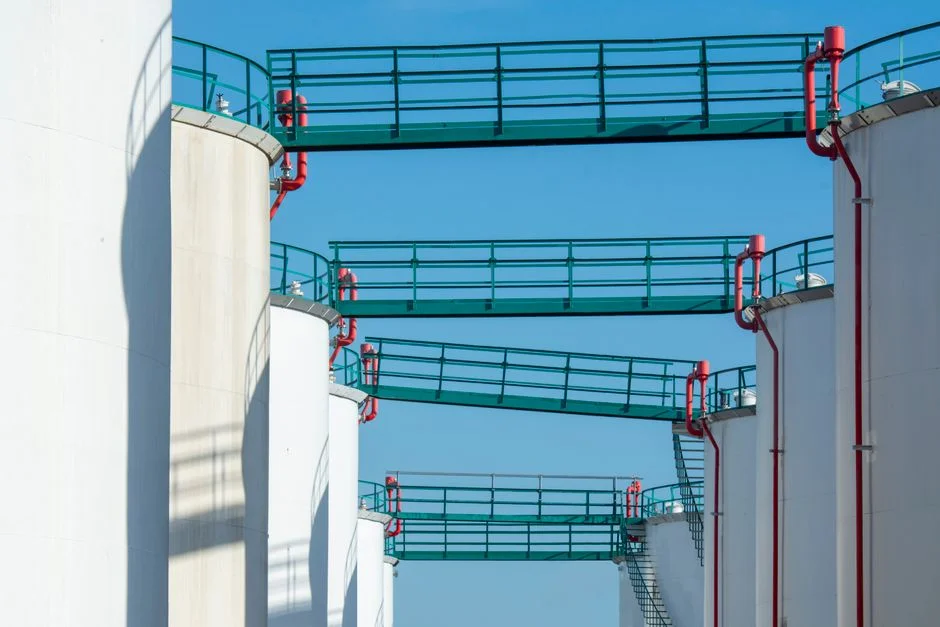
DAF, biological packages, MBR and packaged sewage treatment solve different problems. The correct comparison starts with the waste profile and reuse objective, not with the lowest catalogue price or the most compact footprint.
DAF is strongest as a pretreatment step where recoverable oils, floatables and suspended solids must be removed before biological treatment. It can reduce the solids and contaminant burden entering the next stage, but it should not be presented as a standalone solution for soluble high-COD effluent.
An integrated anoxic/aerobic package can suit factories requiring compact biological treatment, sedimentation and disinfection. The available WSZ series covers 1–80 m³/h for factories and other non-residential applications. Whether that range is appropriate depends on measured flows, organic loading, equalization, treatment objectives and site constraints.
MBR is appropriate when compact biological treatment and low-particle effluent are priorities. The catalogued system operates from 10–2,000 m³/day, but capacity alone does not establish suitability. The buyer must confirm organic loading, membrane area, flux conditions, cleaning strategy, biological design and acceptance-test criteria.
Packaged sewage treatment can have a role where the waste characteristics and objectives are compatible with a packaged biological design. It should not be selected simply because it is described as an industrial or municipal plant. Process compatibility, controls, civil works, sludge handling and future expansion remain critical checks.
TradeIndia's commercial listings, dated 1999–2026, show advertised treatment capacities of 100–1,000 m³/day. These are examples of marketplace claims, not guaranteed capacities, demonstrated performances or quotations. A serious comparison should request a duty calculation, assumptions, guarantees and test results for the proposed application.
| Option | Best fit | Strength | Key limitation or check | Equipment reference |
|---|---|---|---|---|
| DAF pretreatment | Oily, greasy or solids-rich waste ahead of biological treatment | Physical removal of floatables, oil and suspended solids | Does not solve soluble COD on its own; peak hydraulic and solids loading must be verified | |
| Anoxic/aerobic integrated package | Factories needing biological treatment, sedimentation and disinfection in a packaged arrangement | Combines unit operations with a comparatively compact process train | Biodegradability, nutrients, toxicity and equalization must be established | |
| MBR | Compact biological treatment with membrane solids separation | Combines biological treatment and filtration in one system | Membrane fouling, cleaning, solids concentration and acceptance criteria require definition | |
| Packaged sewage treatment | Waste streams compatible with the packaged biological process | Defined packaged scope for suitable applications | Municipal or generic product descriptions do not establish industrial performance |
For the complete selection logic, compare this train with the staged approach described in the high-COD trade waste treatment process.
Use Kolkata's wastewater lessons without copying municipal performance
The East Kolkata Wetlands system used shallow oxidation ponds, solar irradiation and algae-bacteria processes to treat municipal sewage and support fisheries. The peer-reviewed study reported 59.1% BOD removal, 99.28% fecal-coliform reduction and 50.5% average COD removal. It also found that measured concentrations generally adhered to prescribed CPCB inland surface-water discharge standards, except for a marginal BOD elevation during winter.
These findings support biological treatment and managed reuse as locally credible concepts. They do not make the wetland process a default industrial plant. The source wastewater was municipal sewage, the operating environment was a managed pond-and-fishery system, and the reported removal percentages were not factory acceptance criteria. Concentrated industrial effluent may contain substances that alter biodegradability, inhibit active biomass or change the required retention time.
For factory design, the transferable lesson is to verify the biological pathway against the actual waste and to manage reuse risk through controls across the chain. WHO's account of the East Kolkata Wetlands identifies sanitation safety planning and a multi-barrier approach as tools for reducing health risks along the treatment and reuse chain. WHO also notes that the reuse system carries health risks unless treatment and reuse are managed safely. Industrial trade waste therefore needs additional assessment for process contaminants, exposure routes and application-specific water quality.
Where treatment chemistry must remain consistent, an automatic chemical dosing system can support PLC-controlled injection of coagulants, flocculants, pH adjusters and specialty chemicals. The equipment scope should follow jar tests, control targets, chemical inventory and operating responsibility—not precede them.
Size the plant from verified site data
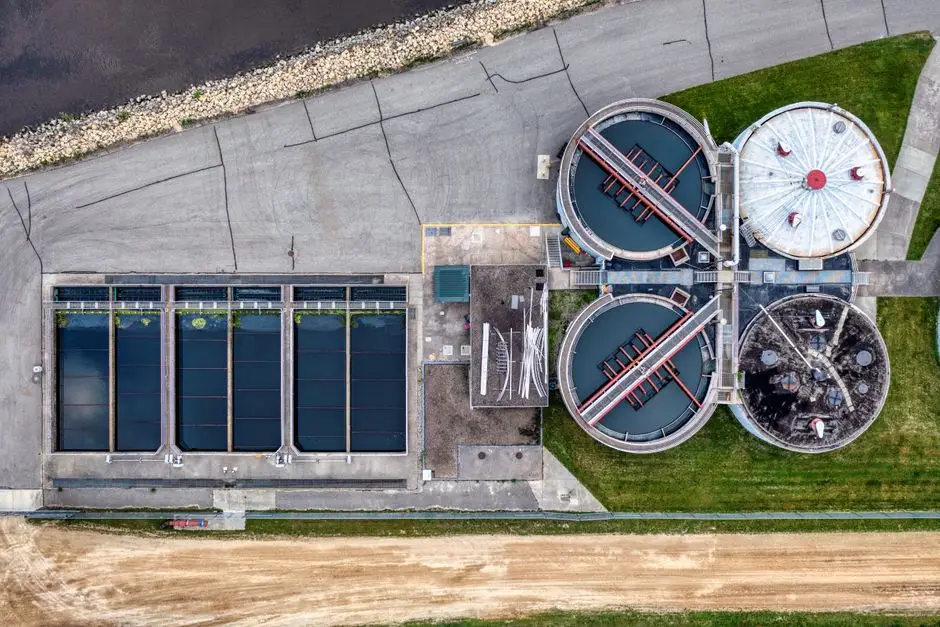
A reliable quotation begins with average and peak flow, operating hours, production shifts, batch discharges, equalization volume and required hydraulic reserve. A single daily average can conceal a short, high-concentration slug that overtakes the equalization tank or DAF system.
Use measured COD and BOD to establish organic loading, then determine the biological process configuration and required reactor and settling capacity. Confirm pH, temperature, nutrients, toxicity and salinity before selecting the biological process. Request representative laboratory results rather than relying only on supplier estimates; treatment vendors should identify sampling points, sampling periods and analytical methods.
Match DAF hydraulic capacity against peak flow and the proportion of wastewater requiring solids or floatables removal. The available DAF range is 4–300 m³/h, but the selected unit still needs a verified flow, solids, oil-and-grease and chemical-conditioning basis. An industrial DAF pretreatment system should be specified against those inputs, not against a generic production total.
Confirm sludge-generation expectations and dewatering requirements before the main reactor is ordered. The available plate-and-frame filter-press range is 1–500 m² filtration area. Selection must reflect the expected sludge volume, solids content, conditioning chemistry, operating cycle and available cake-handling route. Detailed equipment application is covered in the filter press selection for mineral-processing wastewater.
Require the supplier to state design assumptions, duty cycle, controls scope, installation requirements, utilities, commissioning method and acceptance-test protocol. If the proposal changes after detailed testing, the revision should identify which design inputs changed and which equipment ratings or guarantees are affected.
Verify performance, reuse potential and compliance risk
Performance should be demonstrated stream by stream and parameter by parameter. Define COD, BOD, suspended solids, oil and grease, pH and relevant toxicity indicators in the acceptance protocol. Test across representative production periods and batch-discharge conditions rather than relying on one clean-water sample.
Discharge compliance and reuse suitability are separate decisions. A plant may meet a specified discharge condition while remaining unsuitable for process reuse, cleaning or irrigation because reuse requirements can be tighter or application-specific. The supplied research does not establish an industrial reuse specification, so the buyer must define the intended use and obtain the relevant requirements before setting guarantees.
Where disinfection forms part of the verified train, assess the chlorine dioxide generator or UV sterilizer against the disinfection objective, residual requirements, contact conditions and site controls. Neither device substitutes for upstream COD reduction.
WHO's multi-barrier sanitation-safety approach supports risk management across a treatment-and-reuse chain, while the East Kolkata Wetlands account shows why reuse requires active health-risk assessment. For industrial trade waste, add site-specific assessment of process contaminants, exposure routes and intended uses.
Before commissioning the main biological stage, confirm sludge quantity, dewatering, storage, disposal and monitoring responsibilities. A performance guarantee that ignores sludge handling can create a new operating bottleneck after the water-quality target is achieved.
Frequently Asked Questions
How do manufacturers in Kolkata, India treat trade waste and high-COD effluent in 2026?
They generally use a staged train: characterize and segregate sources, equalize flow and chemistry, remove oil, grease and suspended solids, reduce soluble organics biologically, polish or disinfect as required, and dewater the resulting sludge. The correct configuration depends on measured flow, COD/BOD, pH, temperature, suspended solids, oil and grease, toxicity and the final discharge or reuse route.
Should a Kolkata factory choose DAF or MBR for high-COD waste?
DAF and MBR can serve different functions. DAF is a physical pretreatment option for oil, grease, floatables and suspended solids; it does not replace biological oxidation of soluble COD. MBR combines biological treatment with membrane separation and is relevant where compact treatment and low-particle effluent are priorities. If both duties are necessary, evaluate DAF ahead of MBR rather than treating them as interchangeable alternatives.
What data is needed to size an industrial effluent treatment plant?
Request average and peak flow, operating hours, batch-discharge details, equalization requirements, measured COD and BOD, pH, temperature, suspended solids, oil and grease, nutrients, toxicity indicators and salinity. No responsible sizing or price can be established from a generic flow rule alone, because hydraulic and organic loads may produce different equipment selections.
How should a buyer compare treatment suppliers and control cost?
Compare process design, site references, controls scope, installation assumptions, acceptance testing and complete sludge handling rather than catalogue capacity alone. For cost control, ask each supplier for a priced bill of quantities, utility and chemical estimates, maintenance assumptions, replacement items and exclusions. Require quotations to state whether installation, civil work, commissioning, training and performance testing are included.
Does a compliant treatment proposal automatically permit discharge or reuse?
No. A treatment proposal is not site-specific legal approval. The buyer must identify the receiving environment, applicable discharge or reuse requirements, consent conditions and monitoring obligations. For reuse, the intended application needs its own water-quality and health-risk assessment; municipal sewage evidence should not be treated as an industrial reuse guarantee.
Can East Kolkata Wetlands performance be used to design a factory treatment plant?
Only as supporting local evidence for biological treatment and managed reuse planning. The reported 50.5% average COD removal, 59.1% BOD removal and 99.28% fecal-coliform reduction apply to a managed municipal sewage wetland system. Factory design must be based on its own waste characterization, loading, toxicity, sludge generation and acceptance requirements.
Related Equipment
- MBR wastewater treatment system — specifications, capacity range, and technical data