What Jaipur factories need to control before treatment
Jaipur factories generally treat high-COD trade effluent through source control, equalisation, physical separation, biological or electrochemical treatment, and polishing where the required discharge or reuse specification demands it. The correct train depends on measured flow and composition—not COD alone. A 2021 Frontiers in Microbiology study of Jaipur found significantly higher BOD, COD and TSS in influents at three wastewater treatment plants receiving municipal wastewater than at a hospital-only plant, confirming why source-specific sampling is essential.
Operationally, trade waste is process wastewater whose composition can change with the factory’s batch or production cycle. Before selecting equipment, obtain representative samples across normal production, cleaning and discharge periods. The minimum request should cover flow, chemical oxygen demand, biological oxygen demand, TSS, pH, temperature, oil and grease, toxicity, dissolved salts and relevant contaminants for the specific industry.
A high COD reading does not prove biological treatability. Biodegradable organics can support conventional activated-sludge or moving-bed biofilm processes, but high salinity, solvents, metals, biocides or other toxic constituents may inhibit the organisms. Request a rotary mechanical bar screen only after confirming the debris load and required screening duty; it does not establish biological compatibility.
Equalisation is the control point between variable factory discharge and downstream biological or membrane systems. Record production, cleaning and batch-discharge schedules, then size the train against the peak hydraulic and pollutant load rather than an average. The supplied research does not provide a universal detention time, equalisation volume or Jaipur COD limit, so those values must be derived from the plant’s complete flow and load profile rather than assumed.
Use several observations per production cycle, not one grab sample. Record maximum and minimum flow alongside corresponding COD, BOD, TSS, pH and oil and grease results. This dataset should establish whether dilution or batch segregation is warranted, whether equalisation needs covered storage, and whether a toxic slug could upset biological treatment.
The high-COD treatment train used in 2026
A complete treatment train assigns each contaminant to the unit operation capable of removing it: source control and equalisation manage variability; screening protects downstream equipment; primary separation removes settleable and floatable material; biological or electrochemical treatment reduces organics; filtration captures residual solids; disinfection addresses pathogens where required; and membranes polish the water for a defined reuse.
- Control and equalise: prevent spills and uncontrolled batch releases from overloading the treatment system.
- Screen: remove debris before it reaches pumps, membranes or biological equipment.
- Separate oil and solids: use clarification or an industrial DAF wastewater system where the stream contains floatable material.
- Reduce biodegradable organics: apply biological treatment or evaluate electrocoagulation for a suitable stream.
- Filter: remove residual suspended and colloidal material before sensitive downstream processes.
- Polish or disinfect: add membranes, advanced oxidation or disinfection only against a defined application or compliance requirement.
APK Aquatech’s commercial wastewater reference, current in 2025, identifies two relevant process combinations: MBBR, RO and chemical dosing for high chemical and solvent loads; and sedimentation, biological treatment and tertiary filtration for high oil and organic content. It also describes chemical coagulation, biological treatment, filtration, RO, NF, UF, advanced oxidation, UV or chemical disinfection, and PLC/SCADA monitoring as distinct functions rather than interchangeable technologies.
The fourth MDPI study examined electrocoagulation for wastewater from a Pb/Zn sulfide mineral flotation plant with an initial COD of 424.29 mg/L. That supports electrocoagulation as a candidate for suitable mineral-processing streams, not as a universal substitute for biological treatment or membrane polishing.
| Treatment stage | Primary function | Key design inputs | Relevant equipment |
|---|---|---|---|
| Source control and equalisation | Reduces hydraulic and concentration variability | Flow profile, batch schedule, COD, pH, toxicity | Equalisation storage, diversion and control instruments |
| Screening | Removes large debris | Debris type, peak flow, extracted-solids handling | Mechanical screen |
| Clarification or DAF | Separates settleable solids, floatable oil and colloids | TSS, oil and grease, settleability, flow | DAF or sedimentation tank |
| Biological treatment | Reduces biodegradable BOD and associated COD | BOD/COD, toxicity, temperature, salinity, pH | Activated sludge or MBBR |
| Electrocoagulation | Electrochemical removal of selected contaminants | COD, metals, pH, electrode material, current conditions | Electrocoagulation cell and power supply |
| Tertiary filtration | Captures residual suspended and colloidal material | TSS, turbidity, particle size, fouling tendency | Filtration stage |
| Polishing and disinfection | Controls dissolved salts, residual microbes or other specified quality risks | Reuse specification, salinity, recovery, microbial indicators | UF, RO or NF; UV or chemical dosing |
Chemical dosing should have a defined control objective rather than act as a catch-all treatment. An automatic chemical dosing system requires the target contaminant, dose-response evidence, residual-monitoring method and chemical-handling conditions before specification.
Choose DAF, biological treatment, MBR or membranes
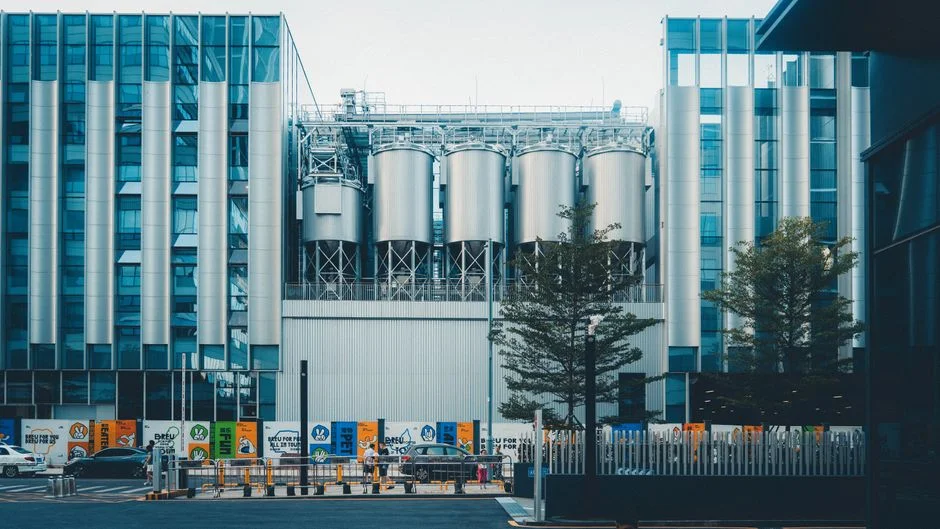
DAF, biological treatment, MBR, UF and RO solve different removal problems, so they should be compared by contaminant role rather than by purchase price or footprint alone. A high-COD factory may need several of them in series, while a stream dominated by recoverable oil may need more treatment before the biological stage than a readily biodegradable discharge.
| Option | Principal target and role | Published equipment envelope | Information needed before sizing |
|---|---|---|---|
| DAF | Suspended solids, floatable oil and grease, and colloidal matter before biological treatment or polishing | HydropureWater catalogue: 4–300 m³/h across 13 standard models | Peak flow, TSS, oil and grease, particle characteristics, pressure and utility availability |
| Biological treatment | Reduces biodegradable BOD and COD | No universal flow or performance envelope established by the supplied research | COD and BOD, toxicity, salinity, temperature, pH, load variation and target organic removal |
| MBR | Combines activated-sludge treatment with membrane solids separation | HydropureWater system: activated sludge with submerged PVDF membrane filtration, filtration below 1 μm, 10–2,000 m³/day | Flow, organic load, fouling tendency, cleaning method, solids concentration and permeate target |
| UF | Acts as a solids barrier or membrane pretreatment stage | HydropureWater catalogue: hollow-fiber PVDF membranes at 0.03 μm, 2,000–40,000 L/h, backwash and air scour, turbidity acceptance up to 300 ppm | Flow, temperature, feed turbidity, solids load, backwash, chemicals and expected flux decline |
| RO | Polishes dissolved salts for reuse where required | HydropureWater catalogue: permeate recovery up to 95% | Feed salinity, composition, recovery target, pretreatment needs, fouling and concentrate disposal |
The MBR membrane bioreactor is appropriate where compact biological treatment and solids separation are both required, but it does not remove the need to prevent oil, excessive solids or incompatible chemicals from reaching the membrane.
UF is primarily a physical barrier: it retains suspended material but does not reliably remove dissolved salts or biodegradable organics by itself. RO can provide dissolved-salts polishing, but it should not be presented as a substitute for oil removal, solids separation or most biodegradable COD pretreatment.
Use a combined train when the stream contains both recoverable organics and a reuse requirement. A practical sequence may be DAF or clarification, followed by biological treatment, then an MBR or UF solids barrier before RO. The final combination should follow measured contaminants and the named reuse specification rather than the number of technologies included.
What changes when the objective is reuse rather than discharge
Reuse changes the required evidence, not simply the equipment list: treated water must match the conditions imposed by a specific process, site or public-health application. APK Aquatech’s 2025 commercial reference identifies industrial processes, irrigation, cooling and other non-potable uses as reuse routes, but a buyer should not infer potable suitability from COD reduction alone.
Jaipur’s infrastructure context adds another constraint. India Water Portal reports that Jaipur’s centralised sanitation system covers 60% of the city and 80% of its population, with 730 kilometres of sewer lines and 442 MLD of installed treatment capacity. The same account reports water supply of approximately 90 lpcd, frequent sewer choking, treatment plants operating below installed capacity and wastewater not consistently meeting prescribed standards. These conditions support careful planning for on-site treatment and controlled reuse, but they do not provide a factory discharge or reuse specification.
For each reuse destination, obtain its process limits and operating conditions. Industrial processes may control temperature, pH, dissolved salts, residual chemicals or scaling tendency; cooling may also require control of suspended solids, hardness and microbiological effects; cleaning applications may have product-contact requirements; and irrigation involves an environmental and public-health assessment. Potable application requires a separate regulatory and public-health review that cannot be replaced by an equipment supplier’s general reuse statement.
Request residual indicators appropriate to the application, including residual salts, microbial indicators, temperature and pH. The 2021 Frontiers in Microbiology Jaipur study also found that antibiotic-resistance gene and biocide- or metal-resistance-gene abundance decreased significantly after treatment at JC and JNU, but not at EHCC. That difference reinforces the need for application-specific monitoring rather than assuming every treatment train produces the same biological response.
Where solids must be removed before a polishing stage, assess clarification or filtration equipment together with the downstream membrane train. HydropureWater’s high-efficiency sedimentation tank should be selected from settleability and solids data, while its RO and UF membrane elements should be selected only after the upstream water quality and fouling mechanisms are defined.
Build a supplier-ready specification for Jaipur
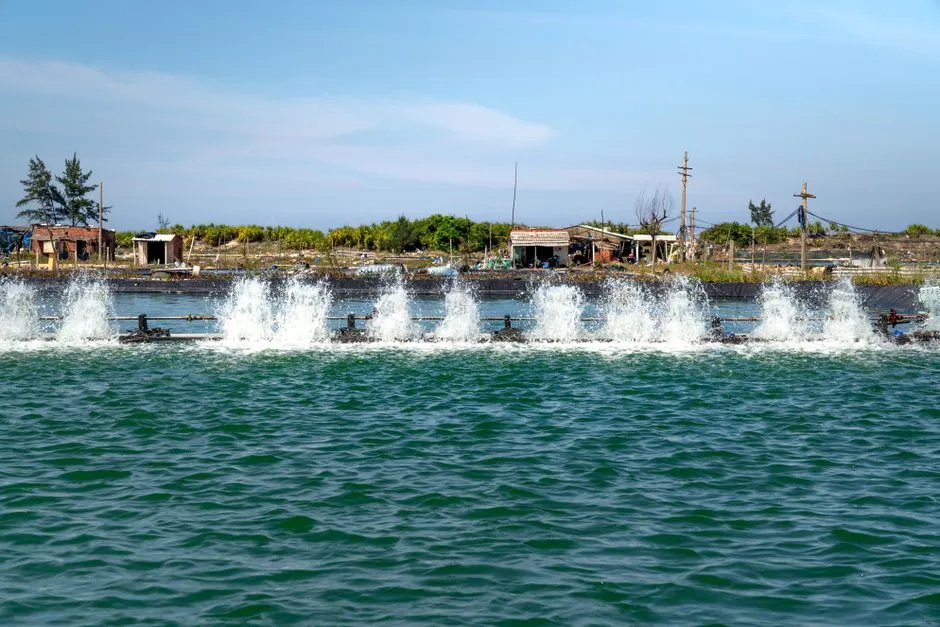
A supplier should be selected on the completeness of its design basis, performance evidence and operating guarantees—not on the number of technologies included in the quotation. Ask bidders to identify how each stage addresses the measured COD, BOD, TSS, oil, pH, toxicity and salinity loads, and which unit remains responsible for each performance guarantee.
| Procurement item | Information the bidder must state | Buyer check |
|---|---|---|
| Design basis | Flow range, complete analysis, production schedule, intended discharge or reuse route and governing design conditions | Does the design use peak and variable loads rather than averages alone? |
| Equipment scope | Process stages, duty/standby arrangement, materials, instruments, utilities and control philosophy | Are exclusions, tie-ins and future expansion requirements explicit? |
| Membrane sizing | Flow, temperature, anticipated fouling, cleaning method, recovery target and permeate quality | Compare with the published UF and RO envelopes without assuming catalogue performance applies automatically |
| Residuals | Waste, sludge, spent chemicals, membranes and concentrates | Are collection, storage, handling and disposal responsibilities assigned? |
| Commissioning and guarantees | Test methods, acceptance criteria, training, documentation and performance testing | Are achieved limits guaranteed through pilot or plant performance tests? |
| Operating cost | Energy, chemicals, membrane cleaning, sludge disposal, operator attendance and reuse value | Compare the complete operating basis, not only initial equipment cost |
The supplied research establishes no universal Jaipur COD discharge limit. Specify the applicable regulatory and consent conditions, then require the treatment system’s achieved limits to be demonstrated through pilot work or performance testing. A commitment should also cover peak-load operation, not only clean-water output.
Residual management belongs in the tender. A plate-and-frame filter press may be relevant where dewatering a selected sludge stream is justified, but its capacity must follow the actual solids production and desired moisture condition. The required valves, filter media and treatment parts should likewise be tied to the selected process rather than added as a generic package.
Ask for an operating-cost breakdown covering energy, chemical consumption, membrane cleaning, sludge disposal and operator attendance. APK Aquatech’s 2025 reference identifies chemical use, disposal cost and equipment protection as relevant considerations but supplies no general price figure. Therefore, request a site-specific quotation and operating estimate rather than rely on an unsupported generic budget number.
Frequently Asked Questions
What capacity of DAF, MBR or RO does a Jaipur factory need?
No defensible capacity can be selected without peak flow and the complete wastewater analysis. Give bidders the flow profile, COD, BOD, TSS, pH, temperature, oil and grease, toxicity and dissolved salts, then require each bidder to state the sizing calculation and operating envelope. A catalogue capacity alone is not a design basis.
Should a factory choose DAF, biological treatment or RO?
DAF primarily removes floatable and suspended material; biological treatment reduces biodegradable organics; RO addresses dissolved salts after suitable pretreatment. Use them according to the contaminant profile, and combine them when the wastewater requires both COD reduction and reuse polishing.
What should a buyer request before accepting a supplier’s quotation?
Request a signed design basis, peak-flow schedule, complete analysis, process flow diagram, equipment duty data, utility requirements, instrument and PLC/SCADA scope, residual-handling plan, commissioning tests and performance guarantees. For membranes, also require feed conditions, fouling assumptions, cleaning method, recovery and permeate-quality criteria.
How should suppliers be compared for compliance and industrial reuse?
Compare suppliers against the named application and verified performance—not generic “reuse” or “compliance” claims. Ask each bidder to identify the governing discharge or reuse requirement, the stage responsible for meeting it, the proposed monitoring and the pilot or commissioning evidence. A guarantee tied to a defined parameter and test method is more useful than a broad statement that the system is compliant.
Related Equipment
- industrial DAF wastewater system — specifications, capacity range, and technical data