What Panama City Requires Before Sewer Discharge
Petroleum plants near Panama City generally meet pretreatment requirements by characterizing each wastewater stream, controlling oil and grease with approved treatment equipment, and demonstrating compliance before discharge to the city sewer. The confirmed local requirement is a 150 mg/L FOG limit under the City of Panama City’s FOG ordinance. EPA explains that POTW local limits are site-specific, may be numeric or narrative best management practices, and apply at the industrial user’s connection to the collection system. A defensible treatment train therefore combines source control, oil-water separation, DAF for emulsified oil and suspended solids, pH control where needed, final sampling, documentation, and controlled waste disposal.
The target here is an indirect discharge to the City of Panama City sanitary sewer, not a direct discharge to surface water or a storm drain. The City’s FOG ordinance prohibits a FOG-producing establishment from discharging oil and/or grease above 150 mg/L. It also states that oil-water separators must meet the same requirements as gravity grease interceptors when the allowable FOG discharge does not exceed 150 mg/L.
| Requirement | Confirmed position | What the plant must obtain |
|---|---|---|
| FOG discharge | No FOG-producing establishment may discharge oil and/or grease above 150 mg/L under the City of Panama City FOG ordinance. | Current ordinance text and written confirmation of how the limit applies to the plant. |
| Other pollutants | The supplied research does not establish a separate Panama City limit for petroleum hydrocarbons, total oil and grease, or pH. | Site-specific requirements for TPH, total oil and grease, pH, and other pollutants in the utility’s documents. |
| Local limits | EPA identifies POTW local limits as site-specific and potentially numeric, narrative, or BMP-based; they apply at the point of connection. | Industrial-user permit, local-limit worksheet, BMPs, sampling point, monitoring frequency, reporting protocol, and approval contacts. |
| Equipment approval | The City ordinance identifies grease interceptors, traps, and other City-approved FOG remediation devices as grease-control equipment. | Written confirmation that the proposed separator, DAF, controls, and disposal arrangements are acceptable for the permitted discharge. |
EPA’s local limits guidance explains that an indirect discharger’s obligations are determined by the POTW’s permit or equivalent industrial-user control mechanism. That distinction matters: the 150 mg/L FOG figure is confirmed, but it does not establish a generic Panama City limit for every petroleum constituent. Obtain the applicable industrial-user permit, sewer-use requirements, approved sampling point, pollutants of concern, monitoring frequency, and reporting protocol in writing. A chemical plant pretreatment compliance workflow can help structure the permit review, but local approval remains the controlling requirement.
Build a Source-by-Source Wastewater Profile
A petroleum plant cannot size pretreatment from a single composite sample or average flow. The relevant design basis comes from representative streams, operating variability, and the pollutants named in the plant’s written requirements.
Start with an inventory that separates process water, equipment wash water, oily floor washings, stormwater-contaminated drains, and hauled waste. Record each stream’s flow and operating variability, including slug conditions and cleaning cycles. Keep clean cooling or process water separate from oily wash streams where practical. Otherwise, diluted flow can make the treatment train appear larger than necessary while concentrated batches still overload the separator or DAF.
Sample representative conditions rather than relying only on clean water or a single laboratory composite. Test the parameters identified in the permit, including FOG or TPH as required, oil and grease, suspended solids, and pH. Hazen and Sawyer explains the constituent distinction: petroleum-based hydrocarbons are non-polar TPH, while animal-vegetable fats, oils, and grease are polar FOG. That distinction supports constituent-specific sampling; a generic oil-and-grease result should not be treated as proof that TPH compliance has been demonstrated.
| Stream or condition | Information to collect | Engineering implication |
|---|---|---|
| Process water | Flow variability, oil content, temperature, pH, and constituent-specific results. | Identify whether the stream is clean, continuously oily, or affected by intermittent releases. |
| Equipment wash water | Cleaning frequency, detergent or solvent use, surfactants, and flow during wash cycles. | Determine whether emulsification or chemical conditioning will interfere with gravity separation. |
| Oily floor washings | Representative oil and grease results, suspended solids, free oil, and slug conditions. | Check whether free-oil recovery and solids handling can operate between cleaning events. |
| Stormwater-contaminated drains | Drain routing, rainfall exposure, flow, and the utility’s stormwater restrictions. | Keep contaminated stormwater outside the sanitary train where required and prevent dilution from masking concentrated flows. |
| Hauled waste | Waste origin, volume, characterization, transporter, and disposal destination. | Address the waste as a separate approval and recordkeeping obligation. |
Pay particular attention to emulsified oil, surfactants, high pH, and suspended solids. These conditions can complicate gravity separation and affect flotation performance. The Hazen and Sawyer case also demonstrates why one result can be misleading: a laundry facility using animal-vegetable soils had FOG and TPH noncompliance after its local limits changed, even though it did not clean textiles with petroleum residue. For petroleum-related plants, the same lesson applies: establish the actual constituents before selecting a test, treatment objective, or sampling frequency.
Document sampling locations, flow data, analytical methods, operating conditions, and observations such as visible free oil or emulsions. This record also gives the utility the evidence needed to review the proposed treatment train. The source-by-source approach used for industrial pretreatment limits for automotive plants transfers directly to petroleum facilities, but the local Panama City permit must determine the actual pollutants and compliance point.
Design the Pretreatment Train in the Right Order
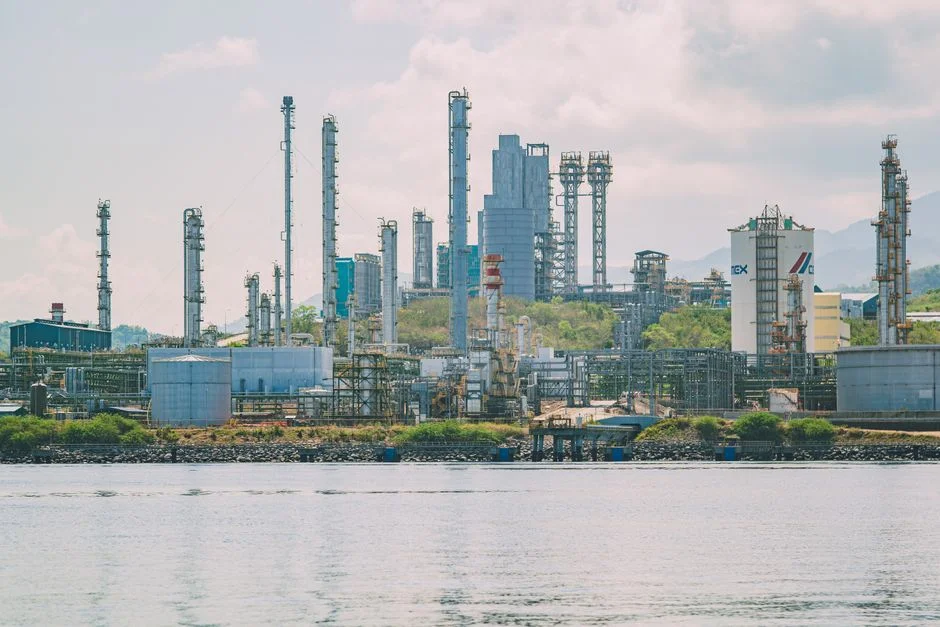
The correct treatment sequence starts with preventing unnecessary oil and wash water from entering the sewer, then removes free oil before attempting finer separation. DAF and chemical dosing are later stages whose value depends on the stream characterization and confirmed limits.
- Control the source. Minimize unnecessary oil, cleaning chemicals, and wash-water volume. Keep stormwater out of sanitary drains where the local program requires it. Panama City’s FOG ordinance also requires FOG-producing establishments to post and implement required BMPs in employee areas to help prevent FOG discharge.
- Equalize the wastewater. Use equalization to moderate slug loads and provide consistent flow and chemistry to downstream treatment. Confirm available volume against the plant’s documented flow profile; the supplied research does not establish a universal sizing criterion.
- Recover free oil. Route the stream through an oil-water separator or another City-approved gravity stage designed to recover separable oil before the wastewater reaches more sensitive processes.
- Remove emulsified oil and solids. Apply appropriate conditioning and an industrial DAF system for petroleum wastewater when the treatment objective includes emulsified oil, recoverable FOG, and suspended solids. DAF is not a substitute for controlling free oil at its source.
- Control chemistry. Use a PLC-controlled chemical dosing system when the written limit or process design requires pH adjustment, coagulation, or demulsification. Confirm compatibility with the petroleum stream, downstream equipment, and utility requirements before approving the chemical program.
- Verify before discharge. Route treated wastewater through final sampling and monitoring before it enters the City sewer. EPA identifies the industrial user’s point of connection to the POTW collection system as the location where local limits apply.
- Protect against off-spec discharge. Provide a hold tank, off-spec route, or documented controlled-response procedure so a failed result can be investigated without creating a continuing discharge violation.
This order matters because each stage has a defined job. The separator handles recoverable free oil; DAF addresses material that gravity separation will not reliably capture; chemical dosing establishes the condition needed for treatment or compliance; and final sampling tests the complete train. A DAF unit placed ahead of adequate free-oil recovery can receive a feed with variable oil regimes that were never characterized.
The treatment train must also match the permit’s monitoring plan. EPA identifies sampling locations and methods as part of the industrial-user control process, while the City ordinance establishes FOG-control equipment requirements. Final design should identify the approved compliance point, sample-grab or composite protocol, analytical methods, monitoring frequency, reporting forms, and responsible personnel before commissioning.
Choose DAF or a Clarifier from the Wastewater Profile
DAF and a lamella clarifier should be compared against the removal objective, feed characteristics, footprint, recovered sludge, chemical demand, controls, and disposal route—not by nominal capacity alone.
Choose DAF when the required outcome includes recovery of emulsified oil, FOG, and suspended solids from petroleum or petrochemical wastewater. The available DAF range covers 4–300 m³/h across 13 standard models. This range identifies catalog capacity, not a site-specific guarantee; final sizing still requires representative wastewater characterization, flow data, and the written discharge limits.
Choose a lamella clarifier when the primary objective is solids capture and sludge clarification in an inclined-plate separation format. The available catalog reports surface-loading rates of 20–40 m/h and up to 30% lower chemical consumption. Those figures are supplier catalog data, not evidence of performance on a Panama City petroleum stream.
| Selection factor | DAF | Lamella clarifier |
|---|---|---|
| Primary treatment objective | Emulsified oil, recoverable FOG, and suspended solids. | Solids capture and sludge clarification. |
| Available catalog range | 4–300 m³/h across 13 standard models. | Surface-loading rates of 20–40 m/h. |
| Chemical demand | May require coagulant, flocculant, pH adjustment, or demulsification chemistry. | Catalog reports up to 30% lower chemical consumption; applicability requires confirmation on site wastewater. |
| Recovered material | Float sludge carrying recovered oil and solids. | Settled sludge requiring withdrawal and disposal. |
| Decision still required | Test emulsification, surfactants, slug loading, and petroleum-hydrocarbon response. | Test settling behavior, sludge properties, and whether oil removal is adequately addressed upstream. |
For the chemical side of the decision, the catalog describes automatic PLC-controlled injection of coagulants, flocculants, pH adjusters, and specialty chemicals. Request the chemical basis, expected consumption, storage requirements, control sequence, and compatibility confirmation rather than accepting a generic feed rate.
Ask for a vendor pilot or representative performance test when emulsification, surfactants, slug loading, or a petroleum-hydrocarbon limit makes catalog data inadequate. A lamella clarifier for sludge separation may fit a solids-focused train, while DAF is more directly aligned with emulsified-oil and FOG recovery. The broader DAF versus clarifier engineering comparison provides a useful decision structure, but the wastewater profile controls the final choice.
Compare maintenance access, sludge removal, odor control, utilities, controls, operator training, and downstream disposal in the supplier evaluation. Those items determine whether the equipment can be inspected, cleaned, and operated under the City’s requirements.
Verify Performance and Maintain the Compliance File
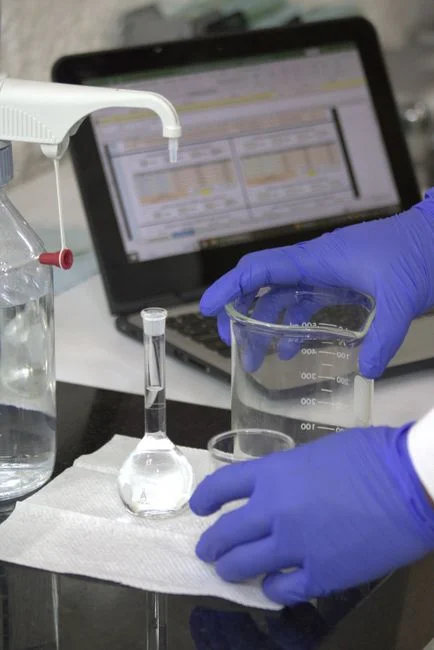
Compliance must be demonstrated on representative wastewater at the utility-approved discharge point, then maintained through operating records rather than a single certificate.
Commission the complete train using representative wastewater and conduct performance testing before normal discharge. Collect the final sample at the point identified in the industrial-user permit and approved sampling protocol. Analyze the result against the plant’s written numerical limits and narrative BMPs. Do not use the FOG, TPH, total-oil-and-grease, or pH values discussed in Hazen and Sawyer’s survey of other utilities as substitutes for Panama City requirements.
Maintain an operating file that allows an inspector or reviewer to reconstruct performance. At minimum, it should include:
- Daily or operating-period flow, including equalization levels and significant slug events;
- Free-oil removal, separator condition, DAF performance, and recovered-sludge volumes;
- pH, chemical dosage, operating conditions, and calibration or maintenance status;
- Sludge withdrawal, waste-hauler records, inspection results, and disposal documentation;
- Analytical reports, sampling records, alarms, deviations, corrective actions, and return-to-service decisions;
- Utility communications, permit correspondence, training, and best management practices.
Panama City’s FOG ordinance states that grease-control-equipment cleaning frequency must not exceed 90 days unless the City grants written approval. It also states that the City may require the grease-waste hauler or establishment to contact the FOG Program by telephone at least 24 hours before cleaning, pumping, maintenance, inspection, or certification. Build those requirements into the service contract and work-order procedure.
Dispose of interceptor waste under the City’s FOG ordinance and retain hauler records. A plate-frame filter press may be relevant to recovered sludge handling, but equipment selection for dewatering must follow the waste characteristics and disposal route; the available filter press system is not itself proof of disposal acceptance. The chemical-plant compliance workflow described here provides a useful file-structure reference.
For off-spec results, stop or divert the affected flow as the permit requires, investigate the cause, document the response, and obtain approval before returning to normal discharge. The objective is evidence of controlled prevention, not a retrospective explanation after an uncontrolled release.
Pretreatment Procurement and Approval Checklist
The design basis should be complete before equipment is ordered, because changes to the permit, sampling point, wastewater profile, or sludge-disposal route can change the required configuration.
- Obtain controlling documents. Request the current sewer-use ordinance, industrial-user permit, local-limit worksheets, BMP requirements, sampling protocol, reporting forms, and approval contacts from the City.
- Define the wastewater. Give each shortlisted supplier the source-by-source characterization, flow profile, representative analytical results, required end-of-pipe result, available footprint, utilities, sludge-handling expectation, controls requirement, and project schedule.
- Require performance evidence. Ask the supplier to identify which performance data are guaranteed, which require site wastewater, and what pilot evidence supports emulsified-oil or FOG removal.
- Align maintenance and notifications. Confirm how separator or DAF cleaning, inspection, sludge withdrawal, and waste-hauler coordination will satisfy the City’s written notice and cleaning-frequency requirements.
- Resolve approvals before connection. Confirm whether treatment alone is sufficient or whether a pretreatment permit, permit amendment, engineering review, equipment approval, or signed acceptance is required before sewer connection or discharge.
- Compare lifecycle requirements. Review chemicals, sludge removal, maintenance, controls, operator training, spare parts, monitoring, and disposal—not only initial equipment cost.
For supplier comparisons, the DAF versus clarifier guidance for chemical wastewater and fabricated-metals wastewater equipment comparison can support technical questions, but neither replaces approval under the plant’s Panama City permit. Ask each supplier to state its basis for sizing and performance and identify every assumption that still requires site confirmation.
A purchase order should make approval and performance conditions explicit: required documents, sampling method, acceptance criteria, pilot obligations, utilities, controls, training, documentation, schedule, and treatment of unresolved permit comments. This prevents a technically adequate unit from becoming a compliance liability because its operating basis or documentation was never accepted by the utility.
Frequently Asked Questions
Does the Panama City 150 mg/L limit also cover total petroleum hydrocarbons?
No. The confirmed City of Panama City FOG ordinance states that a FOG-producing establishment may not discharge oil and/or grease above 150 mg/L, but the supplied research does not establish a separate Panama City petroleum-hydrocarbon limit. Petroleum-based hydrocarbons are non-polar TPH, while animal-vegetable fats, oils, and grease are polar FOG. Obtain the plant’s written permit and local-limit worksheets to determine whether TPH, total oil and grease, or other petroleum constituents apply and how each is to be sampled.
What DAF capacity should a petroleum plant near Panama City select?
The available DAF range is 4–300 m³/h across 13 standard models, but that catalog range cannot select a unit by itself. Final sizing requires representative stream-by-stream wastewater characterization, normal and peak flow data, emulsification and surfactant conditions, the confirmed end-of-pipe results, footprint, and sludge-handling requirements. Treat the range as available equipment capacity, then require the supplier to show how the proposed model handles the actual petroleum stream.
How should a buyer select a wastewater-treatment supplier?
Require evidence on representative wastewater and ask the supplier to distinguish guaranteed performance from catalog claims. Evaluate treatment guarantees, analytical methods, controls, maintenance support, operator training, utilities, sludge removal, disposal coordination, and experience supplying documentation for utility approval. Also confirm that the supplier will respond to City comments and provide performance records at the approved compliance point. A representative pilot is the appropriate check where emulsification or slug loading creates uncertainty.
What drives the cost of a petroleum pretreatment system?
The principal cost drivers are the selected treatment train, flow and equalization requirements, chemical consumption, controls, recovered-oil and sludge handling, equipment installation, utility connections, maintenance, monitoring, and disposal. No supported quotation, payback period, or generic equipment price is available for this project. Request itemized vendor pricing using the wastewater profile, written discharge limits, footprint, utilities, controls requirement, sludge destination, and delivery schedule; then compare lifecycle costs rather than purchase price alone.
What creates the greatest compliance risk after treatment is installed?
Treatment failure is only one risk. Missing permit conditions, an unapproved sampling point, incomplete monitoring, missed equipment-cleaning notifications, inadequate BMPs, and missing hauler or disposal records can create violations even when treatment performance is acceptable. Maintain a compliance file linking the permit requirements to current procedures, operating records, analytical results, maintenance history, corrective actions, and final waste-disposal documentation.