What Changes the DAF-versus-Clarifier Decision
Cincinnati pharmaceutical factories should choose DAF when the pretreatment objective is removing suspended solids, colloids, oil and grease, or other floatable contaminants from variable or light-loading streams; choose a lamella clarifier when settleable solids dominate and lower operating costs, compact separation, and predictable sludge handling are priorities. Neither device is a complete biological or pharmaceutical wastewater treatment process. The final choice should follow wastewater characterization, jar and pilot testing, downstream treatment objectives, and Cincinnati discharge or pretreatment requirements.
Dissolved air flotation is a clarification process in which micro-bubbles attach to suspended or flocculated material, float it, and transfer it to a skimming system. Gravity clarification instead removes solids as sludge; inclined plates increase the effective separation area in a lamella design. That physical difference determines which contaminants each process is positioned to capture.
Pharmaceutical wastewater should not be treated as one uniform stream. Separate production rinse water, equipment and floor washing, formulation or active-ingredient losses, solvent-bearing streams, and batch dumps. Each can present a different flow profile and combination of solids, oil and grease, COD, toxicity, and soluble contaminants. Batch-discharge frequency and cleaning chemistry can change faster than the daily average flow suggests.
Before selecting equipment, request a stream-by-stream characterization covering flow range, TSS, settleable solids, oil and grease, COD, pH, toxicity, temperature, and batch-discharge frequency. The review should also identify downstream biological, membrane, adsorption, oxidation, or reuse requirements.
Neither DAF nor lamella clarification removes dissolved pharmaceutical residues as a complete treatment objective, and neither reliably satisfies biological or membrane treatment requirements by itself. For detergent-bearing streams, ultrafiltration treatment for wastewater containing detergents illustrates why the downstream process must be evaluated separately. Likewise, pretreatment guidance for high-COD trade waste reinforces the need to define the complete treatment train rather than purchase clarification from a contaminant-removal table alone.
DAF and Lamella Clarifier Compared for Pharmaceutical Wastewater
DAF is the stronger physical match when the target contaminants float or can be conditioned into floatable flocs, while lamella clarification is the stronger match when gravity-settling behavior and sludge withdrawal drive the design. Clearwater Industries, accessed in 2026, describes DAF as using 30–50 micron micro-air bubbles that attach to impurities and flocculated particles; a skimming system then removes the floating sludge blanket. Clarified water is recovered below that blanket and above settled sludge.
Clarifiers rely on gravity sedimentation, making them appropriate when heavier, readily settleable solids dominate. Ecologix Systems, accessed in 2026, reports 90% solids reduction at lower cost in a heavy-sediment mining example. That result illustrates the application but does not predict pharmaceutical performance. In a separate food-processing commercial example on the same stream, Ecologix reports 95% oil-and-grease removal by DAF versus 70% by a clarifier. These are vendor-published examples from other industries, not pharmaceutical acceptance data.
Chemical conditioning is part of DAF performance, not an accessory line item. Clearwater Industries describes pH adjustment, coagulant and flocculant dosing, and flash-mixing contact times of 15–45 seconds. Its mix-tank contact time is application-specific and must be established through jar testing. Most DAF systems also include a sediment compartment or basin with sludge extraction, so the purchase scope must cover both floating and settled solids.
The industrial DAF system for pharmaceutical pretreatment should therefore be evaluated as an air-saturation, hydraulic-separation, chemical-conditioning, and sludge-management system. The high-efficiency lamella clarifier combines sludge recirculation, flocculation, and inclined-plate separation; its stated surface-loading rates are 20–40 m/h, with chemical consumption reduced by up to 30%. Those supplier-stated values require confirmation against the plant’s selected design basis and conditioning regime.
DAF can also be one stage within a larger treatment train. Veolia Water Technologies’ Pennsylvania confectionery facility, accessed in 2026, combined IDRAFLOT DAF with anaerobic, biological, filtration, and biogas-desulfurization technologies for a 1.2 MGD wastewater plant carrying 34,570 lb/day COD. The food-sector example demonstrates process integration, not a pharmaceutical performance guarantee.
| Selection factor | DAF | Lamella clarification |
|---|---|---|
| Physical separation | Micro-bubbles float suspended or flocculated solids; skimming removes the floating blanket | Gravity sedimentation forms sludge; inclined plates increase effective separation area |
| Best contaminant fit | Oil, grease, floatable material, colloids, and suitable flocculated solids | Heavy, readily settleable solids |
| Chemical conditioning | pH adjustment, coagulation, and flocculation are commonly part of performance | Flocculation and sludge recirculation are stated design features |
| Solids handling | Floating sludge plus settled sludge from a sediment compartment | Concentrated settled sludge requiring a defined withdrawal and dewatering route |
| Evidence to request | Comparable pharmaceutical stream data or pilot results under a defined chemical regime | Comparable pharmaceutical stream data, plate-area basis, and sludge-yield results |
Map Each Waste Stream to the Right Pretreatment Role
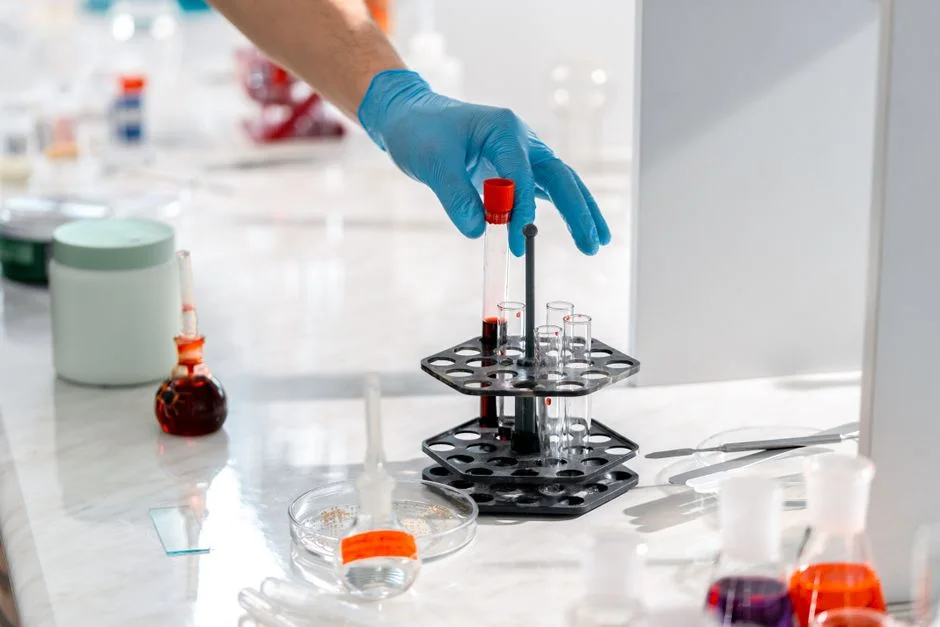
Route floatable-rich wash water toward DAF after equalization and chemical conditioning when the objective is concentrated oil, grease, and solids removal before biological treatment. This sequencing also helps protect downstream process units from variable loads, but equalization must accommodate the actual batch-discharge profile rather than only daily averages.
Clarification equipment selection requires matching the physical properties of the waste stream to the specific separation technology. Consider lamella clarification when the clarified stream contains a high proportion of settleable solids and the plant prioritizes gravity separation, compact equipment layout, and lower routine chemical use. Ecologix Systems, accessed in 2026, says clarifiers generally have lower operating costs, while DAF may be more cost-effective for specific oily contaminants. That cost direction is not a substitute for a scoped bid comparison.
Consider a hybrid arrangement when a stream contains both floatable oils and heavy solids. Ecologix states that DAF and clarifiers can be combined to address complex wastewater streams: flotation can recover oily material, while gravity separation captures heavier solids. The arrangement should be justified by stream data, not used as a default compromise.
Do not infer active-ingredient removal from general contaminant claims. Dissolved residues require an appropriate downstream biological, adsorption, oxidation, membrane, or other validated process. The factory wastewater clarification comparison provides another selection framework, while biological treatment comparisons show why downstream objectives must be stated before pretreatment equipment is specified.
If reuse is a project objective, evaluate the complete train and its reuse restrictions. Clarification alone does not produce reusable pharmaceutical-process water. Veolia Water Technologies’ Cincinnati MadTree Brewing example, accessed in 2026, combines reverse osmosis with ongoing infrastructure service and maintenance; it concerns brewery water, not pharmaceutical pretreatment, but it demonstrates the difference between one treatment device and an integrated water system.
Build the 2026 Equipment Selection and Procurement Checklist
Size from the maximum simultaneous flow and contaminant loading, not only average daily flow. Require the pharmaceutical operation to provide peak-flow, batch-dump, future-production, cleaning-cycle, and worst-case simultaneous-discharge scenarios. A bidder should then state how those scenarios affect the selected DAF or lamella design basis.
Every bidder should identify the design flow, contaminant-loading basis, hydraulic recovery method, solids inventory, operating envelope, and treatment objective. For DAF, request the recirculation, air-saturation, pressure-release, and skimming arrangements, together with controls for flow, pressure, level, chemical dosing, and sludge withdrawal. For lamella clarification, require the plate configuration, sludge recirculation, flocculation arrangement, sludge-discharge method, and basis for its stated surface-loading rate.
Chemical demand, polymer and coagulant storage, operator attention, maintenance access, available utilities, and downstream sludge-dewatering requirements should appear as separate bid items. Sludge characteristics cannot be separated from equipment selection. The proposed plate-frame filter press should be evaluated against the expected sludge, not treated as a guaranteed downstream solution.
Require performance data from a comparable pharmaceutical wastewater stream or a pilot test. Food, mining, and other industrial examples establish mechanism and operating considerations, but they are not guaranteed pharmaceutical results. The automatic chemical dosing system should therefore be specified with the coagulants, flocculants, pH controls, storage, and metering duties established by testing.
Include commissioning, controls integration, operator training, spare parts, warranty terms, and contingency for a failed or offline unit in the procurement scope. Redundancy should follow the consequence of loss, the time available to restore service, and whether a bypass can protect downstream treatment. Screen protection can also affect the treatment train, so evaluate the rotary mechanical bar screen where retained solids or debris could interfere with pumps and clarification equipment.
| Bid item | Required information | Buyer check |
|---|---|---|
| Design basis | Maximum simultaneous flow, batch-discharge scenario, contaminant loading, future production | Scenario matches plant operations and excludes unsupported averaging |
| DAF arrangement | Recirculation, air saturation, release, skimming, sediment withdrawal, controls | Hydraulic stability and sludge inventory are defined |
| Lamella arrangement | Plate area and loading basis, flocculation, recirculation, sludge discharge | Plate area and sludge route are independently checked |
| Chemicals and utilities | Dosing rates, storage, contact time, mixing, available power and air | Consumption comes from representative testing |
| Performance evidence | Comparable pharmaceutical data or pilot report | Guarantee states its chemical-conditioning regime |
| Scope and resilience | Commissioning, training, spares, warranty, redundancy and contingency | Offers are compared on the same operating basis |
Validate the Choice With Bench and Pilot Testing
Bench and pilot testing is the step that converts a preliminary DAF-versus-lamella preference into a defensible purchase decision. Use representative samples across normal production, cleaning, and batch-discharge conditions. Characterize pH, TSS, settleable solids, oil and grease, COD, and relevant toxicity indicators.
Run jar tests to establish coagulant, flocculant, pH, mixing, and settling behavior before comparing vendor guarantees. Chemical selection and contact time must be developed against the actual stream rather than inherited from another industry.
Pilot the candidate DAF and lamella arrangements using the proposed chemical-conditioning regime. Measure solids removal, oil removal, sludge yield, hydraulic stability, and downstream effects. Document startup, shutdown, bypass, and batch-dump response, because clean laboratory samples will not reveal weaknesses during transient operations.
Use pilot results to update chemical consumption, sludge-handling assumptions, and final equipment size. The 2025 dosing-pump selection guide is useful for checking metering-system requirements, but the operating regime must still be established from the plant’s wastewater and pilot results.
Frequently Asked Questions
Which option has the lower cost for pharmaceutical wastewater pretreatment?
General cost direction favors clarifiers because Ecologix Systems, accessed in 2026, says they generally have lower operating costs; DAF may be more cost-effective for oils and greases. For a purchase, request a stream-specific scope with chemical consumption, utilities, sludge handling, maintenance, disposal, controls, and excluded work. No defensible project price can be selected from the supplied research alone.
How should a Cincinnati pharmaceutical plant size DAF versus lamella clarification?
Size DAF around maximum simultaneous and batch-discharge flow plus the contaminant-loading basis. For lamella clarification, check plate area, stated loading basis, hydraulic recovery, and sludge-handling capacity. These are different checks; average daily flow is not an adequate design case.