What Changes for Alexandria Manufacturers in 2026
In 2026, Alexandria manufacturers should treat high-COD trade waste as a source-controlled pretreatment problem followed by biological treatment and, where required, membrane or other polishing. The process begins with equalization and wastewater characterization, followed by pH control and targeted chemical dosing; dissolved air flotation is appropriate when suspended solids, oil, grease, colloids or floatable material interfere with biological treatment. A 2026 Scientific Reports industrial study demonstrated approximately 75–80% COD removal through solvent-assisted phase separation for ethylene glycol effluent, while coagulation–precipitation removed suspended and colloidal matter and tertiary polishing achieved 100% decoloration. The exact train depends on COD, flow variability, pH, toxicity, nutrients and reuse requirements.
The public wastewater infrastructure provides receiving context, not a factory pretreatment design. The Alexandria East plant has a stated total capacity of 800,000 m³/day, according to The Arab Contractors. SUEZ reported that the plant treated an average of 675,000 m³/day in 2015, while recent peak flows had reached 1,120,000 m³/day. These municipal figures demonstrate the scale and hydraulic variability of Alexandria’s receiving system; they do not establish the flow, COD or treatment performance required for an individual factory.
That distinction matters because industrial effluent can differ substantially in composition, concentration and discharge pattern from municipal sewage. A manufacturer must design around its own production schedule, batch releases, contaminants and required endpoint. The Alexandria West project description from the EIB identifies sustainable effluent and sludge management, depollution, and protection of Lake Maryout, El Mex Bay and the Mediterranean Sea as receiving-environment priorities. Factory decisions should therefore connect pretreatment performance with current influent data, future production changes and the applicable discharge or reuse conditions.
Resilient design is especially important where equalization capacity, biological loading or solids handling cannot absorb a sudden batch discharge. The plant-level choices should be tested against actual wastewater rather than inferred from municipal averages or an equipment catalogue. For biological routes, compare MBR versus conventional activated sludge for plastics wastewater and assess alternatives for other factory streams.
Characterize the Trade Waste Before Selecting Equipment
Representative sampling must precede equipment selection because COD alone does not reveal whether oil, colloids, suspended solids, soluble contaminants or toxicity will control biological performance. Build a campaign across normal production, peak production, batch discharges, clean-up operations and seasonal conditions, recording flow whenever each sample is collected. A single grab sample can miss the event that overloads equalization, changes pH or temporarily inhibits biology.
Request COD, biochemical oxygen demand, suspended solids, oil and grease, pH, temperature, conductivity, nutrients and process-relevant toxicity indicators. Also identify materials that may inhibit the biological stage, pass through the selected process, concentrate in sludge or interfere with a reuse specification. The required endpoint must be defined at the same time: direct discharge, controlled discharge to a receiving system, industrial wastewater reuse, sludge treatment or a combination of these.
Soluble contaminants require particular attention. The Scientific Reports study published on 28 January 2026 describes ethylene glycol wastewater as difficult to remove because of its high solubility, elevated COD and limited removal by conventional treatment systems. That finding is specific to the ethylene glycol case; it is not a general removal percentage for all soluble high-COD waste.
Use composite sampling to establish the operating envelope and event-based sampling to identify batch dumps. This separates normal load from episodic loading and gives the designer defensible inputs for equalization, chemical storage, biological loading and solids handling.
| Input | Why it changes the decision | Evidence to request |
|---|---|---|
| Flow and production pattern | Determines equalization, peak treatment and control-response requirements | Continuous flow record with event-based samples |
| COD and BOD | Indicates organic load and the treatment duty; it does not identify contaminant form | Composite and batch-event results |
| Suspended solids, oil and grease, and colloids | Indicates whether flotation or clarification should precede biology | Representative solids and O&G analysis |
| pH, temperature and toxicity indicators | Defines the need for adjustment and biological compatibility controls | Operating-range and shock-load data |
| Nutrients and reusable contaminants | Influences biological balancing and the required polishing endpoint | Nutrient analysis and reuse specification |
| Sludge and recovered-material destination | Links process selection to handling, disposal or reuse economics | Expected solids yield, hazardous-content assessment and handling route |
The resulting dataset should feed an automatic chemical dosing system for wastewater pretreatment only after the control objective and chemical demand have been defined.
Build a Pretreatment Train That Protects Biological Treatment
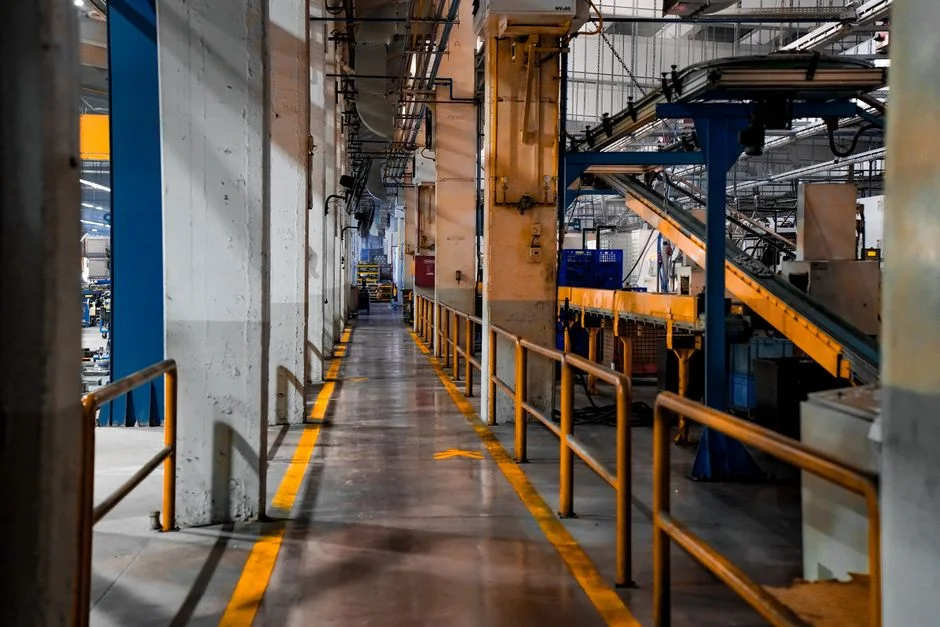
A robust high-COD train removes contaminants in the order that prevents downstream shock and membrane fouling. The sequence normally starts with equalization and flow control, then screening where rags or debris are present, pH adjustment where necessary, and physical removal of floatable or settleable material. Each stage needs a defined removal objective rather than a general expectation of “COD reduction.”
- Equalize and control flow. Mix production wastewater and clean-up discharges to reduce short-duration concentration and hydraulic shocks. Size this stage from measured flow variation, batch volume and required response time; historical municipal averages cannot substitute for factory data.
- Remove debris and gross floatables. Screening protects downstream pumps and vessels where fibrous or solid debris is present. Physical separation should precede equipment whose performance depends on relatively clean feed.
- Control pH and apply targeted chemicals. Dosing may correct pH, destabilize colloids, support flocculation or address a specifically characterized contaminant. Chemical type and dose should follow jar or pilot tests, with an automatic chemical dosing system for wastewater pretreatment selected for repeatable control and verified interlocks.
- Remove floatable material. A DAF system for industrial high-COD pretreatment is appropriate when suspended solids, oil and grease, colloids or floatable contaminants threaten biological treatment or membranes.
- Clarify precipitated solids. Coagulation and flocculation should be followed by solids separation when the objective is removal of suspended and colloidal matter. The 2026 Scientific Reports ethylene glycol study used coagulation–precipitation for that purpose.
- Address soluble high-COD streams. Source-specific pretreatment may be necessary. In that study, solvent-assisted phase separation achieved approximately 75–80% COD removal and enabled partial recovery of an EG-rich fraction. Those results apply to the study’s ethylene glycol effluent and should not be transferred to other soluble contaminants without validation.
- Finish with biological treatment and required polishing. Route the treated stream to biological treatment, MBR or another polishing stage according to the endpoint. DAF, clarification or chemical dosing alone does not establish soluble-COD compliance.
| Process stage | Primary function | Use it when | Key design evidence |
|---|---|---|---|
| Equalization | Flow and load buffering | Batch discharges or variable production create shocks | Flow hydrograph, batch volume and operating schedule |
| pH control | Protects downstream biology and dosing chemistry | Influent pH varies beyond the compatible operating range | Continuous pH record and dose-response testing |
| DAF | Floatation of oil, floatables and flocculated solids | O&G, colloids or floatables threaten biology or membranes | Flow, solids, O&G and flotation test results |
| Coagulation, flocculation and clarification | Removal of suspended and colloidal matter | Precipitation and settling are effective for the characterized stream | Jar tests, residual solids and sludge yield |
| Source-specific separation | Reduction or recovery of a soluble contaminant | The contaminant can be selectively separated or extracted | Contaminant-specific separation test and recovery quality |
| Biological treatment and polishing | Organics removal and endpoint compliance | The wastewater is biologically treatable after pretreatment | Toxicity, BOD, nutrients and target effluent quality |
When biological solids separation and a compact footprint are required, evaluate an integrated MBR wastewater treatment system against the pretreatment results and reuse requirements.
Match DAF, Clarification and Membrane Treatment to the Risk
DAF, lamella clarification and membrane treatment solve different problems, so the contaminant and required outcome should determine the selection. DAF is the appropriate pretreatment option when oil and grease, floatable material, colloids or suspended solids are the main threats. The cited DAF range covers 4–300 m³/h across 13 standard models, but that catalogue range is not a sizing calculation; the selected unit still requires factory flow and contaminant data.
Lamella clarification becomes the stronger option when flocculation and solids separation are central. A high-efficiency lamella sedimentation tank for wastewater clarification is specified with surface-loading rates of 20–40 m/h and chemical-consumption reductions of up to 30%. These figures describe the offered equipment; the buyer still needs settling-test results, flow distribution and required solids removal to verify applicability.
MBR combines biological treatment with membrane solids separation when the endpoint requires biological removal, a compact installation and a low solids carryover. The cited MBR specification gives filtration below 1 μm and capacities from 10 to 2,000 m³/day. Membrane selection should be checked against upstream solids, oil and grease, biological compatibility and the reuse specification rather than chosen only from nominal flow.
Ultrafiltration serves as a solids barrier or pretreatment for downstream reverse osmosis where suspended solids and colloids must be removed. The cited UF system has a specified pore size of 0.03 μm and a capacity range of 2,000–40,000 L/h. The industrial ultrafiltration system for solids-barrier and RO pretreatment should therefore be evaluated as part of a membrane train, not as a substitute for biological treatment.
| Decision condition | Preferred equipment role | Critical caution |
|---|---|---|
| O&G, colloids or floatables are the dominant biological risk | DAF before biology | Confirm recoverable contaminant fractions and sludge characteristics |
| Suspended and colloidal solids dominate after coagulation | Flocculation followed by lamella clarification | Validate settling and chemical demand with the actual wastewater |
| Effluent requires biological treatment and membrane solids separation | MBR | Protect the membrane with adequate upstream pretreatment |
| Downstream RO requires a solids and colloid barrier | Ultrafiltration | Evaluate membrane compatibility, cleaning and reject handling |
Performance remains influent-dependent. The 100% decoloration reported by the 2026 Scientific Reports study came from nano zero-valent aluminum polishing applied to that study’s specific ethylene glycol wastewater; it is not a transferable guarantee for all high-COD effluent.
Pilot, Monitor and Prove Performance Before Full Scale
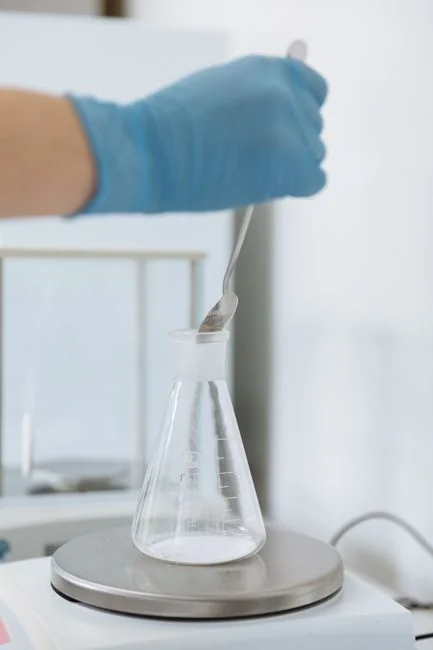
Pilot testing should verify the critical links in the selected train with real factory wastewater. The 2026 Scientific Reports study included pilot-scale validation of its multistage ethylene glycol treatment strategy, providing evidence that the results were tested beyond a laboratory demonstration. For an Alexandria factory, the pilot should reproduce the contaminants and batch behavior expected during production.
Track COD reduction, decoloration where color is relevant, suspended solids, oil and grease, pH and hydraulic performance across representative operating conditions. One acceptance sample cannot establish dependable performance. Include startup, stable operation, peak loading, batch-dump response and recovery after an upset if those conditions are credible for the site.
Commercial comparison should also include chemical consumption, recovered material, sludge yield, membrane cleaning and downtime. A process that removes more COD upstream may reduce biological aeration demand, while clarification or flotation may improve membrane protection and sludge handling. These are operating effects that should appear in the supplier’s proposal and the factory’s lifecycle assessment.
Sludge handling requires explicit planning because the equipment train determines its composition and quantity. SUEZ estimated Alexandria East sludge production at 900–1,000 tons/day in 2022 and reported that it was managed through an optimized process chain. That municipal figure illustrates the operational importance of solids management; it does not set the factory’s sludge yield.
Include recovery in the financial case only as an operating-cost adjustment. The 2026 Scientific Reports techno-economic screening found that partial EG reuse and solvent recovery contributed to cost reduction rather than direct profit. For dewatering and residual-solids planning, compare the plate-and-frame filter press for industrial sludge dewatering against maintenance and operating-cost assumptions described in the 2026 filter-press maintenance and operating-cost guide.
Turn the Process Selection into a Procurement Decision
A defensible tender compares complete treatment trains under the factory’s measured operating envelope. Issue the request with current flow, COD, suspended solids, oil and grease, pH, required endpoint and operating-hour data. Require each bidder to map its proposed equipment to the contaminant or performance risk it addresses, including equalization, controls, biological treatment, polishing and sludge handling.
Ask suppliers to state the design basis, startup method, control response, redundancy, chemical storage, maintenance, spare parts, support and commissioning acceptance criteria. Quoted capacity should address peak flow, batch dumping and foreseeable production changes; otherwise the apparent price may exclude equalization or additional treatment capacity later.
Compare the full train rather than isolated component efficiency. A pretreatment stage that removes COD can reduce biological aeration demand, while flotation or clarification can protect membranes and improve sludge handling. The DAF capacity calculation based on industrial peak-flow data illustrates why measured flow is necessary, while the 2026 DAF engineering guide for oil-refinery wastewater addresses the role of influent-specific characterization.
| Bid item | Buyer check | Acceptable supporting evidence |
|---|---|---|
| Design flow and load | Does the quotation cover measured peaks, batch releases and future production changes? | Flow hydrograph, load basis and sizing calculation |
| Removal mechanism | Does each stage remove the specific contaminant identified in characterization? | Process narrative, test data and contaminant mass balance |
| Endpoint performance | Is compliance or reuse performance defined by parameter and operating condition? | Pilot or commissioning acceptance plan |
| Controls and redundancy | Can the system handle upset conditions without an uncontrolled discharge? | Control narrative, interlocks, alarms and fail-safe response |
| Operating and maintenance cost | Are chemicals, aeration, cleaning, sludge disposal, energy and support included? | Transparent cost schedule and consumption assumptions |
| Residual management | Are sludge and separated concentrate given a documented destination? | Expected yield, characterization and handling proposal |
Use the 2026 Scientific Reports preliminary techno-economic screening as a prompt for comparison: its multistage system operated at a net treatment cost comparable to conventional high-strength industrial wastewater treatment systems. Do not transfer that result into a budget without local chemical, energy, sludge-disposal and site-specific costs. For a COD-focused preliminary design, the 2026 paper mill wastewater COD-removal engineering guide provides a useful process structure, but factory-specific data must govern the final selection.
Frequently Asked Questions
What is the best pretreatment for high-COD wastewater in an Alexandria factory?
Start with equalization, pH control and contaminant-specific physical or chemical removal, then use biological treatment and polishing to meet the endpoint. Choose DAF when oil, grease, colloids or floatable solids are the principal risk; choose coagulation and clarification when the goal is suspended and colloidal solids removal. For soluble contaminants, evaluate source-specific separation with pilot evidence rather than assuming DAF will remove them.
How do I size DAF capacity for variable industrial trade-waste flow?
Use the factory’s measured flow hydrograph, including peak production and batch discharges, together with oil and grease, suspended-solids and flotation-test results. The cited DAF catalogue spans 4–300 m³/h across 13 models, but model selection requires actual flow and contaminant data. For the method, see the guide to calculate DAF capacity from industrial peak-flow data.
Should a manufacturer buy DAF, a lamella clarifier or MBR for a high-COD stream?
Buy DAF to remove floatables, oil and grease, colloids or flocculated solids; use lamella clarification when flocculation and settling are the main duties; use MBR when biological treatment and membrane solids separation are required by the endpoint. These are complementary roles, so the answer depends on the measured contaminants and required discharge or reuse quality.
What should I request in a wastewater-equipment supplier’s proposal?
Request the design flow and load basis, treatment-removal map, chemical and aeration consumption, sludge yield, controls, redundancy, maintenance requirements, commissioning tests and acceptance criteria. Ask the supplier to identify which pretreatment stage removes each contaminant and to provide pilot evidence using comparable industrial wastewater.
How can a factory prove that its treatment train will meet its discharge or reuse target?
Pilot the critical train with real wastewater, then verify COD, suspended solids, oil and grease, pH, hydraulic response and any reuse-specific parameters across normal, peak and batch-discharge conditions. Include chemical consumption, sludge generation, membrane cleaning and downtime. A single acceptance sample is not enough to demonstrate stable performance.