Porto’s sewage treatment equipment market in 2025 demands compliance with EU Directive 91/271/EEC (BOD < 25 mg/L, TSS < 35 mg/L) and cost-effective solutions. Suppliers like EcoTech Solutions and Ultrapur offer systems ranging from €50K (small DAF units) to €2M (turnkey MBR plants), with ROI payback periods of 3–7 years for industrial reuse projects. This guide compares technical specs, costs, and supplier capabilities to help you select the right equipment for your project.
Why Porto’s Sewage Treatment Equipment Market is Unique in 2025
Porto’s wastewater treatment sector in 2025 is uniquely shaped by stringent EU environmental directives, rapid industrial expansion, and evolving infrastructure demands. Compliance is paramount, with EU Directive 91/271/EEC setting strict discharge limits for urban wastewater treatment, specifically requiring effluent to meet standards such as Biological Oxygen Demand (BOD) below 25 mg/L, Total Suspended Solids (TSS) below 35 mg/L, and Chemical Oxygen Demand (COD) below 125 mg/L, as outlined in Portugal’s 2023 implementation report for the directive. These regulations drive the need for advanced and reliable sewage treatment equipment suppliers in Porto.
Industrial demand drivers further intensify the market. Porto’s food processing sector experienced a 12% growth in 2024 (INE data), while municipal wastewater volumes increased by 8% according to Águas do Porto’s 2023 report. These expansions generate higher volumes and more complex wastewater streams, necessitating robust and scalable treatment solutions. For instance, industries such as wineries and automotive manufacturing in the Porto region produce effluent with high organic loads and specific contaminants, requiring specialized industrial effluent treatment in Porto.
Cost pressures are a significant consideration for operators. Energy costs alone can account for 40–60% of operational expenditure (OPEX) in wastewater treatment plants, making energy-efficient systems a priority. Conversely, investing in water reuse projects can substantially reduce water bills by 25–35%, offering a compelling return on investment. Porto’s urban density and specific geographical characteristics often present infrastructure challenges, such as limited space for large conventional plants, driving demand for compact MBR systems and modular solutions that can be integrated efficiently.
Top 5 Sewage Treatment Equipment Suppliers in Porto: Capabilities Compared
Selecting a sewage treatment equipment supplier in Porto requires a detailed understanding of their market experience, technological focus, and service capabilities to ensure project success. The market features several key players, each with distinct strengths tailored to different industrial and municipal needs.
- EcoTech Solutions Portugal: With over 25 years in the industry, EcoTech Solutions Portugal is a well-established name, specializing in turnkey solutions for the food/beverage and automotive sectors, as noted by industry analyses. They are known for their comprehensive project management, from design to installation and commissioning.
- Ultrapur: Ultrapur primarily focuses on water treatment equipment, including reverse osmosis and softeners. While they offer competitive pricing for equipment, their sewage treatment offerings tend to be more limited to smaller, specialized systems rather than large-scale integrated plants, as indicated by their product range.
- Porto Sudeste: This supplier stands out for its expertise in industrial water reuse systems, making them an ideal choice for large-scale projects aiming for significant water savings and environmental compliance. Their solutions often involve advanced tertiary treatment for high-quality effluent suitable for various industrial applications.
- Hidroambiente: A recognized name in environmental engineering across Portugal, Hidroambiente offers a broad spectrum of wastewater treatment solutions, from municipal sewage treatment plants to industrial effluent treatment in Porto. They are known for integrating advanced technologies and providing customized designs for complex projects.
- TecnoÁgua Sistemas: As a local engineering firm, TecnoÁgua Sistemas provides bespoke wastewater treatment solutions, often focusing on modular and compact designs suitable for space-constrained sites or specific industrial processes. They emphasize long-term operational support and localized service.
The following table provides a structured comparison of these key suppliers:
| Supplier Name | Years in Market | Key Industries Served | Turnkey vs. Modular Focus | After-Sales Support (1-5 Rating) | Typical Lead Time (Weeks) |
|---|---|---|---|---|---|
| EcoTech Solutions Portugal | 25+ | Food/Beverage, Automotive | Turnkey | 4 | 16-24 |
| Ultrapur | 15+ | General Industrial, Commercial | Modular (smaller systems) | 3 | 10-18 |
| Porto Sudeste | 20+ | Heavy Industry, Large-scale Reuse | Turnkey | 4 | 20-30 |
| Hidroambiente | 30+ | Municipal, Diverse Industrial | Both | 5 | 18-26 |
| TecnoÁgua Sistemas | 10+ | SME Industrial, Residential | Modular | 3 | 12-20 |
Technical Specs: How to Match Equipment to Your Wastewater Profile
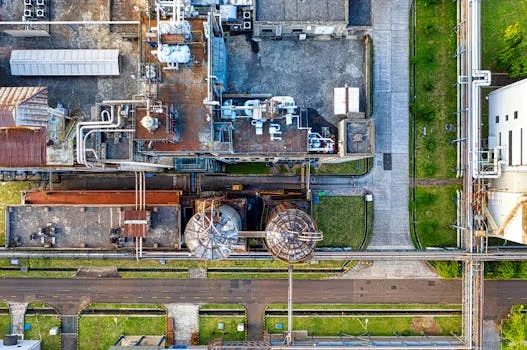
Effective sewage treatment equipment selection hinges on a precise evaluation of influent wastewater characteristics and the corresponding performance capabilities of different treatment technologies. Before selecting any sewage treatment equipment supplier in Porto, it is crucial to conduct a detailed analysis of your wastewater profile. Key influent parameters to test include Total Suspended Solids (TSS in mg/L), Chemical Oxygen Demand (COD in mg/L), Fats, Oils, and Grease (FOG in mg/L), pH, and temperature. For instance, wastewater from wineries in Porto typically exhibits high COD levels, often ranging from 5,000–10,000 mg/L, requiring robust primary and secondary treatment.
An effective equipment selection framework considers these parameters. Dissolved Air Flotation (DAF) systems are highly effective for wastewater with FOG concentrations exceeding 500 mg/L, providing efficient removal of suspended solids and grease. For applications requiring high-quality effluent suitable for industrial reuse, Membrane Bioreactor (MBR) systems are preferred, as they achieve superior filtration down to less than 1 μm. Integrated systems are particularly beneficial for space-constrained sites, combining multiple treatment stages into a compact footprint.
Performance benchmarks vary significantly by technology. High-efficiency DAF systems for Porto’s industrial wastewater, such as HydropureWater’s, typically remove 90–95% of TSS and often contribute to substantial COD reduction. For advanced treatment, compact MBR systems for space-constrained sites in Porto (e.g., HydropureWater's DF series) consistently achieve effluent BOD levels below 10 mg/L and TSS below 5 mg/L, meeting stringent reuse standards. Considering the operational costs, MBR systems typically consume 0.6–1.2 kWh/m³ of treated water, while DAF systems generally operate at a lower energy intensity of 0.3–0.5 kWh/m³.
The following table details the technical specifications and typical performance of common sewage treatment equipment types:
| Equipment Type | Key Application | TSS Removal (%) | COD Removal (%) | BOD Removal (mg/L effluent) | Footprint (m²/m³ treated) | Energy Use (kWh/m³ treated) |
|---|---|---|---|---|---|---|
| Dissolved Air Flotation (DAF) | High FOG/TSS influent, pre-treatment | 90-95% | 50-80% | N/A (Primary) | 0.05-0.1 | 0.3-0.5 |
| Membrane Bioreactor (MBR) | High-quality effluent, reuse, compact | >99% | >95% | <10 | 0.02-0.04 | 0.6-1.2 |
| Activated Sludge (Conventional) | Large municipal, general industrial | 85-95% | 80-90% | <25 | 0.1-0.2 | 0.4-0.8 |
| Integrated Package Plant (WSZ Series) | Small-medium scale, residential, decentralized | >90% | >90% | <20 | 0.03-0.06 | 0.5-1.0 |
Cost Breakdown: Sewage Treatment Equipment in Porto (2025 Data)
Understanding the comprehensive cost structure, including CAPEX, OPEX, and potential ROI, is critical for budgeting and justifying sewage treatment equipment investments in Porto. Capital Expenditure (CAPEX) for sewage treatment equipment varies significantly based on technology, capacity, and customization. For instance, DAF systems typically range from €50K to €300K for capacities between 4 and 300 m³/h. MBR systems, offering advanced treatment and compact footprints, usually fall within €200K to €2M for capacities from 10 to 2,000 m³/day. Integrated systems, such as an underground package plant for municipal and residential projects, can range from €80K to €1.5M for capacities of 1–80 m³/h.
Installation costs are a significant component of the total project budget, typically accounting for 20–30% of the CAPEX. This percentage is influenced by local labor rates, which, according to Portugal’s 2024 construction cost index, have seen a steady increase, and the complexity of site preparation and civil works. Beyond initial investment, Operational Expenditure (OPEX) is a crucial factor for long-term financial viability. A typical OPEX breakdown for wastewater treatment in Porto includes energy (40–60%), chemicals (15–25%), maintenance (10–20%), and labor (5–10%). These figures highlight the importance of energy-efficient designs and reliable equipment to minimize recurring costs.
Return on Investment (ROI) for industrial reuse projects in Porto often presents a compelling case, with typical payback periods ranging from 3 to 7 years. This is primarily driven by significant water cost savings, which in Porto can be substantial, ranging from €1.20–€2.50/m³ depending on the industrial sector and existing water tariffs. Beyond direct financial returns, avoiding non-compliance fines (up to €50K) and enhancing corporate social responsibility contribute to the overall value proposition. To explore global cost benchmarks for wastewater treatment projects, further research can provide valuable context.
| Equipment Type | Capacity Range | CAPEX Range (EUR) | Installation (% of CAPEX) | Typical OPEX/m³ (EUR) | ROI Payback Period (Years for Reuse) |
|---|---|---|---|---|---|
| DAF System | 4-300 m³/h | €50K - €300K | 20-25% | 0.15-0.30 | 4-7 |
| MBR System | 10-2,000 m³/day | €200K - €2M | 25-30% | 0.30-0.60 | 3-6 |
| Integrated Package Plant | 1-80 m³/h | €80K - €1.5M | 20-28% | 0.25-0.50 | 3-7 |
Compliance Checklist: Meeting EU and Portuguese Wastewater Standards

Adhering to the specific discharge limits set by EU Directive 91/271/EEC and Portugal’s national legislation (DL 236/98) is non-negotiable for any sewage treatment equipment project in Porto. The EU Directive 91/271/EEC mandates stringent effluent quality, with common limits for sensitive areas requiring BOD below 25 mg/L, TSS below 35 mg/L, COD below 125 mg/L, Total Nitrogen (N) below 15 mg/L, and Total Phosphorus (P) below 2 mg/L, as confirmed by Portugal’s 2023 implementation report. These limits are critical for protecting Porto's aquatic environments.
Portugal’s national legislation, particularly Decree-Law 236/98, introduces additional requirements that must be met by wastewater discharge. These include maintaining effluent pH levels between 6 and 9, ensuring the temperature remains below 30°C, and prohibiting the presence of visible foam. These specific parameters are designed to prevent immediate environmental impacts and ensure the compatibility of treated wastewater with receiving bodies. Understanding how DAF systems perform in similar regulatory environments can offer valuable insights.
To verify a supplier’s compliance capabilities, procurement managers should request comprehensive documentation. Essential certifications include CE marking, which indicates conformity with European health, safety, and environmental protection standards, and EN 12566-3 certification for package wastewater treatment plants, demonstrating performance and structural integrity. third-party performance reports from reputable organizations like TÜV or SGS provide independent verification of equipment efficiency and compliance with stated specifications. For a broader perspective, examining how suppliers in similar EU markets compare to Porto can be beneficial.
Enforcement in Porto is rigorous. Águas do Porto, the municipal water and sanitation company, conducts regular quarterly sampling of industrial and municipal discharges to monitor compliance. Non-compliance can result in substantial penalties, with fines potentially reaching up to €50K, as evidenced by enforcement reports from 2023. This strict regulatory environment underscores the importance of selecting a reliable sewage treatment equipment supplier in Porto who can guarantee consistent effluent quality.
Decision Framework: How to Choose the Right Supplier for Your Project
A systematic decision framework is essential for evaluating potential suppliers and selecting the optimal sewage treatment equipment solution that aligns with project requirements, budget, and compliance obligations. This structured approach helps procurement managers and plant engineers navigate the complexities of the Porto market to make an informed choice.
- Step 1: Define Influent Parameters and Effluent Targets. Begin by thoroughly characterizing your raw wastewater, including TSS, COD, FOG, pH, and temperature. Simultaneously, establish clear effluent targets, distinguishing between discharge to municipal sewers, direct discharge to natural waters, or industrial reuse quality. For example, a winery aiming for reuse will need much stricter effluent quality than a small facility discharging to a municipal network.
- Step 2: Shortlist Suppliers with Relevant Industry Experience. Based on your defined needs, identify suppliers who have a proven track record in your specific industry or with similar project scopes. For instance, if your project involves high organic loads from food processing, prioritize suppliers like EcoTech Solutions Portugal. If industrial water reuse is a key objective, suppliers such as Porto Sudeste would be a strong candidate.
- Step 3: Request Technical Proposals with Performance Guarantees. Solicit detailed technical proposals from your shortlisted suppliers. These proposals should clearly outline the proposed technology, process flow, and expected performance. Crucially, insist on performance guarantees, such as "95% TSS removal or full refund," to mitigate risks and ensure accountability.
- Step 4: Compare CAPEX, OPEX, and ROI. Utilize the cost data provided in earlier sections of this guide to conduct a comprehensive financial comparison. Evaluate not only the initial Capital Expenditure (CAPEX) but also the long-term Operational Expenditure (OPEX), including energy, chemical, and maintenance costs. Calculate the potential Return on Investment (ROI), especially for water reuse projects, to understand the overall economic viability.
- Step 5: Verify Compliance Documentation and After-Sales Support. Before finalizing a decision, confirm that the chosen supplier can provide all necessary compliance documentation, including CE marking and EN 12566-3 certifications. Equally important is assessing their after-sales support, looking for guarantees such as 24/7 technical service, readily available spare parts, and local support teams, which are vital for ensuring uninterrupted plant operation.
Frequently Asked Questions

Addressing common concerns regarding sewage treatment equipment in Porto provides immediate clarity for procurement managers and engineers facing complex decisions.
What are the primary compliance risks for wastewater discharge in Porto?
The main compliance risks stem from failing to meet EU Directive 91/271/EEC discharge limits (e.g., BOD < 25 mg/L, TSS < 35 mg/L) and Portugal’s DL 236/98 requirements (e.g., pH 6–9). Non-compliance is monitored by Águas do Porto and can lead to fines up to €50K, as per 2023 enforcement reports.
How much space does an MBR system require compared to a conventional plant?
MBR systems are significantly more compact, typically requiring 0.02-0.04 m² per m³ of treated water, compared to 0.1-0.2 m² for conventional activated sludge plants. This reduced footprint makes MBR systems ideal for space-constrained industrial sites in Porto.
What are typical lead times for equipment delivery and installation in Porto?
Lead times for sewage treatment equipment in Porto generally range from 10 to 30 weeks. Simpler modular DAF units might be delivered in 10-18 weeks, while complex, turnkey MBR or integrated systems from suppliers like Porto Sudeste or Hidroambiente can take 20-30 weeks, including design and fabrication.
Can wastewater reuse truly generate significant ROI for my facility?
Yes, industrial wastewater reuse can generate substantial ROI, with payback periods often between 3–7 years. This is driven by significant savings on fresh water costs, which in Porto can be €1.20–€2.50/m³, and reduced discharge fees, making it a financially attractive option for many industries.
What kind of after-sales support should I expect from a top supplier?
Top suppliers in Porto should offer comprehensive after-sales support, including 24/7 technical assistance, readily available spare parts, regular maintenance contracts, and local service teams for prompt response. This ensures minimal downtime and optimized long-term performance of your sewage treatment equipment.