Wales’ industrial sewage treatment equipment market is fragmented, with suppliers offering solutions ranging from £50k package plants to £1.2M MBR systems. Key 2025 compliance benchmarks include <10 mg/L TSS and <25 mg/L BOD (per UK Water Industry Act 1991 and EU Urban Waste Water Directive 91/271/EEC). This guide compares technical specs, costs, and supplier credibility for Welsh industrial sites, including a 10-point vendor checklist to streamline procurement.
Why Welsh Industrial Sites Need Upgraded Sewage Treatment in 2025
All industrial sites in Wales face a confirmed Welsh Government 2025 deadline to meet stringent effluent discharge limits, specifically <10 mg/L TSS and <25 mg/L BOD, as enforced by Natural Resources Wales (NRW) through updated guidance in 2024. Failure to comply carries significant financial penalties and reputational damage. For instance, a Swansea food processor received an £180k fine in 2023 for exceeding ammonia limits, as documented in NRW public records. Many Welsh industrial sites operate with outdated wastewater infrastructure, such as basic septic tanks or clarifiers, which are no longer adequate for modern compliance. A typical septic system discharges effluent with 120 mg/L TSS, while an advanced MBR system can achieve as low as 5 mg/L, illustrating the compliance gap. Common operational pain points for Welsh sites include severe footprint constraints, with 60% of industrial facilities occupying less than 2 acres, making compact treatment solutions essential. Energy costs are another major concern, as wastewater treatment can account for 12–18% of a site's total energy consumption. Seasonal flow variations, particularly tourism-driven spikes in coastal areas, demand flexible and robust treatment systems capable of handling fluctuating loads without compromising effluent quality. Upgrading to advanced industrial wastewater treatment solutions is a critical investment for operational continuity and environmental stewardship.
Key Technical Specifications for Industrial Sewage Treatment Equipment in Wales
Evaluating equipment performance against Welsh compliance requirements and site constraints necessitates a detailed understanding of technical specifications. Modern industrial sewage treatment equipment offers diverse capabilities depending on the technology. Membrane Bioreactor (MBR) systems, for example, typically achieve 99% TSS removal, while Dissolved Air Flotation (DAF) systems excel in FOG (Fats, Oils, and Grease) removal, reaching 92–97% efficiency (HydropureWater’s product specs).
The following table outlines performance benchmarks for common industrial sewage treatment system types:
| System Type | TSS Removal | BOD Removal | COD Removal | Ammonia Removal | Phosphorus Removal |
|---|---|---|---|---|---|
| DAF System | 85-95% | 60-80% | 50-70% | Low | Low |
| MBR System | >99% | >95% | >90% | >90% | >90% |
| Integrated A/O (Anaerobic/Oxic) | 90-98% | 90-95% | 80-90% | 80-90% | 70-85% |
| Lamella Clarifier | 70-90% | 50-70% | 40-60% | Low | Low |
Footprint requirements are critical for Welsh sites with limited space. MBR systems are notably compact, requiring approximately 0.5 m²/m³/day of treated water, compared to conventional activated sludge systems which demand around 2.5 m²/m³/day. This significant reduction in physical footprint makes MBR technology a strong candidate for space-constrained facilities. Energy consumption also varies widely; DAF systems typically consume 0.3–0.5 kWh/m³ of treated water, while MBR systems operate at a higher range of 0.8–1.2 kWh/m³. This represents a trade-off between energy use and the achieved effluent quality. Sludge production is another key metric, impacting operational costs. MBR systems produce 0.2–0.4 kg dry solids/m³ of treated water, whereas conventional systems generate 0.5–0.8 kg/m³. Lower sludge volume directly translates to reduced disposal costs, which average £80–£120/tonne in Wales. The unique Welsh climate, characterized by high rainfall and significant temperature swings, influences system design, necessitating features like insulated tanks and stormwater bypass systems to maintain optimal performance and prevent hydraulic overloading.
Cost Breakdown: Industrial Sewage Treatment Equipment in Wales (2025 Data)
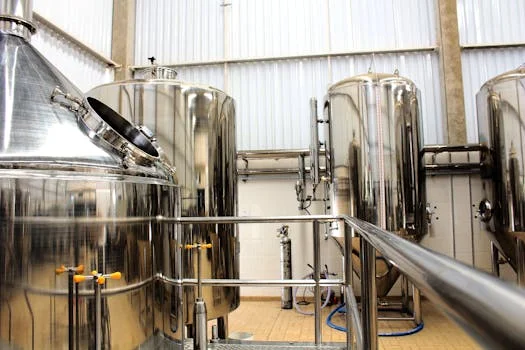
Procurement teams need realistic budget expectations for industrial sewage treatment equipment in Wales, encompassing not only capital expenditure (CAPEX) but also operational costs and hidden fees. The total cost of ownership is influenced by system type, scale, and specific site conditions. For example, a basic underground integrated sewage treatment plant might start at £50k, while large-scale MBR systems can reach £1.2M.
The following table provides typical cost ranges for various industrial sewage treatment system types in Wales:
| System Type | CAPEX Range (approx.) | OPEX Range (£/m³ treated) | Typical Payback Period |
|---|---|---|---|
| DAF System | £80k - £350k | £0.20 - £0.40 | 3 - 7 years |
| MBR System | £200k - £1.2M | £0.30 - £0.45 | 5 - 10 years |
| Integrated A/O | £150k - £800k | £0.25 - £0.40 | 4 - 8 years |
| Lamella Clarifier | £50k - £250k | £0.15 - £0.30 | 3 - 6 years |
Beyond the initial CAPEX, several hidden costs frequently impact project budgets. Planning permission in Wales can range from £5k to £20k, depending on the scale and location of the installation. Obtaining an NRW discharge permit typically costs between £2k and £10k, a mandatory expense for any industrial effluent discharge. Sludge disposal is another significant ongoing operational cost, averaging £80–£120 per tonne in Wales, making systems with lower sludge production more cost-effective over their lifespan. Return on investment (ROI) drivers include substantial energy savings, particularly when upgrading from conventional systems to more efficient MBR or DAF technologies. Avoiding regulatory fines, such as the £180k penalty mentioned previously, represents a direct and significant ROI. The potential for water reuse, for applications like cooling tower makeup or irrigation, can generate long-term savings on fresh water procurement. Financing options are available to assist Welsh businesses; the Welsh Government Green Business Loan Scheme offers 0% interest for eligible SMEs, and NRW capital grants can cover up to 40% of costs for compliance upgrades. The system lifespan, typically 15–25 years, coupled with annual maintenance costs (1–3% of CAPEX), significantly influences the total cost of ownership over the project's duration.
Wales-Specific Compliance: UK and EU Regulations for Industrial Sewage Treatment
Natural Resources Wales (NRW) enforces strict discharge limits for industrial sites in Wales, typically including benchmarks such as <10 mg/L TSS, <25 mg/L BOD, and <5 mg/L ammonia.Navigating the complex regulatory landscape is crucial for industrial sites in Wales to avoid fines and ensure permit approval for their sewage treatment operations. The primary legislative framework is the UK Water Industry Act 1991, which sets strict discharge limits for industrial sites. These are complemented by the EU Urban Waste Water Directive 91/271/EEC, though predating Brexit, continues to influence Welsh standards, requiring secondary treatment for sites with a population equivalent (PE) greater than 2,000. This ensures a high standard of treatment for larger industrial discharges. NRW is the primary enforcement body in Wales, and its 2024 guidance explicitly confirmed the 2025 deadline for all industrial sites to meet the <10 mg/L TSS standard, reinforcing the urgency for upgrades.
The process for obtaining an NRW discharge permit in Wales involves a detailed application, typically requiring a site plan, comprehensive flow data, and precise specifications of the proposed treatment system. This permitting process can take 3–6 months to complete and incurs fees ranging from £2k to £10k. A notable case study from NRW public records illustrates how a Wrexham metal plating facility successfully reduced its permit fees by 30% by upgrading its treatment process to include a DAF system, demonstrating the financial benefits of proactive compliance. Adhering to these regulations is not just about avoiding penalties but also about demonstrating environmental responsibility and ensuring sustainable operations within the Welsh industrial sector.
How to Evaluate Sewage Treatment Equipment Suppliers in Wales: A 10-Point Checklist

Assessing supplier credibility and technical competence is paramount for procurement teams selecting industrial sewage treatment equipment in Wales. A robust evaluation framework ensures the chosen vendor can deliver a compliant, efficient, and reliable solution tailored to specific Welsh industrial needs.
- Technical Expertise: The supplier must demonstrate site-specific engineering capabilities, including advanced flow modeling, comprehensive treatability studies, and pilot testing. For instance, HydropureWater offers 3D modeling services for MBR systems, ensuring optimal integration and performance.
- Compliance Track Record: Demand evidence of successful projects at Welsh sites that consistently meet NRW discharge standards. Request actual effluent data from their installations to verify performance.
- Local Support: Verify the presence of Welsh-based service teams. Rapid response times, ideally less than 24 hours for emergencies, are critical for minimizing downtime and operational disruptions.
- Customization: The supplier should be able to adapt systems for the unique Welsh climate, which includes high rainfall and temperature fluctuations. This might involve specifying insulated tanks or integrating stormwater bypass systems.
- Energy Efficiency: Seek suppliers who provide energy consumption guarantees, such as <1 kWh/m³ for MBR systems, to manage long-term operational costs. For a more detailed look at energy trade-offs, refer to our MBR vs. activated sludge comparison for Welsh industrial sites.
- Sludge Management: Inquire about their capabilities in on-site dewatering solutions or established partnerships for off-site sludge disposal. Given Welsh disposal costs of £80–£120 per tonne, efficient sludge management is a significant cost-saving factor. Explore our guide on sludge dewatering solutions for Welsh industrial sites.
- Warranty and Maintenance: Understand the scope of the warranty (typically 1–2 years for parts and labor, 10–20 years for structural components) and the proposed maintenance contracts.
- Financing Assistance: A supplier familiar with Welsh Government grant programs, such as the Green Business Loan Scheme, can provide valuable assistance in securing funding.
- Training: Ensure the supplier provides comprehensive operator training and certification programs. NRW requires certified operators for industrial sites, making this a non-negotiable requirement.
- References: Request contact information for existing clients at Welsh sites with similar systems. This allows for direct feedback on effluent quality, maintenance logs, and overall satisfaction. For a more detailed guide on DAF systems, see our detailed DAF system guide for UK industrial sites.
Frequently Asked Questions
Addressing common inquiries helps procurement teams and engineers make informed decisions regarding industrial sewage treatment equipment in Wales.
Q: What’s the most