What treatment train suits São Paulo high-COD trade waste?
In São Paulo, manufacturers treating high-COD trade waste generally use a staged train: characterize the effluent; remove oil, grease, solids and colloids; equalize the flow; reduce biodegradable COD biologically; and add membrane, advanced oxidation or electrocoagulation when discharge or reuse criteria require it. For biodegradable industrial wastewater, one lab-scale MBBR study tested COD from 1000 to 3500 mg/L, selected an 8-hour HRT and reported more than 80% COD removal at high influent COD. The correct train depends on the industrial process, COD biodegradability, contaminants and the receiving sewer’s current pretreatment and discharge requirements.
Trade waste is industrial effluent discharged to a municipal sewer or receiving body. Final acceptance and discharge requirements must be confirmed for the receiving system because a factory’s process, discharge point and industrial sector determine the applicable pretreatment and discharge conditions.
The defensible sequence starts with characterization and equalization. Physical or chemical pretreatment is added where suspended solids, colloids, oil and grease could overload equipment or inhibit biological treatment. Biological treatment then addresses biodegradable COD; membrane or advanced treatment is justified where reuse or stringent effluent criteria apply. A regional high-COD treatment blueprint is useful for comparing this sequence with the specific factory profile.
COD concentration alone does not determine equipment selection. Biodegradability, suspended solids, oil and grease, pH, temperature, toxicity, metals and flow variability can change the practical route.
Juniper Publishers’ lab-scale MBBR study examined influent COD from 1000 to 3500 mg/L at HRTs of 3, 5, 8 and 12 hours. It selected 8 hours as the optimum HRT and reported more than 80% COD removal at high influent COD. This supports biological treatment as an option for biodegradable industrial effluent, but not a universal design HRT.
Electrocoagulation is a targeted option where treatment-interfering contaminants are present. MDPI AG studied its feasibility for Pb/Zn sulfide mineral-processing wastewater with initial COD of 424.29 mg/L. It should not be presented as a default substitute for biological COD removal.
Why the São Paulo operating context changes project planning
The supplied sources describe São Paulo municipal water investments, but they do not establish the factory’s legal discharge requirements. Trade.gov reports that a US$1.8 billion Tietê and Pinheiros dredging PPP was under public consultation and expected to be awarded in 2026. It also states that SABESP plans depollution, wastewater treatment and water-quality monitoring under the expanded Tietê Clean Project, targeting full river recovery by 2029.
These investments may affect receiving-water strategy, but they do not replace a factory’s obligation to verify current sewer acceptance rules, pretreatment standards and permit conditions. A river-recovery target is not an industrial trade-waste limit.
Project planning must therefore separate three questions: what the municipality is investing in waterways, what the receiving sewer currently accepts, and what the factory must meet under its own approvals. The second and third questions require current documents from the relevant authorities.
The SSRN operational-data study on municipal wastewater treatment plants in São Paulo examines relationships between nitrite and nitrous oxide emissions. Although its subject is not factory COD removal, it supports monitoring biological-process operating conditions and emissions rather than treating chemical oxygen demand as the only performance indicator.
No São Paulo-specific industrial trade-waste COD limit or tariff appears in the supplied research. Procurement plans should request current sewer-acceptance criteria, prohibited discharges, monitoring requirements, surcharge rules and any sector-specific pretreatment agreement directly from the receiving authority.
Characterize the effluent before selecting equipment
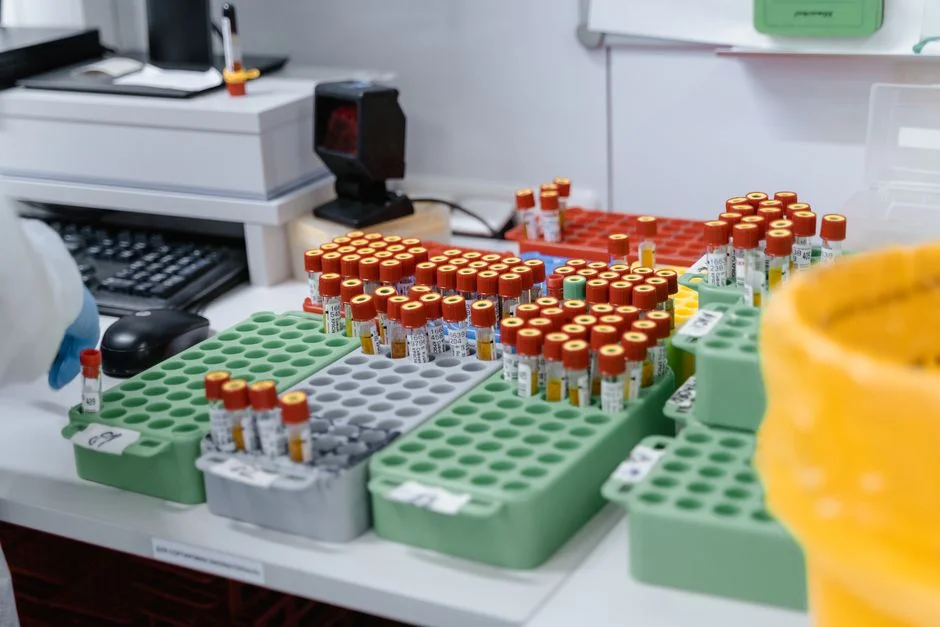
A campaign-based wastewater profile is the defensible basis for equipment sizing because production and cleanup cycles can change the mass load independently of the average flow. A single grab sample may miss high-strength batches, oil-rich discharges, cleaning chemicals or intermittent toxic loads.
Request COD, BOD, suspended solids, oil and grease, pH, temperature, flow, conductivity, nutrients, metals and toxicity data relevant to the manufacturing process. These measurements determine whether biological treatment is viable, whether pretreatment is required and which contaminants need targeted removal.
Juniper Publishers’ MBBR study found strong temperature sensitivity. COD removal increased from approximately 72% to approximately 92% as temperature rose from 20°C to about 25°C, while 94% was reported at 32°C. These results are useful evidence that temperature must be included in biological design, but they are not a design guarantee: the study used lab-scale MBBR, K3 carriers and a 50% filling ratio.
| Project input | Decision supported | Information to obtain |
|---|---|---|
| COD and BOD | Organic load and biological treatability | Representative concentrations across production and cleanup cycles |
| Suspended solids, oil and grease | Need for screening, equalization, DAF or other pretreatment | Mass loading, variability and recoverable-stream characteristics |
| pH and temperature | Chemical correction and biological-process conditions | Continuous and campaign data with seasonal effects |
| Metals and toxicity | Need for targeted treatment and biological inhibition assessment | Constituent-specific analytical results |
| Flow profile | Hydraulic sizing and equalization | Average, peak, batch and shutdown conditions |
| Reuse destination | Effluent quality and treatment objectives | Process-specific acceptance criteria |
Before purchasing chemical-dosing or solids-removal equipment, obtain the current sewer authority’s acceptance criteria, prohibited discharges, sampling method, flow and COD surcharge rules, and any sector-specific pretreatment agreement. Screening requirements may also affect the front end of the train; the rotary mechanical bar screen can be evaluated once those project inputs and site constraints are known. Chemical dosage should be based on identified contaminants and controlled through an automatic chemical-dosing system only after dosing demand and operating envelopes are established.
Compare the technologies that remove COD and trade-waste contaminants
No single unit removes COD, solids, oil and grease, metals and dissolved contaminants equally well. Match the physical failure mode to the technology: protect biological systems from fouling and toxicity, then add polishing only when the effluent objective requires it.
| Technology | Primary role | Selection condition | Key limitation |
|---|---|---|---|
| Screening, grit removal and equalization | Remove gross material and stabilize hydraulic and load variation | Suspended material or batch flows could upset downstream stages | Does not remove dissolved biodegradable COD |
| DAF | Separate suspended solids, colloids, oil and grease and recoverable float | FOG, oils or solids are present and a recoverable stream is possible | Requires conditioning and a defined solids-handling route |
| MBBR or other biological reactor | Remove biodegradable COD | Organic matter is biodegradable and conditions support biomass activity | Toxicity, refractory COD and temperature affect performance |
| MBR | Couple biological treatment with membrane solids separation | Compact solids separation, clarified biological effluent or reuse preparation is needed | Higher process complexity and membrane maintenance requirements |
| Electrocoagulation | Target contaminants associated with metal-bearing or difficult wastewater | Specific contaminants and treatment chemistry justify case-specific testing | Not a universal biological-COD replacement |
| RO or advanced polishing | Remove dissolved salts or residual contaminants | A defined reuse application has stricter quality requirements | Needs concentrate management and pretreatment |
Physical pretreatment should prevent solids, colloids, oil and grease from overwhelming or inhibiting downstream biological treatment. The available industrial DAF pretreatment system is offered across 4–300 m³/h in 13 standard models for industrial wastewater containing suspended solids, FOG, oil and grease and colloidal material. Those are supplier specifications, not evidence of performance at an individual factory.
For biological treatment, Juniper Publishers reported more than 80% COD removal at high influent COD in its MBBR work, selected an 8-hour HRT and recorded approximately 86% removal at 12 hours. The integrated MBR wastewater treatment system is specified for 10–2,000 m³/day and filtration below 1 μm. The MBR’s value is the combination of biological treatment and membrane solids separation; the biological route still depends on the wastewater’s treatability.
The MDPI AG electrocoagulation study examined anode material, current density, initial pH and additives for Pb/Zn sulfide mineral-processing wastewater with initial COD of 424.29 mg/L. The supplied excerpt does not report a final COD-removal percentage, so no such value should be inferred.
For industrial wastewater reuse, identify whether water can return to production, cooling, washing or another application, then define the required quality before selecting membranes or polishing. A factory with recoverable oil-and-solids streams must include sludge and liquid-solid separation in scope; reviewing only the biological reactor would omit a material part of the treatment train.
Build a treatment train through a staged decision framework
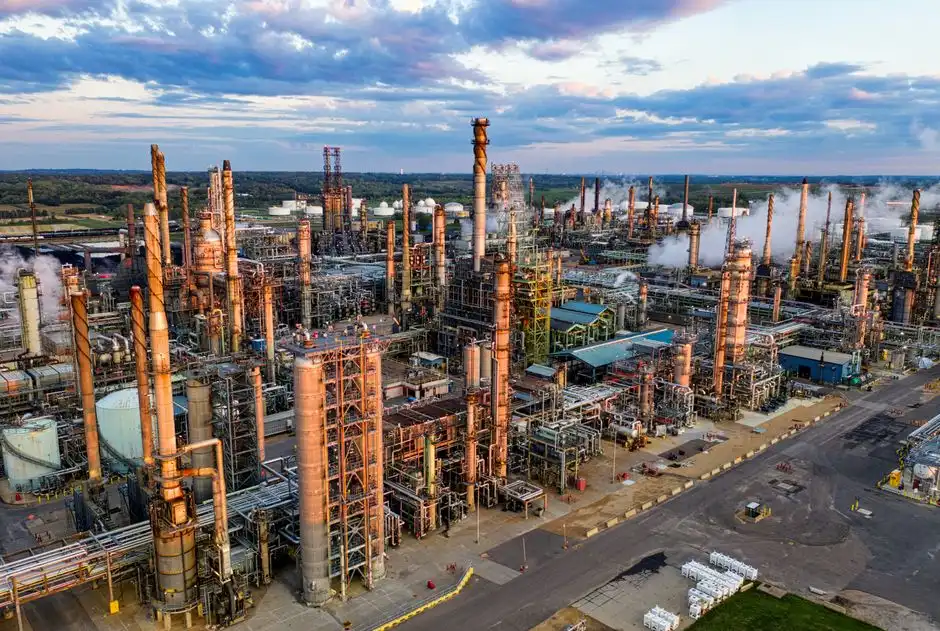
Equipment selection should proceed from confirmed wastewater evidence to a defined discharge or reuse objective, rather than from a preferred reactor name. The staged sequence below separates design inputs from assumptions.
- Characterize. Secure representative wastewater data, production variability, current sewer terms and the intended reuse endpoint. Define what the receiving authority must receive and what quality the reuse operation requires.
- Protect the train. Select screening, equalization and DAF when suspended solids, colloids, FOG or oil and grease would compromise downstream equipment. A high-efficiency sedimentation tank can be assessed where solids separation is required, but it does not replace the other pretreatment decisions.
- Remove biodegradable COD. Compare biological options using site COD, biodegradability, temperature and hydraulic requirements. Treat the MBBR study’s selected 8-hour HRT as a research benchmark, not a universal design value.
- Add targeted removal. Evaluate electrocoagulation when metals or other contaminants are present and the Pb/Zn study is relevant to the waste profile. Require site testing before treating it as a proven route for another industry.
- Polish for reuse. Select membrane separation and any required disinfection or advanced treatment only against defined water-quality and reuse criteria. The RO and UF membrane filter elements should be evaluated with feed-water chemistry, recovery, cleaning and concentrate handling in the same scope.
- Close the loop. Specify sludge handling, monitoring, alarms, operator controls and contingency capacity for variable production flows.
A staged procurement approach separates fixed equipment, site-specific pretreatment, confirmed wastewater characterization and the discharge or reuse objective. This reduces the risk of buying a reactor before the biological loading, pretreatment loads or final water-quality requirements are known.
For reuse decisions, sizing RO for high-TDS reuse should be tied to the actual feed chemistry and end use. A membrane selected for a generic high-COD condition may be unsuitable once dissolved salts, scaling potential, product recovery and concentrate disposal are included.
What to demand from suppliers before comparing bids
A defensible bid must state the wastewater and operating conditions on which the equipment is priced. A supplier that cannot connect its proposal to measured site data is making assumptions that should remain visible in the commercial comparison.
| Bid item | Information the buyer should require |
|---|---|
| Duty basis | Measured or contracted influent COD, flow profile, solids, FOG, pH, temperature and identified contaminants |
| Performance guarantee | Guaranteed parameter, test method, sampling point, operating envelope and remedy for non-compliance |
| System scope | Separate civil, mechanical, electrical, controls, chemical storage, sludge handling, commissioning, training and lifecycle support |
| Off-spec response | Operating response to shutdowns, cleaning cycles, peak loads and off-spec influent |
| Reuse basis | Intended application, required quality parameters, sampling frequency and membrane cleaning or replacement plan |
| Compliance | Applicable local certification, electrical requirements and installation approvals confirmed with the relevant authorities |
Require the supplier to identify the guaranteed performance parameter, its test method and sampling point, the operating envelope and the remedy if the guarantee is missed. No guarantee should be inferred from the cited lab studies.
Compare the integrated MBR wastewater treatment system and industrial DAF pretreatment system against the same scope format. Ask each bidder to explain its response to production shutdowns, cleaning cycles, peak hydraulic loads and off-spec influent.
For a reuse claim, require the intended application, acceptance-quality parameters, sampling frequency and membrane cleaning or replacement plan. Confirm local certification, electrical requirements and installation approvals directly; the supplied research does not establish São Paulo-specific certification or approval rules.
Frequently Asked Questions
How much does a high-COD wastewater treatment system cost for a São Paulo factory?
No defensible price can be stated from the supplied research because it provides no São Paulo equipment quotation or project cost. Request itemized bids covering process equipment, civil works, chemical storage and dosing, sludge handling, controls, commissioning, training and lifecycle support. To compare those bids consistently, require every supplier to use the same measured flow, wastewater analysis, treatment objective and current receiving-sewer terms.
Should a manufacturer choose MBR or conventional activated sludge for high-COD trade waste in São Paulo?
Choose MBR where compact biological treatment, membrane solids separation or reuse-oriented clarification justifies its additional process and maintenance requirements. Conventional activated sludge may be more suitable where adequate land is available and simpler solids handling is sufficient. Use the project-specific effluent and footprint requirements to compare MBR and conventional activated sludge.
What COD level can an MBBR system treat?
The Juniper Publishers study tested influent COD from 1000 to 3500 mg/L, reported more than 80% removal at high influent COD and selected an 8-hour HRT. These are lab-scale results, not a site guarantee. Confirm the factory’s biodegradability, temperature, hydraulic loading and contaminant profile before transferring the findings into sizing.
Is electrocoagulation better than biological treatment for high COD?
The comparison must be contaminant-specific. Electrocoagulation may be valuable for metal-bearing or difficult wastewater, as examined in the MDPI AG Pb/Zn study, while the Juniper Publishers MBBR study demonstrates biological COD removal for biodegradable industrial effluent. Site testing should establish which mechanism addresses the actual limiting contaminant.
What should a factory verify before discharging treated trade waste in São Paulo?
Obtain current confirmation from the receiving sewer authority and the applicable environmental authority covering sewer acceptance, prohibited materials, COD and flow limits, monitoring, reporting, fees and reuse conditions. The supplied sources do not provide current numeric industrial limits for São Paulo, so those documents must be secured before final equipment sizing, discharge compliance assumptions or bid evaluation.
Related Equipment
- integrated MBR wastewater treatment system — specifications, capacity range, and technical data