What Makes High-TDS Wastewater Different for RO?
An RO system can treat high-TDS industrial wastewater, but it is not plug-and-play. Reverse osmosis removes most dissolved salts and ions; Molewater reports salt rejection of 95% to 99.7%, depending on membrane type and operating condition. As feed TDS rises, the design generally needs higher applied pressure, lower recovery, more robust pretreatment and a defined concentrate-disposal route. Feed chemistry must determine whether BWRO, SWRO, multi-stage RO, RO plus EDI, evaporation or ZLD is appropriate. Academic studies also report TDS and COD reductions after UF and RO treatment, while industrial wastewater research supports activated carbon pretreatment before RO for high-concentration zinc removal.
High-TDS wastewater is not defined adequately by a conductivity reading or a membrane catalogue. Molewater defines TDS as the total quantity of dissolved ions, salts, minerals and metals in water and reports that many industrial water sources exceed 1,000 mg/L TDS. It also identifies a coupled operating response: as TDS increases, applied pressure rises, recovery falls, pretreatment becomes more aggressive and concentrate management becomes more involved.
That response makes a generic “high-TDS RO package” an incomplete design basis. The industrial high-TDS RO system must be selected against the actual feed, reuse or discharge specification and available utilities. Residential or whole-house filtration results do not establish industrial suitability; they address a different flow, pressure and water-quality duty.
COD, suspended solids, colloids, silica, hardness, carbonate or alkalinity, sulfate, chloride, sodium, organics and relevant metals can determine fouling and scaling independently of TDS. Those constituents—and the required permeate and concentrate outcomes—have to be characterized before equipment is sized.
Build the Feedwater Characterization Before Sizing the RO
A representative feed analysis is the first design deliverable because no membrane can be specified from TDS alone. Sampling should cover normal production and discharge cycles rather than one convenient operating period; the supplied research does not establish a standard industrial sampling protocol, so the project sampling plan must define locations, timing, preservation and analytical methods.
Request TDS or conductivity for the water and salt balance, together with the species needed to evaluate scaling and fouling: calcium, carbonate or alkalinity, magnesium, silica, sulfate, chloride, sodium and relevant metals. COD and BOD should be included with suspended solids and turbidity because the Membranes study evaluated both TDS and COD reduction in high-strength wastewater.
For metal-bearing wastewater, identify the metal species and concentration rather than reporting only total metals. The Journal of Environmental Engineering and Science study examined high-concentration zinc removal at an industrial complex using activated-carbon adsorption followed by RO. Flow, temperature, pH, production variability, reuse or discharge target, regulatory constraints and available utilities complete the design basis.
| Required input | Engineering use | Information the buyer should request |
|---|---|---|
| TDS and conductivity | Mass balance, membrane comparison and operating control | Representative results across production and discharge cycles |
| Calcium, alkalinity, magnesium, silica, sulfate and chloride | Scaling assessment and recovery limits | Individual species concentrations, not an aggregate hardness result alone |
| COD, BOD, suspended solids and turbidity | Organic fouling and pretreatment assessment | Feed values and expected variability |
| Relevant metals | Precipitation, adsorption and membrane compatibility | Metal species, concentration and source conditions |
| Flow, temperature, pH and utilities | Hydraulic, flux and pump design | Normal, minimum, maximum and upset conditions |
| Reuse, discharge and concentrate requirements | Permeate target and disposal basis | Permitted quality, discharge route, contingency and regulatory constraints |
Use the analysis to build a water balance covering feed flow, permeate production, recovery and concentrate volume. Project-specific recovery should not be selected before the concentrate route is known. DAF and chemical-dosing equipment should be evaluated only against the contaminants that the analysis identifies; a DAF pretreatment system and an automatic chemical dosing system each address specific parts of that treatment train.
Pretreat the Wastewater Before It Reaches the Membranes
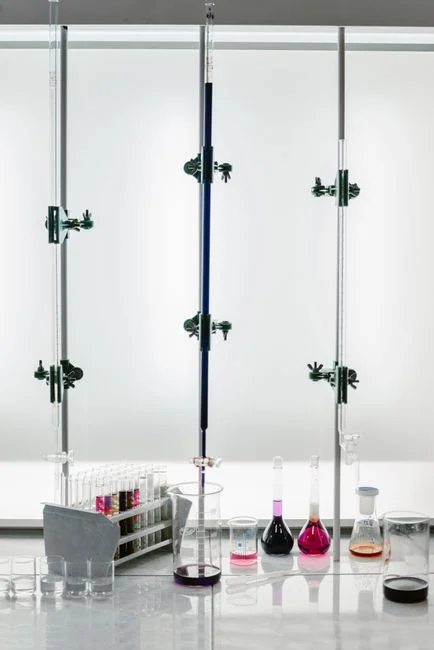
Pretreatment must remove the foulants and control the scaling chemistry identified in the feed. Molewater identifies filtration for silt, antiscalant dosing and pH control as effective pretreatment components, with softening or ultrafiltration added when feed chemistry requires it. This is a treatment-selection rule, not a universal recipe for every high-salinity wastewater.
Use ultrafiltration where suspended solids, colloids or bacteria must be removed before RO. The UF pretreatment for high-TDS RO described by HydropureWater handles 2,000 to 40,000 L/h, uses 0.03-micron PVDF membranes, accepts turbidity up to 300 ppm, and provides automatic backwash and air scour. These are manufacturer specifications for that configuration, not guaranteed performance for an unspecified wastewater.
Activated carbon is a feed-specific option. The Journal of Environmental Engineering and Science study evaluated an integrated activated-carbon adsorption column and RO system for high-concentration zinc removal at the Esfarayen Steel Industrial Complex. That supports adsorption as one pretreatment mechanism, but it does not establish that carbon is required for other metals or feeds.
Use industrial softening where hardness-based scaling requires it. The specified twin-tank softener covers 1 to 45 t/h, uses paired brine tanks from 60 to 2,000 L, and provides automatic service without a separate brine tank. This scope must be reconciled with the analyzed hardness and the project flow before it is included in the RO train.
Coordinate chemical dosing with conductivity, pH and antiscalant control. Chemical addition cannot replace removal of suspended solids, colloids or scale-forming precipitates. For solids removal, a multi-media filtration stage may form part of the train; the exact arrangement should follow the feed analysis and membrane vendor’s limits.
| Problem identified in feed analysis | Potential pretreatment response | Verification required |
|---|---|---|
| Silt and suspended solids | Filtration, with DAF when the wastewater characteristics justify it | Turbidity and suspended-solids control ahead of RO |
| Colloids, bacteria or fine solids | Ultrafiltration | Integrity, filtrate quality and backwash or recovery operation |
| Hardness-based scaling | Softening and coordinated chemical control | Residual hardness, alkalinity, pH and scaling trend |
| Specific dissolved metals | Feed-specific adsorption or other validated removal | Species-specific concentration and fouling impact |
| Scale-forming ions and silica | pH control and antiscalant dosing | Dosing rate, feed pH and concentrate concentration |
The Membranes study screened ten commercial NF and RO membranes after ultrafiltration in high-strength rendering-facility wastewater. All tested membranes reduced TDS and COD, but performance varied. Pretreatment therefore has to be selected for the actual feed; academic viability cannot be substituted for feed testing.
Select the RO Configuration from Feed Chemistry and Water Quality
Configuration selection follows from the feed analysis, permeate target and concentrate constraint. Molewater recommends choosing BWRO or SWRO membranes, flux and rejection specifications from actual feed chemistry rather than rough estimates. No single TDS threshold applies to every RO system because tolerance depends on the membrane, operating pressure, system arrangement and recovery goals.
Molewater reports that modern RO membranes reject 95% to 99.7% of salt, depending on membrane type and operational state. That range is comparative evidence, not a project guarantee. Rejection and flux must be demonstrated under the proposed feed, pressure and recovery conditions.
At approximately 45,000 to 50,000 mg/L or beyond, Molewater states that conventional SWRO is beyond reliable capability. At that boundary, compare multi-stage RO, RO with EDI, thermal evaporation or zero liquid discharge rather than assuming additional pressure resolves the problem. Where very high recovery would make scaling inevitable with RO alone, the configuration must change.
Use EDI when the application requires polishing beyond single-pass RO permeate. The described EDI polishing after RO is a continuous process applied to RO permeate without acid or caustic regeneration. It addresses permeate quality; it does not remove the RO concentrate.
| Configuration | Appropriate when | Principal design issue |
|---|---|---|
| BWRO | Analyzed feed and project conditions support brackish-water membrane selection | Pressure, fouling, scaling and recovery must be developed from the feed |
| SWRO | Higher-salinity treatment is supported by the selected membrane and pumping design | Approximate 45,000–50,000 mg/L or beyond is Molewater’s stated reliability boundary |
| Multi-stage RO | Single-pass recovery or concentrate salinity creates unacceptable constraints | Stage arrangement, interstage control and increased complexity |
| RO plus EDI | The reuse or process-water target requires conductivity lower than single-pass RO permeate | Feed to EDI must meet the polishing stage’s specified quality |
| Thermal evaporation or ZLD | RO alone cannot meet recovery, scaling or concentrate-disposal constraints | Alternative energy, equipment and residue-management implications must be evaluated |
HydropureWater states that its industrial RO product can achieve recovery rates up to 95% under the stated product configuration. Treat that as a manufacturer specification, not a universal high-TDS wastewater outcome. Comparable RO and UF membrane elements should be selected by feed analysis, required flux, feed conditions and compatible system geometry.
Design for Recovery, Pressure and Concentrate Management
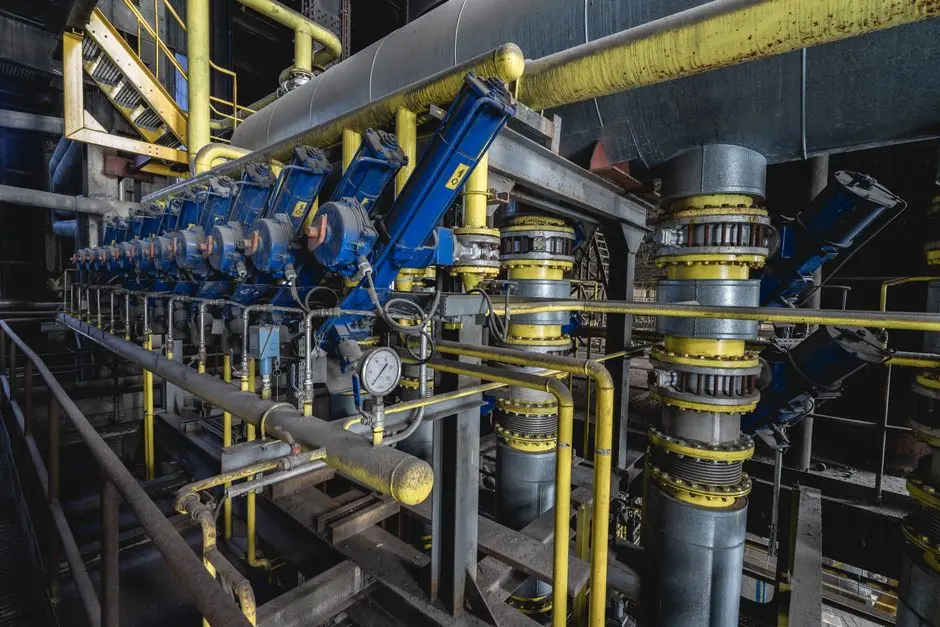
Pressure and recovery must be set together from feed chemistry and membrane configuration. Molewater identifies pump undersizing as a common design error that can produce inadequate permeate quality and shorten membrane life. The high-pressure pump should therefore be sized against the analyzed feed, required permeate flux and the selected recovery—not against a generic flow or power figure.
Higher recovery concentrates the brine and accelerates scaling. As feed TDS increases, designers often reduce recovery to limit scaling risk, while the optimal value depends on the feed chemistry and membrane arrangement. A recovery promise that ignores concentrate chemistry is therefore an incomplete commercial offer.
Resolve concentrate disposal before commissioning. Molewater identifies regulatory and logistical brine disposal as a challenge that must be addressed before operation. The design package should identify the destination, expected concentrate quality and flow, permitted constraints and contingency if discharge conditions change.
Evaluate multi-stage RO where the recovery target would make scaling inevitable with RO alone. Compare that route with thermal evaporation or ZLD when concentrate restrictions are more severe. For high-TDS systems, Molewater recommends continuous conductivity monitoring, regular cleaning cycles and frequent membrane inspections.
Conductivity should therefore be included in the control and operating philosophy alongside pressure, flow and any chemistry used for scaling control. Instrument range, calibration and alarm responses must cover both feed and permeate conditions. The valves and treatment media used in the RO installation should be specified to the actual pressure, chemistry and compatibility requirements.
Energy demand and lifecycle cost must be compared on a project basis. The supplied research contains no verified energy, capital-cost or lifecycle-cost figures for high-TDS wastewater RO, so a defensible comparison requires the feed analysis, flow, selected recovery, concentrate route, utility conditions and supplier pricing.
Use Evidence From Industrial Wastewater Studies
Academic evidence supports RO as a polishing step after upstream treatment, but it does not establish a universal industrial guarantee. The Membranes study screened ten commercial NF and RO membranes for flux and permeate quality after ultrafiltration in high-strength rendering-facility wastewater. All tested membranes reduced total dissolved salts and COD; only two—identified in the research excerpt as Koch MPF-34—continued in the reported screening context.
The practical implication is narrower than “RO fits every high-strength wastewater.” The study shows that membrane screening can identify candidates after ultrafiltration for a defined feed. It does not provide a universal rejection rate, recovery, membrane life or commercial skid performance that can be transferred without testing the project feed.
The Journal of Environmental Engineering and Science study investigated an integrated activated-carbon adsorption column and RO membrane system for high-concentration zinc removal at the Esfarayen Steel Industrial Complex. Its value lies in demonstrating wastewater-specific pretreatment: the appropriate removal step depends on the contaminant and the operating conditions.
These studies support process selection, whereas vendor claims must be verified through feed testing, warranties and acceptance testing. The UF pretreatment for high-TDS RO should therefore be assessed against measured upstream performance and the membrane supplier’s feed limits rather than only against nominal UF specifications.
The evidence boundary should appear in procurement documents. State which conclusions come from academic studies, which come from manufacturer specifications, and which must be demonstrated at the project site. That prevents a screening result from being misrepresented as a project guarantee.
Procurement, Acceptance and Operating Checklist
Comparable proposals start with the same project basis. Require each bidder to state the design feed composition, flow basis, recovery, permeate target, membrane type and concentrate route. A generic “high-TDS RO” quotation does not expose the assumptions that drive price or performance.
Request performance guarantees tied to the analyzed feed and a defined operating envelope. The supplied research provides no standard guarantee values, so none should be invented. The bidder should instead identify the test methods, sample points, stabilization period, correction for feed conditions and remedy for non-compliance.
Specify monitoring and control for conductivity, pressure, flow and pH where used. Include cleaning capability, accessible membrane inspection, operator controls and alarm handling. Confirm replacement-element availability, compatible spare elements and operating support; HydropureWater states that it offers RO and UF membranes, filter elements and pressure vessels compatible with plants from any original supplier.
| Procurement item | Information to require | Acceptance evidence |
|---|---|---|
| Design basis | Feed composition, flow, temperature, pressure, recovery and permeate target | Written reconciliation with the buyer’s analysis and water balance |
| Treatment train | Physical removal, adsorption, softening, filtration, pH and antiscalant controls | Feed-specific rationale and operating limits |
| Membranes and recovery | Membrane type, elements, flux basis, operating envelope and recovery | Manufacturer data, references and project-specific guarantee |
| Controls | Conductivity, pressure, flow, pH, cleaning and inspection provisions | Control philosophy, instrument ranges and alarm set points |
| Concentrate | Destination, quality and flow, permitted constraints and contingency | Contractual plan with responsible parties and triggers |
| Service and spares | Support route, compatible elements and recommended stock | Documented warranty, response scope and spare-part list |
| Commissioning | Feed verification, pretreatment, permeate quality, stable operation and training | Approved protocol and signed completion records |
Make concentrate management a contractual deliverable rather than an owner assumption after delivery. Commission the system through feed verification, pretreatment performance, permeate quality, stable operation and operator training; do not accept a single initial water-quality reading as proof of suitability. The industrial high-TDS RO system, monitoring hardware and compatible membrane and filter elements should therefore be reviewed as one operating package.
Frequently Asked Questions
How much does an RO system for high-TDS wastewater cost?
There is no defensible project price without a feed-specific quotation. Request pricing that identifies the membrane configuration, flow basis, recovery, pretreatment scope, controls, concentrate route, utilities, commissioning tests and warranty. A lower equipment price can be outweighed by additional pretreatment, chemical use, cleaning, downtime or concentrate-management requirements. Require each bidder to price the same analyzed feed and operating envelope so the comparison is meaningful.
How do you size an RO system for high-salinity wastewater?
There is no universal TDS-to-capacity calculation. Sizing requires the representative feed analysis, feed flow, required permeate quality, selected recovery, membrane choice and concentrate constraints. Use those inputs to calculate the hydraulic duty, establish the water balance and verify the configuration through the supplier’s design calculations. Do not select capacity from TDS and flow alone.
Which pretreatment should be used before industrial reverse osmosis?
Match pretreatment to the identified mechanism. Filtration addresses solids, UF addresses colloids and fine suspended material, softening addresses hardness scaling, adsorption can address a specified dissolved contaminant, and antiscalant or pH control can manage selected scale-forming chemistry. The supplied research supports these as conditional measures, not a universal sequence. A supplier must show how its proposed train responds to the actual COD, turbidity, suspended solids, silica, hardness, metals and variability.
Does meeting the permeate specification prove the system is compliant?
No. Permeate quality and concentrate disposal are separate compliance questions. Meeting a reuse or discharge specification for the permeate does not establish that the brine has a permitted destination or acceptable quality. Molewater identifies regulatory and logistical brine disposal as a challenge to resolve before commissioning, so the buyer must obtain the proposed discharge route, quality and flow limits, contingency and regulatory assumptions in writing.
What should be done when conventional SWRO is no longer reliable?
Use approximately 45,000 to 50,000 mg/L or beyond only as Molewater’s stated boundary for conventional SWRO reliability. Compare multi-stage RO, RO with EDI, thermal evaporation and ZLD against the required recovery, permeate quality and concentrate constraints. The choice should follow the analyzed chemistry and disposal route; simply increasing pressure is not a sufficient design response.