What treatment does a Pokhara data center actually need?
A data center in Pokhara generally needs source control, segregation and separate treatment trains for cooling tower blowdown, equipment wash water, chemical-treatment side streams and domestic sewage. Open-loop cooling blowdown can carry concentrated salts, minerals, biocides, corrosion inhibitors and metals, so it needs characterization before treatment. Depending on the permitted destination, potential processes include clarification, disinfection, filtration, softening, reverse osmosis and controlled reuse or disposal. The final design requires local discharge limits, permit confirmation, source-water chemistry, cooling configuration, flow data and chemical inventories; the supplied research does not establish Pokhara-specific limits.
The defensible engineering sequence is: identify each stream, select its legally permitted destination, characterize contaminants, choose treatment, then size equipment and monitoring. Cooling-water consumption, blowdown flow and treatment-plant capacity are different quantities. A headline water-use benchmark cannot size the treatment system, and a US permit framework cannot be transferred to Pokhara.
Open-loop evaporative cooling removes water as vapour while leaving salts and treatment chemicals in the circulating water. Controlled blowdown prevents dissolved solids from reaching unacceptable concentrations. The data center cooling blowdown treatment guide provides a useful comparison framework, but its location-specific examples do not establish Nepal’s approval route or effluent thresholds.
For a Pokhara project, the engineering basis must remain site-specific: cooling configuration, operating cycles of concentration, measured flows, water chemistry, chemical inventory, intended reuse conditions and written acceptance from the relevant authority. Until those inputs are available, equipment selection should remain at the conceptual-screening level.
Map every wastewater stream before choosing equipment
Each wastewater stream should remain traceable from source to destination, because combining streams at a common discharge point does not make their treatment requirements interchangeable. Build the stream register before preparing equipment bids.
| Source | Expected flow variability | Characteristic pollutants | Destination | Treatment objective | Monitoring parameters |
|---|---|---|---|---|---|
| Cooling tower blowdown | Continuous, with operational fluctuations | Concentrated salts and minerals; biocides; corrosion inhibitors; metals | Environmental discharge, sewer discharge or cooling make-up reuse | Meet destination limits or recover reusable water | pH, conductivity, TDS, hardness, silica, chloride, metals, biocide residuals, temperature |
| Equipment and membrane wash water | Intermittent; wash-event slugs | Suspended solids, cleaning residues and treatment chemicals | Designated wastewater route | Remove solids and incompatible chemicals | TSS, turbidity, pH, residual cleaning chemicals |
| Chemical-treatment side streams | Batch or regeneration-related | Concentrated regeneration waste, metals and treatment chemicals | Separate treatment or controlled disposal | Contain and characterize each concentrate | Constituent-specific analysis, pH, salinity and metals |
| Construction or maintenance wash-down | Intermittent, potentially high-volume | Soil, paint, cement, oils and contractor products | Stormwater or wastewater route as locally authorized | Prevent uncontrolled pollutant entry | Suspended solids, pH, oil and grease, site-specific contaminants |
| Domestic sewage | Diurnal and variable | Organic matter, nutrients and sanitary contaminants | Sanitary sewer or approved on-site treatment | Provide sanitary treatment without process contamination | Flow, pH, BOD, COD, TSS and pathogen requirements |
| Direct liquid or immersion cooling discharge | Configuration-dependent | Possible refrigerants or PFAS compounds | Specialized treatment or controlled disposal | Assess coolant-specific handling | Coolant identity, composition and constituent-specific monitoring |
Commercial Water Lab, citing UGA Extension’s 2026 publication and EPA guidance, identifies salts, minerals, biocides, corrosion inhibitors and heavy metals as possible constituents of cooling tower blowdown. Its treatment guide also notes that some direct liquid or immersion coolants may contain refrigerants or PFAS compounds and require specialized handling.
Do not average routine blowdown with startup, shutdown, maintenance and cleaning slugs. The Association of Clean Water Administrators’ 2026 memorandum states that large data centers can impose substantial hydraulic and pollutant loading, while high-volume slug loads can strain wastewater systems. The automatic chemical-dosing system should therefore be specified around the intended stream, chemical inventory and controls rather than the facility’s total wastewater volume.
Choose the discharge route before selecting the process
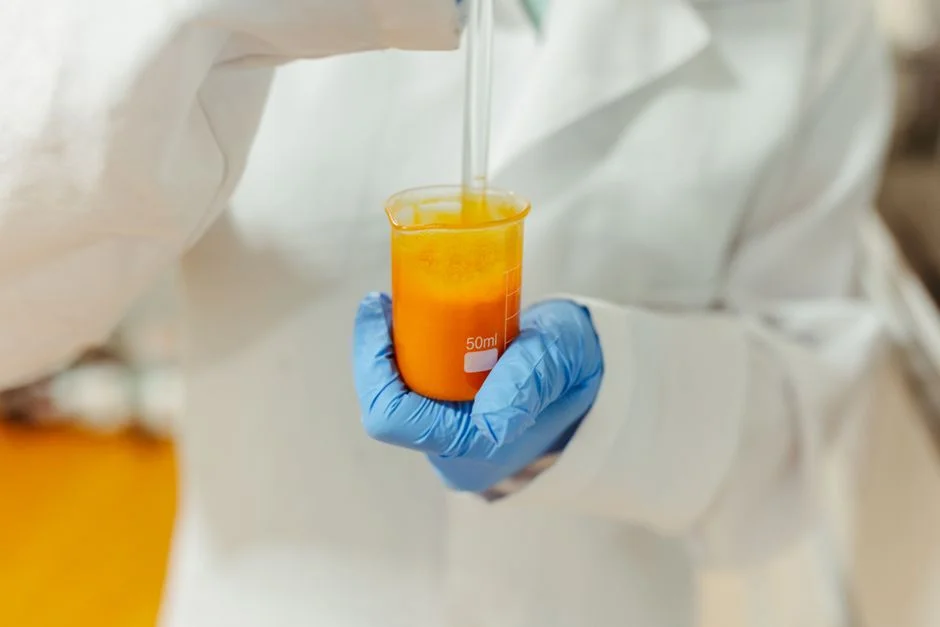
The permitted destination determines the required effluent quality and therefore the treatment objective. A treatment train should not be selected until the receiving route has been confirmed in writing.
| Discharge route | Design basis to confirm | Treatment implications | Required local confirmation |
|---|---|---|---|
| Direct environmental discharge | Temperature, pH, solids, metals, salts and treatment additives | Thermal management, solids removal and pollutant-specific control may be required | Responsible authority, receiving environment, consent conditions and monitoring requirements |
| Indirect discharge to municipal sewer | Flow, temperature, suspended solids, BOD, pH and metals, plus cooling chemicals | On-site pretreatment may be required for sewer acceptance | Utility’s written acceptance and applicable pretreatment conditions |
| On-site reuse as cooling make-up | Required make-up chemistry, scaling and corrosion limits, and system compatibility | Filtration, softening, membrane treatment and stabilization may be required | Internal process approval and any applicable reuse or abstraction conditions |
For direct discharge, characterize thermal conditions, pH, solids, metals and chemical additives before selecting equipment. For sewer discharge, request local pretreatment standards covering suspended solids, BOD, pH and metals. Commercial Water Lab reports that pretreatment programs commonly address these conventional pollutants unevenly and may provide less predictable coverage for data-center-specific chemicals.
For reuse, define the required cooling make-up water quality before selecting polishing technology. Compare recovered-water chemistry with the cooling system’s limits for scaling and corrosion; a membrane permeate is not automatically suitable for every cooling loop. The location-specific discharge assessment illustrates the need to anchor treatment requirements to an accepted destination rather than a generic sewer specification.
None of the supplied research names the legally controlling Pokhara authorities, a Pokhara discharge permit, a municipal sewer standard or a reuse approval pathway. Those items require direct confirmation; a design should not proceed as if US-focused frameworks apply in Nepal.
Build a source-controlled cooling-water treatment train
Source control and pretreatment precede desalination because suspended solids, colloids, hardness and scale-forming chemistry determine whether downstream membranes can operate reliably. A suitable process flow is source characterization and segregation → controlled collection or equalization → filtration or clarification as required → softening or membrane pretreatment → destination-specific treatment → disinfection where required → monitored reuse, sewer discharge or environmental discharge.
Use UF pretreatment for data center cooling blowdown where suspended solids, colloids and bacteria must be removed or downstream RO requires pretreatment. The supplied catalog specifies a flow range of 2,000–40,000 L/h, 0.03 micron PVDF membranes, intake turbidity up to 300 ppm, and automatic backwash with air scour. Those are equipment parameters, not proof that the system will suit an uncharacterized Pokhara feed.
Use an industrial softener for cooling and RO pretreatment where hardness reduction is required. The catalog gives a capacity of 1–45 T/h. Confirm the required outlet hardness, resin regeneration demand, waste stream and recovery rate against the source-water analysis.
Use an industrial RO system for cooling-water reuse when desalination is required. The HydropureWater catalog states recovery rates up to 95%, but actual recovery depends on feed chemistry, scaling control and pretreatment. IDE’s 2026 technical article states that conventional brackish-water RO is commonly limited to 75–80% recovery before scaling becomes unmanageable; salt precipitation, staged treatment or another engineered recovery strategy may be justified where higher recovery is needed.
IDE reports an industrial case operating at approximately 95% recovery with approximately 1 mg/L silica in the permeate. These are vendor-reported results for that application, not guaranteed Pokhara performance. Equipment bids should state recovery at the actual feed composition and include scaling calculations, antiscalant demand and membrane-fouling controls.
| Catalog component | Stated parameter | Engineering use | Bid information still required |
|---|---|---|---|
| UF system | 2,000–40,000 L/h; 0.03 micron PVDF membranes; intake turbidity up to 300 ppm; automatic backwash with air scour | Suspended-solids and colloid control; downstream RO pretreatment | Verified feed flow, turbidity, solids load, recovery and cleaning requirements |
| Industrial softener | 1–45 T/h catalog capacity | Hardness reduction for cooling loops or RO pretreatment | Target hardness, source profile, regeneration waste and duty |
| Industrial RO | Recovery up to 95% in catalog | Desalination and recovery of cooling make-up water | Guaranteed recovery and permeate quality at design feed chemistry |
| Chlorine dioxide generator for industrial cooling-loop disinfection | Manual through fully automatic configurations up to 20,000 g/h | Site-specific disinfection option | Duty, dose, residual target, materials compatibility, safety design and control mode |
Chlorine dioxide should be selected only after its fit with the cooling chemistry, materials, safety requirements and discharge route is demonstrated. Disinfection does not remove dissolved salts, metals or most non-biological contaminants.
Size the system from operating data, not generic water-use estimates
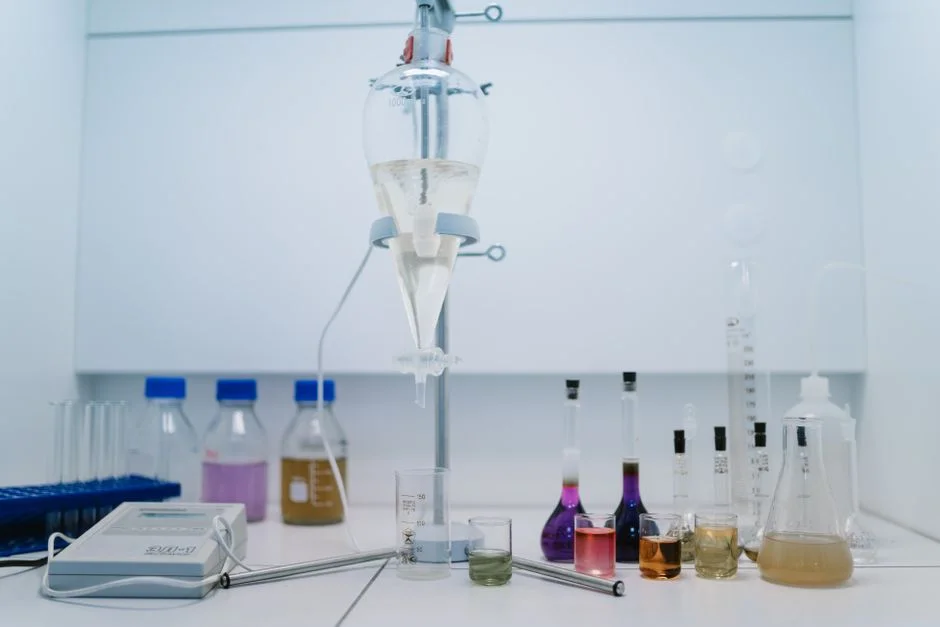
Final treatment capacity must come from measured and calculated cooling-water flows, not total water consumption. Require the cooling configuration, recirculation rate, cycles of concentration, evaporation rate, measured blowdown flow, make-up-water source and complete chemical inventory.
Require source-water and blowdown analyses for pH, conductivity, total dissolved solids, hardness, calcium, silica, alkalinity, chloride, sulfate, turbidity, suspended solids, metals, biocides, corrosion inhibitors and temperature. Product-water and reject-water quality should also be defined against the selected destination.
Collect at least 30 days of flow data logged at 15-minute intervals where available, together with startup, shutdown, maintenance and cleaning records. These operational records establish continuous demand, peak demand and slug conditions; without them, equalization and pretreatment sizing remain provisional.
Commercial Water Lab cites a June 2026 UGA Extension publication that gives a medium-sized data-center cooling-consumption benchmark of up to 300,000 gallons per day. That figure is not a Pokhara blowdown flow and cannot be converted into treatment capacity without evaporation, cycles of concentration, flow data and operating schedules.
Automatic controls should be written as functional requirements: interlocks, high-conductivity diversion, low-flow protection, permeate-quality interlock, leak detection, alarm notification and a documented manual-bypass strategy. The industrial wastewater automation and monitoring guide provides a broader control framework.
| Sizing input | Minimum information to request | What it determines |
|---|---|---|
| Cooling configuration | System type, recirculation rate, cycles of concentration and operating schedule | Continuous treatment flow and peak demand |
| Flow record | 30 days at 15-minute intervals where available, plus event logs | Equalization, peak-load and maintenance-wash sizing |
| Water chemistry | Source and blowdown analyses against the stated parameter list | Softening, membrane, scaling and chemical-control design |
| Destination | Permit or utility acceptance and required final quality | Treatment objectives, monitoring and reject route |
| Chemical inventory | Product, concentration, dose and application method | Compatibility, pretreatment, handling and safety requirements |
The ACWA 2026 memorandum supports accounting for both hydraulic and pollutant loading, not merely individual-stream permits or average flow.
Compare reuse, sewer discharge and controlled disposal
No discharge route is universally optimal. The comparison should be made against the permitted destination, recovered-water quality, treatment complexity and the facility’s freshwater and infrastructure constraints.
| Decision factor | Reuse as cooling make-up | Sewer discharge | Direct environmental discharge | Controlled disposal |
|---|---|---|---|---|
| Water demand | Reduces dependence on freshwater withdrawal | Retains dependence on make-up water | Retains dependence on make-up water | Retains dependence on make-up water |
| Discharge volume | Can reduce routine blowdown volume | Depends on accepted flow and treatment requirements | Depends on treatment and receiving constraints | Requires disposal logistics |
| Chemical demand | May require softening, membrane control, antiscalant and stabilization | Depends on pretreatment obligations and sewer acceptance | Depends on pollutants and receiving conditions | May require waste-compatible collection and transport |
| Monitoring | Must demonstrate recovered-water quality and cooling-loop compatibility | Must demonstrate compliance with written utility conditions | Must address salinity, metals, thermal effects and treatment chemicals | Must characterize the hauled waste and destination |
| Infrastructure | Requires reuse treatment, storage and cooling-system integration | Requires connection or dedicated pretreatment | Requires discharge route and relevant consent | Requires storage, transport and receiving arrangements |
| Main risk | Scaling, corrosion, membrane fouling or incompatible chemistry | Utility refusal or additional pretreatment requirements | Non-compliance or receiving-water impact | Logistics, cost and disposal acceptance |
Reuse can lower freshwater withdrawal, reduce blowdown volume and permit higher cooling cycles of concentration, but only if recovered water is compatible with the cooling system. IDE’s 2026 article presents these benefits qualitatively; the supplied research does not establish Pokhara-specific percentage savings or return on investment.
Sewer discharge may avoid onsite polishing only if the utility accepts the waste’s flow, temperature and pollutant profile in writing. Direct environmental discharge requires explicit consideration of salinity, metals, thermal effects, treatment chemicals and local receiving-water constraints.
Evaluate reuse first when make-up water is available and the recovered-water chemistry can meet cooling requirements. If that route fails, compare sewer acceptance with direct discharge and controlled disposal rather than assuming that one treatment train fits every stream. The location-specific data center blowdown assessment and data center cooling treatment review provide useful decision logic, but not Pokhara’s legal thresholds.
Verify Pokhara requirements and procure against a complete scope
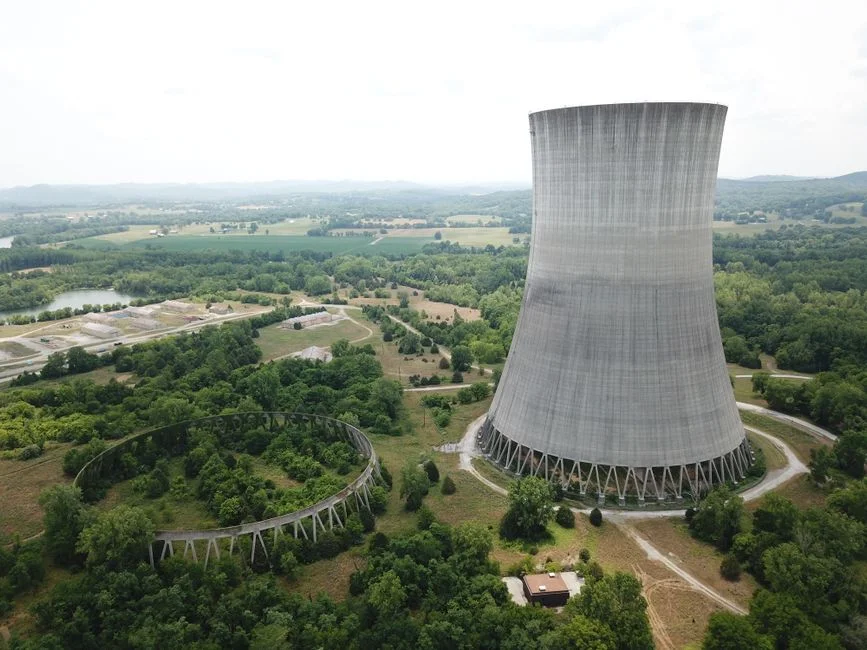
The procurement package must establish who has authority to accept each destination and what evidence will demonstrate acceptance. The supplied research does not identify the legally controlling Pokhara agencies or local thresholds, so the project team must obtain current requirements directly from the relevant authority, municipality, sewer utility and other approving bodies.
Confirm effluent acceptance, sewer pretreatment conditions, water abstraction, electrical or construction approvals, and any site-specific environmental consent. Preserve each response, permit, drawing and revision in the procurement audit trail.
| Procurement item | Required bidder response | Acceptance evidence |
|---|---|---|
| Guaranteed performance | Design flow, feed-water envelope, product quality, reject quality and recovery | Documented calculations and enforceable guarantees |
| Availability and redundancy | Duty/standby arrangement, failure modes and bypass strategy | Reliability and maintainability review |
| Consumables and operating cost | Chemical use, media life, membrane replacement and cleaning assumptions | Calculation basis tied to the specified feed water |
| Physical and utility needs | Footprint, weight, power, drainage, ventilation and access | General arrangement and utility load schedule |
| Controls and safety | Interlocks, alarms, leak detection, diversion, local controls and notifications | Functional description and control narrative |
| Commissioning | Factory and site tests, performance demonstration and defect correction | Signed test protocol and results |
| Documentation and support | Drawings, manuals, training, warranty and spare-parts support | Handover schedule and contractual commitments |
| Mass balance | Evaporation, blowdown, product water, reject water, sludge or concentrate and disposal routes | Water and contaminant balance at design and event conditions |
Require a chemical-compatibility review covering cooling biocides, corrosion inhibitors and cleaning products. The ACWA 2026 memorandum identifies azoles and glutaraldehyde among biocide chemicals that can kill microbes used in wastewater treatment. This is directly relevant if any biological process is proposed.
Include startup, shutdown, maintenance and cleaning events in acceptance testing. The same memorandum identifies high-volume slug loads as a potential constraint on wastewater systems. Treatment-system accessories should therefore be specified as part of the complete package; the water-treatment parts, valves and filter-media scope should be checked for compatibility with the selected process and chemicals.
Frequently Asked Questions
How much does wastewater and cooling blowdown treatment cost for a data center in Pokhara?
There is no supportable Pokhara price in the supplied research. A valid budget requires the cooling configuration, measured blowdown flow, source and blowdown analyses, selected discharge route, required final-water quality, available footprint, utility costs and installation scope. Request an itemized quotation covering equipment, pretreatment, membranes or media, tanks, pumping, controls, chemicals, commissioning, training, waste disposal and lifecycle replacements. Compare bids on the same water and reject-quality basis; otherwise treatment prices are not comparable.
How should treatment capacity be sized for cooling-water use?
Do not size the plant from total cooling-water consumption. Size continuous treatment from expected blowdown and any deliberately reused wash flow; size equalization and pretreatment from measured peaks and maintenance slugs; then verify the cooling-system balance through evaporation, make-up, blowdown and product-water flows. The 30-day, 15-minute flow dataset and event records requested for the Pokhara design are prerequisites for final sizing.
What should a wastewater-treatment supplier prove before selection?
Require a site-specific water and contaminant mass balance, guaranteed design flow, feed-water envelope, product and reject quality, recovery, availability, chemical consumption, footprint, power, controls, alarms, commissioning results, operator training and warranty terms. Compliance evidence must match the intended destination: direct-discharge consent, sewer-utility acceptance or internal reuse approval. A generic reference plant or a recovery rate quoted without the Pokhara feed-water chemistry is insufficient.
Are Pokhara-specific discharge limits available for selecting the treatment process?
The supplied research does not establish them. For direct discharge, obtain the applicable consent, receiving-water constraints and monitoring conditions. For sewer discharge, obtain written utility acceptance and local pretreatment limits. For reuse, define the cooling make-up chemistry and confirm the recovered water against scaling, corrosion and cooling-system requirements. Treat these confirmations as mandatory procurement inputs rather than assuming US regulatory mechanisms apply in Nepal.