What Changes When GM Acquires a Mexican Assembly Plant?
Wastewater becomes a transferred operating and environmental liability on closing day, because an acquisition changes who controls the plant without extinguishing permit conditions, monitoring duties, sludge obligations, violations, or equipment risks. The buyer must verify the CONAGUA título de concesión, SEMARNAT discharge authorization, applicable NOM-001-SEMARNAT-2021 limits, and any tighter state or basin conditions, then notify SEMARNAT of the change of operator within 90 days of closing under LGEEPA Article 29-bis. Treatment selection must follow source-specific wastewater characterization and the required discharge or reuse endpoint. GM’s Silao project provides a historical benchmark: it was designed to recycle up to 85% of wastewater, compared with 25% previously recycled, while reducing daily groundwater extraction by half (3BLMedia, 2018-03-28).
Operational responsibility cannot wait for the administrative filing. From closing, the buyer needs a defined chain of custody for sampling, reporting, maintenance, bypass prevention, sludge handling, and laboratory support. Legacy enforcement remains part of the transaction: the supplied commercial source states that open PROFEPA expedientes, inspection findings, and unpaid multas transfer as successor liabilities rather than resetting on closing.
GM’s San Luis Potosí operation establishes the relevant operating precedent. The 2018 GM report describes a closed treatment system that purified wastewater for paint and machining processes and supported irrigation, producing zero liquid discharge at the end of the treatment cycle (3BLMedia, 2018-03-28). Whether that model fits an acquired site depends on its product mix, water rights, discharge permit, reuse specifications, and residual-management arrangements. The battery-plant wastewater commissioning framework provides a useful reference for the additional characterization required where EV or battery processes are present.
Build the Permit and Liability Position Before Closing
The buyer should treat the permit stack as a hierarchy rather than assume that one discharge authorization settles every question. The supplied commercial diligence source identifies NOM-001-SEMARNAT-2021 as the binding federal effluent-quality standard, with the site-specific Comisión Estatal de Agua authorization and basin-level Coordinación de Ordenamientos Territoriales y Desarrollo Urbano potentially imposing tighter discharge or zoning conditions. Each conclusion remains a diligence item to confirm with the relevant authority and Mexican counsel; the supplied research does not establish that every cited instrument applies identically to every plant.
The closing document request should include the CONAGUA título de concesión for wastewater discharge and groundwater extraction, the SEMARNAT discharge authorization, all operating conditions, monitoring records, inspection findings, PROFEPA files, unpaid multas, and any change-of-control provisions. The legal team should identify which obligations run with the authorization, which attach to the site or the operator, and which require consent, amendment, or a new application before the asset can be operated under the intended model.
Article 29-bis requires the buyer to notify SEMARNAT within 90 days of closing, identify the successor operator, and re-attach the operating conditions, according to the supplied commercial source. That filing is not a grace period for noncompliance. Treat an unresolved deviation, missing laboratory result, invalid discharge, or bypass as an operating issue requiring immediate containment and counsel review.
| Layer | What to obtain | Decision it controls |
|---|---|---|
| Federal baseline | NOM-001-SEMARNAT-2021 and applicable category or use-type limits | Minimum discharge-quality framework; screening criteria only |
| CONAGUA authorization | Título de concesión, conditions, flow or groundwater rights, renewal status | Authorized abstraction and discharge envelope |
| SEMARNAT authorization | Discharge authorization and attached operating conditions | Permitted treatment, monitoring, reporting, and discharge conditions |
| State and basin controls | CEA requirements, COTER conditions, seasonal restrictions | Potentially tighter limits, zoning, or operating constraints |
| Legacy liabilities | PROFEPA expedientes, findings, unpaid multas, deviations, monitoring gaps | Successor exposure, remediation, closure conditions, and purchase-price risk |
Map and Segregate Every Wastewater Stream
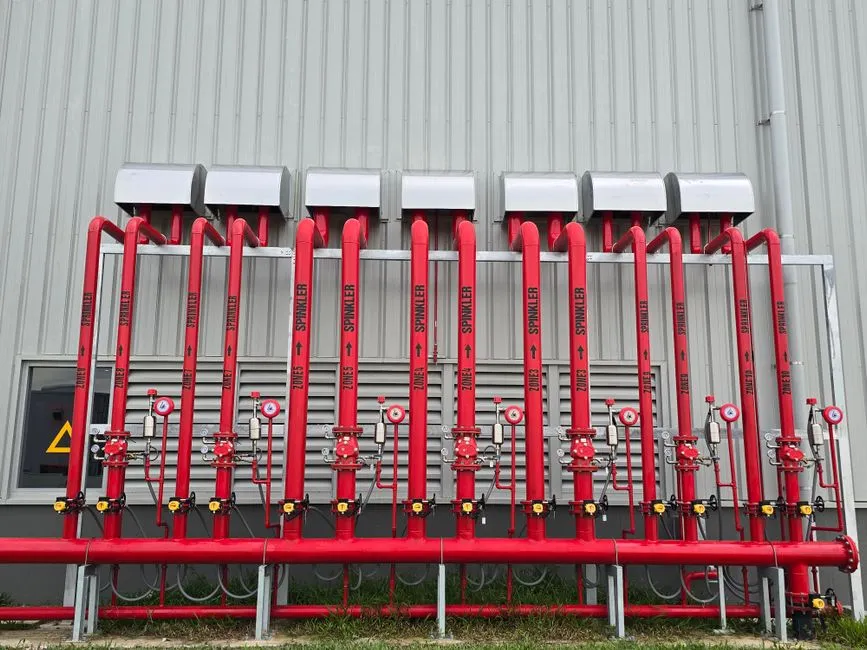
Treatment selection is invalid if the buyer treats the plant as one undifferentiated wastewater stream. The supplied commercial source identifies four assembly-plant sources: body-in-white wastewater containing Ni, Co, drawing compounds, and lubricant emulsions; paint-shop wastewater containing phosphate, E-coat, detackifier, and COD; general-assembly rinse water and cooling-tower blowdown; and an EV or battery overlay. Where battery operations are present, the source identifies NMP from cathode coating, graphite slurries, and electrolyte salt flushes as additional investigation items.
Sanitary and industrial wastewater must remain segregated under NOM-001-ECOL-1996, according to the supplied commercial source. Mixing sanitary flow into an industrial train can expand the biological design envelope and capital requirement, while combining streams with incompatible chemistry makes treatment, reuse, and residual handling harder to control.
| Stream | Characterization required | Screening criterion from the supplied source |
|---|---|---|
| Body-in-white | Flow, pH, Ni, Co, metals, oils, drawing compounds, and toxicity characteristics | Total Ni 1.0 mg/L and total Co 1.0 mg/L as annual-average metal-finishing screening ceilings |
| Paint shop | Phosphate, E-coat, detackifier, COD, pH, and flow | Total P 5 mg/L for a reservoir or lake use-type under NOM-001 Table 2 |
| General assembly | Rinse contaminants, cooling chemicals, metals, COD, flow, pH, and oil and grease | Apply the applicable site permit and federal category limits |
| EV or battery | NMP, graphite slurry characteristics, electrolyte salts, metals, COD, and toxicity | Determine whether dedicated pretreatment or recovery is required |
| Sanitary | Flow, COD, solids, pH, and applicable sanitary characteristics | Keep separate under NOM-001-ECOL-1996 |
The other annual-average metal-finishing screening ceilings in the supplied source are total Cr(VI) 0.1 mg/L, total Pb 0.5 mg/L, total Cu 1.0 mg/L, total Zn 2.0 mg/L, and total CN 1.0 mg/L. These values do not replace site-specific permit conditions. Require source-by-source sampling for flow, pH, metals, phosphorus, COD, oil and grease, toxicity characteristics, and reuse parameters before selecting equipment. A DAF system for industrial wastewater pretreatment should be selected against measured suspended solids, emulsions, free oil, and colloidal load rather than stream labels alone.
Select Treatment Around the Discharge and Reuse Decision
The required endpoint determines the treatment train: permitted discharge, sewer acceptance, process reuse, irrigation, or a near-zero-liquid-discharge objective. A generic DAF–MBR–RO configuration is not automatically required. The supplied commercial source describes that train as one retrofit scenario for a 1,500 m³/day Mexico installation, excluding NMP distillation and an evaporator. Its stated capital envelope is $1.5 million–$6 million, equivalent to roughly $1,000–$4,000 per m³/day of design capacity or $4–$16 per gallon.
| Treatment function | Design role | Decision test |
|---|---|---|
| Equalization | Balance flow and concentration before treatment | Is the measured flow and loading envelope stable across production shifts? |
| DAF | Remove suspended solids, FOG, oil and grease, and colloidal material | Do source data support the required removal duty and sludge route? |
| MBR | Provide biological treatment with membrane separation | Does the biological load and reuse target justify the added control and maintenance requirements? |
| RO | Remove dissolved salts and polish water for reuse | What recovery, concentrate volume, energy demand, and residual route are acceptable? |
| Zero-liquid-discharge equipment | Manage remaining concentrate or residuals | Are the excluded equipment, operating utilities, and final disposal route included in the investment case? |
The supplied MBR example specifies submerged PVDF hollow-fiber modules, effluent turbidity below 1 NTU, and MLSS of 8,000–12,000 mg/L, with reactor volume sized for peak flows near 5,000 m³/day at full EV scale (commercial source). Those specifications cannot be transferred to another site without verified flow, loading, temperature, product mix, and reuse data. The submerged MBR wastewater treatment system should be evaluated for its biological and solids-separation duties, while the reverse-osmosis treatment option addresses dissolved solids and polishing rather than upstream oil removal.
A reuse case can support advanced treatment, but it also creates a second acceptance test. Confirm end-use quality criteria, process compatibility, monitoring frequency, effects of changing product mix, and the concentrate or residual route. If the objective is near-zero liquid discharge, include the excluded NMP and evaporation equipment in the scope rather than treating the base train as a complete ZLD solution.
Secure Monitoring and Operational Continuity at Closing
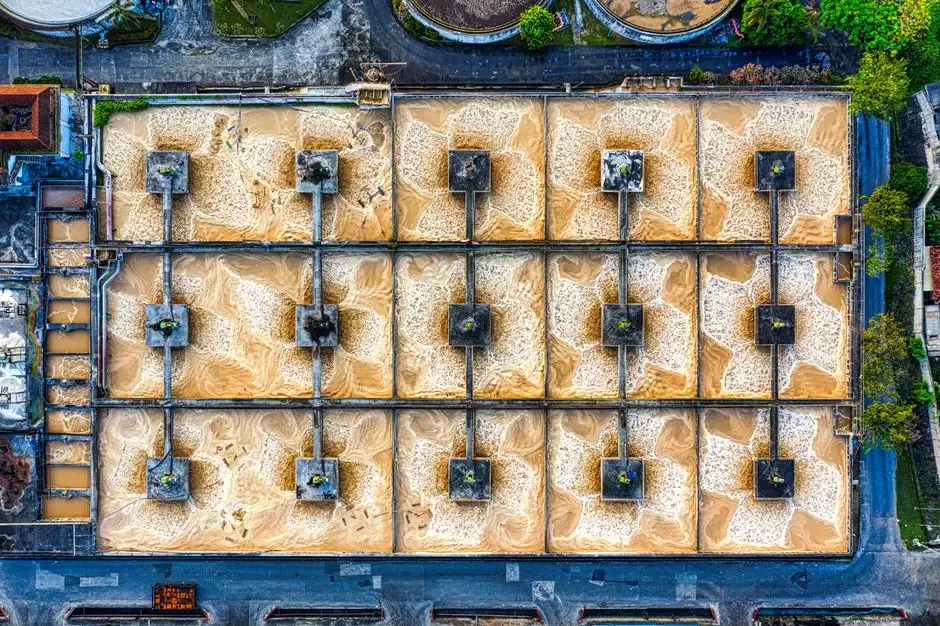
The wastewater system needs an accountable operating plan from the first day under buyer control. The filing team should handle Article 29-bis, but the plant team must continue sampling, reporting, maintaining, and paying for compliant operation from closing. Assign named responsibility for laboratory results, flow meters, chemical deliveries, sludge routing, bypass systems, alarms, and permit deviations before production changes begin.
The supplied commercial source states that GM expects major facilities to measure and monitor 100% of regulated discharges and cites an estimated 0.1% standard-effluent data coverage by quality parameters. Treat that estimate as a monitoring-planning reference, not as the site permit or a complete statistical-quality analysis. The operating plan should reconcile continuous flow measurement with the sampling frequency, analytical methods, and reporting requirements imposed by the actual authorization.
Seasonal scrutiny also affects the operating margin. The supplied commercial source identifies water-risk exposure at three GM facilities in the Río Bravo/Río Grande and Río Lema basins and states that basin-specific tightening during the November–May dry season is standard practice. Before closing, obtain written evidence of any seasonal limits and confirm whether the acquired site falls within the relevant basin.
Use the treatment-parts, valves, and filter-media checklist to verify calibration, laboratory accreditation, chain-of-custody procedures, flow measurement, alarm response, bypass prevention, chemical inventory, critical spares, sludge routing, and operator competence. Also establish how deviations will be escalated and who can authorize changes in production or chemistry that affect wastewater quality.
Use the Acquisition as a Water-Reuse Investment Decision
GM’s historical projects support reuse as a strategic option, but they do not establish the acquired plant’s achievable performance. The March 28, 2018 GM report stated that the Silao recycling project remained in the installation phase. It had been developed in 2015 in response to declining local-well water levels and was designed to recycle and reuse up to 85% of wastewater, compared with the 25% previously recycled. GM also reported that the project would reduce daily groundwater extraction by half (3BLMedia, 2018-03-28).
These are design expectations reported in 2018, not verified final operating results. The transaction model should separately test the groundwater-abstraction rights, reliability of the source, current and future product mix, EV or battery processes, process-water quality, irrigation requirements, residual management, and the consequences of a product change. Where acquisition economics depend on reduced freshwater demand, require evidence of abstraction cost and permitted availability before assigning value to reuse.
GM’s San Luis Potosí closed system provides a historical operating precedent: the 2018 report described purified wastewater serving paint and machining processes and supporting irrigation, with zero liquid discharge at the end of the treatment cycle. The next design step is not equipment selection but an end-use mass balance. Map each reuse destination to required water quality, continuous flow, seasonal demand, contamination risk, and residual fate. Mechanical screening and solids clarification may still be required upstream; for example, review a mechanical bar-screen option and a sedimentation option against the actual debris and settleable-solids load.
Pre-Closing Wastewater Diligence Checklist

- Obtain all water, discharge, groundwater, waste, and reuse authorizations, together with every operating condition and renewal record.
- Review permit deviations, inspection findings, enforcement exposure, monitoring gaps, sludge disposition, and outstanding maintenance.
- Complete source-by-source characterization and compare results with federal standards, site permits, state conditions, and basin restrictions.
- Verify the treatment train, controls, flow meters, laboratory support, bypass prevention, redundancy, chemical supply, and operator competence.
- Model permitted discharge, reuse, and zero-liquid-discharge scenarios, including utilities, chemicals, sludge, energy, and final residual management.
- Assign a dated owner for the Article 29-bis filing and a separate owner for environmental-operations continuity from closing.
The Mexico DAF system engineering and compliance guide and high-complexity industrial wastewater CAPEX guide can support supplier questions and scenario definition. They should not substitute for site-specific permits, source characterization, or Mexican legal review.
Frequently Asked Questions
What must be filed within 90 days after GM closes the acquisition?
The buyer must notify SEMARNAT of the change of operator within 90 days of closing under LGEEPA Article 29-bis, identify the successor operator, and re-attach the operating conditions, according to the supplied commercial source. Operational responsibility does not wait for that filing: monitoring, reporting, treatment operation, sludge management, and permit-deviation response must continue from closing day.
How much would the wastewater retrofit cost?
The only supplied cost scope is $1.5 million–$6 million for a 1,500 m³/day Mexico retrofit using DAF, MBR, and RO, excluding NMP distillation and an evaporator. A buyer should request a site-specific quotation that states flow basis, treatment objectives, civil works, utilities, controls, residuals, commissioning, and any required zero-liquid-discharge equipment. The supplier-selection and engineering-data framework can structure that request, but it does not replace a quotation.
How should treatment capacity be sized for the acquired plant?
Verify flow, source composition, discharge destination, reuse targets, and permit conditions before sizing equipment. Production schedule, product mix, batch operations, storm and wash-water inputs, and future EV or battery processes can change both hydraulic and contaminant loads; historical plant nameplate data are not enough.
What evidence should be required from a wastewater treatment supplier?
Request a process guarantee, comparable performance data, membrane and skid details, control scope, local service capability, installation basis, utilities demand, and demonstrated treatment-chain compatibility. The DAF-versus-clarifier technical guide is useful for checking that the proposed pretreatment method matches the measured solids and oil load rather than a generic equipment list.
Related Equipment
- DAF system for industrial wastewater pretreatment — specifications, capacity range, and technical data