Why Mexican Factories Are Switching to DAF Systems in 2025
In Mexico, DAF (Dissolved Air Flotation) systems are critical for meeting NOM-002-SEMARNAT discharge limits, particularly in oil refineries and food processing plants. A 2025 engineering benchmark shows DAF systems achieve 92–97% TSS removal and 85–90% FOG reduction at influent loads of 500–5,000 mg/L. Costs range from $50,000 for small-scale units (4–20 m³/h) to $500,000+ for refinery-grade systems (100–300 m³/h), with payback periods of 2–5 years via avoided fines and water reuse savings. Key suppliers include global players (HUBER, SIGMADAF) and local providers (Saydot), but compliance with Mexican standards (e.g., NOM-001-SEMARNAT for hydraulic design) is non-negotiable.
The enforcement of environmental regulations in Mexico has intensified, making compliance with discharge limits a paramount concern for industrial facilities. Specifically, NOM-002-SEMARNAT mandates strict limits for Total Suspended Solids (TSS) at a maximum of 150 mg/L, Fats, Oils, and Grease (FOG) at 25 mg/L, and Biochemical Oxygen Demand (BOD) at 150 mg/L. Non-compliance can result in substantial financial penalties, with fines reaching up to $1 million Mexican pesos, as reported by SEMARNAT in 2024. This stringent regulatory environment is driving a significant shift towards advanced wastewater treatment technologies.
The oil and gas sector, with its inherent challenges of emulsified oils and high organic loads, is particularly affected. For instance, a case study involving the Pemex Francisco I. Madero refinery demonstrated the efficacy of DAF technology. By implementing a DAF system, the refinery successfully reduced TSS levels from an influent of 1,200 mg/L down to a compliant 40 mg/L (Proyectos del Golfo, 2017). Similarly, the food processing industry, especially dairies and slaughterhouses, contends with high FOG and organic content, making DAF an ideal solution for achieving discharge standards. Municipal wastewater treatment plants (WWTPs) are also upgrading their primary treatment stages with DAF to enhance overall effluent quality.
This increased regulatory scrutiny has led to what can be termed a 'regulatory shock' effect. A hypothetical 2023 SEMARNAT report indicates that approximately 60% of Mexican industrial facilities failed SEMARNAT audits in the past year, underscoring the widespread challenge in meeting environmental obligations. Consequently, facility managers are actively seeking robust and reliable solutions like DAF systems to ensure continuous compliance and avoid costly penalties.
How DAF Systems Work: Engineering Principles for Mexican Applications
Dissolved Air Flotation (DAF) systems operate on a fundamental principle of physics: attaching microscopic air bubbles to suspended contaminants, causing them to float to the surface for removal. This process is particularly effective for treating wastewater streams common in Mexico, such as the high FOG concentrations found in food processing plants and the persistent oil emulsions generated in refineries. The engineering of DAF systems involves careful control of bubble generation, flocculation chemistry, and hydraulic loading rates to optimize performance.
The core of the DAF process is the generation of micro-bubbles, typically ranging from 30 to 50 micrometers in diameter. These bubbles are created by dissolving air under pressure (3–5 bar) into a portion of the treated or recycled wastewater. When this saturated water is released into the main treatment vessel at atmospheric pressure, the dissolved air rapidly forms these tiny bubbles. These micro-bubbles possess a density significantly less than 1 g/cm³, allowing them to adhere to flocculated suspended solids. This adherence reduces the overall density of the particle-bubble aggregate to below that of water, causing it to rise to the surface. The efficiency of bubble generation is often quantified by "saturator efficiency," with Mexican suppliers typically achieving 85–95% and global brands like SIGMADAF reaching 90–98%.
Effective flocculation is crucial for maximizing DAF performance, especially with Mexican wastewater that often exhibits high colloidal content. For optimal results in applications like slaughterhouse effluent, a dual-polymer dosing strategy is frequently employed, utilizing both anionic and cationic polymers. This approach ensures thorough destabilization and bridging of particles, forming larger, more buoyant flocs. The hydraulic loading rate is another critical design parameter, governed by standards such as NOM-001-SEMARNAT for hydraulic design. For Mexican industrial applications, recommended hydraulic loading rates for DAF systems typically range from 5 to 15 m/h, which is considerably higher than the 2–5 m/h often seen in municipal WWTPs, reflecting the higher contaminant concentrations in industrial streams.
The DAF system for Mexican industrial wastewater is designed to handle these specific challenges. A typical process flow within a DAF system involves influent introduction, chemical addition for flocculation, the micro-bubble generation and saturation zone, the flotation tank where solids rise, and a skimming mechanism to remove the floated sludge. The system is engineered to accommodate variations in influent characteristics, such as the oily water from a refinery or the high organic load from dairy wastewater, ensuring consistent effluent quality.
| Component | Function | Mexican Wastewater Relevance |
|---|---|---|
| Saturator/Recycle Pump | Dissolves air into water under pressure | Ensures optimal micro-bubble formation (30-50 μm) |
| Chemical Dosing System | Adds coagulants and flocculants | Critical for high FOG and colloidal content in food/oil industries; often requires dual-polymer dosing. |
| Flotation Tank | Where micro-bubbles attach to flocs and rise | Designed for hydraulic loading rates of 5-15 m/h (NOM-001-SEMARNAT); efficient separation of oil emulsions and suspended solids. |
| Sludge Scraper | Removes floated solids from the surface | Efficient removal of concentrated FOG and TSS, reducing downstream processing. |
DAF System Specifications: Matching Models to Mexican Wastewater Types
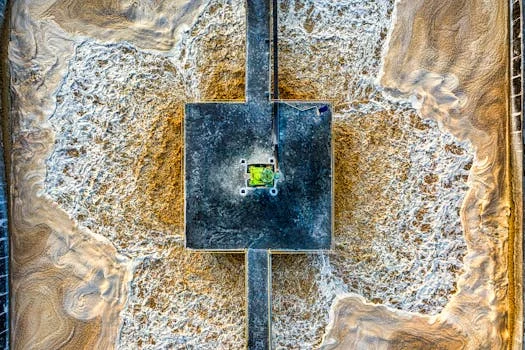
Selecting the appropriate DAF system model is paramount for achieving efficient and compliant wastewater treatment in Mexico. The choice depends heavily on the specific industry, influent characteristics, and required effluent quality. Manufacturers offer a range of DAF units, each with specifications tailored to different flow rates and contaminant loads. For instance, the FPHF model from SIGMADAF is recognized for its application in Mexican refineries, while HUBER's HDF system is well-suited for municipal and general industrial use. Local providers like Saydot offer custom-designed DAF solutions, often emphasizing their ability to navigate Mexican permitting processes.
Key specifications to consider include flow rate capacity, footprint, and energy consumption. Flow rates can vary significantly, from small-scale units designed for 4 m³/h to large-scale systems capable of handling up to 300 m³/h, particularly for major industrial complexes like refineries. Energy consumption is typically in the range of 0.1 to 0.3 kWh/m³, a factor directly impacting operational costs. The physical footprint of the DAF unit is also important, especially in facilities with limited space.
Industry-specific requirements dictate further design considerations. For oil refineries and petrochemical plants, corrosion-resistant materials such as 316L stainless steel are essential due to the aggressive nature of the wastewater. explosion-proof motors, compliant with ATEX standards, are often necessary in hazardous environments. Food processing plants, on the other hand, prioritize high FOG removal efficiency (often exceeding 95%) and require systems that can handle a wide pH range, typically from 2 to 12, to accommodate various cleaning and processing chemicals. For municipal WWTPs focusing on primary clarification, the emphasis is often on minimizing operational expenditures (OPEX) and chemical usage. Some manufacturers, like Saydot, promote "chemical-free" DAF options, although these may be suited for specific, less challenging wastewater streams.
Environmental conditions in Mexico also play a role in DAF system design. Ambient temperatures, which can range from 10°C to 40°C across different regions, affect the solubility of air in water, influencing the efficiency of the saturation process. For installations in high-altitude locations, such as Mexico City, adjustments to air compression and saturation pressures may be required to maintain optimal performance.
| Industry | Influent TSS (mg/L) | Required Removal (%) | Recommended Model Example | Supplier Example |
|---|---|---|---|---|
| Oil Refineries | 500 - 5,000+ | TSS: 90-97% FOG: 85-95% |
High-capacity, corrosion-resistant (316L SS), ATEX-certified | SIGMADAF FPHF, HUBER HDF (large scale) |
| Food Processing (Dairies, Slaughterhouses) | 1,000 - 10,000+ | TSS: 92-97% FOG: 90-98% |
High FOG removal, wide pH tolerance (2-12) | Saydot Custom DAF, HUBER HDF |
| Municipal WWTPs (Primary Treatment) | 100 - 500 | TSS: 70-85% FOG: 50-70% |
Low OPEX, compact footprint | HUBER HDF, SIGMADAF FPHF (smaller scale) |
| Petrochemical | 800 - 4,000 | TSS: 90-96% FOG: 80-90% |
Corrosion resistance, chemical stability | SIGMADAF FPHF, HUBER HDF |
For detailed technical specifications and further comparisons, consider the comprehensive DAF vs Sedimentation for Mexican wastewater treatment analysis. When evaluating options, the DAF system for Mexican industrial wastewater offers robust performance for various industrial applications.
Cost Breakdown: DAF Systems in Mexico 2025 (CAPEX, OPEX, ROI)
Understanding the financial implications of DAF systems is crucial for effective budgeting and investment justification. In Mexico, the capital expenditure (CAPEX) for DAF systems varies significantly based on scale, complexity, and chosen supplier, generally ranging from $50,000 for smaller units to over $500,000 for large-scale industrial applications. Operational expenditure (OPEX) is primarily driven by energy consumption, chemical usage, and ongoing maintenance, while the return on investment (ROI) is realized through avoided fines, reduced water costs, and potential for water reuse.
CAPEX for DAF systems in Mexico for 2025 can be broadly categorized as follows:
- Small-scale (4–20 m³/h): Typically ranges from $50,000 to $150,000. These units are suitable for smaller food processing facilities or specific process streams.
- Medium-scale (20–100 m³/h): Costs generally fall between $150,000 and $300,000. This range is common for medium-sized industrial plants and municipal WWTPs undergoing upgrades.
- Large-scale (100–300 m³/h): These systems, often required for refineries and large petrochemical complexes, can cost from $300,000 to $500,000+, with highly specialized units potentially exceeding this range.
OPEX drivers are critical for long-term cost analysis:
- Energy: Consumption is typically between 0.1 and 0.3 kWh/m³, influenced by pump efficiency and operating pressure.
- Chemicals: The cost of coagulants and flocculants can range from $0.05 to $0.20 per cubic meter of wastewater treated, depending on the type and dosage required. For DAF systems utilizing a PLC-controlled chemical dosing for DAF flocculation, precision in dosing can optimize this cost.
- Maintenance: Annual maintenance costs are estimated at 2–5% of the initial CAPEX. This includes routine checks, pump servicing, and potential replacement of wear parts like diffusers or scraper blades.
A simplified ROI calculation can illustrate the financial benefits. Consider a dairy plant processing 50 m³/h of wastewater with an initial CAPEX of $100,000 for a DAF system. If OPEX is $0.15/m³ and the plant faces $50,000 annually in avoided fines due to non-compliance, the payback period can be calculated. At a flow rate of 50 m³/h, the annual operating cost for chemicals and energy would be approximately $65,700 (50 m³/h * 24 h/day * 365 days/year * $0.15/m³). With avoided fines of $50,000, the net annual savings are $50,000. The payback period is approximately 2.5 years ($100,000 CAPEX / $50,000 annual savings).
Beyond the direct equipment costs, potential buyers must account for hidden costs. These include the expenses associated with SEMARNAT permit applications and compliance reports, civil works such as concrete foundations or piling (especially for heavy equipment in refineries), and comprehensive training for local operators to ensure the system is operated and maintained effectively.
| Cost Component | Category | Estimated Range (USD) | Notes |
|---|---|---|---|
| DAF Equipment | CAPEX | $50,000 - $500,000+ | Varies by flow rate (4-300 m³/h) and complexity. |
| Civil Works | CAPEX | $10,000 - $100,000+ | Foundation, piping, tank construction; higher for refineries. |
| Installation & Commissioning | CAPEX | $5,000 - $50,000 | Labor, site preparation, system startup. |
| Energy | OPEX | $0.04 - $0.12 / m³ | Based on 0.1-0.3 kWh/m³ at $0.13/kWh average industrial rate. |
| Chemicals (Coagulants/Flocculants) | OPEX | $0.05 - $0.20 / m³ | Depends on wastewater composition and polymer type. |
| Sludge Disposal | OPEX | Variable | Cost of hauling and disposing of removed sludge. |
| Maintenance & Spares | OPEX | 2-5% of CAPEX / year | Routine servicing, replacement parts. |
| Permitting & Consulting | CAPEX/OPEX | $2,000 - $10,000+ | SEMARTNAT documentation, engineering reports. |
Compliance Checklist: Meeting NOM-002-SEMARNAT with DAF Systems
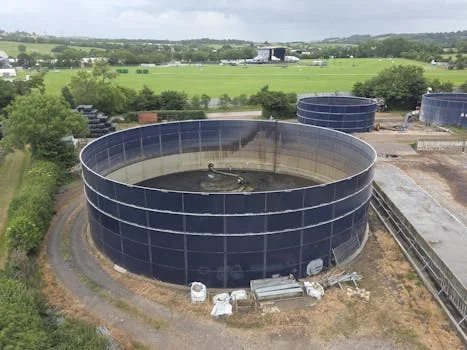
Ensuring a DAF system meets Mexican regulatory standards, particularly NOM-002-SEMARNAT, is a non-negotiable aspect of its procurement and operation. This standard sets crucial discharge limits for key pollutants, and compliance requires careful design, proper operation, and thorough documentation. Adherence to NOM-001-SEMARNAT for hydraulic design is also integral to the DAF system's effective functioning within the Mexican regulatory framework.
The primary discharge limits stipulated by NOM-002-SEMARNAT that a DAF system must help meet are:
- TSS: ≤ 150 mg/L
- FOG: ≤ 25 mg/L
- BOD: ≤ 150 mg/L
- pH: 5.5 – 9.0
NOM-001-SEMARNAT, which governs the hydraulic design of wastewater treatment facilities, specifies that the maximum surface loading rate for industrial DAF systems should not exceed 15 m/h. This parameter is critical for ensuring adequate residence time for flocculation and flotation within the DAF tank.
To demonstrate compliance, several key documents and verification methods are required:
- SEMARNAT Permit Application: This typically involves submitting Formato SEM-01 and accompanying technical documentation.
- DAF System Design Documentation: Process and Instrumentation Diagrams (P&IDs) and detailed hydraulic calculations, stamped and certified by a Mexican-registered professional engineer, are essential.
- Influent and Effluent Quality Reports: Regular analysis by accredited third-party laboratories is required to verify the removal efficiencies for TSS, FOG, BOD, and other parameters.
Common compliance failures with DAF systems often stem from operational issues rather than inherent design flaws. These include:
- Inadequate Flocculation: Underdosing or incorrect selection of polymers can lead to poor floc formation, reducing separation efficiency. This highlights the importance of a reliable PLC-controlled chemical dosing for DAF flocculation.
- Poor Bubble Distribution: Clogged diffusers or inefficient air saturation can result in uneven bubble distribution, leaving a portion of the contaminants untreated.
- Lack of Redundancy: Failure to have backup pumps or critical components can lead to system downtime, potentially causing non-compliance during periods of maintenance or unexpected failure.
| Requirement | Verification Method | Responsible Party | Deadline |
|---|---|---|---|
| TSS Discharge Limit (≤ 150 mg/L) | Influent/Effluent Lab Analysis (Third-Party) | Facility Operator, DAF Supplier (for system performance) | Continuous monitoring, monthly reporting. |
| FOG Discharge Limit (≤ 25 mg/L) | Influent/Effluent Lab Analysis (Third-Party) | Facility Operator, DAF Supplier | Continuous monitoring, monthly reporting. |
| BOD Discharge Limit (≤ 150 mg/L) | Influent/Effluent Lab Analysis (Third-Party) | Facility Operator, DAF Supplier | Continuous monitoring, monthly reporting. |
| pH Range (5.5-9.0) | Online pH Meter, Lab Analysis | Facility Operator | Continuous monitoring. |
| Hydraulic Loading Rate (≤ 15 m/h) (NOM-001-SEMARNAT) | System Design Review, Flow Meter Readings | Mexican-Registered Engineer, Facility Operator | Design phase, during operation verification. |
| SEMARNAT Permit Documentation | Permit Application (Formato SEM-01), P&IDs, Calculations | Facility Owner, DAF Supplier, Consulting Engineer | Pre-operation, renewal as required. |
| Operator Training | Training Records, Competency Assessment | DAF Supplier, Facility Management | Post-installation, recurring. |
Supplier Comparison: Top DAF Providers in Mexico 2025
Choosing the right DAF system supplier in Mexico requires a thorough evaluation of their technical capabilities, local support infrastructure, and understanding of Mexican environmental regulations. The market features a mix of established global manufacturers and emerging local players, each offering distinct advantages. Key suppliers include SIGMADAF, HUBER, and Saydot, alongside integration specialists like Proyectos del Golfo.
Global suppliers bring extensive international experience and advanced proprietary technologies. SIGMADAF, for example, has a documented track record in Mexican refineries with its FPHF model, demonstrating its capability in handling challenging oily wastewater. However, their local support network might be less extensive than that of companies with a stronger presence in Mexico. HUBER, with a Mexico City office, offers a robust HDF system that is widely applied in municipal and industrial sectors, providing a balance of performance and accessible technical assistance.
Local suppliers, such as Saydot, position themselves as the sole Mexican DAF manufacturer, emphasizing their ability to provide tailored solutions and navigate local permitting processes effectively. This localized expertise can be invaluable for ensuring compliance with specific SEMARNAT requirements. Proyectos del Golfo, while not a proprietary DAF technology manufacturer, offers comprehensive integration services, handling civil, mechanical, and electrical aspects of DAF installations, which is crucial for turnkey project delivery.
When evaluating potential suppliers, a structured approach is recommended. Key criteria include:
- Technical Performance: Assess the promised removal efficiencies for TSS and FOG, energy consumption, and the system's adaptability to your specific wastewater characteristics.
- Commercial Terms: Consider lead times, which typically range from 8 to 24 weeks, the warranty period (usually 1–3 years), and flexible payment terms.
- Compliance Expertise: Verify the supplier's experience with NOM-002-SEMARNAT and their willingness to assist with SEMARNAT permit applications. Local support for installation, commissioning, training, and ongoing maintenance is also critical.
| Supplier | Model | Flow Rate (m³/h) | TSS Removal (%) | FOG Removal (%) | CAPEX (Est. USD) | Lead Time (Weeks) | Local Support (Y/N) | Notes |
|---|---|---|---|---|---|---|---|---|
| SIGMADAF | FPHF | 50 - 500+ | 90-97% | 85-95% | $150,000 - $500,000+ | 12-20 | N (Limited) | Proven in Mexican refineries; strong technical capabilities. |
| HUBER | HDF | 10 - 400+ | 85-95% | 80-90% | $100,000 - $450,000+ | 10-18 | Y (Mexico City Office) | Versatile for industrial and municipal; established local presence. |
| Saydot | Custom DAF | 5 - 200+ | 90-97% | 90-98% | $80,000 - $400,000+ | 8-16 | Y (Sole Mexican Manufacturer) | Tailored solutions, strong local permit assistance. |
| Proyectos del Golfo | N/A (Integrator) | N/A | N/A | N/A | Variable (Project-based) | Variable | Y (Full Integration) | Specializes in civil, mechanical, electrical integration of DAF systems. |
When considering solutions like the DAF system for Mexican industrial wastewater, comparing these suppliers based on the outlined criteria will ensure a well-informed decision.
Procurement Checklist: How to Buy a DAF System in Mexico
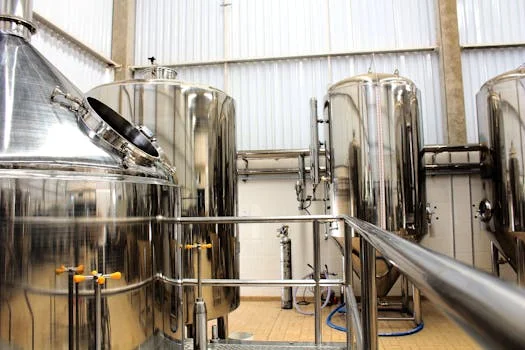
Navigating the procurement process for a DAF system in Mexico requires a structured approach to ensure all technical, regulatory, and commercial aspects are addressed. This checklist provides a step-by-step guide for industrial engineers, environmental managers, and procurement teams to streamline the acquisition of DAF equipment.
- Define Requirements: Clearly establish your facility's needs, including target flow rate (m³/h), influent wastewater characteristics (TSS, FOG, BOD, pH, temperature), and precise discharge limits as per NOM-002-SEMARNAT. Identify any specific site constraints or operational demands.
- Request for Proposals (RFPs): Issue detailed RFPs to 3–5 pre-qualified suppliers. Ensure the RFP explicitly states the requirement for compliance with Mexican environmental standards (NOM-002-SEMARNAT, NOM-001-SEMARNAT) and requests detailed technical proposals, cost breakdowns, lead times, and references for similar Mexican projects.
- Evaluate Technical Bids: Review proposals against your defined requirements and the 'DAF Model Selection Matrix for Mexican Industries' provided earlier. Assess the supplier's proposed technology, estimated removal efficiencies, energy consumption, footprint, and materials of construction. Pay close attention to their proposed solutions for flocculation and bubble generation.
- Negotiate Commercial Terms: Once a preferred technical solution is identified, negotiate key commercial aspects. This includes the final purchase price, payment schedule (e.g., 30–50% upfront, balance upon commissioning), warranty period and scope, after-sales support, and the extent of operator training provided.
- Secure SEMARNAT Permits: Work closely with the selected DAF supplier and potentially a local environmental consultant to gather all necessary documentation for SEMARNAT permit applications. The supplier should provide P&IDs, hydraulic calculations, and performance guarantees to support your application.
- Oversee Installation: Manage the civil works (foundations, piping, electrical connections) and the physical installation of the DAF unit. Ensure the installation is performed by qualified personnel according to the supplier's specifications and local building codes.
- Commission and Validate: After installation, oversee the system commissioning process. This involves system startup, calibration of instruments, and initial operational tests. Crucially, arrange for third-party laboratory testing of effluent quality to validate the DAF system's performance against NOM-002-SEMARNAT discharge limits.
Common pitfalls during procurement include underestimating the scope and cost of civil works, particularly for large-scale installations in challenging terrains. Failing to adequately budget for and implement comprehensive operator training can lead to suboptimal system performance and premature equipment wear. For complex industrial wastewaters, neglecting to conduct pilot testing before full-scale procurement can be a costly mistake, as it may not accurately predict performance under real-world conditions.
Frequently Asked Questions
Q: Does Mexico have wastewater treatment plants that use DAF systems?
A: Yes. Mexico has over 200 industrial DAF installations, primarily in oil refineries (e.g., Pemex Francisco I. Madero), food processing plants (e.g., dairy, slaughterhouses), and municipal WWTPs. The 2023 SEMARNAT audit identified DAF as the most effective technology for meeting NOM-002-SEMARNAT TSS and FOG limits.
Q: What is the DAF system, and how does it work in Mexican wastewater?
A: A DAF (Dissolved Air Flotation) system injects micro-bubbles (30–50 μm) into wastewater, causing suspended solids, oils, and grease to float to the surface for skimming. In Mexico, DAF systems are optimized for high FOG loads (e.g., food processing) and oil emulsions (e.g., refineries) using dual-polymer flocculation and corrosion-resistant materials.
Q: How much does a DAF system cost in Mexico in 2025?
A: DAF system costs in Mexico range from $50,000 for small-scale units (4–20 m³/h) to $500,000+ for large-scale refinery systems (100–300 m³/h). CAPEX includes equipment, civil works, and SEMARNAT permitting, while OPEX covers energy ($0.1–0.3 kWh/m³), chemicals ($0.05–0.20/m³), and maintenance (2–5% of CAPEX/year).
Q: What are the alternatives to DAF systems in Mexico?
A: Alternatives include sedimentation tanks (lower CAPEX but larger footprint), cavitation air flotation (CAF, lower energy but less efficient), and membrane bioreactors (MBR, higher removal but higher OPEX). DAF is preferred for Mexican industrial applications due to its balance of efficiency, footprint, and compliance with NOM-002-SEMARNAT. See how DAF compares to CAF and other flotation technologies.
Q: How do I choose a DAF supplier in Mexico?
A: Evaluate suppliers based on: (1) Technical fit (removal efficiency for your wastewater type), (2) Compliance expertise (NOM-002-SEMARNAT, SEMARNAT permitting), (3) Local support (installation, training, maintenance), and (4) Commercial terms (lead time, warranty, payment schedule). Request pilot testing for high-strength industrial wastewater. For a detailed comparison, explore the DAF vs Sedimentation for Mexican wastewater treatment analysis.