What Clayton Fabricated-Metal Facilities Should Decide First
For fabricated metals wastewater in Clayton, MBR is usually the stronger option when the discharge or reuse target requires high-quality clarification, the footprint is constrained, and oils, suspended solids, and batch shocks can be controlled before the membranes. Conventional activated sludge remains credible when wastewater quality is consistent, pretreatment is modest, land is available, and the plant can reliably operate sludge return, settling, wasting, and solids handling. Neither process alone removes every oil, metal, coating, or machining-fluid contaminant. The defensible choice therefore depends on measured stream chemistry, the receiving requirement, available space, aeration and fouling controls, labor capability, and the sludge-disposal route.
Begin with the governing objective: direct discharge, sewer discharge subject to local pretreatment requirements, process reuse, or a specified internal reuse standard. Then separate cutting and grinding fluids, machining coolant, wash water, coating rinse water, floor washdown, cooling-water blowdown, and process rinse water. They may require different pretreatment and should not be assigned one generic composition. Use the industrial wastewater equipment selection guide to structure that source audit, while a related manufactured-wastewater discussion illustrates why stream definitions matter.
The supplied research contains no validated Clayton fabricated-metals composition ranges. Municipal, mining, and food-processing data therefore cannot be transferred directly to this plant. Request flow, pH, oil and grease, total suspended solids, metals, toxicity indicators, surfactants, temperature, and batch-release patterns for each candidate stream. MBR becomes more attractive for stringent clarification, reuse, and constrained footprint; CAS remains attractive for consistent flow, available land, and simpler conventional solids handling.
| Decision boundary | Information required | Implication |
|---|---|---|
| Discharge or reuse objective | Governing sewer, permit, receiving-water, or reuse specification | Sets required clarification and any polishing or disinfection. |
| Stream composition | Flow, pH, oil and grease, TSS, metals, toxicity indicators, surfactants, temperature, batch releases | Determines pretreatment and biological loading. |
| Site constraints | Available footprint, labor capability, utilities, sludge route | Separates an MBR preference from a conventional operating advantage. |
How the Two Biological Systems Separate Solids
Conventional activated sludge uses settling to separate biological solids from treated liquid before any required polishing; suspended-growth activated sludge retains biomass in an aerated reactor and relies on a clarifier and sludge return. An industrial membrane bioreactor retains biomass in the biological reactor and uses submerged membranes to separate treated liquid from the suspended-solids inventory. The membrane replaces the clarifier function inside the biological process; it does not replace upstream oil, grease, solids, pH, toxicity, or equalization controls.
The U.S. Environmental Protection Agency’s Emerging Technologies for Wastewater Treatment and In-Plant Wet Weather Management, published in February 2008, identifies Membrane BioReactor as an innovative biological treatment technology. That definition establishes the process category, not site-specific performance for Clayton. The integrated submerged-PVDF MBR system described in the HydropureWater product catalog reports near-reuse-quality effluent with less-than-1-micrometre filtration.
Filtration performance must not be confused with contaminant removal. A membrane retains suspended material; it does not establish removal of dissolved metals, volatile organic compounds, salts, emulsified oil, coating chemicals, or soluble machining-fluid constituents. Those require separately defined physical, chemical, biological, or polishing steps. The 2026 MBR cost and selection guide provides the broader equipment-selection context.
Pretreatment That Protects Biology and Membranes
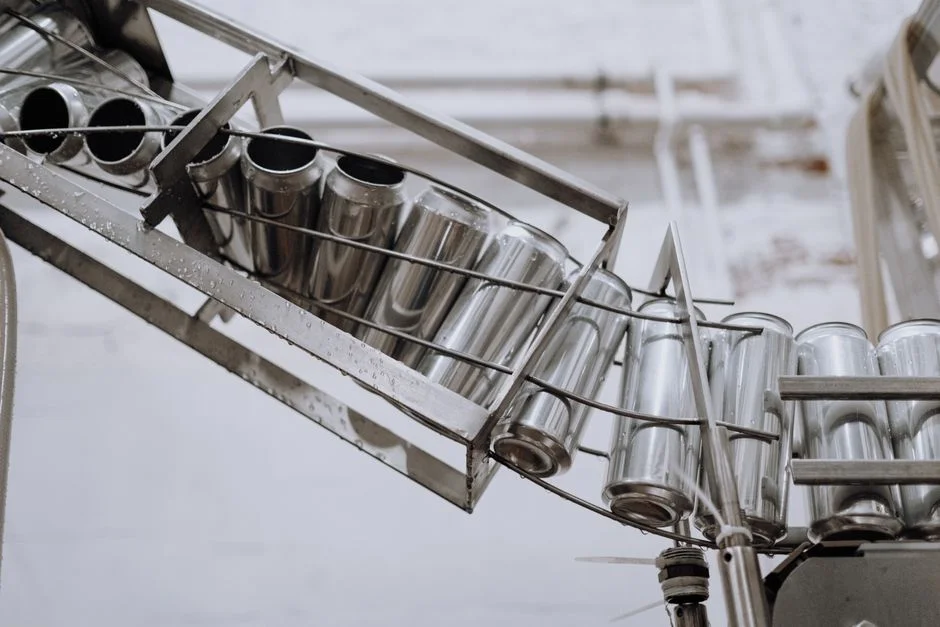
A defensible treatment train begins with source segregation and equalization, then applies measured, stream-specific pretreatment before flow and pH enter biology. The sequence is: segregated collection → equalization → measured pretreatment → biological treatment → solids separation → required polishing or disinfection → sludge handling. Where characterization identifies oil, grease, floating material, and suspended solids, dissolved air flotation is a candidate. It is not automatically required at every fabricated-metals facility.
HydropureWater’s verified product catalog describes metalworking as a DAF application and identifies removal of suspended solids, FOG, oil and grease, and colloidal matter. It states a capacity range of 4–300 m³/h across 13 standard models. These are catalog specifications, not a Clayton design selection. Review DAF pretreatment for oil, grease, and suspended solids against measured flow, contaminant loading, and required removal objectives.
Chemical and pH control should follow measured chemistry and the required dose, mixing, and control response. The automatic chemical dosing system cannot substitute for that design work. For cutting fluids and machining coolant, examine surfactants, emulsified oil, suspended solids, toxicity indicators, and batch consistency. For coating rinse water, assess pH, solids, color, and coating chemistry. For washdown and cooling-water blowdown, evaluate flow variation, grit, metals, temperature, and release timing.
The commercial comparison cites a 2021 Case Studies in Chemical and Environmental Engineering cheese-whey study in which coagulation removed 26% of organic matter and activated sludge removed 75%, with approximately 98.8% overall COD reduction. That is not fabricated-metals performance evidence; it demonstrates only why upstream treatment performance matters to the biological stage. A DAF versus clarifier comparison for fabricated metals wastewater provides a useful pretreatment decision framework.
| Treatment stage | Purpose | Data needed before selection |
|---|---|---|
| Segregation and equalization | Isolate incompatible streams and moderate batch releases | Flow pattern, batch timing, temperature, pH, constituent concentrations |
| Physical or chemical pretreatment | Remove oil, floating material, solids, or other identified inhibitors | Oil and grease, TSS, metals, surfactants, pH, required removal |
| Biological treatment | Remove biodegradable organics | Measured organic and solids loading, nutrients, toxicity indicators |
| Solids separation and finishing | Meet discharge or reuse criteria | TSS limit, polishing needs, disinfection requirements |
MBR and Activated Sludge Side by Side
MBR changes solids separation, not the need to characterize every upstream contaminant. The review summarized in the commercial comparison reports flocculant solids of 8–18 g/L in most MBR plants, depending on solids retention time, compared with 2.5–3.5 g/L for conventional activated sludge. It also identifies greater aeration demand, greater sensitivity to shock loads, and less-readily dewaterable MBR sludge. These findings favor a complete treatment-train comparison rather than an equipment-name comparison.
HydropureWater reports less-than-1-micrometre filtration and a 60% smaller footprint than conventional systems for its integrated MBR. These are vendor-specific catalog claims, not universal performance guarantees or Clayton field results. Require dimensioned plan views, equipment envelopes, access clearances, and the conventional arrangement used as the comparison basis. The MBR membrane bioreactor module should be evaluated against the MBR and activated-sludge comparison for metals wastewater, while recognizing that mining evidence cannot be transferred directly to fabricated metals.
| Evaluation item | Suspended-growth activated sludge | MBR |
|---|---|---|
| Solids separation | Clarifier settling, sludge return, and wasting | Submerged membrane separation |
| Clarification and reuse potential | Depends on settling and any required polishing | Supports clarified permeate; polishing remains specification-dependent |
| Footprint | Requires biological volume and secondary clarification | Vendor reports 60% smaller footprint; require a defined layout basis |
| Shock loads | Review reports generally lower sensitivity | Review reports greater sensitivity; upstream control is critical |
| Aeration | Conventional biological oxygen demand plus mixing | Includes membrane aeration; review states greater aeration demand |
| Solids inventory | 2.5–3.5 g/L in the cited review | 8–18 g/L flocculant solids in most cited plants, depending on SRT |
| Sludge | Conventional wasting and dewatering route | Less-readily dewaterable sludge in the cited review |
| Dissolved contaminants | Not removed without defined additional treatment | Not removed without defined additional treatment |
Where MBR Adds the Most Value
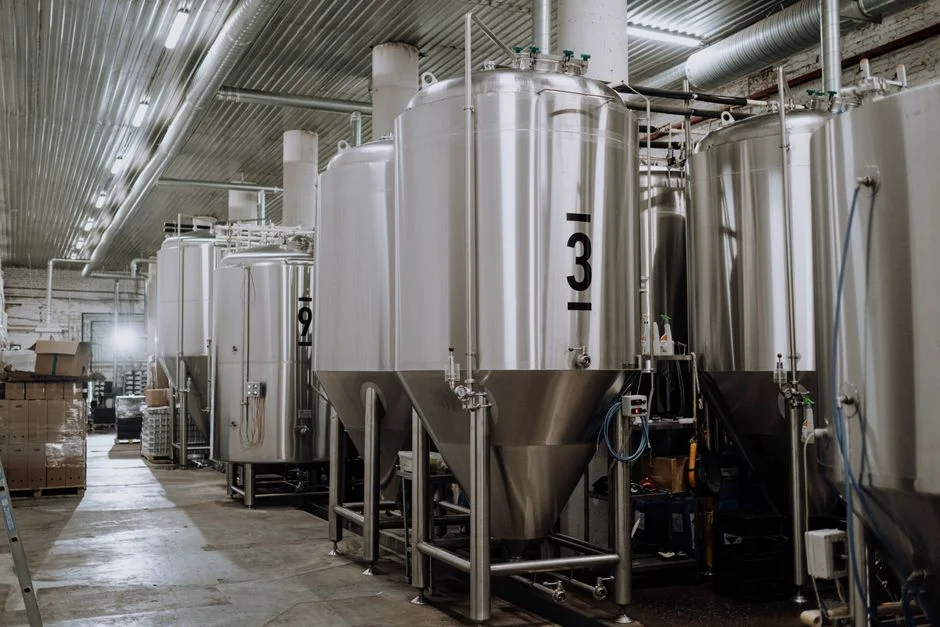
Choose MBR when the discharge or reuse specification needs clarified permeate, the footprint is constrained, and oils, suspended solids, and batch shocks can be controlled before the membranes. The review summarized in the commercial comparison describes high-quality, clarified, largely disinfected permeate and compact plant size as common MBR advantages. Those characteristics are relevant only after the biological loading and pretreatment have been established from Clayton stream data.
The design package should state membrane type, area, design flux, SRT, solids inventory, aeration, redundancy, fouling controls, cleaning method, integrity management, and expected cleaning frequency. The integrated submerged-PVDF MBR system covers 10–2,000 m³/day in the HydropureWater verified product catalog, but that catalog range is not a Clayton sizing result. Check the actual flow, variability, loading, and reuse demand against the proposed configuration.
Treat membranes as protection for downstream reuse equipment, not as automatic removal of dissolved contaminants. If clarified effluent feeds filtration, cooling, rinsing, or another process, the receiving equipment should define the solids and chemistry needed to avoid fouling or product contamination. The MBR membrane bioreactor module proposal should connect membrane performance to that reuse criterion rather than promise quality without a source-water basis.
When Conventional Activated Sludge Remains the Better Fit
Retain CAS when wastewater flow and composition are consistent, pretreatment needs are modest, land is available, and the facility can reliably operate sludge return, settling, wasting, and solids handling. Its separation mechanism is less complex than membrane operation, but the proposal must still show that the clarifier will perform under the actual mixed wastewater and that the solids inventory has a controlled route.
Do not size biology from generic industrial data. Use measured organic load, suspended solids, flow variability, nutrients, and contaminant data for the selected streams. The industrial wastewater plant operation and maintenance guide provides context for the operational discipline required. A nearby metals-plant example, summarized in how metals plants meet sewer limits, can support the comparison of treatment trains but does not supply Clayton fabrication-stream data.
Compare the complete proposed train, not only the reactor purchase price: equalization, pretreatment, biological reactor, clarifier, polishing, controls, sludge inventory, dewatering, and disposal. If neither candidate satisfies the discharge or reuse specification, revise the treatment objective and add pretreatment or polishing rather than forcing an unsuitable biological process.
Energy, Maintenance, and Sludge Disposal
The review summarized in the commercial comparison states that 30–50% of energy demand for an immersed MBR can arise from membrane aeration. That is a review-level statement, not a Clayton consumption estimate. Require a site-specific aeration and blower calculation that includes biological oxygen demand, membrane scouring, diffuser fouling allowance, operating profile, and redundancy.
Obtain the proposal’s cleaning method, expected cleaning frequency, spare strategy, instrumentation, labor assumptions, membrane replacement basis, and redundancy. Also require the waste-activated-sludge route, expected volume, consistency, conditioning assumptions, and dewatering method. The cited MBR review identifies less-readily dewaterable sludge than conventional activated sludge, so sludge disposal is a process-selection item rather than an accessory.
HydropureWater’s verified catalog identifies filtration areas from 1 m² to 500 m² for its plate and frame sludge filter press. Those catalog limits do not establish which press is appropriate. Equipment selection and conditioning must follow site-specific sludge testing. The filter-press specifications and selection review should be used to define the information needed from the treatment bid.
| Lifecycle item | Information required for both bids |
|---|---|
| Energy | Calculated aeration demand, blower basis, operating profile, membrane-air allowance for MBR |
| Membrane maintenance | Cleaning method, expected frequency, chemicals, spares, integrity monitoring, labor |
| Sludge handling | Expected volume, consistency, conditioning, dewatering method, disposal route |
| Operating cost | Energy, chemicals, labor, membrane maintenance, sludge handling, and disposal |
A Clayton Selection and Procurement Framework
A defensible Clayton decision follows six steps. First, obtain the governing discharge, sewer, or reuse specification and confirm applicable Clayton requirements with the receiving authority. Second, characterize each candidate stream for flow, pH, oil and grease, TSS, metals, toxicity indicators, surfactants, temperature, and batch releases. Third, develop stream-specific equalization and pretreatment, then calculate biological loading from measured data. Fourth, compare MBR and CAS using the same flow, effluent specification, footprint boundary, sludge route, labor basis, and energy assumptions. Fifth, require written design bases, guarantees, operating envelopes, controls, redundancy, fouling management, and an O&M plan. Sixth, use pilot testing with agreed analytical methods when compliance or reuse risk is material.
The supplied research contains no validated fabricated-metals capital or operating-cost figures. Request itemized quotations rather than publishing generic cost ranges. For the preliminary MBR scope, use the 2026 MBR cost and selection guide; for pretreatment, use the DAF versus clarifier comparison for fabricated metals wastewater as a bid-review framework, not a source of Clayton values.
| Step | Required output | Decision check |
|---|---|---|
| 1. Requirement | Permit, sewer, receiving-water, or reuse specification | Can either process demonstrably meet it? |
| 2. Characterization | Stream-by-stream analytical dataset | Are contaminants and batch releases represented? |
| 3. Treatment train | Pretreatment and biological design basis | Are oils, solids, pH, and toxicity controlled before biology? |
| 4. Like-for-like bids | Common flow, effluent, footprint, sludge, labor, and energy basis | Are exclusions and assumptions visible? |
| 5. Supplier commitment | Guarantees, controls, redundancy, O&M, sludge route | Are performance boundaries and remedies defined? |
| 6. Validation | Pilot report where warranted | Do results address the governing specification? |
Frequently Asked Questions
How much does an MBR cost compared with conventional activated sludge?
The supplied research contains no validated fabricated-metals capital or operating-cost figures, so a defensible price cannot be stated. Request itemized bids based on the same Clayton wastewater data, flow, effluent target, pretreatment, controls, energy basis, labor assumptions, and sludge-disposal route. Compare lifecycle operating costs as well as equipment price.
How should an MBR system be sized for fabricated metals wastewater?
Size the complete treatment train from measured stream flows and contaminants. The design should state biological loading, SRT, solids inventory, membrane type and area, design flux, aeration, fouling controls, cleaning method, and redundancy. A catalog capacity range is only a screening reference until the actual Clayton flow and loading are established.
Which is easier to operate, MBR or conventional activated sludge?
CAS may be operationally simpler where land and dependable sludge-handling support are available. MBR adds membrane inspection, cleaning, scouring, and integrity-management requirements. The practical comparison should include operator hours, control complexity, cleaning chemicals, spare strategy, and the consequences of a membrane or clarifier outage.
Can MBR remove metals, oil, and machining chemicals by itself?
No. MBR provides membrane solids separation; dissolved metals, VOCs, salts, incompatible oil, and coating constituents require defined chemical or physical treatment. Effluent reuse criteria and stream characterization determine whether additional polishing or pretreatment is necessary.
What should a Clayton wastewater equipment supplier provide before selection?
Require an influent-based design basis, governing effluent or reuse specification, itemized scope, membrane and aeration data, redundancy, cleaning plan, controls, energy assumptions, sludge route, and relevant performance guarantees. Also require the analytical methods and operating envelope used to support each guarantee.