What Industrial Wastewater Plant O&M Is Really About
Industrial wastewater plant operation and maintenance (O&M) is the combined set of activities that keeps a treatment plant producing effluent that meets legally defined parameter values while keeping equipment reliable. As Serdarevic and Dzubur (Springer, 2019) explain, operation activities deliver the desired quality and quantity of treated water, while maintenance activities keep equipment running efficiently toward sustainable operational objectives. In practice, both must be documented in a written O&M manual that is amended whenever design, construction, operations, or maintenance change substantially, as required by N.J.A.C. 7:14A-6.12(c)2 and operationalized in the NJDEP Operations and Maintenance Assessment Guide. Cutting O&M after the testing period typically increases total cost of ownership and recovery effort, so disciplined O&M is a financial control, not just compliance housekeeping.
The O&M discipline exists because wastewater treatment plants (WWTPs) carry high costs for construction, equipment, monitoring, maintenance, and regular operation, and those costs create economic and social pressure even in developed countries (Serdarevic & Dzubur, Springer, 2019). The two pillars are operation — the activities that produce effluent meeting standards — and maintenance — the activities that keep equipment running efficiently to achieve sustainable operational objectives (Serdarevic & Dzubur, Springer, 2019). When water utilities and local communities cut O&M protocol and costs after the testing period, the consequences often seriously affect repair costs and require significant effort to bring the plant back to normal operation (Serdarevic & Dzubur, Springer, 2019). The cited case study in the Springer paper is the Sarajevo WWTP Butila.
For a plant engineer in 2026, the practical takeaway is that O&M is the system that converts capital investment into compliant effluent year after year. Treat the written manual as a control document, the daily log as the evidence trail, and the preventive schedule as the lever that prevents the post-commissioning cost spiral the Sarajevo case study illustrates.
The O&M Manual: Mandatory Documentation You Cannot Skip
The New Jersey Pollutant Discharge Elimination System (NJPDES) regulations require the operation and maintenance manual to be amended whenever there is a change in the treatment works design, construction, operations, or maintenance that substantially changes the treatment works operations and maintenance procedures, per N.J.A.C. 7:14A-6.12(c)2 as cited in the NJDEP Operations and Maintenance Assessment Guide. Written O&M procedures must be updated within 30 days after any substantial change to the system that warrants a change in the operation and maintenance of the system (NJDEP Operations and Maintenance Assessment Guide). The manual must be available for inspection upon request by an authorized representative of the Department, and failure to have any part in compliance is a violation of the chapter (NJDEP Operations and Maintenance Assessment Guide).
The manual must be organized so plant personnel can readily locate necessary information and so it can be easily modified to reflect changes to the treatment system operation and maintenance (NJDEP Operations and Maintenance Assessment Guide). A permittee does not need to submit the operation and maintenance manual to the Department unless specifically directed to do so, but it must be available on site and current (NJDEP Operations and Maintenance Assessment Guide). The 30-day update rule is itself a budget trigger: when a substantial change lands, the budget must move with it.
The following table maps each mandatory section of the manual to the document or record it must contain, so a junior engineer can audit a binder against NJDEP expectations without guesswork.
| Manual Section | Required Content per NJDEP O&M Assessment Guide |
|---|---|
| Schematics | Basic flow diagram, process flow sheets, bypass piping diagrams, hydraulic profile, SCADA system schematics |
| Valve Indices | Function, type/size, location, identification for all major valves |
| Sample Forms | Daily Operating Log, Equipment Inventory, Maintenance Work Order, Purchase Order, Accident Report, State Reports |
| Chemicals Used in Plant | List, safety precautions, storage considerations, suppliers, reorder schedule |
| Chemicals Used in Laboratory | Common name, chemical formula, suppliers |
| Emergency Plan | Template, sample forms, integrated with the manual (not standalone) |
| Design Criteria | Population served, wastewater volume/strength, screenings/grit/sludge quantities, unit sizes, hydraulic and organic loadings, detention times, pumping characteristics, sludge treatment and disposal |
| Equipment Suppliers | Supplier names, equipment lists, equipment details and references |
| Manufacturers' Manuals | Bound with periodic updates, operating and maintenance instructions, indexed and cross-referenced |
| Sources for Service and Parts | Service organizations, local repair services, local parts sources |
| As-Built Drawings | Engineer-approved, complete, cross-referenced with shop drawings |
| Approved Shop Drawings | Indexed, cross-referenced with engineering drawings and construction specifications |
| Dimension Prints | Provided when necessary to show unit relation to other units and adjacent walls |
Mandatory Sections of a Compliant O&M Manual
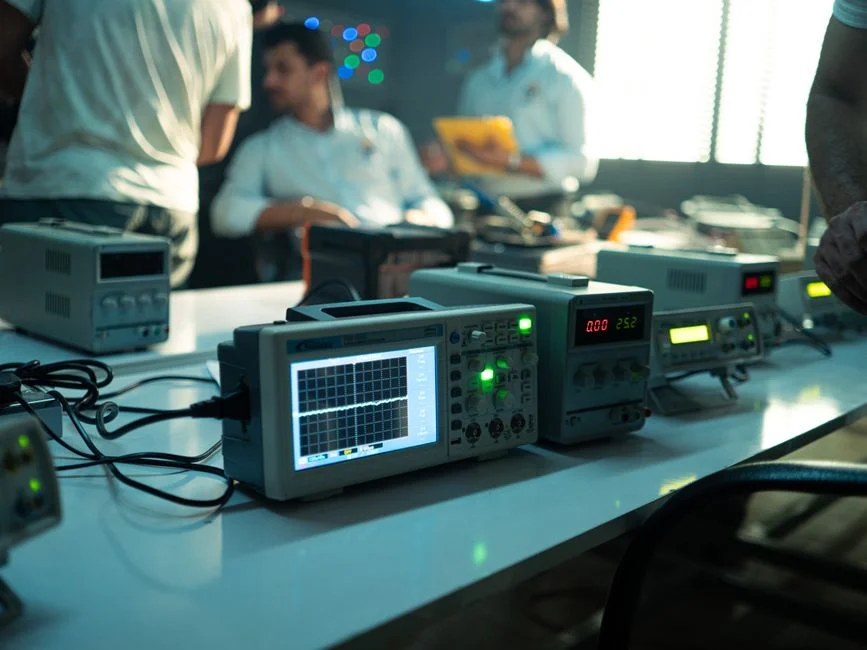
The NJDEP Operations and Maintenance Assessment Guide organizes the mandatory content into process documentation, mechanical documentation, records, and design criteria. Process documentation covers the basic flow diagram, process flow sheets, bypass piping diagrams, hydraulic profile, and SCADA system schematics (NJDEP Operations and Maintenance Assessment Guide). Mechanical documentation centers on the valve index — function, type, size, location, and identification — supplemented by the equipment suppliers list, manufacturers' manuals indexed and cross-referenced, and sources for service organizations, local repair services, and local parts sources (NJDEP Operations and Maintenance Assessment Guide).
Records take the form of sample forms. The mandatory set is the daily operating log, equipment inventory, maintenance work order, purchase order, accident report, and state reports (NJDEP Operations and Maintenance Assessment Guide). The daily operating log is the operator's primary evidence; the equipment inventory anchors the spare-parts budget; the maintenance work order is the auditable receipt for every preventive and corrective action.
Design criteria are tabulated in the manual and must include population served, wastewater volume and strength, quantities of screenings, grit, and sludge removed per million gallons of wastewater treated, unit sizes and capacities, hydraulic and organic loadings per treatment unit, detention times, pumping characteristics, and sludge treatment and disposal (NJDEP Operations and Maintenance Assessment Guide). These numbers, frozen at design and updated when loads shift, are what an inspector reads first when a compliance excursion is investigated.
| Record Category | Specific Items Required | Why It Matters |
|---|---|---|
| Process | Flow diagram, P&IDs, bypass piping, hydraulic profile, SCADA schematics | Defines normal and abnormal flow paths for operators and responders |
| Mechanical | Valve index, supplier list, manufacturers' manuals, service/parts sources | Makes the asset register executable during a failure |
| Records / Forms | Daily log, equipment inventory, work order, purchase order, accident report, state reports | Creates the dated evidence trail an inspector will request |
| Design Criteria | Population, volume/strength, residuals, unit sizes, loadings, detention times, pumping, sludge | Benchmarks for whether the plant is operating inside its design envelope |
Daily, Weekly, and Monthly Operating Tasks
Translate the O&M manual into a routable list. Daily tasks include completing the daily operating log, verifying chemical dosing rates against the chemical list in the manual, walking the plant to check for unusual noise, vibration, odor, or foaming, and confirming that SCADA alarms are acknowledged (NJDEP Operations and Maintenance Assessment Guide sample forms). The log entry must reference the section of the manual that authorizes each task so the routine is auditable rather than tribal knowledge held by one operator.
Weekly tasks include trending key influent and effluent parameters, inspecting screens and grit removal for wear, and reviewing the equipment inventory against active work orders (NJDEP Operations and Maintenance Assessment Guide). Screen inspection is where most small excursions start, and a rotary mechanical bar screen that has lost its alignment will pass rags downstream and starve the next unit. The weekly trend is the early signal that the chemical dose is drifting off target before a violation report is filed.
Monthly tasks include reconciling chemical usage against the reorder schedules listed in the O&M manual, exercising standby and duty pumps, and checking that manufacturers' manuals and as-built drawings on file match the installed equipment (NJDEP Operations and Maintenance Assessment Guide). A monthly reconciliation is also the natural moment to flag any 30-day update that the manual requires after a substantial change.
- Daily: log, dose check, walkdown, SCADA alarm acknowledgement.
- Weekly: parameter trending, screen and grit inspection, work-order review.
- Monthly: chemical reconciliation, pump exercise, manual-versus-installed-equipment audit.
Preventive Maintenance for Critical Equipment
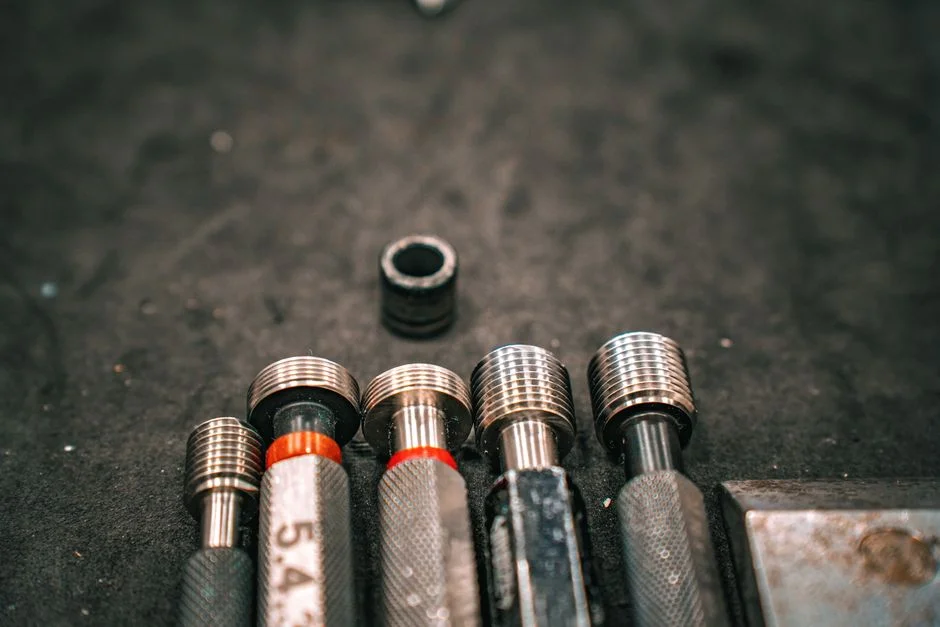
Use the valve index in the O&M manual as the master list for valve exercising; valves with no index are typically the ones that fail when a bypass is needed (NJDEP Operations and Maintenance Assessment Guide). A valve that has not been cycled in a year is a valve that will not seat when a downstream unit is isolated for service, and that failure often becomes the compliance event.
Schedule pump and blower maintenance by runtime hours, not calendar time, and record the trigger in the maintenance work order form (NJDEP Operations and Maintenance Assessment Guide). Runtime-based scheduling aligns wear with intervention and removes the argument that a pump "should still be good" because the calendar says so. Cross-reference each critical asset with its manufacturers' manual and the approved shop drawing so spare-part specifications stay current (NJDEP Operations and Maintenance Assessment Guide).
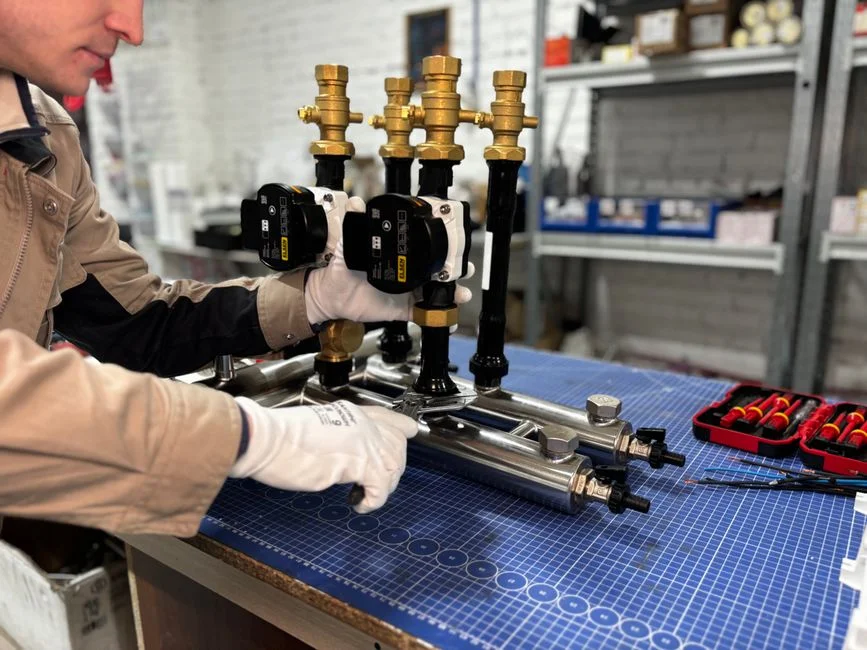
Serdarevic and Dzubur (Springer, 2019) emphasize that a small, simple plant with low capital costs may carry high operational expenses and therefore a higher total cost than a more complex alternative technology. Preventive discipline on blowers, pumps, and dewatering equipment is the lever that changes that equation. For sludge lines, a plate and frame filter press maintained on runtime hours will hold cake solids steady and avoid the wet-cake excursions that drive haul-out cost.
Emergency Preparedness and Vulnerability Analysis
N.J.A.C. 7:14A-6.12(d) requires a vulnerability analysis that estimates the degree to which the treatment works would be adversely affected by each type of emergency reasonably expected to occur, including but not limited to emergencies caused by natural disaster, civil disorder, strike, sabotage, faulty maintenance, negligent operation, or accident (NJDEP Operations and Maintenance Assessment Guide). The same section makes the emergency plan part of the O&M manual rather than a standalone document, and failure to have the manual on file or to implement the plan each constitutes a violation of the chapter (NJDEP Operations and Maintenance Assessment Guide).
Use the bypass piping diagrams and hydraulic profile in the manual to pre-plan isolation steps so operators do not improvise during a release event (NJDEP Operations and Maintenance Assessment Guide). A pre-drawn isolation sheet turns a spill response from a decision under stress into a checklist under time pressure. Test the plan annually and file the drill record in the same section of the manual so the regulator sees dated evidence that the plan has been exercised, not just written.
Cost Discipline: Defending O&M Budget Against Post-Commissioning Cuts
Frame O&M as a risk transfer. Cutting O&M after the testing period has been shown to seriously affect repair costs and require significant effort to bring a WWTP back to normal operation (Serdarevic & Dzubur, Springer, 2019). The Sarajevo WWTP Butila case study in that paper documents exactly that trajectory: high post-commissioning operational cost, a budget squeeze, a protocol cut, and a recovery bill that exceeded the savings.
Compare alternatives on total cost of ownership, not capital expenditure. A small, simple plant with low capital costs may have high operational expenses and therefore a higher total cost than a more complex alternative technology (Serdarevic & Dzubur, Springer, 2019). The implication for a 2026 budget defense is that any line item cut to the O&M baseline should be evaluated against the lifetime operating cost it protects, not the twelve-month cash saving it books.
Tie every line in the O&M budget to a control: chemical lines to the chemical list, energy to SCADA trending, labor to the daily operating log, spare parts to the equipment inventory (NJDEP Operations and Maintenance Assessment Guide). An automatic chemical dosing system tied back to SCADA trending is the kind of control that survives a budget review because it produces its own evidence of dose accuracy. The 30-day update rule on O&M procedures (NJDEP Operations and Maintenance Assessment Guide) is itself a budgeting trigger — when an update lands, the budget must move with it, and the next round of cuts must be measured against that new baseline.
Frequently Asked Questions
How do I build the business case for sustained O&M spending in 2026?
Use the post-testing-period evidence directly: when water utilities and local communities cut O&M protocol and costs after the testing period, the consequences often seriously affect repair costs and require significant effort to bring the plant back to normal operation (Serdarevic & Dzubur, Springer, 2019). The Sarajevo WWTP Butila case study is the citeable reference. Pair it with a total-cost-of-ownership comparison because a small, simple plant with low capital costs may have high operational expenses and a higher total cost than a more complex alternative (Serdarevic & Dzubur, Springer, 2019).
What does a regulator expect to see when an inspector opens the O&M manual?
Expect the inspector to check that the manual has been amended whenever there is a change in design, construction, operations, or maintenance that substantially changes the procedures, that it has been updated within 30 days of any substantial change, and that it is available on site for review (NJDEP Operations and Maintenance Assessment Guide, citing N.J.A.C. 7:14A-6.12(c)2). The mandatory sections, including schematics, valve indices, sample forms, chemicals, design criteria, manufacturers' manuals, and the emergency plan, must all be present (NJDEP Operations and Maintenance Assessment Guide).
How do I choose a service partner for O&M tasks that my team cannot cover in-house?
Use the O&M manual as the specification. The manual must list sources for service organizations, local repair services, and local parts sources, and those listings should be the shortlist any supplier is evaluated against (NJDEP Operations and Maintenance Assessment Guide). Ask each bidder to point to the manual sections they will execute and the form they will use to record work — typically the maintenance work order form referenced in the manual (NJDEP Operations and Maintenance Assessment Guide). The supplier that maps their scope to your manual sections is the supplier that will produce auditable records; request a sample completed work order before signing.
What should I size or specify first when I am about to add or replace a treatment unit?
Start with the design criteria table that NJDEP requires the manual to contain: population served, wastewater volume and strength, quantities of screenings, grit, and sludge removed per million gallons, unit sizes and capacities, hydraulic and organic loadings per treatment unit, and detention times (NJDEP Operations and Maintenance Assessment Guide). Any new unit must be evaluated against those numbers before the manufacturer selection, and the updated criteria must be reflected in the manual within 30 days of the change (NJDEP Operations and Maintenance Assessment Guide). Without that input set, a sizing decision is guesswork and the manual update that follows will expose the gap.