What Limits Apply to Holmes Mill Sewer Discharges?
Mining and metals plants near Holmes Mill meet sewer pretreatment limits by identifying every wastewater stream and applying the controlling federal, state and POTW requirements together. EPA’s 40 CFR Part 436 covers mine drainage, mineral-processing and stormwater discharges and is incorporated into NPDES permits, while local sewer limits remain independently enforceable. A defensible train typically begins with equalization, uses pH correction and coagulation for dissolved metals, then separates solids by DAF or lamella clarification. Multimedia filtration protects downstream membranes, and RO is added when dissolved salts or residual metals remain. Equipment sizing must use peak flow, representative influent testing and written sewer limits—not generic flow assumptions.
40 CFR Part 436 is the federal baseline for covered discharges, not a replacement for the complete compliance stack. EPA promulgated the mineral-mining effluent guidelines in 1975 and amended them through 1979; the requirements are incorporated into NPDES permits (US EPA, current in 2026). The plant must identify its mineral and process before determining which subpart applies. The reserved list includes Dimension Stone, Subpart A; Lightweight Aggregates, Subpart H; and Lithium, Subpart U, among others (US EPA, current in 2026; HydropureWater, 2026-02).
A reserved subpart has no current numeric effluent limit within that listed subpart. It does not create a facility exemption from an NPDES permit, state conditions, or a POTW industrial pretreatment program. The local sewer authority can establish limits for metals, pH and TSS and prohibit particular discharges independently of the federal subpart.
Before equipment selection, request the current NPDES permit, written POTW discharge limits, prohibited-discharge rules, monitoring requirements, sampling protocol and any reuse authorization. Use the mining and metals sewer pretreatment guide to check how the broader hierarchy is applied, and compare nearby permitting examples in the Holmes Mill-area sewer compliance review.
| Requirement layer | What it controls | Design implication |
|---|---|---|
| 40 CFR Part 436 | Covered mine drainage, mineral-processing and stormwater discharges | Identify the applicable or reserved subpart before interpreting discharge conditions |
| NPDES permit | Facility-specific discharge conditions and monitoring | Use permit language and worst-case operating conditions as design inputs |
| State requirements | Additional conditions applicable to the discharge | Review alongside, not instead of, federal and local requirements |
| POTW industrial pretreatment program | Locally established metals, pH and TSS limits and prohibited discharges | Obtain the written numerical limits and sampling protocol |
Separate the Wastewater Streams Before Designing Equipment?
One combined flow cannot support a defensible treatment design because each mining stream carries different contaminants and behaves differently during treatment. Build a source-by-source inventory covering acid mine drainage, process water, tailings-pond effluent, pit or underground dewatering, and stormwater runoff. Then sample each stream independently, rather than accepting a blended plant sample that conceals process peaks and reagent excursions.
Acid mine drainage can form when disturbed sulfide minerals oxidize and generate sulfuric acid. That acidic water can carry dissolved iron, manganese, copper, zinc, arsenic and cadmium (AMPAC USA, 2025-09). Its treatment objective is usually pH correction followed by metal-hydroxide precipitation, but acidity, alkalinity and the metal profile must be measured before dosing and sludge production can be quantified.
Process water requires separate evaluation because reagents and ore constituents may introduce cyanide, ammonia, chloramines, high TDS or other chemistry. A general heavy-metals train cannot be assumed to remove those contaminants. Tailings-pond effluent may combine fine solids, processing chemicals and leached metals, while pit and underground dewatering can vary with geology and operational conditions (AMPAC USA, 2025-09).
Keep oil-bearing and floatable material separate from dense metal-hydroxide sludge where practical. Buoyant contamination can favor an industrial DAF system, whereas dense hydroxide sludge and footprint constraints can favor a lamella clarifier. The DAF versus clarifier guide for mining wastewater provides a useful mechanism comparison, while the MBR versus activated sludge for mining wastewater comparison shows why biological treatment should not be inserted automatically into a metals train.
The supplied research publishes no Holmes Mill flow ranges. Size the treatment system from measured peak and average flows, representative seasonal samples, and the plant’s maximum anticipated discharge—not a regional capacity assumption. The sampling program should record flow, pH, metals, TSS and conductivity for every stream, plus cyanide, ammonia, chloramines, oils or other constituents where the process warrants them.
| Wastewater stream | Dominant risks to verify | Treatment decision triggered |
|---|---|---|
| Acid mine drainage | Acidity; dissolved iron, manganese, copper, zinc, arsenic and cadmium | pH correction, precipitation and clarification |
| Process water | Ore constituents, reagents, cyanide, ammonia, chloramines or high TDS | Process-specific treatment before combining |
| Tailings-pond effluent | Fine solids, processing chemicals and leached metals | Solids removal and chemical treatment as analysis confirms |
| Pit or underground dewatering | Variable acidity, metals and suspended solids | Characterize by geology and operating condition |
| Stormwater runoff | Variable solids, metals and process-contact contamination | Determine whether segregation, routing or dedicated treatment is required |
The Six-Step Treatment Train for Sewer Compliance
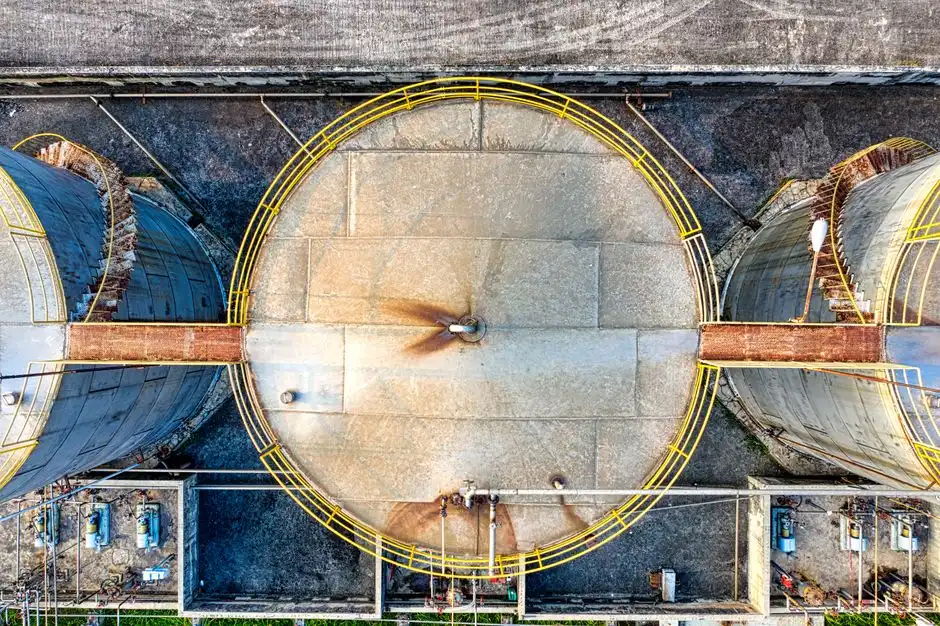
A sewer-compliant treatment train should proceed from equalization through chemical treatment, solids separation, filtration, optional membrane polishing and monitoring, with each step tied to a measured contaminant or written discharge limit.
- Equalization. Size the basin against the highest anticipated daily discharge and account for peak flow in pump selection; the average flow alone will not control basin volume or hydraulic capacity. No Holmes Mill flow range is supplied, so require measured peak and average flow, discharge duration and rainfall or stormwater assumptions.
- pH correction and precipitation. Use automatic lime or another permitted pH-adjustment system to raise pH and precipitate dissolved metals as hydroxides. The supplied mining review describes raising pH above 10 before thickening, but also warns that high-pH metal complexes can increase metal solubility and reduce precipitation effectiveness (PMC review, 2024-02). A PLC-controlled chemical dosing skid should therefore control feed from measured flow and pH rather than a fixed dose.
- Coagulation and flocculation. Aggregate suspended solids and fine metal-bearing particles into flocs that can be separated in the next step. Select coagulant and flocculant from jar or pilot testing, considering pH, dissolved chemistry, floc density and whether the resulting floc is intended to float or settle.
- Clarification. Use DAF for buoyant floc, oil or floating fines; use lamella clarification where sludge volume and footprint drive the choice. Remove the bulk of the precipitated solids before the polishing stage.
- Filtration. Remove residual turbidity and colloids with a multi-media filter or a UF system for membrane pretreatment. Specify the required SDI after filtration, not inlet turbidity alone.
- Optional RO and monitoring. Add an industrial RO polishing system when dissolved metals or salts remain above applicable limits after chemical treatment, clarification and filtration. AMPAC USA reported more than 99% rejection of dissolved metals and salts, 50–70% recovery for AMD feed and 70–85% recovery for the RO stage of a ZLD train in 2025-09. These figures are application evidence, not a site performance guarantee. Integrate PLC/HMI control with continuous pH, flow and conductivity monitoring and the POTW self-monitoring record (LiqTech, 2025-08).
Biological treatment is not the default for every heavy-metal stream. It may require a separate evaluation where the waste contains biodegradable organics, ammonia or other constituents that justify it; the mining biological-treatment comparison should be read with that boundary in mind.
| Step | Purpose | Design basis required |
|---|---|---|
| 1. Equalization | Buffer flow and concentration variation | Measured peak, average and highest anticipated daily discharge |
| 2. pH correction | Precipitate dissolved metals as hydroxides | Alkalinity, metal profile and pH-response data |
| 3. Coagulation and flocculation | Form removable flocs | Jar or pilot testing and downstream separation choice |
| 4. Clarification | Remove bulk precipitated and suspended solids | Floc characteristics, oil loading, settleability and sludge volume |
| 5. Filtration | Remove residual solids and colloids | Target outlet SDI or specified membrane-feed condition |
| 6. Optional RO and monitoring | Remove residual dissolved metals and salts | Permit limits, feed analysis, recovery curve and monitoring plan |
Choose DAF or Lamella from the Solids and Chemistry?
DAF is the appropriate primary separator when the selected floc is buoyant or the wastewater contains oil and floating fines; lamella is generally more suitable when dense metal-hydroxide sludge, sludge volume and footprint constrain the installation.
Available equipment provides a useful screening range. HydropureWater’s DAF range is 4–300 m³/h across 13 standard models, while its lamella clarifier has stated surface-loading rates of 20–40 m/h (HydropureWater product information, current in 2026). These specifications can support preliminary market comparisons, but neither establishes a Holmes Mill duty without representative wastewater data and a site-specific solids balance.
The metals-industry alternative described by WesTech is high-density sludge treatment: lime-assisted precipitation in an HDS reaction tank, followed by a solids-contact clarifier and pressure filtration. WesTech’s chromium case identifies an HDS reaction pH of 11.5 or higher and reports effluent at 0.2 ppm Cr at pH 7.5. That is a case-specific metals treatment, not a mining-water limit or a Holmes Mill design value. WesTech also warns that pH above 10 can promote metal-hydroxy complexes, increase metal solubility and reduce precipitation effectiveness.
Use the decision framework rather than product naming. If representative testing produces buoyant floc, or if oil-bearing fines are present, compare DAF saturation, recycle solids and skimming performance. If the solids are dense hydroxide floc and the installation area is constrained, compare lamella plate settling, sludge hopper capacity and underflow removal. Oil and grease, settleability, TSS, pH and expected sludge volume are required inputs for either choice.
The supplied research establishes no Holmes Mill flow or loading value. Do not select from the equipment ranges alone. The DAF versus clarifier guide for mining wastewater can support the technical screening, but the final selection should follow representative testing and a shared duty schedule.
| Decision condition | Preferred clarification route | Questions the supplier must answer |
|---|---|---|
| Buoyant floc, oil or floating fines | DAF | Expected air-to-solids ratio, recycle rate, skimming capacity and polymer compatibility |
| Dense metal-hydroxide sludge | Lamella | Plate settling area, sludge hopper capacity, underflow solids and footprint |
| High-density sludge route | HDS reaction, contact clarification and pressure filtration | Reaction pH, sludge recycle, residual-metal target and filtrate return |
| Indicative equipment screening | DAF or lamella | DAF: 4–300 m³/h across 13 standard models; lamella: stated loading of 20–40 m/h |
Know When Filtration and RO Are Necessary?
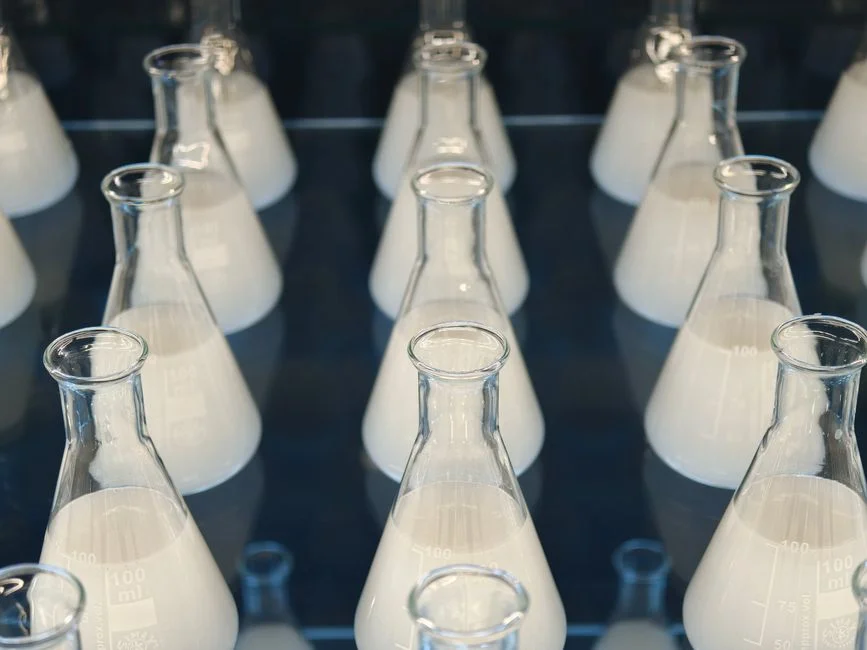
Filtration becomes necessary when residual suspended solids, colloids or turbidity could impair downstream treatment; RO becomes necessary when dissolved metals, salts or conductivity remain above the applicable sewer limit after chemical treatment and clarification.
A multi-media filter is a practical pretreatment barrier where the objective is removal of residual particulates and membrane protection. UF is appropriate when a defined low-particle barrier is required before RO; its primary filtration duty does not require chemical addition. HydropureWater UF systems use 0.03-micron PVDF membranes, accept turbidity up to 300 ppm, provide automatic backwash and air scour, and range from 2,000–40,000 L/h (HydropureWater product information, current in 2026). Those product values support preliminary screening only; the required flux and backwash cycle remain site-specific design questions.
RO should not be included merely because the site handles mining water. Trigger it against the written limit: if post-clarification and filtered water still contains dissolved metals or salts that exceed sewer limits, evaluate RO. AMPAC USA reported more than 99% rejection of dissolved metals and salts in a mining application in 2025-09. That result should not be presented as a permit guarantee until the supplier demonstrates performance against a representative feed analysis and defined permeate targets.
For smaller installations, HydropureWater’s integrated JY series combines coagulation, flocculation, sedimentation, filtration and automatic backwash in 10–200 m³/h models and is listed for mine-water treatment (HydropureWater product information, current in 2026). Whether that arrangement is sufficient depends on the chemistry and whether dissolved contaminants remain; an integrated solids-removal skid does not automatically remove salts.
Where reuse is part of the project, request a recovery curve rather than a nameplate recovery value. AMPAC USA reported 40–60% reduction in freshwater consumption for RO-enabled reuse compared with once-through operation in 2025-09. The UF system for membrane pretreatment, integrated water-purification package and industrial RO polishing system should therefore be compared around the same feed chemistry, recovery requirement and discharge limit.
| Polishing stage | Use it when | Required supplier evidence |
|---|---|---|
| Multi-media filtration | Residual particulates or turbidity must be removed before discharge or membranes | Outlet SDI, loading rate, backwash volume and wash-water destination |
| Ultrafiltration | A defined particle barrier is required before RO | PVDF membrane details, flux, turbidity basis and automatic backwash cycle |
| Reverse osmosis | Dissolved metals or salts exceed the applicable limit after prior treatment | Feed analysis, recovery curve, permeate targets and site-specific rejection guarantee |
| Integrated treatment | A compact solids-removal train is suitable for the measured duty | Complete constituent removal envelope and confirmation that RO is or is not required |
Manage the Precipitation Sludge Without Creating a New Discharge Problem?
Metal-hydroxide precipitation transfers contaminants from the water into a residual solid that must be characterized, dewatered and given an approved disposal route. Treating the supernatant to sewer quality does not by itself authorize disposal of the resulting sludge.
HydropureWater’s plate-and-frame sludge filter press is offered with filtration areas from 1 m² to 500 m² and manual, hydraulic or fully automatic PLC-controlled operation (HydropureWater product information, current in 2026). The correct configuration requires expected dry-solids mass, batch volume, cycle time, target cake dryness and the required filtrate-capture capacity.
WesTech’s metals-industry example reports an average 20:1 reduction in sludge volume through its dewatering process (WesTech, current in 2026). That is a case-specific result rather than a Holmes Mill guarantee, but it demonstrates why dewatering belongs in the initial equipment comparison. A lower water content can reduce the volume sent to disposal, although acceptance and transport requirements still control the practical result.
Define the filtrate-return destination before finalizing the solids train. It may require further treatment before return to the head of plant, and returning it without accounting for residual pH, metals or chemicals can upset the upstream process. The comparison should cover sludge dry solids, cycle time, cake target, chemical consumption, wash-water handling and disposal cost—not only skid purchase price.
The plate-and-frame sludge filter press can be evaluated as a dewatering option, while the clarifier-versus-dissolved-air-flotation analysis provides relevant context for solids and oil handling. Confirm whether the waste is regulated as a hazardous or nonhazardous industrial waste, and obtain written disposal or treatment authorization before committing to a residue route.
Build a Supplier-Ready Basis of Design?
A comparable quotation requires every supplier to design against the same measured flow, representative chemistry, written sewer limits and reuse target. A generic “mining-water package” leaves too many uncontrolled assumptions for a procurement decision.
Issue one basis-of-design package containing peak and average flow in m³/h, daily discharge volume, maximum anticipated daily discharge, equalization duration and stormwater assumptions. Include representative influent pH, total and dissolved metals, TSS, conductivity and process-specific chemistry, together with the POTW limits for metals, pH and TSS. Specify whether streams will remain segregated and provide seasonal sampling results rather than one unrepresentative sample.
If reuse is in scope, state the required recovery percentage and request a recovery curve. The supplier must then identify the treatment sequence, chemical dosing, PLC/HMI integration, solids handling, membrane pretreatment, monitoring, commissioning and operating plan. Where the site has process-specific contaminants, require their suppliers to define treatment performance and residual handling rather than assuming the conventional train is sufficient.
| Bid package component | Minimum information | Compliance-risk check |
|---|---|---|
| Flow and equalization | Peak, average, daily discharge and equalization duration | Capacity covers the highest anticipated discharge, not only average flow |
| Influent characterization | Representative pH, metals, TSS, conductivity and process chemistry | Design basis reflects seasonal and process upsets |
| Discharge basis | Written POTW limits, prohibited discharges and monitoring rules | Every proposed performance claim is tied to the applicable requirement |
| Treatment sequence | Equalization through optional RO and solids handling | Each unit operation addresses a measured contaminant |
| Controls and monitoring | PLC/HMI, pH, flow and conductivity, data and reporting interface | Controls support the required POTW self-monitoring record |
| Reuse | Required recovery and requested recovery curve | Recovery is demonstrated at site chemistry rather than nameplate only |
| Operations | Commissioning, operator training, maintenance and bypass prevention | Upset, redundancy and reporting procedures are defined |
| Commercial | Itemized equipment, chemicals, installation and lifecycle assumptions | compare complete scope against the same basis
The supplied research publishes no complete-system price for Holmes Mill. Request quotations against the shared basis rather than relying on an unsupported price range. Ask for installed references operating at comparable flow magnitudes with the proposed DAF or lamella, multi-media filtration, UF, RO and sludge dewatering arrangements. Evaluate permit applicability, reserved-subpart status, worst-case chemistry, upset conditions, bypass prevention, redundancy and the availability of a performance guarantee against the written discharge basis.
Use the heavy-metal wastewater engineering specification guide to test whether chemical and operating assumptions are complete, but do not treat any compliance language in a generic guide as project-specific approval.
Frequently Asked Questions
How much does a mining wastewater pretreatment system near Holmes Mill cost?
No reliable complete-system price can be stated without peak and average flow, representative influent chemistry, written POTW limits and the recovery target. Request itemized quotations against the same basis of design, separating equipment, chemical storage, installation, controls, commissioning, solids handling and ongoing operation. This produces comparable bids without inventing a Holmes Mill price range.
Should a Holmes Mill mining plant use DAF or a lamella clarifier?
Use DAF when representative testing shows buoyant floc, oil or floating fines; use lamella when dense metal-hydroxide sludge, sludge volume and footprint are the governing constraints. Test pH, TSS, oil and grease, settleability and expected sludge volume before selection. Neither the equipment ranges nor a regional assumption establishes the duty at the site.
When is RO required before sewer discharge?
RO is required when dissolved metals or salts remain above the applicable limit after pH correction, coagulation, clarification and filtration. Decide only after obtaining the membrane-feed analysis and permeate targets. Mining research reports more than 99% rejection of dissolved metals and salts in the cited application, but that is not a permit guarantee without a site-specific feed basis.
How should an equipment supplier be selected?
Compare bids using the same measured flow, representative chemistry, written sewer limits, recovery target, controls, sludge handling, monitoring and commissioning scope. Also ask for comparable installed references and a site-specific performance guarantee. A lower equipment price can be outweighed by omitted chemical dosing, membrane pretreatment, residue handling or controls.
Does a reserved 40 CFR Part 436 subpart exempt the facility from pretreatment?
No. A reserved subpart means that the cited subpart has no current numeric effluent limit. NPDES, state and local POTW duties remain independently applicable. The facility must confirm its mineral and process, then obtain the current permit, local limits, prohibited-discharge rules and monitoring requirements. The DAF versus clarifier guide for mining wastewater and mining and metals sewer pretreatment guide can support that workflow, but neither replaces the governing documents.
Related Equipment
- industrial RO polishing system — specifications, capacity range, and technical data