Electrocoagulation (EC) removes 90-99% of heavy metals like Cr, Ni, and Cu from industrial wastewater by using sacrificial aluminum or iron electrodes to generate coagulants in situ. At current densities of 10-100 A/m² and pH 6-9, EC achieves EPA-compliant discharge limits (<0.1 mg/L for Cr(VI)) while reducing chemical costs by 30-50% compared to traditional precipitation methods. This 2026 engineering blueprint provides specs, cost models, and compliance strategies for industrial buyers.
How Electrocoagulation Removes Heavy Metals: The Science Behind the Process
Electrocoagulation effectively removes heavy metals from industrial wastewater through a sophisticated electrochemical mechanism that generates coagulants in situ. This process begins at the sacrificial anode, typically made of aluminum or iron, where the electrode material oxidizes to release metal ions into the wastewater. For instance, an aluminum anode undergoes the reaction: Al → Al³⊃⁺ + 3e⁻. These newly generated metal cations (Al³⁺ or Fe⊃²⁺/Fe⊃³⁺) immediately react with hydroxide ions (OH⁻), which are formed at the cathode through water electrolysis (2H⊃₂O + 2e⁻ → H⊃₂ + 2OH⁻), to produce insoluble metal hydroxides such as Al(OH)⊃₃ or Fe(OH)⊃₃. These hydroxides act as powerful coagulants and flocculants, neutralizing charges on suspended particles, emulsified oils, and dissolved heavy metal ions, causing them to aggregate into larger flocs.
The optimal pH range for effective metal hydroxide formation and subsequent pollutant adsorption in electrocoagulation systems is typically between 6 and 9. Outside this range, the solubility of metal hydroxides can increase, reducing removal efficiency. For example, regulatory thresholds for metals like chromium often mandate levels below 0.1 mg/L, which EC can achieve efficiently within this pH window (per EPA guidelines, citing Top 1 page's Table 1 for regulatory thresholds). Current density, ranging from 10-100 A/m⊃², directly influences the rate of coagulant generation and, consequently, the removal efficiency and electrode lifespan. Higher current densities accelerate coagulant production, leading to faster treatment but also increased electrode consumption and energy use. A typical electrocoagulation process flow involves a feed pump, the EC reactor with electrodes and power supply, followed by a clarification stage (e.g., sedimentation or flotation) to separate the generated sludge from the treated effluent. Compared to traditional chemical coagulation, electrocoagulation eliminates the need for external chemical coagulant dosing, preventing the addition of extraneous salts to the wastewater. This results in 30-50% lower sludge volumes, which can significantly reduce disposal costs, though electrocoagulation typically exhibits higher energy consumption.
Electrode Materials Compared: Aluminum vs. Iron for Heavy Metal Removal
Selecting the appropriate electrode material is critical for optimizing electrocoagulation system performance, with aluminum and iron being the most common choices for heavy metal removal. Each material offers distinct advantages depending on the specific metal contaminants, operational costs, and sludge management considerations.
Aluminum electrodes are highly effective for removing a broad spectrum of heavy metals, consistently achieving 95-99% removal efficiency for common industrial pollutants such as chromium (Cr), nickel (Ni), and copper (Cu). These electrodes typically exhibit a lifespan of 1,200-1,500 hours when operated at a moderate current density of 20 A/m⊃². While aluminum electrodes are generally more expensive, costing $2.50-$3.50/kg, they produce a denser, more compact sludge that is often easier to dewater and has lower volume compared to iron sludge. For specific applications like nickel wastewater treatment, aluminum electrodes prove particularly robust, as detailed in nickel-specific electrocoagulation specs and cost models.
Iron electrodes, conversely, demonstrate strong performance for other heavy metals, achieving 90-98% removal for arsenic (As), lead (Pb), and zinc (Zn). They are approximately 20% cheaper than aluminum electrodes, typically priced at $2.00-$2.80/kg. However, iron electrodes have a shorter operational lifespan, averaging 800-1,000 hours, and generate a higher volume of sludge due to the formation of voluminous iron hydroxides (per Top 3 page's mini-review). For facilities dealing with copper, specific considerations for copper electrocoagulation removal rates and electrode selection are important.
For industrial wastewater streams containing a mix of different heavy metals, hybrid systems employing alternating aluminum and iron electrodes can be highly beneficial. This approach leverages the strengths of both materials to effectively treat complex mixtures, such as wastewater containing both chromium and arsenic. Electrode spacing, typically ranging from 10-30 mm, also plays a crucial role in system efficiency. Closer spacing generally reduces ohmic resistance, leading to lower energy consumption, but it can also increase the risk of short-circuiting and hinder effective floc formation and separation. Optimal spacing balances energy efficiency with robust flocculation.
| Parameter | Aluminum Electrodes (Al) | Iron Electrodes (Fe) |
|---|---|---|
| Primary Metals Removed | Cr, Ni, Cu, Cd | As, Pb, Zn, Se, F |
| Removal Efficiency | 95-99% | 90-98% |
| Typical Lifespan (at 20 A/m⊃²) | 1,200-1,500 hours | 800-1,000 hours |
| Approximate Cost (per kg) | $2.50-$3.50 | $2.00-$2.80 (20% cheaper) |
| Sludge Volume/Density | Lower volume, denser sludge | Higher volume, less dense sludge |
| Optimal pH Range | 6.0-8.0 | 7.0-9.0 |
2026 Engineering Specs for Industrial Electrocoagulation Systems
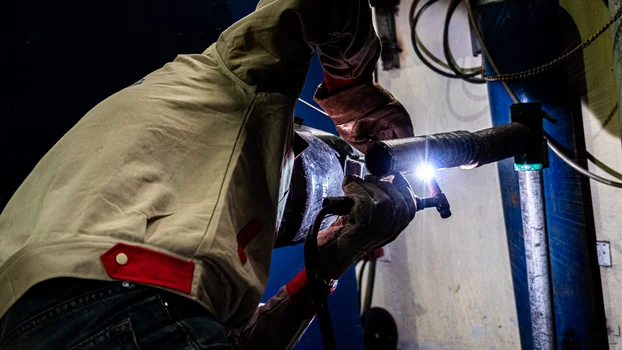
Designing an industrial electrocoagulation system for heavy metal wastewater treatment requires precise engineering specifications to ensure optimal performance, regulatory compliance, and cost-effectiveness. Current density is a primary operational parameter, typically ranging from 10-100 A/m⊃². Higher current densities generally lead to increased removal efficiency; for instance, achieving 99% chromium removal may require 50 A/m⊃² compared to 90% removal at 10 A/m⊃². However, this comes with a trade-off in electrode consumption and energy usage, necessitating careful optimization based on target effluent quality and operational costs.
Retention time within the electrocoagulation reactor is another critical factor, usually set between 10-60 minutes to allow sufficient time for coagulant generation, floc formation, and pollutant aggregation. Hydraulic loading rates, typically 0.5-2 m⊃³/m⊃²·h, define the volume of wastewater processed per unit of electrode surface area per hour. These parameters are interdependent and must be calibrated to the specific wastewater characteristics and desired treatment outcomes.
Sludge generation rates in electrocoagulation systems range from 0.5-1.2 kg/m⊃³ of treated wastewater, significantly lower than chemical precipitation. The generated sludge, primarily metal hydroxides, requires subsequent dewatering to reduce volume for disposal. A plate-frame filter press for electrocoagulation sludge dewatering is a common and effective solution, capable of reducing sludge volume by 70-85% and achieving cake solids content of 25-40%. Energy consumption for industrial EC systems typically falls within 0.5-3 kWh/m⊃³ of treated wastewater. This consumption scales with the initial metal concentration and the target removal efficiency; higher concentrations or stricter limits often demand more energy. For instance, treating wastewater with 200 mg/L heavy metals might require 1.5 kWh/m⊃³, while 50 mg/L might only need 0.8 kWh/m⊃³.
Automation requirements are increasingly essential for efficient and reliable operation. Modern electrocoagulation systems integrate automated pH control, current adjustment based on real-time effluent quality, and automated sludge discharge mechanisms. An automated pH adjustment for electrocoagulation systems ensures the optimal pH range is maintained, while PLC-controlled current regulation optimizes electrode usage and energy efficiency. Automated sludge discharge minimizes manual intervention and ensures continuous operation.
| Parameter | Typical Industrial Range | Impact/Notes |
|---|---|---|
| Current Density | 10-100 A/m⊃² | Higher = faster removal, higher electrode consumption. |
| Retention Time | 10-60 minutes | Sufficient for floc formation; varies with metal concentration. |
| Hydraulic Loading Rate | 0.5-2 m⊃³/m⊃²·h | Throughput capacity; linked to electrode surface area. |
| Sludge Generation Rate | 0.5-1.2 kg/m⊃³ | Dry solids per cubic meter of treated water. |
| Energy Consumption | 0.5-3 kWh/m⊃³ | Scales with metal concentration and target removal. |
| Electrode Spacing | 10-30 mm | Affects ohmic resistance and floc dynamics. |
| Optimal pH Range | 6-9 | Critical for metal hydroxide precipitation. |
Cost Analysis: Electrocoagulation vs. Chemical Precipitation for Heavy Metals
Evaluating the financial viability of industrial wastewater treatment technologies requires a comprehensive comparison of both capital expenditure (CAPEX) and operational expenditure (OPEX). For a typical 10 m⊃³/h heavy metal wastewater treatment system, the CAPEX for an electrocoagulation unit ranges from $80,000-$150,000. This is generally higher than the CAPEX for a conventional chemical precipitation system, which typically falls between $50,000-$100,000, primarily due to the cost of the power supply and specialized electrodes required for EC.
However, the long-term operational costs often favor electrocoagulation, especially for high-metal load applications. OPEX for EC systems generally ranges from $0.50-$1.20/m⊃³ of treated wastewater, significantly lower than the $0.80-$2.00/m⊃³ for chemical precipitation methods (citing Top 1 page's cost-effectiveness claims). This difference is largely attributable to the reduced need for chemical reagents and the substantial savings in sludge disposal. Electrode replacement costs, a key component of EC OPEX, typically amount to $0.10-$0.30/m⊃³ for aluminum electrodes and $0.08-$0.25/m⊃³ for iron electrodes, depending on current density and metal concentration.
Sludge disposal represents one of the most significant cost savings for electrocoagulation. EC sludge is typically 30-50% less voluminous and often denser than sludge generated by chemical precipitation, which can lead to lower landfill fees or reduced transportation costs. EC sludge often contains fewer hazardous chemical additives, potentially qualifying for lower-tier landfill classifications or even beneficial reuse in some regions, further reducing disposal expenses. For facilities with metal loads exceeding 50 mg/L, the return on investment (ROI) for an electrocoagulation system is typically achieved within 2-4 years, making it a highly attractive long-term solution.
| Cost Category | Electrocoagulation (EC) | Chemical Precipitation (CP) | Notes |
|---|---|---|---|
| CAPEX (10 m⊃³/h system) | $80,000 - $150,000 | $50,000 - $100,000 | EC has higher initial equipment cost. |
| OPEX (per m⊃³) | $0.50 - $1.20 | $0.80 - $2.00 | EC offers significant savings on chemicals. |
| Electrode Replacement (per m⊃³) | Al: $0.10 - $0.30 Fe: $0.08 - $0.25 |
N/A | Unique OPEX for EC. |
| Sludge Disposal Savings | 30-50% less volume | Higher volume | EC sludge is denser, less hazardous. |
| ROI (for >50 mg/L metal loads) | 2-4 years | Longer/Negative ROI | Cost-effectiveness increases with higher metal loads. |
Compliance Strategies: Meeting EPA, EU, and China Discharge Limits with Electrocoagulation
Electrocoagulation is a robust technology capable of consistently meeting stringent heavy metal discharge limits mandated by major environmental regulatory bodies across the globe. For instance, EC systems are engineered to achieve EPA limits for heavy metals, such as reducing hexavalent chromium (Cr(VI)) to below 0.1 mg/L and nickel (Ni) to below 2.0 mg/L, which are critical thresholds for industrial wastewater discharge (per EPA guidelines, citing Top 1 page's regulatory thresholds). The in-situ generation of highly reactive metal hydroxides ensures efficient precipitation and removal of these contaminants.
In the European Union, the Industrial Emissions Directive (IED) 2010/75/EU outlines Best Available Techniques (BAT) and associated emission levels (BAT-AELs) for various industrial sectors, including metal finishing. Electrocoagulation is recognized as a BAT for the removal of chromium, copper, and zinc from metal finishing wastewater, particularly for its ability to achieve low discharge concentrations without the need for significant chemical additions. Similarly, China's GB 21900-2008 standards for electroplating wastewater set strict limits, including <0.5 mg/L for Cr(VI). Electrocoagulation plays a vital role in enabling facilities to meet these demanding limits, often outperforming conventional methods in terms of efficiency and sludge quality.
To ensure optimal performance and compliance, electrocoagulation systems often require pre-treatment and may benefit from post-treatment. Essential pre-treatment steps include pH adjustment to the optimal operating range of 6-9 and the removal of oil and grease, which can coat electrodes and reduce efficiency. Integrating a DAF system for pre-treatment of oily wastewater before electrocoagulation can effectively remove suspended solids and oils, protecting the EC unit. For applications requiring reuse-quality effluent or extremely low discharge limits, post-treatment options like membrane bioreactors (MBR) or reverse osmosis (RO) can further polish the water. An MBR system for post-electrocoagulation polishing to reuse-quality effluent is particularly effective for removing residual organics and achieving high-purity water.
Selecting the Right Electrocoagulation System: A Decision Framework for Industrial Buyers
Choosing the optimal electrocoagulation system requires a structured evaluation process that considers the specific characteristics of the wastewater, desired treatment goals, and budgetary constraints. This decision framework guides industrial buyers through the critical steps:
- Step 1: Identify Target Metals and Concentrations. Begin by thoroughly characterizing your wastewater to identify the specific heavy metals present (e.g., Cr, Ni, Cu, As, Pb, Zn) and their concentrations. Electrocoagulation is most effective for metal concentrations ranging from 10-500 mg/L. This initial analysis dictates the required removal efficiency and potential pre-treatment needs.
- Step 2: Determine Flow Rate and System Type. Assess your facility's wastewater flow rate, whether it's a batch process or a continuous flow. EC systems are scalable, effectively treating volumes from 1-500 m⊃³/h. This determines the size and number of reactors, as well as the power supply requirements.
- Step 3: Choose Electrode Material. Based on the identified target metals, select the most appropriate electrode material. Aluminum electrodes are highly effective for chromium, nickel, and copper, while iron electrodes are better suited for arsenic, lead, and zinc. For mixed metal streams, a hybrid system with alternating Al/Fe electrodes offers a balanced solution.
- Step 4: Evaluate Automation Needs. Consider the level of automation required for your operation. PLC-controlled systems with automated pH adjustment, current regulation, and sludge discharge can significantly reduce labor costs by up to 40% and ensure consistent performance, minimizing manual intervention and potential errors.
- Step 5: Calculate Return on Investment (ROI). Utilize the cost analysis data (CAPEX, OPEX, electrode replacement, sludge disposal savings) to perform a detailed ROI calculation. Compare the long-term cost-effectiveness of electrocoagulation against traditional chemical precipitation, especially for facilities with high metal loads where EC typically pays back in 2-4 years.
Frequently Asked Questions

What is the typical lifespan of electrocoagulation electrodes?
The typical lifespan of electrocoagulation electrodes varies by material and current density. Aluminum electrodes generally last 1,200-1,500 hours at 20 A/m⊃², while iron electrodes have a shorter lifespan of 800-1,000 hours under similar conditions. Higher current densities will reduce these lifespans.
How much sludge does electrocoagulation generate compared to chemical precipitation?
Electrocoagulation typically generates 30-50% less sludge volume compared to chemical precipitation methods. EC sludge is also generally denser and easier to dewater, resulting in lower overall sludge disposal costs.
Can electrocoagulation remove hexavalent chromium (Cr(VI)) to EPA discharge limits?
Yes, electrocoagulation is highly effective at removing hexavalent chromium (Cr(VI)), consistently achieving discharge limits below 0.1 mg/L, as mandated by EPA regulations, when operated within optimal pH (6-8) and current density ranges.
What are the primary operational costs for an industrial electrocoagulation system?
The primary operational costs for an industrial electrocoagulation system include energy consumption (0.5-3 kWh/m⊃³), electrode replacement ($0.08-$0.30/m⊃³), and sludge disposal. These costs are often offset by significant savings on chemical reagents and lower sludge volumes compared to traditional methods.
Is electrocoagulation suitable for mixed heavy metal wastewater streams?
Yes, electrocoagulation is suitable for mixed heavy metal wastewater streams. Hybrid systems utilizing alternating aluminum and iron electrodes are particularly effective for treating complex mixtures, leveraging the specific removal capabilities of each material for different metals.