Andijon Water & Climate Reality: Syr Darya Chemistry + Fergana Valley Climate
Syr Darya basin water chemistry exhibits baseline raw-water parameters of 350 to 700 mg/L TDS, 180 to 300 mg/L hardness as CaCO₃, 8 to 20 mg/L silica, and spring snowmelt TSS spikes reaching 25 to 60 mg/L (HydropureWater 2025 field benchmarks). A greenfield data center in Andijon, Uzbekistan requires site-specific wastewater and blowdown treatment driven by these watershed characteristics and Fergana Valley summer temperatures.
A 5 MW facility operating at 4 to 6 cycles of concentration generates 1,800 to 2,100 m³/month of cooling tower blowdown containing 2,400 to 6,400 mg/L total dissolved solids. Facility builds select from four primary treatment tiers: DAF chemical dosing ($35K–$60K) for discharge compliance, BWRO ($220K–$480K) for makeup reuse, partial RO with chlorine dioxide, or full zero liquid discharge ($1.2M–$3.5M) for sovereign-cloud mandates. Dual permitting through UzNature and the Syr Darya Basin Water Management Authority requires six to ten months.
The Syr Darya catchment in the Fergana Valley differs fundamentally from Tashkent's Chirchiq–Bozsu envelope. While both sources present moderate baseline dissolved solids, Andijon requires direct, site-specific influent testing for total dissolved solids (TDS), calcium/magnesium hardness, alkalinity, silica, and seasonal suspended solids. Summer wet-bulb temperatures in the Fergana Valley routinely reach +38 to +40 °C (HydropureWater 2025 climatic reference data), pushing evaporative loss in mechanical draft cooling towers to peak rates. Winter dry-bulb temperatures, while milder than Northern Kazakhstan's −30 to −35 °C design envelope, still drop below freezing and require automated freeze protection on external pipework and basin sumps.
The 50 °C annual temperature swing forces the implementation of hybrid adiabatic/dry cooling modes. Operating pure wet cooling during peak July heat incurs a 30% to 40% blowdown volume penalty compared to a hybrid baseline (HydropureWater 2026 hybrid-cooling logic). During the spring snowmelt window in April and May, elevated raw-water TSS (25–60 mg/L) rapidly fouls heat exchangers and downstream treatment membranes unless addressed at the intake. Installing a side-stream filter sized to 1% to 5% of total recirculating cooling water flow drops the Silt Density Index (SDI) below 3.0, protecting reverse osmosis membranes from chronic colloidal fouling as documented in our Perth data center cooling blowdown guide.
| Water Quality & Climate Parameter | Syr Darya Intake Envelope (Andijon Baseline) | Operational Impact on Cooling Train |
|---|---|---|
| Total Dissolved Solids (TDS) | 350 – 700 mg/L | Establishes baseline osmotic pressure; caps unsoftened CoC at 4–6 cycles. |
| Total Hardness (as CaCO₃) | 180 – 300 mg/L | Drives scale formation; requires antiscalant or side-stream softening. |
| Reactive Silica (SiO₂) | 8 – 20 mg/L | Defines upper recovery boundary for BWRO to avoid insoluble silicate scale. |
| Spring Snowmelt TSS (April–May) | 25 – 60 mg/L | Requires side-stream multimedia or self-cleaning filtration (SDI < 3 target). |
| Summer Peak Wet-Bulb Temp | +38 to +40 °C | Maximizes evaporative loss; drives peak blowdown generation window. |
Blowdown Volume & Chemistry for 5/10 MW Loads
Operating a cooling tower at 6 cycles of concentration reduces blowdown volume to 20% of makeup water compared to 25% at 4 cycles of concentration (Genesis Water Tech 2025). This 5 percentage-point reduction delivers roughly 20% less total blowdown volume. Attempting to push unsoftened Syr Darya makeup water past 5 to 6 CoC causes non-linear acceleration of microbiologically influenced corrosion, scale deposition, and biofilm accumulation (HydropureWater 2026 field benchmarks).
For a 5 MW IT load operating at 4 CoC, monthly cooling tower blowdown (CTBD) generation ranges between 1,800 and 2,100 m³/month. A 10 MW facility generates 3,800 to 4,200 m³/month under identical concentration ratios (HydropureWater 2025 Chirchiq/Syr Darya baseline). This blowdown stream exhibits elevated TDS (2,400 to 6,400 mg/L), elevated temperatures (25 to 32 °C in summer), and residual concentrations of phosphonates, polymeric dispersants, and biocides (Genesis Water Tech 2025).
Equipment design must incorporate a peak hydraulic factor of 1.3 to 1.5 to account for the July–August thermal window and unmeasured losses such as drift, pipe leakage, and emergency basin drains. For a 10 MW data center campus, daily average blowdown generation spans 60 to 140 m³/day, requiring downstream treatment skids to accommodate peak hydraulic surge capacity up to 200 m³/day. Integrating hybrid adiabatic/dry chillers cuts summer CTBD volume by 30% to 40% because dry rejection carries the majority of the thermal load when ambient dry-bulb temperatures drop below 10 °C.
| Facility IT Load | Cycles of Concentration (CoC) | Average CTBD Volume (m³/month) | Daily Average Flow (m³/day) | Peak Design Allowance (m³/day) |
|---|---|---|---|---|
| 5 MW Load | 4 CoC | 1,800 – 2,100 m³ | 30 – 70 m³ | 100 m³ |
| 5 MW Load | 6 CoC | 1,440 – 1,680 m³ | 24 – 56 m³ | 80 m³ |
| 10 MW Load | 4 CoC | 3,800 – 4,200 m³ | 60 – 140 m³ | 200 m³ |
| 10 MW Load | 6 CoC | 3,040 – 3,360 m³ | 48 – 112 m³ | 160 m³ |
Four Treatment Options Compared: Discharge → Reuse → Partial ZLD → Full ZLD
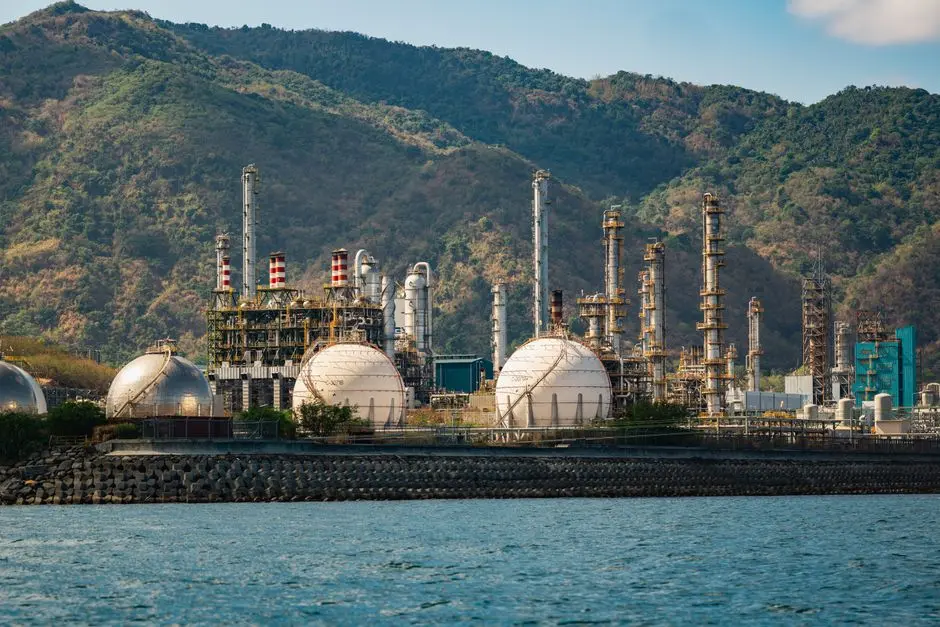
A dissolved air flotation (DAF) system combined with PLC chemical dosing provides discharge compliance at an installed cost of $35,000 to $60,000 for 5 to 10 MW facilities (HydropureWater 2025 benchmarks). Selecting the appropriate treatment tier depends on corporate sustainability targets, local municipal sewer acceptance limits, and the site's permit mandate.
Four distinct technology configurations address the Andijon operational envelope:
- Option A (Discharge Compliance): A DAF system for blowdown pretreatment coupled with automated coagulant/flocculant dosing ($35K–$60K installed). Removes suspended solids, insoluble metals, and free oil/grease to satisfy standard UzNature environmental discharge standards, but recovers zero water for reuse.
- Option B (Cooling Tower Makeup Reuse): Pre-clarification via DAF, secondary softening, and high-recovery brackish water reverse osmosis ($220K–$480K installed for 5–10 MW). An industrial RO for blowdown recovery operating at 75% to 80% recovery generates high-purity permeate (silica ~1 mg/L, TDS 10–50 mg/L) for direct return to the cooling towers (Genesis Water Tech 2025). RO membranes require replacement every 3 to 5 years.
- Option C (Partial ZLD / High Efficiency Reuse): Combines a side-stream softener, lamella clarifier, chlorine dioxide generator, and partial RO operating at 50% to 85% recovery. Chlorine dioxide delivers a robust 0.5 to 1.0 mg/L biocide residual, outperforming standard chlorine against Legionella at 25 to 32 °C without producing trihalomethanes (THMs). This configuration reduces raw-water demand by 30% to 50%.
- Option D (Full Zero Liquid Discharge): Integrates RO pre-concentration, mechanical vapor compression (MVC), and a final crystallization stage ($1.2M–$3.5M installed). The thermal MVC stage consumes 15 to 25 kWh per 1,000 US gallons of distillate produced (HydropureWater 2026 ZLD benchmark). This option is reserved for sovereign-cloud projects bound by strict non-discharge mandates.
To preserve membrane longevity across Options B, C, and D, side-stream filtration treating 1% to 5% of recirculating water must be implemented. Self-cleaning spiral filtration skids costing $50,000 to $200,000 capture particulates down to 10–25 microns without requiring backwash downtime (Genesis Water Tech 2025).
| Treatment Option | Core Process Technologies | Installed CAPEX (5–10 MW) | Water Recovery Rate | Primary Reuse / Disposal Destination |
|---|---|---|---|---|
| Option A | DAF + PLC Chemical Dosing Skid | $35,000 – $60,000 | 0% (Discharge only) | Municipal Sewer / Surface Water Body |
| Option B | DAF + Twin Softener + BWRO Skid | $220,000 – $480,000 | 75% – 80% | Cooling Tower Makeup (Permeate) |
| Option C | Lamella + ClO₂ + Softener + Partial RO | $180,000 – $380,000 | 50% – 85% | Cooling Tower Makeup & On-Site Irrigation |
| Option D | BWRO Pre-concentrator + MVC + Crystallizer | $1,200,000 – $3,500,000 | 95% – 99% (Full ZLD) | Closed Loop Distillate / Solid Salt Cake |
Permit Pathway: UzNature EIA + Syr Darya Basin Water Management Consent
Environmental compliance in Uzbekistan requires parallel filings through the UzNature EIA framework and the Goswatercadastre Basin Water Management Authority, creating a total approval timeline of 6 to 10 months (HydropureWater 2025 regulatory data). Attempting to sequence these applications serially extends commissioning schedules by up to two quarters.
The State Committee for Ecology and Environmental Protection (operating as UzNature) manages Environmental Impact Assessment (EIA) scoping and design approval over a 60 to 120-day window. Missing chemical dosing skid engineering details and incomplete sludge disposal routing account for roughly 50% of first-submission EIA rejections in regional regulatory jurisdictions (HydropureWater 2025 regulatory data). Engineers must lock PLC chemical dosing sequences and sludge handling drawings prior to initial design submission.
The Goswatercadastre / Basin Water Management Authority (under the Ministry of Water Resources) issues final water withdrawal and discharge consents once UzNature EIA clearance is secured. If treated effluent or sanitary wastewater is repurposed for on-site landscape irrigation, SanPiD reuse criteria mandate strict adherence to safety thresholds: fecal coliform ≤1,000 CFU/100 mL, BOD₅ ≤50 mg/L, and turbidity <1 NTU (HydropureWater 2026 environmental standards). Dewatered filter cake from blowdown clarification incurs off-site hauling fees of $0.30 to $0.80 per kg of dry solids with a licensed waste disposal contractor.
| Regulatory Step | Responsible Agency | Submission Requirements | Processing Window |
|---|---|---|---|
| EIA Phase I & II Scoping | UzNature (Ecology Committee) | Hydraulic balances, chemical dosing skids, sludge plan | 60 – 120 Days |
| Discharge & Withdrawal Consent | Goswatercadastre (Water Resources) | Cleared UzNature EIA, receiving basin capacity study | 60 – 90 Days (Post-EIA) |
| SanPiD Reuse Verification | Ministry of Health / Local SanPiD | Effluent testing (coliform ≤1,000 CFU/100 mL, BOD ≤50 mg/L) | 30 Days |
CAPEX/OPEX Breakdown & Payback Logic
Brackish water reverse osmosis systems treating blowdown streams incur direct operating costs of $1.50 to $3.00 per thousand gallons treated (Genesis Water Tech 2025). Procurement planning for Central Asian builds must factor in a 10% to 20% regional logistics and customs premium over standard Middle East or European baseline equipment quotes.
CAPEX for primary treatment ranges from $35,000 to $60,000 for standard DAF discharge systems up to $3.5 million for high-efficiency ZLD evaporative plants. A standalone 50,000 GPD (189 m³/day) industrial RO skid costs between $250,000 and $500,000 installed (Genesis Water Tech 2025). Ongoing OPEX splits across three key areas: chemical dosing inputs (~20% of OPEX), RO membrane replacement every 3 to 5 years, and dewatered sludge disposal priced at $0.30 to $0.80 per kg dry solids (HydropureWater 2026 financial models).
Option B (BWRO recovery) achieves a simple payback period of 3 to 5 years when evaluating avoided municipal raw-water purchasing costs, lower volumetric discharge tariffs, and protection against regulatory non-compliance fines. Option C captures 30% to 50% raw-water reductions at roughly half the capital intensity of full ZLD systems, making it the most cost-effective ESG solution for standard commercial data center builds. Full ZLD (Option D) operates at $5 to $15 per thousand gallons treated due to the heavy electrical energy consumption of thermal crystallization (15–25 kWh/1,000 gal distillate), as noted in our Tasikmalaya data center blowdown guide.
| Treatment Configuration | Installed CAPEX (5–10 MW) | Estimated OPEX ($/1,000 gal treated) | Primary OPEX Drivers | Simple Payback Window |
|---|---|---|---|---|
| Option A (DAF Compliance) | $35,000 – $60,000 | $0.40 – $0.80 | Coagulants, polymer, sludge haul-out | N/A (Compliance cost) |
| Option B (BWRO Reuse) | $220,000 – $480,000 | $1.50 – $3.00 | Antiscalants, membrane replacement, power | 3 – 5 Years |
| Option C (Partial ZLD / ClO₂) | $180,000 – $380,000 | $1.20 – $2.40 | Softener salt, ClO₂ precursors, partial RO | 3 – 4 Years |
| Option D (Full ZLD Thermal) | $1,200,000 – $3,500,000 | $5.00 – $15.00 | MVC electricity (15–25 kWh/kgal), media | 7 – 10+ Years |
Product Shortlist for Andijon Build
Dissolved air flotation units processing 4 to 300 m³/h serve as the primary solids-separation technology for cooling tower blowdown pretreatment (HydropureWater 2025 product specifications). The following equipment list matches the operational requirements of Andijon data center builds:
- Pretreatment Clarification: DAF system for blowdown pretreatment incorporating micro-bubble technology (4–300 m³/h capacity) to strip suspended solids, oils, and insoluble floc prior to membrane filtration.
- Hardness Removal: industrial water softener skid (KJ-WT Series, 1–45 T/h continuous delivery) featuring twin-tank operation for uninterrupted soft water delivery to downstream reverse osmosis units.
- Membrane Demineralization: industrial RO for blowdown recovery engineered for up to 95% system recovery with automated PLC cross-flow flushing skids.
- Disinfection & Biofilm Control: chlorine dioxide generator providing 50 g/h to 20,000 g/h on-site generation, eliminating Legionella risks in warm cooling loops without trihalomethane formation.
- Secondary Suspended Solids Removal: high-efficiency lamella clarifier utilizing inclined plate settling with high surface loading rates (20–40 m/h) to cut chemical footprint by 30%.
- Sludge Dewatering: plate and frame filter press (1–500 m² filtration area) with automated plate shifting to produce dry, manageable filter cake for regulatory disposal.
Frequently Asked Questions
What is the installed cost difference between Option B (BWRO reuse) and Option D (full ZLD) for a 10 MW Andijon data center?
Option B (DAF + softener + BWRO) costs between $220,000 and $480,000 installed, achieving 75% to 80% water recovery for cooling tower makeup. Option D (Full ZLD with MVC thermal evaporators and crystallizers) costs between $1,200,000 and $3,500,000 installed. Choosing ZLD represents a 5x to 7x capital cost premium driven by vacuum evaporation chambers and crystallizer skids.
Which UzNature EIA submission gaps cause the most rejections for data center blowdown projects in the Syr Darya basin?
The two primary causes for UzNature EIA rejections are unverified chemical dosing skid specifications (lacking automated PLC dosing ratios and biocide neutralization schedules) and incomplete sludge disposal plans. Applicants must include a fully designed plate-and-frame filter press skid, an active agreement with a licensed hazardous/industrial waste hauler, and receiving facility consent at the initial design submission step.
How long does the Syr Darya Basin Water Management consent take after UzNature EIA clearance for an Andijon site?
Once UzNature issues positive EIA clearance, the Goswatercadastre / Basin Water Management Authority requires 60 to 90 days to issue final water withdrawal and discharge consent. Running the initial UzNature scoping phase (60–120 days) in parallel with site hydraulic modeling allows the total dual-agency permit timeline to land within 6 to 10 months.
Can a side-stream softener + lamella clarifier (Option C) meet SanPiD reuse standards for irrigation without full RO?
Side-stream softening paired with a lamella clarifier can meet SanPiD reuse standards only for cooling tower blowdown streams that meet turbidity (<1 NTU) and BOD₅ (<50 mg/L) thresholds. Sanitary sewage cannot be blended into this stream; pathogen-bearing domestic wastewater requires a separate, dedicated anoxic/oxic (A/O) biological package plant to consistently guarantee fecal coliform counts ≤1,000 CFU/100 mL.