Regulatory Framework: Two Floors, One Control Authority
Chemical plants discharging to the Grand Rapids Water Resource Recovery Facility (WRRF) must satisfy two regulatory layers: EPA 40 CFR 403 General Pretreatment Regulations at the federal level and the Grand Rapids WRRF Industrial User Discharge Ordinance at the local level. The 2025-08 WRRF limits cited in the transportation-sector baseline are FOG at 100 mg/L, TSS at 200 mg/L, zinc at 1.0 mg/L, and nickel at 0.5 mg/L, tighter than federal categorical maxima for the sector examined by HydropureWater. In practice, the chemical plant’s permit, waste streams, treatment train, monitoring, and surcharge exposure must be designed together because the WRRF is the local Control Authority.
EPA 40 CFR 403 establishes categorical pretreatment standards and allows a publicly owned treatment works to impose stricter local requirements (HydropureWater, 2026). The Grand Rapids WRRF administers the applicable industrial-user ordinance and can issue permits, sample discharges, and impose surcharges or consent orders (HydropureWater, 2026). The City of Grand Rapids identifies both 24-hour composite and grab sampling as part of the operating compliance concern reflected in the transportation-sector technical baseline (HydropureWater, 2026).
Every non-domestic user in the Grand Rapids Sanitary Sewer Service Area must first complete a non-domestic user survey covering wastewater characteristics, chemical inventory, and pretreatment devices. Facilities classified as significant industrial users must then apply for an industrial discharge permit that specifies standards, limits, and conditions (City of Grand Rapids, Industrial Pretreatment Program; City of Grand Rapids, Apply for a Wastewater Discharge Permit).
| Control layer | Applicable requirement | Engineering consequence |
|---|---|---|
| Federal pretreatment floor | EPA 40 CFR 403 categorical standards | Determine whether categorical limits apply and whether the local authority may impose stricter conditions. |
| Grand Rapids local ordinance | WRRF industrial-user limits and permit conditions | Design to the permit and local limits, not only to generic industrial averages. |
| Permit administration | Non-domestic user survey and discharge-permit application | Characterize operations and pretreatment before permit conditions are finalized. |
| Enforcement | Sampling, surcharges, and consent-order authority | Provide equalization and defensible monitoring because batch dumps can cause excursions. |
The enforceable permit document should be checked before detailed design because the research summarizes a transportation-sector baseline, not a plant-specific authorization for a specialty chemical, organic chemical, or polymer facility.
Chemical Plant Wastewater Fingerprint: Seven-Plus Streams to Characterize
Chemical manufacturing wastewater must be separated by process origin because each stream can impose a different treatment duty, and a blended sample can conceal both hydraulic peaks and incompatible chemistry. HydropureWater documents seven distinct streams for transportation plants in 2026, but a chemical plant should test the process functions that exist at its facility rather than force an automotive fingerprint onto a chemical operation.
| Stream to characterize | Principal contaminants or operating risks | Treatment implication |
|---|---|---|
| Reaction or by-product blowdown | High COD, variable pH, dissolved salts | Equalization and biological feasibility review; assess toxicity and residual organic load. |
| Solvent-recovery condensate | VOCs, FOG, trace organics | Source control and appropriate organic/FOG treatment before biological polishing. |
| Catalyst or adsorbent wash | Suspended metals, fines, chelating agents | Solids removal and stream-specific precipitation jar tests. |
| Equipment or area washdown | FOG, TSS, pH swings | Segregate from high-strength process drains and equalize before DAF. |
| Cooling-tower blowdown | High TDS and treatment chemicals | Assess discharge concentration and compatibility with biological treatment. |
| Laboratory or quality-control waste | Concentrated organics, acids, or bases | Exclude from routine process equalization where practical; evaluate dedicated treatment. |
| Tank-bottom or sludge-dewatering filtrate | High-strength, variable constituents | Control return flows and evaluate impact on hydraulic and organic loading. |
For each candidate stream, the technical program should include a 24-hour composite covering COD, BOD, FOG, TSS, pH, target metals including zinc and nickel, total phosphorus, and PFAS screening, while adding copper and chromium where process chemistry makes them relevant. The sampling and analytical framework should be adapted from the transportation-sector methodology described by HydropureWater in 2026; EPA Method 1633 should be identified in the laboratory scope rather than assumed from a generic PFAS screen.
HydropureWater reports 8 to 24 hours of equalization for intermittent transportation discharges and notes that batch dumps can swing zinc, FOG, and pH sharply. Chemical plants should apply the same duration logic to reactor dumps and catalyst change-outs, sizing the selected equalization basis against the governing batch volume and verified peak discharge rate. The research does not support the proposed “largest batch plus 20%” rule or the claim that every batch dump is 10 times average flow, so those values should not be used for final sizing.
Metal jar testing must use actual plant chemistry. HydropureWater’s 2026 baseline states that chelating agents can shift precipitation behavior so actual speciation rarely matches textbook curves; that is especially important for catalyst-wash water and any phosphating or cleaning chemistry. Determine treatment demand with measured species and chemical additions before fixing precipitation pH.
Block-by-Block Treatment Train: 2026-Spec Equipment Sequence
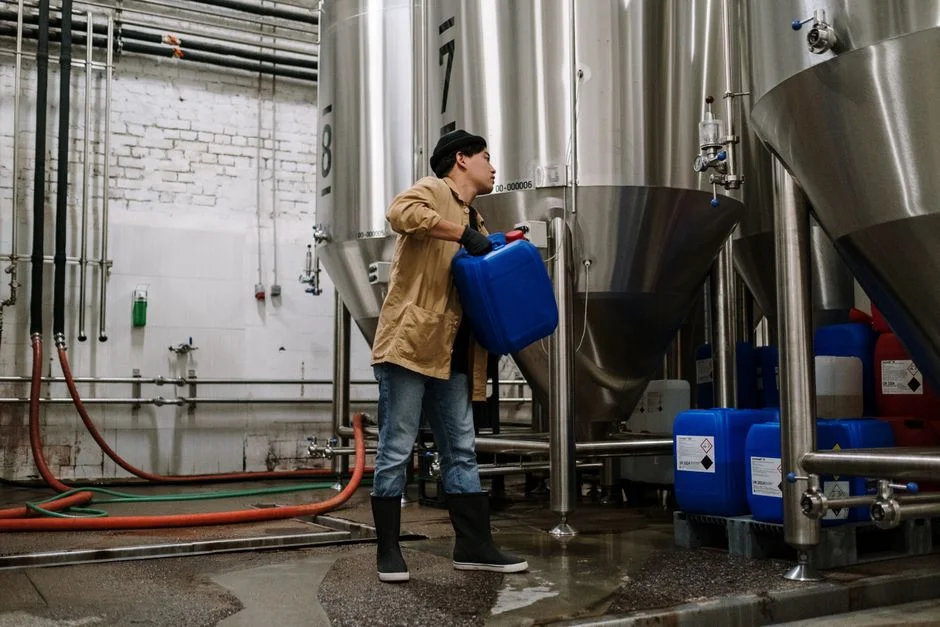
The seven-block treatment sequence in the transportation baseline separates physical protection, flow control, FOG and solids removal, metals precipitation, biological polishing, disinfection, and sludge handling. For a chemical plant, the sequence remains useful as a design framework, but each block must pass the stream characterization and process-chemistry checks described above.
- Headworks: A GX rotary mechanical bar screen with 3–6 mm openings removes rags, plastic, and fibrous material before it fouls pumps or DAF nozzles. HydropureWater identifies rag accumulation as the leading cause of DAF cell pump cavitation in its 2026 transportation baseline. A [rotary mechanical bar screen](/product/13-rotary-mechanical-bar-screen-gx.html) should therefore be evaluated where such debris enters the combined stream.
- Equalization: An above-grade surge tank with mechanical mixing and pH and temperature probes provides 8–24 hours of average flow in the documented baseline. Use the longer duration where intermittent batches dominate, and prevent the tank from becoming a biological reactor through controlled mixing, aeration strategy, pH control, and solids management.
- Dissolved air flotation: The documented DAF platform covers 4–300 m³/h and uses 10–50 μm microbubbles. With PLC-controlled dosing of 50–150 mg/L polyaluminum chloride and 1–3 mg/L anionic flocculant, the source reports 90–95% FOG removal and 85–95% TSS removal. Chemical streams require jar testing because emulsions, solvents, and dissolved organics can alter performance. Evaluate a [DAF system for FOG and TSS removal](/product/4-dissolved-air-flotation-daf-system.html) against measured flow, load, and solids rather than treatment name.
- Metals precipitation: HydropureWater’s 2026 baseline identifies pH 9.0–9.5 for zinc hydroxide precipitation and pH 9.5–10 for nickel hydroxide, while warning that chelation changes actual behavior. Use a [PLC-controlled coagulant and pH dosing system](/product/8-automatic-chemical-dosing-system.html), with [lamella clarification](/product/10-high-efficiency-sedimentation-tank.html) or recycle to DAF for solids separation. Verify final zinc and nickel concentrations against permit limits.
- MBR polishing: The documented DF-series flat-sheet PVDF membrane has a 0.1 μm nominal pore. HydropureWater reports reduction of BOD from 200–500 mg/L to below 5 mg/L and TSS to below 5 mg/L, with approximately 60% less footprint than conventional activated sludge plus a clarifier. Evaluate [MBR polishing for BOD/TSS below 5 mg/L](/product/2-mbr-integrated-wastewater-treatment.html) for soluble organic biodegradability, membrane compatibility, and residual contaminants.
- Disinfection: A chlorine dioxide generator provides the microbial-control step in the documented sequence. Confirm residual demand, contact conditions, chemical supply, and permit criteria before selecting capacity; the research does not establish a generic dose or retention time for chemical-plant wastewater.
- Sludge handling: The documented plate-and-frame press dewaters DAF skimmings and MBR waste activated sludge to 30–40% dry solids and reduces hauling volume by 80–90%. Evaluate [sludge dewatering to 30–40% dry solids](/product/9-plate-frame-filter-press.html) using measured solids production and the chemical additions that affect conditioning.
| Block | Documented sizing or performance basis | Design check required for a chemical plant |
|---|---|---|
| Headworks | 3–6 mm screen opening | Debris type, peak solids loading, and extraction route. |
| Equalization | 8–24 hours | Batch volume, discharge duration, return flows, and biological stability. |
| DAF | 4–300 m³/h; 10–50 μm bubbles | FOG speciation, emulsification, solids rise behavior, and chemical demand. |
| Chemical dosing | 50–150 mg/L PAC; 1–3 mg/L anionic flocculant | Confirm with stream-specific jar tests and verify compatibility with downstream biology. |
| MBR | 0.1 μm nominal PVDF; BOD/TSS below 5 mg/L reported | Biodegradability, toxicity, membrane fouling, and process residuals. |
| Filter press | 30–40% dry solids; 80–90% hauling reduction reported | Sludge mass, conditioning chemistry, cycle time, and off-site disposal route. |
Phased CAPEX Plan: Stop Excursions Now, Future-Proof Later
The documented four-phase implementation model separates immediate corrective work from later capacity investments, allowing each phase to close a defined compliance gap. HydropureWater reports that this approach defers roughly 40–50% of total CAPEX into a future budget cycle while retaining a compliance trajectory (2026). That percentage is a project-planning benchmark from the transportation-sector baseline, not a quote for a chemical plant.
| Phase | Documented duration | Scope and decision gate |
|---|---|---|
| 1. Audit and jar testing | 4–8 weeks | Collect 24-hour composites from each stream; establish DAF chemistry and actual zinc and nickel precipitation curves before selecting permanent equipment. |
| 2. Headworks and DAF | 8–16 weeks | Install screening and DAF to address the documented FOG and TSS load before adding treatment blocks. |
| 3. Equalization and metals precipitation | 12–20 weeks | Add the surge tank, NaOH dosing, and solids separation; coordinate dosing control with the DAF. |
| 4. MBR polishing | 16–24 weeks | Add biological and membrane polishing when the operating and capacity triggers defined in the design basis are met. |
For chemical plants, the decision gate should be evidence-based: proceed to precipitation when measured dissolved metals cannot be brought into compliance by DAF and equalization; proceed to MBR when biological treatability is demonstrated and the permit or operating margin requires the reported below-5 mg/L BOD/TSS performance. Solvent stripping, carbon adsorption, or advanced oxidation should not be inserted into the budget without characterization showing that those barriers exist.
A defensible estimate requires surveyed flow and load data, batch records, chemical inventories, proposed permit limits, treatment objectives, site constraints, utility requirements, and vendor quotations. The transportation baseline mentions a 50,000–100,000 gpd combined flow and a DAF platform of 8–25 m³/h after equalization, but it does not provide plant-specific CAPEX for a chemical facility. Use those figures only as a screening reference, then request a performance guarantee tied to representative stream samples.
PFAS Wildcard: What to Monitor Before It Becomes a Permit Condition
EPA had no PFAS effluent limits or pretreatment standards as of the July 2025 national assessment by Michigan Advance and Waterkeeper Alliance, leaving state and municipal authorities to address industrial PFAS discharges. The absence of a federal pretreatment limit does not remove the need for source characterization at a chemical plant that uses fluorinated surfactants, PFAS-containing catalysts, or PFAS-based products.
Waterkeeper Alliance’s 2025 study found PFAS concentrations increased downstream of 95% of the 22 wastewater treatment facilities studied across 19 states, and none of those facilities employed PFAS removal technology (Michigan Advance, 2025-07). The same report stated that all but one facility accepted wastewater from industrial users without restrictions on PFAS concentration.
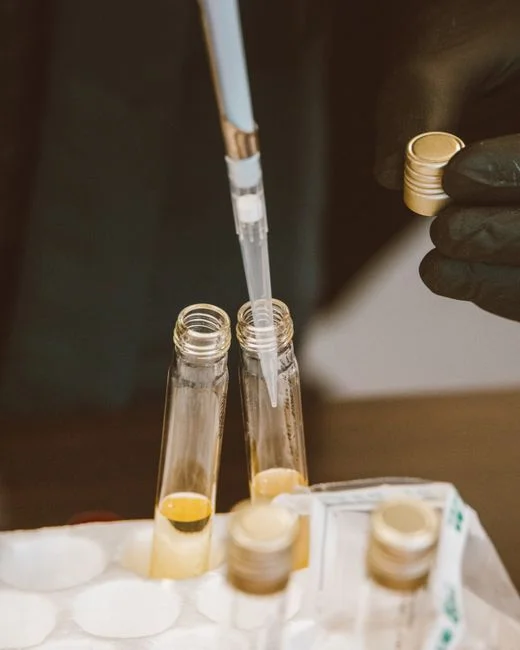
Build a PFAS program into the industrial discharge permit discussion and chemical inventory. Screen the combined discharge and identify individual process contributors using the laboratory’s EPA Method 1633 scope. Quarterly screening is a practical monitoring proposal, but it is not a research-supported regulatory frequency or cost, and the supplied evidence does not support a $15,000–$25,000 annual monitoring budget.
DAF, precipitation, and MBR should not be represented as PFAS-removal barriers. If monitoring establishes a PFAS control need and the WRRF or Michigan adopts a relevant requirement, evaluate a dedicated polishing step such as granular activated carbon or anion exchange using site-specific analytical and performance data. The chemical plant pretreatment case study in another municipality can support regulatory scoping, but local PFAS acceptance criteria still require written confirmation.
Frequently Asked Questions
What is the typical CAPEX range for a 50,000-100,000 GPD chemical plant pretreatment system meeting Grand Rapids WRRF limits?
No defensible price range can be given from the supplied research. Request separate vendor quotations for screening, equalization, DAF, chemical dosing and precipitation, MBR, disinfection, sludge handling, utilities, controls, installation, and performance testing, using the measured stream loads and final permit limits as the pricing basis.
How long does it take to get a wastewater discharge permit from the Grand Rapids WRRF after submitting the application?
The City of Grand Rapids states that it reviews the application, asks follow-up questions, and may conduct a site visit, but it does not publish a review period. Before committing equipment delivery dates, ask the Industrial Pretreatment Program for the current processing schedule and confirm the required survey, application, technical information, and any monitoring demonstration.
Can a DAF-only system meet the 100 mg/L FOG and 1.0 mg/L zinc limits simultaneously for chemical plant wastewater?
Do not rely on DAF alone for both limits. The 2026 transportation baseline states that DAF can meet the FOG and TSS caps under the documented influent conditions, but it does not reliably lower dissolved zinc below 1.0 mg/L. Verify FOG performance with actual emulsified and soluble organics, and use precipitation plus solids separation for dissolved metals.
What PFAS treatment options are compatible with the DAF-precipitation-MBR train if WRRF adds a PFAS limit?
Treat PFAS as a separate design objective. Conventional DAF, precipitation, and MBR are not documented by the supplied research as PFAS barriers. Ask the WRRF for the proposed analyte, concentration limit, monitoring method, and compliance point, then evaluate granular activated carbon or anion exchange with representative-column testing rather than assuming compatibility.
Who provides jar testing and pilot-scale validation for chemical plant wastewater in the Grand Rapids area?
Request a proposal from a qualified industrial wastewater laboratory or treatment engineer covering stream-by-stream sampling, DAF jar tests, precipitation curves, biological treatability, membrane fouling, and a relevant pilot step. The supplier should identify the analytical methods, test duration, acceptance criteria, deliverable report, and responsibility for reconciling results with the WRRF permit.
Related Equipment
- DAF system for FOG and TSS removal — specifications, capacity range, and technical data