Which treatment choice fits fabricated-metals wastewater?
For fabricated-metals wastewater in Knoxville, DAF is generally the stronger primary separator when the target pollutants are suspended solids, colloids, oils, grease, or floatable metal-bearing solids; it uses 30–50 micron microbubbles to lift conditioned flocs for skimming. A clarifier is more appropriate when gravity-settleable solids dominate and the goal is sedimentation, sludge recirculation, or lamella-assisted solids capture. Neither option should be selected from flow rate alone. Confirm wastewater composition, flow variability, pH, solids loading, oil content, metals, sludge volume, and discharge or pretreatment requirements before sizing.
The distinction is not simply “DAF or clarifier.” It is whether the contaminants are floatable, settleable, or require removal through another treatment step. Dissolved air flotation conditions the wastewater, attaches solids to microbubbles, and floats them to the surface for removal by a skimmer; heavier solids fall to a bottom collection zone. Clearwater Industries describes this sequence in its DAF equipment source dated April 27, 2026, and states that proper chemical coagulation and flocculation are needed to improve solids capture.
For fabricated-metals plants, the decision should be based on the actual wastewater fractions, the required effluent quality, flow variation, available footprint, chemical use, and sludge-handling constraints. A plant with oil-bearing machining coolant and wash-down solids should evaluate DAF. A plant dominated by readily settling metal or fabrication solids should evaluate clarification. If both fractions are present, a DAF-plus-clarifier train may be more defensible than forcing one unit to solve every contaminant.
Do not treat either device as a complete treatment train. A DAF system can remove floatable material, but dissolved metals and soluble or refractory organics require a separate assessment. A clarifier can concentrate settleable solids, but it does not remove dissolved contaminants merely because the solids settle. The EPA’s Process Design Manual for Suspended Solids Removal states that typical design values should be tempered with sound engineering judgment based on complete analysis of the specific application. For a broader comparison, see the national DAF versus clarifier guide for fabricated metals.
How fabricated-metals wastewater changes the selection
Fabricated-metals wastewater should be characterized by source stream, not combined only by average flow. Machining coolant, process-rinse water, wash-down water, and paint-related waste can differ substantially in oil content, solids concentration, pH, temperature, and batch behavior. Segregating those streams before designing the treatment train may allow recovery or pretreatment of one stream while preventing an averaged, incompatible flow from driving equipment size.
Oils, grease, and low-buoyancy solids usually favor DAF. The sequence is chemical conditioning, flocculation, contact with microbubbles, surface flotation, and paddle skimming. Heavier solids are withdrawn from the bottom collection zone. Clearwater Industries’ April 27, 2026 source identifies 30–50 micron microbubbles as the flotation mechanism and states that chemical conditioning increases the solids’ size and contactability.
Gravity sedimentation is more appropriate when the solids have enough settling behavior for clarification to be reliable. In a lamella clarifier, inclined plates shorten the effective separation path and can reduce the required separation area compared with a conventional settling arrangement. Sludge withdrawal and recirculation are part of that hydraulic and solids-management design, not accessories.
DAF remains a physico-chemical separation step. ClearFox’s DAF source says performance is strong when COD is associated with fats, oils, grease, proteins, and suspended solids, but lower when much of the COD is dissolved and biodegradable. For dissolved metals, soluble organics, or dissolved refractory COD, require an approved downstream treatment assessment rather than assuming either separator satisfies the permit.
| Wastewater fraction or stream | Preferred separation assessment | Reason and required follow-up |
|---|---|---|
| Oils, grease, free oil, and floatable solids | DAF priority | Condition the solids and float them to the surface. Confirm emulsified-oil response, skimming, and sludge handling. |
| Colloidal and low-buoyancy solids | DAF priority, with pilot confirmation | Chemical conditioning and flocculation may be necessary before bubble attachment. |
| Predominantly gravity-settleable solids | Clarifier priority | Verify settleable solids, blanket behavior, sludge withdrawal, and recirculation. |
| Metal-bearing particles | DAF or clarification based on physical behavior | Determine whether particles are floatable or settleable; dissolved metals require a separate process assessment. |
| Dissolved metals and soluble organics | Neither separator alone | Evaluate downstream treatment against the applicable receiving-authority criteria. |
| Machining coolant, wash-down, process-rinse, and paint-related streams | Characterize and segregate before design | Do not average incompatible streams before deciding whether recovery, pretreatment, or combined treatment is appropriate. |
Where solids screening is needed, evaluate a mechanical bar screen as a front-end protection step. Chemical dosing should also be specified as part of the process concept, using an automatic chemical dosing system where the operating strategy requires controlled feed and coordinated flocculation.
DAF and clarifier compared for factory wastewater
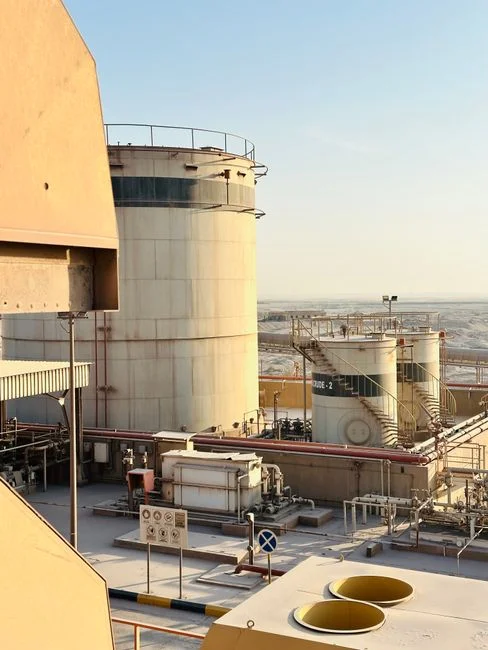
The direct comparison is a contaminant-routing decision, not a contest between tank names. DAF is designed to capture conditioned solids that can attach to microbubbles and float. A clarifier relies on gravity settling; lamella plates assist separation by increasing effective settling area within the tank footprint. Both require a complete solids-management plan.
| Procurement factor | Dissolved air flotation | Lamella clarifier |
|---|---|---|
| Separation mechanism | Conditioned solids attach to microbubbles, float, and are removed by a skimmer; heavier solids collect at the bottom. | Solids settle under gravity; inclined lamella plates assist solids capture and can reduce required separation area. |
| Best-fit contaminants | Oils, grease, colloids, suspended solids, and floatable particles, subject to conditioning and test results. | Appropriate settleable solids, sludge concentration, and recirculation applications. |
| Process dependencies | Chemical conditioning, flocculation, reliable bubble generation, skimming, and solids withdrawal. | Hydraulic design, solids withdrawal, sludge recirculation or handling, and stable blanket operation. |
| Catalog sizing references | HydropureWater DAF models are listed at 4–300 m³/h. | The HydropureWater lamella clarifier lists surface loading rates of 20–40 m/h. |
| Material options identified in sources | Clearwater standard construction is 304SS, with 316SS, polypropylene, and other materials available. | ClearFox identifies polypropylene and HDPE construction for corrosive-service applications. |
| Sludge route | Surface-skim removal plus bottom withdrawal of heavier solids. | Sludge withdrawal and recirculation; the exact configuration depends on the process design. |
| Automation | Clearwater describes automated operation; the COMPACT DAF includes controls for chemical dosing, skimmer speed, and sludge discharge. | Controls must be matched to the selected clarifier configuration and sludge-handling strategy. |
| Key procurement question | What conditioning chemicals and sludge dewatering capacity are required? | What hydraulic loading, sludge blanket, and recirculation performance will be verified? |
The flow range and surface-loading figures above are not interchangeable sizing bases. The DAF range is a catalog flow capacity, while surface loading is a clarification design parameter. A bidder should state the actual hydraulic and solids-loading basis for the proposed geometry.
Corrosion resistance must be checked against the plant’s chemistry rather than inferred from a material name. Clearwater’s April 27, 2026 source describes 304SS standard DAF construction and 316SS or polypropylene options. ClearFox’s DAF source identifies polypropylene and HDPE for corrosive service. For a candidate industrial DAF system, request material certificates and a written compatibility assessment.
Sludge handling can change the economic comparison. ClearFox claims that its DAF can produce up to twice the dry solids content of conventional systems, but that is a manufacturer-specific feature requiring project verification. Confirm actual solids concentration, chemical addition, storage, dewatering, and disposal. A sludge dewatering filter press should be evaluated only after separator performance and sludge characteristics are established.
Automation can reduce manual intervention, including chemical dosing, skimming, and sludge discharge, but controls compatibility, local maintenance access, and spare-parts strategy still affect lifecycle cost. If both floatable and settleable fractions must be removed, evaluate DAF before clarification or biological polishing rather than assuming one unit can handle both.
Build the process train before selecting a vendor
A defensible equipment request starts with the process train, not an isolated vessel. The logical sequence may include collection and equalization, screening where needed, oil and solids equalization, pH control, chemical conditioning, flocculation, DAF or clarification, sludge handling, and downstream polishing where required. The fabricated-metals wastewater sewer-limit guide is useful for identifying the receiving requirements that should be checked with the local authority.
Request average and peak flow, batch-discharge information, operating schedule, suspended solids, settleable solids, oils and grease, pH, metals, conductivity, temperature, and the applicable discharge or sewer-pretreatment criteria. These inputs determine whether equalization is adequate, whether the separator must handle batch loads, and whether additional treatment is necessary.
Map each waste stream first. Identify streams that can be segregated for recovery or pretreatment and streams that require combined treatment. Avoid averaging incompatible waste streams before making the segregation decision. A high-oil coolant stream that can be recovered separately may change both the DAF duty and the downstream sludge volume.
Evaluate sludge quantity, expected solids concentration, chemical addition, storage, dewatering, and disposal as one package. The separator determines how much solids must be handled, while conditioning and pH control affect the resulting sludge. If the plant needs automated chemical feed, include an automatic chemical dosing system in the scope rather than treating it as an accessory.
Neither a DAF nor a clarifier is regulatory approval. The final train must be matched to the receiving authority’s applicable criteria, and any biological or other polishing step must be assessed for the contaminants remaining after physical separation. Make that compliance boundary explicit in the purchase specification.
Size, test, and verify performance before the purchase order
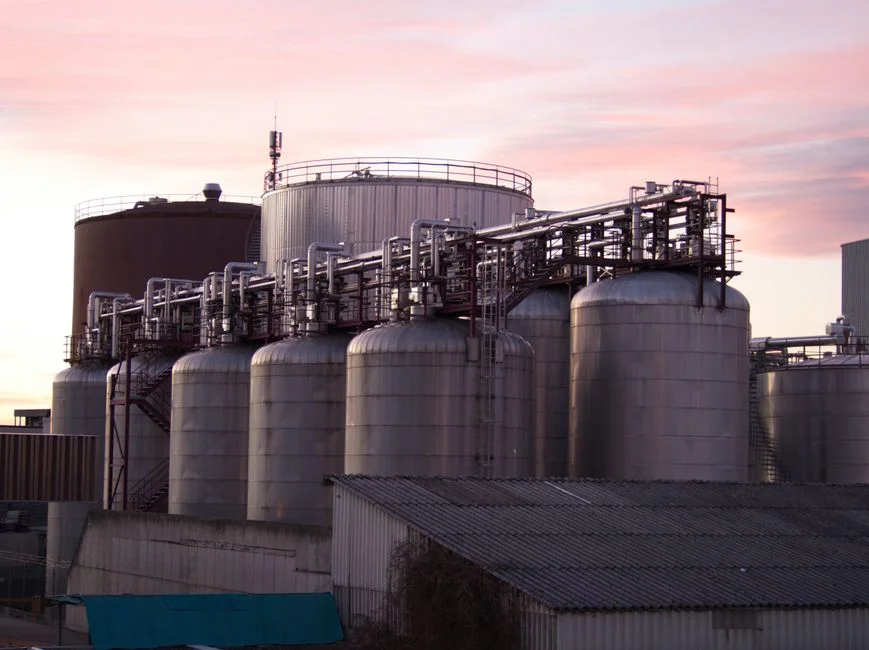
Representative testing should precede final sizing because flow rate alone does not define the duty. Characterize routine production discharge and the highest credible batch or wash-down event. The sampling plan should identify how flow variation, solids loading, oil content, and pH change over the operating cycle.
For DAF, use jar testing to evaluate chemical conditioning and flocculation before committing to an operating concept. The EPA manual discusses chemical coagulation, flocculation, and solids-characterization methods, including jar-test equipment and settling curves, in its January 1975 Process Design Manual for Suspended Solids Removal. A DAF trial should then verify solids capture, oil and grease removal, float withdrawal, bottom-solids removal, and effluent response under representative flow and chemical conditions. The flotation mechanism for the trial equipment should be matched to the selected industrial DAF system.
For a clarifier, verify settleable-solids capture, sludge-blanket behavior, recirculation stability, and clarified effluent quality. These are operating requirements, not optional features. The final proposal should show how the selected geometry responds to the plant’s flow and solids profile.
| Verification item | Evidence to request before purchase order |
|---|---|
| Wastewater characterization | Flow record, batch schedule, suspended solids, settleable solids, oils and grease, pH, metals, conductivity, temperature, and applicable criteria. |
| DAF performance trial | Measured solids and oil removal, float and bottom-sludge withdrawal, chemical dose, and effluent response under representative duty. |
| Clarifier performance trial | Measured settleable-solids capture, clarified effluent quality, blanket stability, and recirculation behavior. |
| Proposal comparison | Design-flow range, hydraulic loading, chemical consumption, materials, controls, skid arrangement, installation requirements, maintenance access, and sludge-disposal implications. |
| Modular configuration | Clearwater’s COMPACT DAF is described as one skid for flows of 66 GPM or less and two skids for larger flows; require the bidder to confirm the actual configuration. |
Compare bidders on measured duty, not headline capacity. Include operating labor, chemical consumption, controls integration, maintenance access, utilities, and downstream solids handling. A lower equipment price that omits equalization, sludge dewatering, or required polishing is not a lower treatment-train cost.
Make the 2026 decision with a clear decision path
Use this sequence for the internal capital-project review:
- Identify the compliance-critical fractions. If floatable oils, grease, colloids, or low-buoyancy solids must be removed, prioritize DAF evaluation.
- Identify the settleable fraction. If gravity-settleable solids dominate or sludge recirculation has a defined operating value, include a lamella clarifier for settleable solids in the evaluation.
- Determine whether both fractions must be removed. If so, price a DAF-plus-clarifier train and any required downstream polishing rather than forcing a single unit to solve every contaminant.
- Reject incomplete proposals. Require flow variation, wastewater characterization, chemical-conditioning assumptions, sludge-disposal details, and receiving-authority requirements.
- Validate before final sizing. Use representative testing to confirm the selected process train before issuing the purchase order.
The defensible answer for a Knoxville fabricated-metals plant is therefore conditional: DAF leads when floatable pollutants dominate; clarification leads when settleable solids dominate; and a combined train is often the correct response when both fractions matter. The equipment decision should remain open until the plant’s waste streams and performance duty are documented.
Frequently Asked Questions
What is the cost difference between DAF and a clarifier for fabricated-metals wastewater?
There is not a defensible generic price difference in the supplied research. Request a full-scope quote covering equalization, screening, pH control, chemical dosing, flocculation, the separator, controls, installation utilities, sludge storage and dewatering, and any downstream treatment. The most useful budget comparison is lifecycle scope and chemical consumption, not the separator vessel alone.
How should a buyer select a DAF or clarifier supplier?
Require an application-specific proposal based on wastewater characterization, flow variation, proposed process train, equipment materials, controls integration, service scope, installation requirements, and measurable performance criteria. For sludge-related decisions, also require the supplier to state how collected solids will be removed, stored, and prepared for disposal.
Can average flow be used to size the treatment system?
No. Average flow does not represent peak or batch discharges, equalization performance, solids loading, or oil content. Ask the bidder to evaluate average and peak flow, batch events, solids loading, and the selected equipment geometry. For the proposed DAF, verify the operating duty rather than accepting the manufacturer’s maximum flow as the design condition.
Does choosing DAF or a clarifier ensure regulatory compliance?
No. Physical treatment is not regulatory approval. Obtain the receiving authority’s applicable discharge or sewer-pretreatment criteria and write them into the performance specification. If dissolved metals or soluble organics remain, require a separate treatment assessment rather than assuming the separator will satisfy the requirement.
What information is needed to request a credible proposal and delivery plan?
Provide the wastewater analysis, average and peak flow, batch schedule, pretreatment criteria, available footprint, utility requirements, and intended sludge-disposal route. Then ask each bidder to confirm equipment configuration, controls scope, installation prerequisites, commissioning responsibilities, and schedule assumptions. These inputs are necessary for a comparable proposal; the research does not provide a general lead time that can be applied without them.