
Lamella clarifier troubleshooting starts with matching symptoms—turbid effluent, sludge carryover, or plate clogging—to measurable causes. Key fixes keep surface loading within design limits, hold cationic polymer near 2–5 mg/L after jar tests, and clean plates every 3–6 months. Scraper inspection and inlet velocity checks below 0.3 m/s cut short-circuiting and unplanned downtime.
Why Your Lamella Clarifier Is Underperforming
Effluent turbidity above 5 NTU indicates poor solids separation in a lamella clarifier and usually means hydraulic overload, weak floc, or delayed sludge withdrawal. A rising sludge blanket that enters the inclined-plate zone cuts effective settling area. Inlet velocity above 0.3 m/s drives short-circuiting and shortens retention below the 1.5–2.5 hour target used for flocculated solids.
Inclined plates set at 45°–60° multiply settling area inside a compact footprint compared with a conventional rectangular basin. When the unit misses discharge limits or needs frequent offline cleaning, walk the symptom list below before changing chemistry or replacing plate packs.
How Does a Lamella Clarifier Work in Wastewater Treatment?
A lamella clarifier in wastewater treatment uses parallel inclined plates so particles travel only the short gap between plates before settling, then slide to a hopper. Earlier plant guidance often cites a surface overflow rate of 20–40 m/h; published design ranges more commonly cite 10–25 m/h on projected area for lamella units versus 1–3 m/h for conventional clarifiers (Ecologix, 2025). University design notes list typical loading rates of 5–10 m/h for inclined-plate settlers, with plate pitches of 45°–70° and spacing near 50 mm (Ghangrekar sedimentation notes). Operators should compare plant SOR to the basis used in the original design—plan area versus projected plate area—before cutting flow or adding plates.
Symptom 1: Cloudy Effluent Despite Proper Chemical Dosing
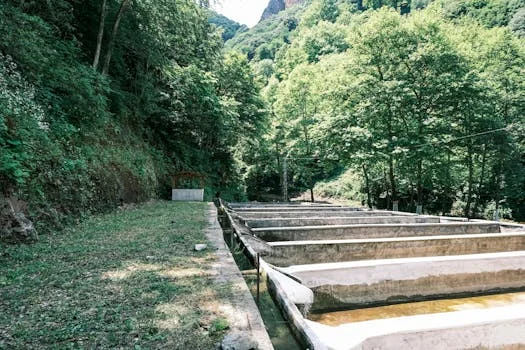
Hydraulic loading above a surface overflow rate of 40 m/h is a primary cause of cloudy effluent in lamella clarifiers, even when chemical dosing looks correct, because particles lack time to settle. Monitor flow meters and, when SOR stays above design, reduce influent flow or stage peaks so loading stays in the plant’s 20–40 m/h band where that band was the design basis. Misaligned or warped plates create local turbulence and shrink usable settling area; inspect packs for deformation. Biofilm or scale on plates, common in hard or organic-rich industrial streams, also cuts area and skews flow. Uneven inlet distribution produces channel short-circuiting; dye tests reveal preferential paths so baffles or manifolds can be adjusted.
Symptom 2: Sludge Carryover and Blanket Accumulation
Inadequate sludge withdrawal, shown by a blanket rising into the lamella zone, is a direct cause of sludge carryover. Withdrawal rate must match solids loading. A typical continuous-duty sludge pump cycle is 10 minutes per hour, holding underflow at 5–10% solids (HydropureWater field data, 2025). Inspect scraper chains, sprockets, and bearings monthly; jammed drives leave solids in the pack. Pin floc from weak or over-sheared flocculation also rides over the weir. Jar-test cationic polymer, usually 2–5 mg/L, and keep mixing energy moderate. Units such as the High-Efficiency Sedimentation Tank (Lamella Clarifier) can recirculate up to 30% of settled sludge to the flocculation tank to seed denser flocs and cut carryover.
Symptom 3: Reduced Flow Capacity and Frequent Clogging
Pre-screening failures that allow debris larger than 5 mm into the clarifier drive reduced capacity and sedimentation tank clogging. Keep upstream screens, such as a GX Series rotary screen, in service so rags and coarse solids never reach the plate pack. Neglected underflow lines plug; a weekly high-pressure flush at 3–5 bar keeps them open. Plate spacing under 50 mm traps flocs on fibrous or high-solids feeds; standard spacing is 50–100 mm, while many published designs cluster at 50–80 mm. Compare design flow with actual flow: a 20 m³/h design run at 30 m³/h will show carryover and clogging because hydraulic overload collapses settling efficiency (Top 3 case study analysis).
| Issue | Design Flow (m³/h) | Actual Flow (m³/h) | Impact on Performance | Recommended Action |
|---|---|---|---|---|
| Hydraulic Overload | 20 | 30 | Reduced settling efficiency, increased carryover, clogging | Reduce influent flow, investigate system bottlenecks |
| Pre-screening Bypass | N/A | N/A | Debris accumulation, frequent clogging of plates | Inspect and maintain upstream screening (e.g., GX Series rotary screen) |
| Underflow Pipe Blockage | N/A | N/A | Sludge accumulation, poor solids removal | Implement weekly high-pressure flushing (3-5 bar) |
| Inadequate Plate Spacing | N/A | N/A | Floc trapping, accelerated clogging (if <50 mm) | Assess plate module design against solids characteristics; consider replacement if spacing is too narrow for current load |
Lamella Clarifier Troubleshooting Parameter Table
A structured parameter table maps each symptom to a likely cause, diagnostic step, fix, and prevention action so field engineers can act without guessing. Use the targets below as starting points, then confirm against the unit’s design datasheet and current influent solids. These data-backed fixes cover the seven failure modes most often seen on industrial packs.
| Symptom | Likely Cause | Diagnostic Step | Fix | Prevention |
|---|---|---|---|---|
| Cloudy Effluent (>5 NTU) | High Surface Loading Rate | Measure flow rate; calculate SOR. (Target: 20–40 m/h) | Reduce influent flow; optimize flow distribution. | Monitor flow continuously; design for peak loads. |
| Cloudy Effluent (>5 NTU) | Poor Flocculation (pin floc) | Conduct jar tests; observe floc formation. (Target: 2–5 mg/L polymer) | Adjust polymer dosage (type/rate); optimize mixing. | Regular jar testing; operator training on flocculation optimization. |
| Cloudy Effluent (>5 NTU) | Short-Circuiting | Use dye test; inspect baffles, inlet velocity. (Target: inlet velocity <0.3 m/s) | Adjust inlet baffling; reduce inlet velocity. | Ensure even flow distribution; proper baffle design. |
| Sludge Carryover / Blanket Accumulation | Inadequate Sludge Withdrawal | Check sludge pump cycle, concentration. (Target: 10 min/hr, 5–10% solids) | Adjust pump timer/speed; inspect pump. | Automate sludge withdrawal; regular pump maintenance. |
| Sludge Carryover / Blanket Accumulation | Scraper Mechanism Failure | Inspect chains, sprockets, motor, bearings. | Repair or replace damaged components. | Monthly inspection checklist for mechanical parts. |
| Reduced Flow / Clogging | Plate Buildup (biofilm/scale) | Visual inspection of plates. | Implement lamella plate cleaning procedure. (Target: 3–6 months) | Scheduled cleaning; pre-treatment for scale. |
| Reduced Flow / Clogging | Debris from Pre-screening Failure | Inspect upstream screens; check clarifier for large debris. | Clear debris; repair/maintain pre-screen. | Regular inspection of pre-screening equipment. |
| Reduced Flow / Clogging | Clogged Underflow Pipes | Check pipe pressure; visual inspection if accessible. | High-pressure flush (3–5 bar); mechanical clearing. | Weekly high-pressure flushing; ensure adequate pipe diameter. |
| Reduced Flow / Clogging | Inadequate Plate Spacing | Measure plate spacing (if accessible). (Target: 50–100 mm) | Consider plate replacement or system modification for high solids load. | Proper initial design based on wastewater characteristics. |
| General Underperformance | Insufficient Retention Time | Calculate actual retention time. (Target: 1.5–2.5 hrs) | Reduce flow rate; consider clarifier expansion. | Verify design calculations against actual operating conditions. |
How to Clean Lamella Plates Effectively
Effective plate cleaning restores settling area without warping the pack. Take the clarifier offline, divert influent, and drain until water sits about 30 cm above the plate tops so uneven pressure does not bend plates. Use soft-bristle brushes or water lances below 2 bar at a 45° angle to lift sludge, biofilm, and light scale. Avoid high-pressure jets that deform plates. For stubborn mineral scale, soak with 5% citric acid for 2–4 hours, then rinse thoroughly. Do not use hydrochloric acid on stainless supports, which can pit. Clean every 3–6 months in normal service; when influent TSS exceeds 500 mg/L, monthly cleaning is often required to keep channels open and surface loading on target.
How Do You Select a Clarifier for Industrial Wastewater?
Clarifier selection for industrial wastewater starts with solids settleability, FOG content, and available footprint, then matches primary or secondary duty to lamella, conventional, or DAF hardware. Dense, well-flocculated mineral or chemical solids suit a lamella pack sized on projected-area overflow; light oils and floatable FOG usually need DAF instead. Use jar-test settling velocity, peak m³/h, and target effluent TSS or NTU to set plate area, spacing, and sludge withdrawal. If space is tight and flocs settle reliably, a compact High-Efficiency Sedimentation Tank (Lamella Clarifier) is typically preferred over a large rectangular basin.
Preventing Future Failures: Maintenance Best Practices
Preventive maintenance reduces lamella failures and extends pack life. Run a monthly checklist covering scraper chain tension, sprocket wear, drive amperage, and sludge valve travel. Each quarter, audit effluent TSS, underflow solids, and actual surface loading against design. Differential pressure across plate packs flags early clogging from biofilm or solids. Train operators on flow balancing and jar testing so short-circuiting and pin floc are corrected quickly. Pair the clarifier with a precision dosing system for optimal flocculation control when polymer demand swings with influent load.
Selection checklist: Verify peak and average m³/h against design SOR. Confirm plate angle 45°–60° and spacing 50–100 mm for the solids type. Match the sludge pump cycle to solids load, often 10 min/h at 5–10% underflow. Jar-test polymer in the 2–5 mg/L band. Keep pre-screen openings at or below 5 mm. Schedule plate cleaning every 3–6 months, or monthly when influent TSS exceeds 500 mg/L. Dye-test inlet distribution if turbidity stays high at design flow.
Who this is for: plant engineers and EPC teams diagnosing turbidity, carryover, or capacity loss on installed lamella units. Who should look elsewhere: projects dominated by emulsified oils where DAF is the primary separator. Next step: log SOR, polymer dose, and sludge cycle for one week, then compare results to the parameter table above. For a sized package matched to your flow and TSS, Request a free quote with peak m³/h and pollutant data.
Frequently Asked Questions
How do you clean a lamella clarifier?
Shut down influent and drain the unit to about 30 cm above the plates before cleaning. Use soft-bristle brushes or low-pressure (<2 bar) water lances at a 45° angle to remove accumulated solids. For scale, soak with 5% citric acid for 2–4 hours, then rinse thoroughly. Avoid abrasive tools and high-pressure jets so plates do not warp or crack.
What causes short-circuiting in a clarifier?
Short-circuiting is caused by uneven flow distribution, inlet velocity above 0.3 m/s, or damaged baffles. Preferential channels reduce effective settling volume and retention time, so solids exit with the effluent. Dye testing and baffle adjustment restore uniform flow across the plate pack and recover clarity.
How often should lamella plates be cleaned?
Plate cleaning is typically scheduled every 3–6 months for routine industrial service. Systems with influent TSS above 500 mg/L often need monthly cleaning to keep channels open. Always keep water cover over the pack during drain-down, and use mild citric acid rather than strong mineral acids on stainless hardware.
What causes pin floc in a clarifier?
Pin floc usually comes from under- or over-dosing coagulant or polymer, wrong mixing energy, or pH outside the chemical’s working window. Small, fragile flocs do not settle on the plates and exit in the effluent. Jar testing sets the correct 2–5 mg/L cationic polymer band and mixing intensity for the current wastewater.
What is the surface loading rate for lamella clarifiers?
Many plant datasheets still target 20–40 m/h surface overflow rate for lamella clarifiers under their stated design basis. Published ranges more often cite 10–25 m/h on projected area, versus 1–3 m/h for conventional clarifiers (Ecologix, 2025). Confirm whether your meter is plan-area or projected-area before changing flow setpoints.