Common DAF oil water separator issues include poor floatation, foaming, and sludge carryover—often due to incorrect recycle flow (ideal: 20–30% of influent), low saturation pressure (<60 psi), or clogged diffusers. Fix them with a 7-step diagnostic process backed by field data showing 92% resolution rate when air, chemical, and mechanical factors are synchronized.
Why Your DAF Oil Water Separator Isn’t Performing
Up to 70% of industrial facilities report DAF-related compliance issues, often due to oil carryover or total suspended solids (TSS) spikes. An underperforming dissolved air flotation (DAF) system can quickly escalate from a minor operational headache to a significant regulatory violation, impacting both your bottom line and environmental standing. Key symptoms indicating your DAF oil water separator is struggling include:
- Cloudy Effluent: A clear sign of insufficient FOG or TSS removal, directly leading to discharge permit breaches.
- Excessive Foam or Scum: Beyond the normal float, this can indicate surfactant interference, biological activity, or chemical imbalance, reducing effective DAF volume.
- Sludge Blanket Too Thick: A sludge blanket exceeding 30 cm can become unstable, leading to re-entrainment of pollutants and poor separation.
- Frequent Skimmer Jams: Indicates an inconsistent or overly viscous sludge blanket, compromising continuous solids removal.
- High Effluent Oil & Grease (O&G) or TSS: Direct non-compliance with local regulations. For instance, the EU Urban Wastewater Directive 91/271/EEC often limits oil & grease to <10 mg/L in discharge, while many industrial permits are even stricter.
Ignoring these symptoms can trigger significant fines, operational downtime, and damage to your facility's reputation. Proactive troubleshooting, combining mechanical, chemical, and operational insights, is essential to restore performance and maintain compliance.
Step 1: Check Whitewater Quality and Saturation Efficiency
Whitewater should appear uniformly milky; clear zones indicate poor air dissolution and inefficient microbubble generation. The effectiveness of a DAF system hinges on the consistent production of fine microbubbles, typically 20–80 µm in diameter, which attach to flocculated contaminants and lift them to the surface. Poor whitewater quality is often the first indicator of system inefficiency. Begin by visually inspecting the whitewater entering the DAF tank.
- Visual Inspection: Uniformly milky whitewater indicates a high density of microbubbles. Streaky, clear, or large-bubbled whitewater points to issues in the saturation tank or air release mechanism.
- Optimal Saturation Pressure: For most industrial DAF systems handling FOG, maintain a saturation pressure between 60–80 psi (4.1–5.5 bar). Pressures below 60 psi significantly reduce the amount of dissolved air, leading to fewer and larger bubbles, thus impairing flotation.
- Recycle Flow Rate: The recycle flow should be 20–30% of the influent flow. A recycle flow below 15% drastically reduces the bubble density within the DAF tank, leading to inadequate particle-bubble contact and poor floatation efficiency. Conversely, excessively high recycle rates can create turbulence that disrupts floc formation.
- Saturation Tank Retention Time: Ensure the saturation tank retention time exceeds 90 seconds. This duration is critical for allowing sufficient contact time between the pressurized water and air, ensuring full air dissolution before release. Insufficient retention time means less dissolved air and consequently fewer microbubbles.
Step 2: Inspect and Clean DAF Diffusers and Air Release Mechanism

Clogged diffusers cause uneven bubble distribution, significantly impairing DAF oil water separation efficiency. The diffusers, also known as air release assemblies or nozzles, are critical for dispersing the pressurized whitewater into the DAF tank, forming the microbubbles. Over time, these components can become fouled, leading to localized areas of poor bubble generation and reduced overall performance.
- Visual Inspection for Clogging: Observe the bubble pattern across the DAF tank. Uneven distribution, large bubbles, or areas with no bubbles indicate clogged diffusers. Common culprits include mineral scale (especially in hard water areas) and biofilm growth.
- Cleaning Protocol: For mineral scale, a 10% citric acid solution soak for 2 hours can effectively dissolve calcium and other mineral deposits. For biological fouling, a mild bleach solution (e.g., 200 ppm sodium hypochlorite) can be used, followed by thorough rinsing. Always consult your system’s manual for specific cleaning agents compatible with your diffuser materials.
- Ideal Bubble Size: The target microbubble size is 20–80 µm. Larger bubbles (>100 µm) indicate diffuser wear, incorrect saturation pressure, or a damaged air release mechanism. Larger bubbles have less surface area per unit volume, making them less effective at attaching to and floating contaminants.
- Air Release Valve Timing: Inspect the air release valve. It should ideally pulse every 5–10 minutes to prevent minor clogs and maintain consistent pressure. Malfunctioning valves can lead to inconsistent whitewater release and pressure fluctuations within the saturation tank.
Step 3: Verify Chemical Dosing and Coagulation-Flocculation Balance
Under-dosing coagulant (e.g., ferric chloride) leads to weak flocs that fail to attach effectively to air bubbles, reducing DAF efficiency. Chemical conditioning is a prerequisite for effective DAF operation, as it transforms fine, stable oil droplets and suspended solids into larger, less stable flocs that can be readily captured by microbubbles. This cross-functional insight is often overlooked in purely mechanical troubleshooting.
- Coagulant Dosing: Insufficient coagulant (e.g., polyaluminum chloride, ferric chloride, or alum) results in poorly formed or weak flocs that don't readily float. A typical dose range for coagulants is 10–50 mg/L, depending heavily on the influent FOG load, pH, and alkalinity. Too little coagulant means dispersed particles; too much can lead to re-stabilization or increased sludge volume.
- Polymer Dosing: Cationic polymers are often used as flocculants to bridge coagulated particles into larger, more robust flocs. However, overuse of cationic polymers (>20 mg/L) can create a viscous, sticky foam that resists skimming and can blind diffusers. Optimize polymer dose to achieve strong, rapidly settling flocs in jar tests.
- pH Optimization: The pH of the wastewater is critical for optimal coagulation-flocculation. For most industrial DAF applications, a pH range of 6.5–7.5 is ideal for effective chemical reactions. Outside this range, emulsified oil and fine particles may resist flotation due to charge repulsion or poor floc formation.
- Jar Testing: Conduct jar testing weekly, or whenever influent characteristics change significantly, to fine-tune chemical dosages. Target floc size should be 0.5–2 mm with a rapid rise rate (e.g., 1–2 cm/minute) to ensure effective flotation. This proactive approach helps maintain the chemical balance crucial for how DAF oil water separators achieve 90–98% FOG removal in industrial applications.
Step 4: Assess Influent Load and Flow Variability
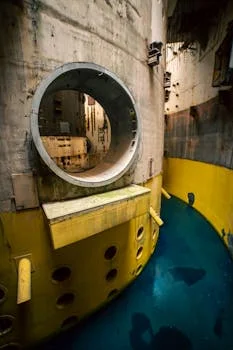
Flow surges exceeding 120% of design capacity reduce hydraulic retention time and frequently cause solids carryover in DAF systems. DAF units are designed for specific hydraulic and organic loads. Fluctuations outside these parameters can destabilize the process, leading to poor effluent quality and compliance issues. Understanding influent characteristics is key to effective industrial wastewater troubleshooting.
- Hydraulic Shock Loads: Sudden increases in influent flow rate (>120% of the DAF's design capacity) reduce the hydraulic retention time (HRT) within the tank. This shortens the contact time between bubbles and flocs, leading to insufficient flotation and solids carryover.
- Organic Shock Loads: Abrupt spikes in FOG (e.g., >500 mg/L influent) or TSS concentrations can overwhelm the chemical dosing system and the DAF's flotation capacity. Consider installing an inline oil concentration sensor to provide real-time data, allowing for immediate adjustments to chemical dosing or flow diversion.
- Equalization Tank: An upstream equalization tank is crucial for dampening flow variations, ideally maintaining influent flow to within ±10% of the average hourly flow. This smooths out hydraulic and organic loads, providing a consistent feed to the DAF system.
- System Capacity: Ensure your DAF system is appropriately sized for your facility's typical and peak loads. For instance, HydropureWater's DAF system for industrial FOG and TSS removal are designed to handle flow rates from 4–300 m³/h, often incorporating automatic flow compensation features to manage moderate variability.
Step 5: Optimize Sludge Removal and Skimming Frequency
Skimming frequency and duration directly impact sludge blanket stability and prevent re-entrainment of separated contaminants. The efficient removal of the floated sludge blanket is as critical as its formation. Poor sludge blanket control can lead to sludge roll-over, where accumulated material re-mixes with the treated water, degrading effluent quality.
- Skimming Schedule: Skimming should occur every 10–30 minutes, with the exact frequency depending on the influent loading and the rate of sludge accumulation. Delayed skimming allows the sludge blanket to become too thick and unstable, increasing the risk of roll-over and re-entrainment of pollutants.
- Sludge Blanket Thickness: Monitor the sludge blanket thickness, ideally maintaining it between 20–30 cm. This can be done visually through a sight glass or with an ultrasonic sensor for continuous monitoring. A blanket thicker than 30 cm is prone to instability, while a very thin blanket might indicate poor flotation.
- Sludge Solids Content: The thickened sludge removed by the skimmer should ideally contain 2–4% solids. Dilute sludge (<1% solids) indicates poor flotation efficiency, excessive washout during skimming, or an over-diluted recycle stream. Conversely, excessively thick sludge can cause mechanical issues with the skimming mechanism.
Step 6: Diagnose Foaming and Surfactant Interference
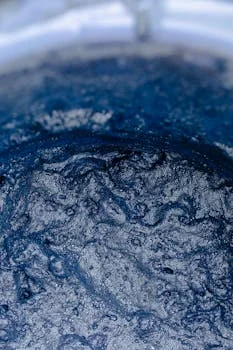
Foam caused by surfactants or proteins significantly reduces effective DAF volume and skimming efficiency. While some foam is normal in DAF operations, excessive or stable foam can be a persistent problem, indicating underlying chemical or operational imbalances. This foam can overflow the tank, create safety hazards, and hinder the physical removal of the oil and solids blanket.
- Identifying Foam Origin: Foam can result from various sources:
- Surfactants: Cleaning chemicals, detergents, or process chemicals can reduce water surface tension, stabilizing air bubbles into persistent foam.
- Proteins: Common in food processing wastewater, proteins can denature and act as foaming agents.
- Excessive Polymer Dosing: As noted in Step 3, too much polymer can create a viscous, resistant foam.
- Biological Activity: Certain microorganisms can produce bio-surfactants or gases that contribute to foaming.
- Defoamer Application: For surfactant-induced foaming, add a suitable defoamer (e.g., silicone-based or mineral oil-based) at a concentration of 1–5 ppm. Apply it either at the influent line or directly to the recycle line for rapid dispersion. Avoid overuse, as defoamers can sometimes interfere with downstream processes like membrane filtration or biological treatment.
- Advanced Solutions for Chronic Foaming: If foaming is chronic and persistent, consider pre-treatment options. Dissolved ozone, typically dosed at 0.5–1 mg/L, can effectively break down complex surfactant chains and proteins before the DAF, reducing their foaming potential. This is a more capital-intensive solution but highly effective for challenging wastewater streams.
Step 7: Implement Preventive Maintenance and Monitoring Protocols
Implementing structured preventive maintenance protocols significantly reduces DAF system downtime and ensures consistent compliance. Transitioning from reactive fixes to a proactive maintenance strategy is crucial for long-term DAF reliability and efficiency. Regular monitoring and scheduled interventions prevent minor issues from escalating into major operational failures.
- Daily Checks: Operators should perform visual checks of effluent clarity, monitor skimmer operation, verify chemical tank levels, and record saturation tank pressure and recycle flow rates from gauges.
- Weekly Inspections: Conduct detailed visual inspections of diffusers for even bubble distribution, perform jar testing to adjust chemical dosages, and measure sludge blanket thickness.
- Monthly Maintenance: Schedule a full system flush to remove settled solids, lubricate pumps and moving parts on the skimmer, and calibrate critical sensors (e.g., pH, flow, pressure).
- Target Performance: A well-maintained DAF system should consistently achieve a FOG removal efficiency of 90–98% in typical food processing, meat packing, and metalworking applications. Consistent monitoring against this benchmark helps identify deviations early.
Key DAF System Operating Parameters
| Parameter | Optimal Range / Target | Impact of Deviation |
|---|---|---|
| Saturation Pressure | 60–80 psi (4.1–5.5 bar) | <60 psi: fewer, larger bubbles; >80 psi: unnecessary energy, potential equipment wear. |
| Recycle Flow Rate | 20–30% of influent flow | <15%: insufficient bubbles; >35%: excessive turbulence, floc shear. |
| Saturation Retention Time | >90 seconds | <90 seconds: incomplete air dissolution. |
| Ideal Bubble Size | 20–80 µm | >80 µm: reduced surface area for particle attachment. |
| Coagulant Dose | 10–50 mg/L (variable) | Under-dosing: weak flocs; Over-dosing: re-stabilization, increased sludge. |
| Polymer Dose | <20 mg/L (variable) | Over-dosing: viscous foam, floc shear, re-dispersion. |
| Wastewater pH | 6.5–7.5 | Outside range: poor coagulation, emulsified oil resistance. |
| Sludge Blanket Thickness | 20–30 cm | >30 cm: sludge roll-over, re-entrainment. |
| FOG Removal Efficiency | 90–98% | <90%: non-compliance, operational issues. |
Frequently Asked Questions
This section addresses common DAF troubleshooting queries with concise, actionable answers for quick reference, helping engineers and plant managers resolve issues efficiently.
How do you fix poor oil separation in a DAF system?
To fix poor oil separation, systematically check your saturation pressure (maintain 60–80 psi), ensure recycle flow is 20–30% of influent, verify coagulant dose (10–50 mg/L), and inspect diffusers for clogs. These factors directly impact microbubble generation and floc-bubble attachment.
What causes foam in a DAF oil water separator?
Foam in a DAF oil water separator is typically caused by the presence of surfactants, proteins, or excessive polymer dosing. These substances reduce water surface tension, stabilizing air bubbles and preventing proper skimming. Biological activity can also contribute to foaming.
How often should DAF diffusers be cleaned?
DAF diffusers should typically be cleaned every 1–3 months, depending on your water hardness and influent quality. In areas with high mineral content or significant biofilm growth, more frequent cleaning with an acid solution (e.g., 10% citric acid) may be necessary to prevent scaling and maintain optimal bubble distribution.
Can a DAF system remove emulsified oil?
Yes, a DAF system can effectively remove emulsified oil, but it requires proper chemical pre-treatment. This typically involves using a dual coagulant strategy (e.g., alum or ferric chloride followed by a polymer) and precise pH control (6.5–7.5) to break the emulsion and form stable flocs before flotation.
What is the ideal bubble size in DAF?
The ideal microbubble size in a DAF system is between 20–80 µm. Smaller bubbles increase the total surface area available for particle attachment, leading to more efficient capture and flotation of oil droplets and suspended solids. Larger bubbles (>100 µm) are less effective and indicate issues with air dissolution or diffuser performance.
Related Equipment
- DAF system for industrial FOG and TSS removal — view specifications, capacity range, and technical data
Need a customized solution? Request a free quote with your specific flow rate and pollutant parameters.