What Must Be Defined Before Choosing a Shymkent Sewage Treatment System
Domestic sewage treatment in Shymkent should be selected from measured project requirements rather than a generic package size. Start with wastewater composition, design flow, discharge requirements, local operating conditions, available space and the intended reuse or discharge route. For decentralized domestic sewage, a buried A/O package plant is a strong starting point when simplicity and compactness are priorities; the HydropureWater WSZ combines biological contact oxidation, sedimentation and disinfection in one unit, covers 1–80 m³/h and can operate automatically without an on-site operator. An MBR is the higher-performance alternative where very low solids or water-reuse requirements justify more complex treatment.
The project boundary determines the quality of the selection. A residential community has a different hydraulic profile from a hotel, hospital, factory or rural site. Factory drainage can introduce process contaminants that are absent from domestic sewage, while infiltration can dilute the wastewater without reducing the pollutant load. The receiving route and intended reuse must also be established before comparing equipment, because a discharge solution and a reuse solution have different treatment and verification obligations.
WTE.KZ identifies water analysis, wastewater composition, flow rate, discharge requirements and local operating conditions as the basis for selecting a Shymkent solution. For this application, domestic wastewater treatment in Shymkent should be based on a sampling plan and a flow study rather than an assumed design value. The sampling plan should identify where domestic sewage enters the system, whether stormwater or groundwater is present, and whether any industrial streams are included.
The Shymkent drainage study reports wastewater containing hazardous substances including petroleum products and describes surface runoff and rainwater entering watercourses after rainfall (International Journal of ADVANCED AND APPLIED SCIENCES, 2017). That finding makes source separation and pretreatment screening important project questions: a package designed for domestic sewage should not silently absorb industrial contamination or uncontrolled stormwater.
| Input | What the buyer must establish | Why it affects selection |
|---|---|---|
| Project boundary | Residential, hotel, hospital, factory, rural site, or mixed development | Sets the wastewater character, flow pattern and pretreatment scope |
| Wastewater composition | Sampling plan and laboratory analysis | Determines biological suitability, screening, equalization and contaminant controls |
| Design flow | Average, peak, seasonal and operational demand | Defines the preliminary hydraulic duty and equipment arrangement |
| Receiving route | Discharge point, authority requirements, or intended reuse | Sets the treatment objective and required demonstration |
| Installation conditions | Space, depth, soil, groundwater, access, power and utilities | Controls buried installation, civil works, logistics and maintainability |
For a wider view of equipment concepts, see the comparison of A/O, MBR and decentralized sewage treatment systems. It is a reference for process selection, not a substitute for Shymkent project data.
How the Domestic Treatment Process Fits Together
A domestic sewage process can be organized as a controlled sequence: inlet and screening, biological treatment, solids separation, disinfection, and final effluent handling. Pretreatment should be added only where the wastewater analysis or site conditions justify it. A standard domestic package may assume a relatively consistent stream; factories, mixed-use developments and sites with stormwater ingress may need oil removal, additional screening, flow equalization or source controls.
The WSZ sequence combines anoxic and aerobic A/O biological contact oxidation, followed by sedimentation and disinfection, within one buried package. The verified HydropureWater catalog describes this arrangement as fully automated, with no on-site operator required, and gives a treatment capacity range of 1–80 m³/h (HydropureWater verified product catalog, accessed 2026). Its relevant engineering characteristics are the combination of biological treatment, solids separation and disinfection in a compact installation.
The MBR sequence uses activated sludge followed by submerged PVDF membrane separation. In the integrated MBR wastewater treatment system, biological treatment and membrane filtration form a higher-separation route. The underground WSZ A/O sewage treatment plant instead centers on a simpler package arrangement suited to projects where compactness and automatic operation are the primary considerations.
Academic research on vermifiltration describes decentralized treatment as efficient, viable, requiring less expertise and suitable for semi-arid regions (IntechOpen, “Application of Vermifiltration for Domestic Sewage Treatment,” 2022). The specific relevance for Shymkent is not that the same process is automatically suitable, but that decentralized treatment can be considered where a centralized sewer connection is impractical. The process choice still depends on the required effluent quality and the ability to operate and verify the system.
Basic compliant discharge, odor control, preparation for restricted discharge and water reuse are different objectives. A reuse application should be defined by its end use and water-quality criteria before equipment selection begins; otherwise, a supplier may price a general discharge package when the project actually requires additional treatment and verification.
A/O Package Plant or MBR: Which Fits the Shymkent Project?
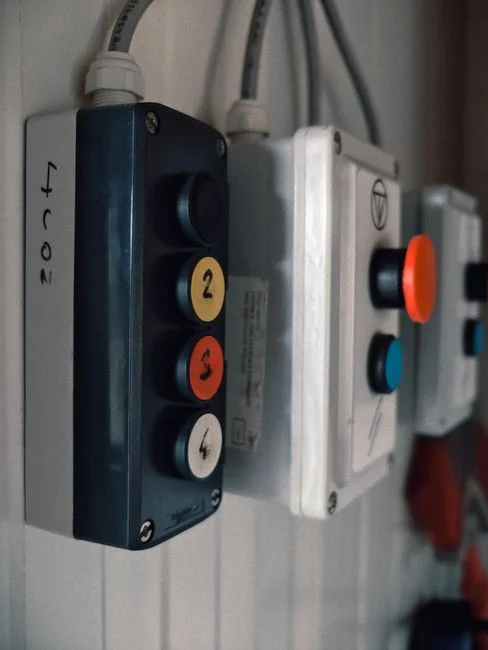
The WSZ is the more direct package option when the confirmed requirement is compact domestic treatment with automatic operation, while the MBR should be evaluated when very low suspended-solids separation or reuse-oriented treatment is the priority. This distinction is a screening rule, not a substitute for project-specific process design.
The verified HydropureWater catalog gives the WSZ a capacity range of 1–80 m³/h. It can be installed below grade with landscaping above it or mounted on a trailer for mobile deployment (HydropureWater verified product catalog, accessed 2026). These options make the system relevant to residential communities, hotels, hospitals, factories and rural sites, but the suitable configuration still depends on flow, treatment duty, soil, groundwater and installation access.
The integrated MBR system is published for 10–2,000 m³/day, with filtration below 1 μm and a footprint stated as 60% smaller than conventional systems (HydropureWater verified product catalog, accessed 2026). For the DF flat-sheet module, the published basis is a 0.1 μm pore size, 80–225 m² configurations and production of 32–135 m³/day per configuration. Its published energy claim is 10–20× lower than external cross-flow systems (HydropureWater verified product catalog, accessed 2026). These are catalogue claims and should be checked against the supplier’s proposed duty point and acceptance protocol.
The DF module is available as a flat-sheet membrane bioreactor module for the project design. It should not be selected solely by nominal capacity. The buyer must compare membrane area and configuration, biological tank volume, aeration, solids handling, control scope, cleaning arrangements and the treatment duty established for the project.
Neither route should be treated as universally preferable. An A/O package may require additional solids separation or advanced treatment if the effluent target or reuse specification demands it. An MBR may introduce membrane maintenance, operator capability and whole-life complexity that a project cannot support. These are reasons to request a process basis and guaranteed duty point, not reasons to reject either process before clarification.
| Decision factor | WSZ A/O package | MBR system |
|---|---|---|
| Published capacity | 1–80 m³/h | 10–2,000 m³/day |
| Process arrangement | A/O biological contact oxidation, sedimentation and disinfection in one buried unit | Activated sludge with submerged PVDF membrane filtration |
| Published filtration basis | Not stated in the supplied WSZ catalogue evidence | Below 1 μm for the integrated system; 0.1 μm flat-sheet DF modules |
| Published footprint basis | Buried or trailer installation; no comparative footprint figure supplied | Stated as 60% smaller than conventional systems |
| Automation | Fully automated; no on-site operator stated | Project-specific controls and operation scope require supplier confirmation |
| Best preliminary fit | Compact, automatic domestic package where the confirmed treatment objective is met | Very low solids separation or reuse-oriented treatment where added process complexity is justified |
The numerical ranges and stated performance above come from the HydropureWater verified product catalog accessed in 2026; the buyer should request project-specific confirmation rather than rely on catalogue limits alone.
Build a Preliminary Capacity and Layout Concept
A defensible preliminary concept starts with a flow schedule, not a package model. The schedule should describe the contributing population or facility, average demand, peak demand and seasonal or operational peaks relevant to the development. The design flow should also identify whether the proposed flow is a measured project input, a calculated value from an agreed demand basis or a supplier assumption. Final sewage treatment plant sizing requires that distinction to remain visible in the drawings and quotation.
Next, use the wastewater composition to determine whether biological contact oxidation is appropriate and whether screening, oil removal, equalization or other pretreatment is required. The Shymkent drainage study’s report of petroleum products in wastewater and runoff entering watercourses supports a source-control and pretreatment check (International Journal of ADVANCED AND APPLIED SCIENCES, 2017). It does not establish that every Shymkent project has the same contamination profile. A mechanical rotary bar screen may be relevant for inlet control; whether an oil-removal or dissolved air flotation unit is necessary depends on the analysis.
Check the footprint against the published WSZ range of 1–80 m³/h and the MBR system range of 10–2,000 m³/day, but leave final selection to hydraulic and process design. For the WSZ, evaluate excavation depth, groundwater, soil-bearing conditions, cover requirements, landscaping, ventilation and maintenance access. A buried configuration can reduce visible equipment footprint, but excavation and civil risks remain part of the installation scope.
For the MBR, evaluate the required treatment modules, aeration, membrane installation, sludge handling, control system, membrane-washing arrangements and safe access. Final dimensions require supplier process drawings. The buyer should request a civil-interface drawing that shows how the treatment train, access routes, utilities and effluent or sludge connections fit within the available site.
| Layout issue | WSZ A/O package check | MBR system check |
|---|---|---|
| Hydraulic basis | Confirm the proposed unit within the published 1–80 m³/h range and against the project flow schedule | Confirm the proposed train within the published 10–2,000 m³/day range and against the project flow schedule |
| Installation | Excavation, burial depth, soil, groundwater and access covers | Module arrangement, aeration, membrane access, washing and sludge handling |
| Site interface | Landscaping, ventilation, lifting and maintenance access | Equipment access, utilities, controls, washing and safe working clearances |
| Documentation needed | Buried-unit general arrangement and civil-interface drawing | Process flow, general arrangement and membrane-system drawing |
Discharge, Reuse and Sludge Management Cannot Be Left for Installation
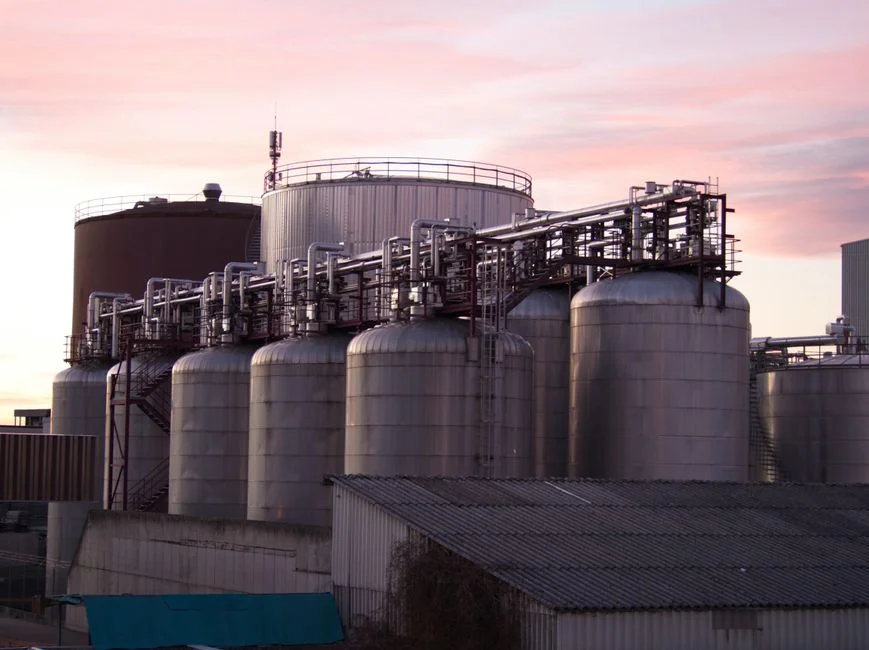
The receiving environment and applicable discharge requirements must be confirmed with the relevant authority before the treatment concept is frozen. The supplied research does not establish a current Shymkent permit limit or a reuse standard for this project. A supplier quotation should therefore identify the standards and acceptance criteria proposed by the supplier, while the buyer separately confirms the regulatory route.
The Shymkent drainage study gives a technical reason to examine source control. It reports hazardous substances including petroleum products in urban wastewater and discusses the contribution of runoff and rainwater to watercourse inflows (International Journal of ADVANCED AND APPLIED SCIENCES, 2017). The design implication is that the treatment boundary should distinguish domestic sewage from runoff, groundwater infiltration and industrial contamination where those streams exist. Treating the entire combined flow as ordinary domestic sewage can change hydraulic loading and contaminate the biological process.
Sludge or residual-solids handling belongs in the equipment scope. A treatment process cannot be evaluated independently from what happens to separated material. The supplier should state whether sludge removal, thickening, dewatering, storage and disposal are included, together with the expected operating tasks. Where a plate-and-frame filter press or high-efficiency sedimentation tank is proposed, its role and performance must be connected to the project’s solids balance rather than treated as an optional accessory.
For reuse, define the end use and required water quality before selecting A/O or MBR. The request for proposal should distinguish unrestricted discharge, restricted discharge and reuse, and should ask the supplier to state what additional treatment, monitoring and verification are assumed for each route. Research on soil-based pretreatment in the wider Kazakhstan context emphasizes the separation of wastewater sources and the consequences of increasing sewage volumes (Bulletin of Korkyt Ata Kyzylorda University, 2023). That is background for source separation and pretreatment planning, not evidence that one soil-based design applies to every Shymkent site.
Turn the Technical Brief into a Supplier Request
A comparable quotation begins with a controlled technical brief. Attach the wastewater analysis, flow schedule, discharge or reuse criteria, site drawing, soil and groundwater information, utilities and installation constraints. If an input is unavailable, mark it as an assumption or open item rather than allowing each supplier to fill it with a different value.
Ask each supplier for a process flow, mass-balance basis, guaranteed duty point, equipment dimensions, civil-interface drawing, control philosophy, commissioning plan, O&M tasks and spare-parts list. State the included scope for pretreatment, biological treatment, clarification, disinfection, sludge handling, odor control, instrumentation, lifting and site works. This prevents a comparison in which one quotation omits civil works or sludge disposal while another includes them.
Request performance evidence appropriate to the project duty and identify the proposed acceptance-test protocol. General catalogue claims should not be substituted for a project guarantee. Where reuse is involved, specify the parameter set, test method and authority or client acceptance route required by the confirmed water-quality criteria.
The request should also address installation sequencing, commissioning prerequisites, operator training, remote-control scope, routine maintenance intervals and support arrangements. A package that can operate automatically still requires defined inspection, maintenance and compliance oversight. The 2026 engineering guide to package A/O sewage treatment provides a useful reference for structuring these technical questions.
| Quotation package | Minimum information requested |
|---|---|
| Design basis | Wastewater analysis, flow schedule, operating scenario, discharge or reuse criteria |
| Process proposal | Process flow, mass balance, duty point, treatment sequence and included pretreatment |
| Equipment and civil interface | Dimensions, drawings, utilities, access, installation method, foundations and site works |
| Controls and maintenance | Control philosophy, automation, remote monitoring, maintenance tasks and spare parts |
| Performance and delivery | Performance evidence, acceptance protocol, commissioning plan, training, delivery and support scope |
| Residuals and downstream scope | Sludge or solids handling, disposal assumptions, effluent route and required instrumentation |
Make the Decision with a Site-Specific Scorecard
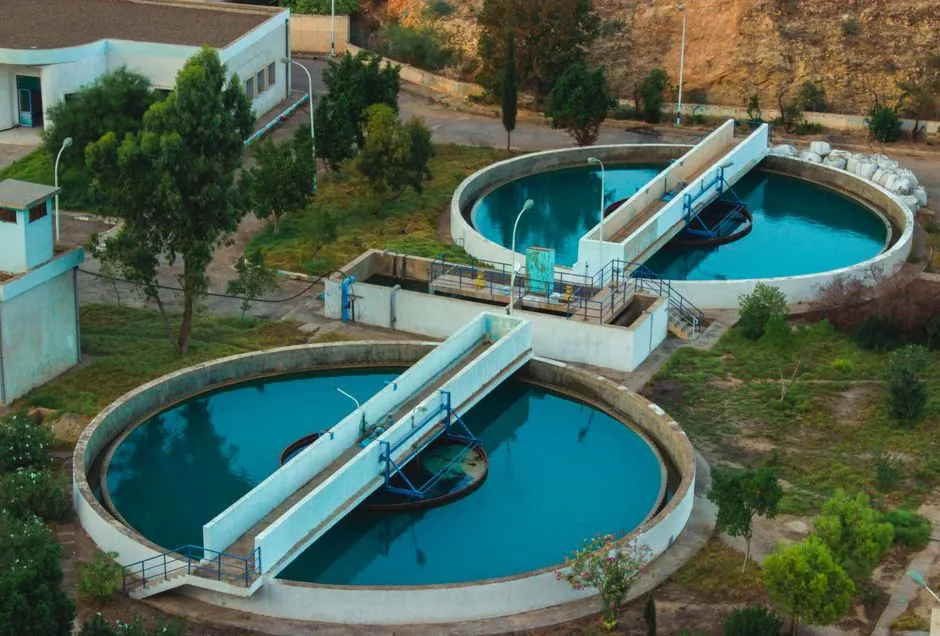
Score each proposed system against confirmed effluent requirements, flow range, footprint, installation method, automation, maintenance capability, reuse potential, project schedule and compliance risk. Prioritize wastewater fit and discharge obligations first. Footprint and automation matter, but neither compensates for a process that is unsuitable for the wastewater or fails the confirmed treatment objective.
Use the scorecard to create a shortlist rather than to announce a universal winner. For each concept, record the evidence used: confirmed inputs, catalogue data, supplier design basis, open assumptions and items requiring testing, engineering confirmation or regulatory acceptance. A proposal that only states a model and nominal capacity has not completed the selection.
Then request a priced technical proposal for the shortlist. It should include the process basis, guarantees, civil works, commissioning and O&M scope. The packaged sewage plant comparison for housing developments provides a broader reference for this type of structured comparison.
| Scorecard criterion | Question for the procurement team | Evidence to request |
|---|---|---|
| Wastewater fit | Does the proposed process address the measured wastewater and all inflows? | Analysis, sampling record and supplier process basis |
| Treatment objective | Does the proposed duty meet the confirmed discharge or reuse criteria? | Guaranteed duty point and acceptance protocol |
| Capacity | Does the selected configuration cover the agreed flow schedule? | Hydraulic calculations and equipment duty schedule |
| Installation | Can the system be installed and maintained within the site constraints? | General arrangement, civil interface and site information |
| Operations | Can the project team inspect, maintain and verify the system? | Control philosophy, O&M plan and training scope |
| Downstream scope | Are effluent and solids routes included? | Connection drawings and solids-handling scope |
| Compliance and schedule | What remains unresolved before approval or delivery? | Permit assumptions, procurement dates and project-specific guarantees |
Frequently Asked Questions
How much does a domestic sewage treatment plant cost in Shymkent?
No universal price is supported by the supplied research. A defensible quotation requires confirmed flow, wastewater analysis, treatment duty, discharge or reuse criteria, civil works and installation conditions. Request a priced bill of quantities that separates equipment, pretreatment, biological treatment, clarification, disinfection, sludge handling, controls, commissioning, civil works and site services. Also ask what assumptions trigger a price revision, such as an inlet range or soil and groundwater condition.
Should I choose an A/O package plant or an MBR for a Shymkent housing project?
Choose the A/O package as the preliminary route when a compact, fully automated system can meet the confirmed effluent objective. The WSZ is published for 1–80 m³/h and combines A/O contact oxidation, sedimentation and disinfection (HydropureWater verified product catalog, accessed 2026). Evaluate an MBR when very low solids separation or reuse requires it; the integrated MBR is published at 10–2,000 m³/day with filtration below 1 μm. The decision should be checked against the actual flow schedule, reuse criteria, maintenance capability and project footprint.
What information should I send to a sewage treatment supplier in Shymkent?
Send the wastewater analysis, flow data, discharge or reuse requirements, site drawings, soil and groundwater information, utility availability and civil-interface requirements. Include the project boundary and any stormwater, infiltration or industrial streams that could enter the system. Mark missing information clearly and request the supplier’s assumptions in the response.
How long does a packaged sewage treatment plant take to install?
The supplied research provides no installation lead time. Scheduling depends on confirmed capacity, approval status, civil works, delivery and commissioning requirements. Ask the supplier to provide a delivery and installation sequence, identify approval and civil-work prerequisites, and state whether the commissioning date is conditional on site readiness, power, connections, testing or operator training.
Can package sewage treatment plants operate without an on-site operator?
The WSZ is specified as fully automated with no on-site operator required (HydropureWater verified product catalog, accessed 2026). Automatic operation does not remove the need for scheduled inspection, preventive maintenance, laboratory or field verification where required, and regulatory oversight. Ask the supplier to define remote monitoring, alarm response, routine maintenance, sampling and support arrangements in the quotation.