Why Almaty Sites Need a Project-Specific Treatment Decision
Untreated wastewater discharge contributes to increasing nitrate pollution in surface and groundwater in Kazakhstan, according to the International Journal of Environmental Research and Public Health study Health Risk Assessment of Nitrate in Drinking Water with Potential Source Identification: A Case Study in Almaty, Kazakhstan. That evidence makes the receiving route and reuse objective central to an Almaty procurement decision. Equipment should be selected against measured flow and load, site conditions and the applicable discharge or reuse requirements—not from a generic capacity range. A domestic sewage treatment system in Almaty should be designed as an application-specific treatment train with documented acceptance criteria.
The study also reports that less than 30% of Kazakhstan’s population has access to safe water and sanitation and that more than 57% uses polluted groundwater from wells that do not comply with international standards. These are Kazakhstan-wide figures in the source, not Almaty-only service statistics, and they should not be used to estimate the capacity of a specific Almaty development.
Before comparing an A/O package plant with membrane or decentralized biological systems, identify where the treated water will go: a permitted discharge route, irrigation, toilet flushing, another reuse application, or a combination. Confirm the responsible authority, applicable permit and required sampling evidence with the project’s environmental and permitting specialists. The supplied research does not establish a numerical Almaty effluent limit, so no such limit should be inserted into an equipment specification without obtaining the applicable requirement. Use the Kazakhstan total phosphorus discharge compliance guide as a starting point for the broader compliance check, then verify the current project-specific rules.
Define the Design Basis Before Selecting Equipment
A defensible sewage treatment plant sizing basis requires current and projected flow, wastewater quality, site constraints and a defined outlet route. Average daily flow alone can conceal short hydraulic peaks, while residential averages can understate loads from kitchens, hotels, hospitals, laboratories or industrial processes. Give bidders the same design inputs and require each supplier to show how its proposed equipment handles them.
- Hydraulic basis: provide current connected population and occupancy, average and peak domestic sewage flow, expected future development and separate flows from kitchens, laundry, bathrooms and any non-domestic process.
- Quality basis: characterize BOD, COD, suspended solids, fats and oils, temperature and pH. Identify septic, chlorinated, industrial or healthcare discharges entering the same system.
- Outcome basis: define the required outlet quality and reuse route separately. Basic treatment and the filtration associated with an MBR are different acceptance objectives.
- Site basis: record soil conditions, groundwater level, footprint, maintenance access, power reliability and distance to the discharge or reuse point.
The research supports a qualitative distinction between basic domestic sewage treatment and the less-than-1 μm filtration stated for the MBR option. It does not provide Almaty flow profiles, pollutant loads, prices, installation costs or delivery lead times. Those values must be measured, engineered and quoted; assuming them can produce an undersized unit or an invalid comparison.
| Design input | Evidence required from the project | Why the supplier needs it |
|---|---|---|
| Flow | Average flow, peak flow, occupancy and development horizon | Hydraulic and biological capacity assessment |
| Influent quality | BOD, COD, suspended solids, fats and oils, temperature and pH | Process loading and pretreatment review |
| Discharge or reuse | Route, reuse objective and project-defined acceptance criteria | Selection of biological and solids-separation technology |
| Site | Soil, groundwater, footprint, access and power conditions | Civil design, installation method and controls |
| Commercial inputs | Local labor, excavation, transport, commissioning and support assumptions | Comparable installed-cost quotations |
Compare A/O Package, MBR and Decentralized Biological Treatment

The technology comparison starts with process architecture and verified catalog attributes rather than unsupported claims regarding cost or reliability. The supplied equipment data distinguish three viable concepts: an integrated A/O package plant, an MBR membrane bioreactor and decentralized biological treatment that includes vermifiltration.
The underground A/O package sewage treatment plant combines anoxic/aerobic biological contact oxidation, sedimentation and disinfection in one buried unit. The verified product catalog states a capacity range of 1–80 m³/h, fully automated operation with no operator required, below-grade installation with landscaping above, and optional trailer mounting for mobile deployment. Its compact installation is relevant to sites where preserving surface area matters. However, buried civil work, groundwater, access and maintenance arrangements still require project engineering.
The MBR membrane bioreactor system combines activated sludge with submerged PVDF membrane filtration. The catalog states a range of 10–2,000 m³/day, filtration below 1 μm and a 60% footprint reduction relative to conventional systems. These published attributes support consideration where fine solids separation, reuse quality or footprint constraints justify the added process and maintenance complexity. They do not establish lower lifecycle cost.
InTechOpen’s Application of Vermifiltration for Domestic Sewage Treatment describes vermifiltration as combining filtration with earthworms, requiring less expertise, capable of decentralized operation and applied to domestic septic-tank sewage. The supplied excerpt does not expose enough design parameters or performance values to support a guaranteed Almaty selection. Separately, the accessible InTechOpen page for constructed wetlands integrated with microbial fuel cells returned an error page. It may provide background on integrated treatment and energy concepts, but it cannot support an Almaty performance claim from the supplied evidence.
| Criterion | A/O package plant | MBR system | Decentralized vermifiltration |
|---|---|---|---|
| Verified process | A/O biological contact oxidation, sedimentation and disinfection | Activated sludge with submerged PVDF membrane filtration | Filtration combined with earthworms |
| Published capacity | 1–80 m³/h | 10–2,000 m³/day | Not supplied in the accessible evidence |
| Published filtration characteristic | Not supplied | Less than 1 μm | Not supplied |
| Footprint attribute | Single buried package; optional trailer mounting | Catalog states 60% footprint reduction relative to conventional systems | Decentralized application described |
| Operations and civil issue to verify | Automation, sludge, odor, access and groundwater conditions | Membrane maintenance, controls and more complex process integration | Performance evidence, biological management and local operability |
| Evidence source | HydropureWater verified product catalog | HydropureWater verified product catalog | InTechOpen academic chapter excerpt |
Use This Decision Framework to Choose a System
The first selection filter is the required water quality, followed by hydraulic fit, site constraints and operating responsibility. A repeatable decision sequence prevents an attractive catalog description from being accepted before the project design basis is complete.
- Set the receiving and reuse objective. Prioritize membrane separation where stringent solids removal or downstream reuse has greater value. Assess a package biological plant where conventional domestic treatment and compact installation dominate.
- Test hydraulic fit. Compare average flow, peak flow and pollutant loading with each published capacity range. Do not match a plant only to average daily demand.
- Test site constraints. Underground installation may preserve usable surface area. Trailer mounting can suit temporary or mobile deployment, but neither eliminates geotechnical, groundwater, access or utility review.
- Test the operating model. The WSZ catalog states that the unit is fully automated and requires no operator. Require suppliers to define remote control, alarms, routine inspections, sampling, maintenance and local service responsibilities in the quotation.
- Test lifecycle evidence. Compare energy and consumable assumptions, sludge handling, odor control, membrane replacement or cleaning, spare parts and support. No comparative price evidence was supplied, so MBR cannot be declared the lower-cost option.
| Decision gate | If the project requirement is… | Then evaluate… | Required proof |
|---|---|---|---|
| Water quality | Fine solids separation or reuse is important | MBR membrane bioreactor | Filtration claim, outlet basis and maintenance plan |
| Water quality | Standard domestic treatment is the objective | A/O package plant | Process scope and project-defined acceptance criteria |
| Hydraulics | Peak flow or loads exceed the selected range | Redesign or compare multiple units | Hydraulic calculations and peak-load basis |
| Site | Surface area must remain available | Buried package installation | Geotechnical, groundwater and access details |
| Operations | Local technical support is limited | Automation plus serviceable components | Alarms, spares, response times and training |
Plan Installation, Commissioning and Permit Evidence
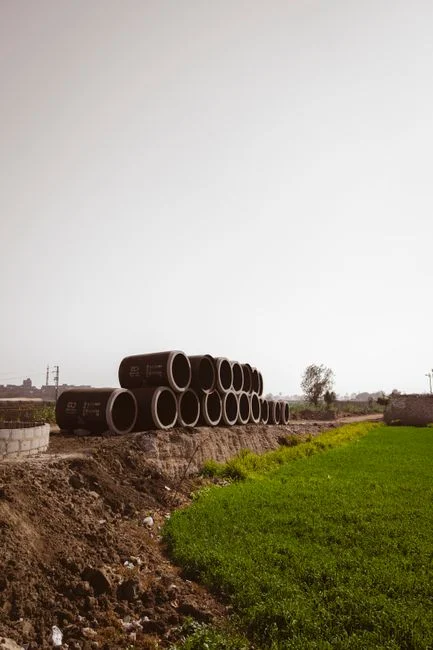
Procurement risk is reduced when the supplier defines the discharge route, permit responsibility and acceptance plan in writing. The available research contains no numerical Kazakhstan or Almaty discharge standard for this equipment selection. State the applicable requirement only after the relevant authority and project permit conditions have been confirmed; do not let a catalog guarantee substitute for a permit or project-specific acceptance test.
Request a process-flow diagram, site layout, civil-work interfaces, power requirements, hydraulic calculations, control philosophy, emergency operating modes, spare-parts list and O&M documentation. For a buried system, require assumptions covering soil, groundwater, excavation, access and restoration of the site surface. These documents reveal whether the quoted price covers only the package or the complete installed works.
For equipment such as a mechanical bar screen, define whether it is part of the treatment scope, what pretreatment duty it performs and where its discharge or screenings will go. No performance or duty data for that equipment was supplied in the research, so its selection must remain linked to the project wastewater characterization and supplier process design.
Build commissioning and handover milestones into the contract: delivery inspection, installation, utilities connection, startup, biological acclimation, performance testing, operator training and document handover. The supplied sources do not state standardized Almaty lead times. Require the bidder to state manufacturing, transport, customs, site preparation, installation, commissioning and commissioning-support periods separately.
Score title transfer, component origin, warranty exclusions, local spare-parts stock and support response times separately. A supplier may offer a broad process scope while excluding membrane modules, pumps, odor control, excavation, electrical works or long-term servicing. Those exclusions must be visible before bids are compared.
Build a Bid Package That Produces Comparable Quotes
Comparable quotations require the same attachments, exclusions and acceptance basis. Attach the wastewater characterization, flow projection, site plan, reuse objective and permit information to every RFQ. Require each bidder to identify any assumption that could materially change capacity, process selection or price.
Ask bidders to state supplied treatment capacity, process scope, civil exclusions, installation assumptions, commissioning deliverables, warranty and local support in separate fields. This prevents a packaged equipment price from being mistaken for an installed project price. Also require an energy and consumables schedule, sludge-disposal route, odor-control strategy, remote-monitoring scope, maintenance intervals and replacement-part availability.
A performance guarantee should be tied to the project-defined acceptance criteria and test protocol. The research does not support inserting universal BOD, COD, nutrient or disinfection values, so the guarantee must follow the confirmed permit and reuse requirements.
| RFQ schedule | Mandatory bidder response | Commercial or technical risk exposed |
|---|---|---|
| Capacity and loading | Design flow, loading basis and equipment selection calculation | Undersizing or an unverified assumption |
| Scope boundary | Supply, civil works, electrical works, installation and exclusions | Apparent price differences caused by different scope |
| Performance | Acceptance criteria, sampling plan and remedy for non-compliance | Unclear handover obligations |
| Operations | Energy use, consumables, sludge, odor control and maintenance intervals | Hidden operating burden |
| Support | Warranty, spares, local stock and response times | Long-term downtime exposure |
| Schedule and price | Delivery, installation, commissioning, exclusions and total project cost | Non-comparable totals and schedule gaps |
Total project cost must remain a quotation-derived result because the supplied research contains no defensible Almaty equipment price, installation-cost or delivery-lead-time dataset. Separate capital expenditure from utilities, consumables, sludge management, maintenance, testing and local support. A more complete cost comparison will be more useful than an unsupported local price range.
Frequently Asked Questions
How do I size a domestic sewage treatment plant for a property in Almaty?
Size it from current and future average and peak flow, pollutant loads, wastewater characteristics and the required outlet quality—not population alone. Ask each bidder for hydraulic and loading calculations
Frequently Asked Questions
How do I size a domestic sewage treatment plant for a property in Almaty?
Sizing is based on the daily hydraulic load, calculated by multiplying the number of permanent residents by an average consumption of 200 to 250 liters per person per day. For properties in the Almaty region, you must also account for a peak flow factor of 2.5 to 3.0 to manage high-usage periods during morning and evening hours.
Ensure the selected system meets the specific discharge requirements set by the Kazakhstan Ministry of Ecology. The capacity must be verified against the site's soil percolation rate if using a leach field, or the hydraulic capacity of the municipal drainage network if discharging into the city system.
Is an A/O package sewage plant suitable for a residential community in Almaty?
An Anoxic/Oxic (A/O) process is highly effective for residential communities in Almaty, as it provides biological nitrogen removal suitable for meeting local environmental standards. These systems typically handle organic loading rates (BOD5) of 200–400 mg/L and are capable of achieving effluent quality suitable for non-potable irrigation or discharge into open reservoirs.
Given Almaty’s climate, these plants should be installed at a depth of at least 1.2 to 1.5 meters to prevent freezing during winter months. The system should be equipped with an automated aeration control unit to maintain dissolved oxygen levels between 2.0 and 4.0 mg/L, regardless of seasonal temperature fluctuations.
When should I choose an MBR system instead of a packaged biological plant?
You should opt for a Membrane Bioreactor (MBR) system when the treated effluent is intended for water reuse, such as garden irrigation or toilet flushing, or when discharge limits for suspended solids are strictly capped at under 5 mg/L. MBR systems occupy 30–50% less footprint than conventional packaged plants, making them ideal for properties with limited space in mountainous areas near Almaty.
MBR systems require higher energy consumption (typically 1.5–2.0 kWh/m³) and more intensive maintenance, including periodic chemical cleaning of membranes every 6 to 12 months. Choose this system only if your budget allows for specialized technical maintenance and stable electricity supply.
What should I include in an Almaty sewage treatment equipment quotation to compare supplier costs fairly?
To ensure a fair comparison, request a detailed Bill of Quantities (BOQ) that specifies the material of the tank (e.g., reinforced polypropylene or steel with anti-corrosion coating), the power rating of blowers, and the inclusion of automated PLC control panels. Require suppliers to list the specific removal efficiency percentages for BOD, TSS, Nitrogen, and Phosphorus.
Additionally, demand a breakdown of delivery, on-site assembly, and commissioning costs. Ensure the quote includes the warranty period for both the tank body (typically 10+ years) and the mechanical components (typically 1–2 years), as well as a list of required spare parts for the first two years of operation.
Can a domestic sewage treatment system be delivered and installed in Kazakhstan, and what lead-time information should I request?
Most industrial-scale sewage systems are imported from Europe, China, or Russia and can be delivered to Almaty via road freight. When requesting a quote, ask for the "Ex Works" (EXW) date plus the estimated transit time to the Almaty region, which typically ranges from 4 to 8 weeks depending on the origin and customs processing at the border.
Ask the supplier for a formal production schedule and a project management timeline that includes the site preparation phase, installation, and final hydrostatic testing. Clarify if the lead time includes the arrival of a certified field engineer to supervise installation, which is critical for maintaining manufacturer warranties in the Kazakhstan market.