
What the Factory’s Wastewater Profile Decides
A Guadalajara factory cannot select an industrial effluent treatment plant or dissolved air flotation equipment from total flow alone. The equipment requirement depends on the wastewater streams generated, their peak and average flows, contaminant characteristics, discharge route and any reuse target. A DAF system is primarily a physical separation step for suspended solids, oil and grease, FOG and some colloidal material. A complete ETP must integrate the biological, chemical, solids-handling and effluent-treatment stages required by the wastewater. A combined DAF-ETP train is usually appropriate when oily or solids-rich wastewater needs pretreatment before biological treatment. The selection should therefore begin with representative sampling and a defined treatment objective, not with the ETP label alone. DAF, biological treatment, chemical dosing and sludge handling must be evaluated as one process.
Start by separating sanitary, cooling, washdown, process and oily runoff streams. The combined Salamanca refinery and municipal plant provides a useful precedent for why segregation matters: refinery and municipal wastewater were both pumped into an equalization tank to maintain even flow throughout purification, as documented in At Work on Tanks, published by Scribd. That arrangement balanced very different sources at a shared facility; it does not establish a flow split or design basis for an individual factory.
Request representative samples across production, cleaning and shutdown periods, and record average flow separately from peak demand. The analysis should characterize suspended solids, oil and grease, FOG, pH and contaminants specific to the factory process. In the Salamanca precedent, the DAF units injected air as micro-bubbles with polymer, trapping oil and lifting it to the surface.
Define the final destination before selecting equipment: sewer discharge, direct environmental discharge or process-water reuse. The Salamanca facility recycled part of the treated water into the refinery steam system, while the remainder went to the city river, according to At Work on Tanks. That reuse example is process-specific, not proof that another factory’s treated water will meet the same application.
A regional project can inform questions but cannot define the requirement. Jinwantong’s About Jinwantong page, current in 2026, lists a 2,000 T/D sewage treatment plant in Guadalajara, but it provides no flow split, wastewater analysis or discharge standard for a prospective factory. Use the 2026 DAF unit selection and decision framework to structure that evidence before requesting equipment.
Choose DAF, an ETP, or a Combined Treatment Train
DAF is a physical separation process in which air micro-bubbles and polymer attach to or carry contaminants to the surface for skimming. The correct choice depends on whether the factory needs a compact pretreatment step or a coordinated treatment train extending through biological treatment, solids handling, disinfection and controls.
| Factory requirement | Recommended starting configuration | What must be confirmed |
|---|---|---|
| Primary targets are suspended solids, oil and grease, FOG or colloidal material | DAF-led pretreatment, followed by treatment required for the discharge or reuse route | Representative contaminant analysis, peak hydraulic loading and required treated-water quality |
| Biodegradable organics and multiple treatment stages must be managed | Complete industrial effluent treatment plant | Equalization, biological process, solids removal, disinfection and effluent criteria |
| Oily or solids-rich wastewater could impair downstream biological treatment | Combined DAF-ETP train | DAF removal performance, chemical demand, biological loading and sludge route |
| Water must be reused in a defined industrial application | Treatment train designed around the reuse specification | Application-specific water quality, monitoring and operating reliability |
Choose DAF-led treatment when the principal objectives are oil and grease wastewater removal, suspended-solids capture, FOG removal or colloidal-material separation before discharge or biological treatment. A complete ETP is the more appropriate scope when equalization, biological treatment, solids handling, disinfection and controls must operate as one integrated plant.
The Salamanca refinery precedent used a DAF stage before aerobic digesters. After flotation, the oil mixture was pumped into centrifugal chambers, where gravity separation divided oil from water and polymer. Downstream stages included aerobic digestion, partial sludge recycling, sludge removal, calcium carbonate addition and chlorination. This sequence supports a combined DAF-ETP arrangement when the incoming stream contains oil or solids likely to affect biological treatment.
Catalog capacity should be used only for preliminary screening. HydropureWater lists DAF equipment from 4–300 m³/h across 13 models and MBR systems from 10–2,000 m³/day, according to the supplied 2026 product information. Those ranges can identify candidates for further review; they do not establish hydraulic capacity, contaminant removal or treatment performance for a factory.
Broader scope does not automatically mean complete treatment. A proposal labelled “ETP” must still show whether it includes biological treatment, sludge handling, disinfection, reuse treatment and required controls. Review the DAF unit technical specifications and the related ETP-versus-DAF selection framework, then verify every stage against the factory’s wastewater analysis and receiving requirements.
Map the Treatment Process from Inlet to Disposal
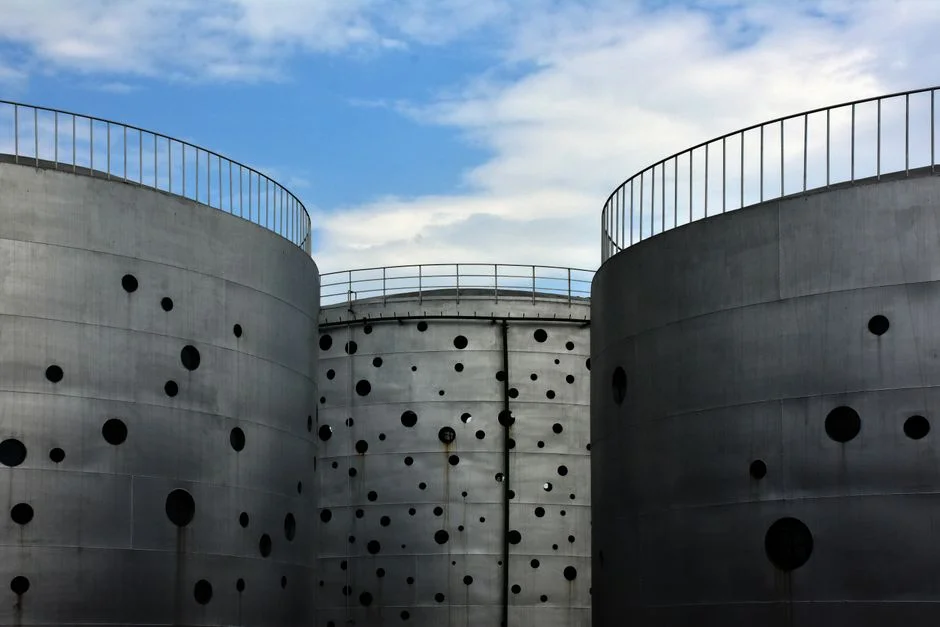
A procurement-ready process map should assign one responsibility to each unit and expose any gap between the inlet wastewater and the required effluent or reuse condition. The sequence below is a screening framework, not a final process design.
| Process step | Primary responsibility | Supplier information to request |
|---|---|---|
| Stream segregation and screening | Exclude sanitary flow, debris or incompatible streams where required | Segregation diagram, screening duty, solids extraction and bypass provisions |
| Equalization | Buffer variation between production, cleaning and shutdown discharges | Working volume, level control, mixing strategy and pump arrangement |
| DAF or clarification | Remove oil, FOG, suspended solids or flocculated contaminants | Design flow and load, recovery, air system, polymer arrangement and skimming |
| Biological treatment | Remove biodegradable organics where analysis justifies the process | Reactor basis, aeration, sludge age, controls and expected effluent response |
| Chemical and final polishing | Correct pH, residual contaminants or reuse-water properties | Chemical duty, dosing sequence, mixing and instrumentation |
| Solids, sludge and FOG handling | Separate and route the residuals produced at each stage | Yield, moisture content, storage, removal and final disposal route |
The Salamanca precedent provides a documented process logic. Refinery and municipal wastewater entered an equalization tank, then moved to DAF units where air micro-bubbles and polymer trapped oil and lifted it to the surface. A raking mechanism collected the floating material in troughs. The oil mixture then entered centrifugal chambers for separation of oil, water and polymer. These stages distinguish floatable material from water; flotation alone does not resolve the resulting sludge or oil stream.
Effluent from the flotation units passed to aerobic digester tanks. After oxidation, some sludge was recycled and some removed. The water then received calcium carbonate before chlorination. These chemical and biological steps should not be copied automatically: include them only where the factory analysis, reuse target and discharge route justify them.
Automatic dosing should follow chemical selection and control design. For an PLC-controlled chemical dosing system, the scope should identify the coagulant, flocculant, pH adjuster or specialty chemical, required dose range, storage arrangement, duty response and alarms. Equipment specifications must be tied to the treatment sequence rather than added as generic accessories.
The treatment-train assessment should also distinguish whether final treatment will use biological treatment, an MBR wastewater treatment system, or another polishing arrangement. The industrial DAF system for factory wastewater remains one physical-separation stage within that sequence, not a substitute for every downstream obligation.
Size the System from Flow and Contaminant Loading
Final sizing should use a mass balance that reconciles average flow, peak discharge conditions, operating hours, wastewater generated per production unit and contaminant loading. Annual average flow alone can hide batch discharges, cleaning peaks or concentrated oily runoff that determines equalization and treatment capacity.
HydropureWater’s DAF catalog coverage of 4–300 m³/h, across 13 models, is an initial screening range according to the supplied 2026 product information. The shortlisted model must then be checked against peak flow, contaminant loading, hydraulic recovery and the residence behavior required for flotation. The MBR catalog range of 10–2,000 m³/day provides a preliminary comparison point where membrane bioreactor treatment is technically suitable; wastewater characteristics and the reuse or discharge objective still determine the final selection.
Operating pattern changes the design. A DAF unit operating continuously faces a different hydraulic and chemical-demand profile from one used only for intermittent or batch discharges. Equalization volume, transfer-pump duty, recycle flow and controls must reflect that pattern. Suppliers should not select equipment from average flow without identifying how peak discharges are buffered and treated.
Require every proposal to state its design basis, including average and peak flow, hydraulic loading, contaminant loading, operating hours, treated-water target and expected sludge or FOG yield. Ask the supplier to identify any exclusions that would change the selected size or performance. The 2026 guide to sizing DAF for variable discharges is relevant when batch or intermittent operation dominates, but it should not replace project-specific sizing calculations.
Plant-level coordination is also necessary. The Salamanca facility treated over 310,000 gpd of municipal and industrial wastewater and was operating at 80 percent of capacity, according to At Work on Tanks on Scribd. That figure demonstrates the need to coordinate flow and load across a shared facility; it does not provide a transferable design ratio for an individual Guadalajara factory.
Build a Supplier Scope That Reduces Project Risk
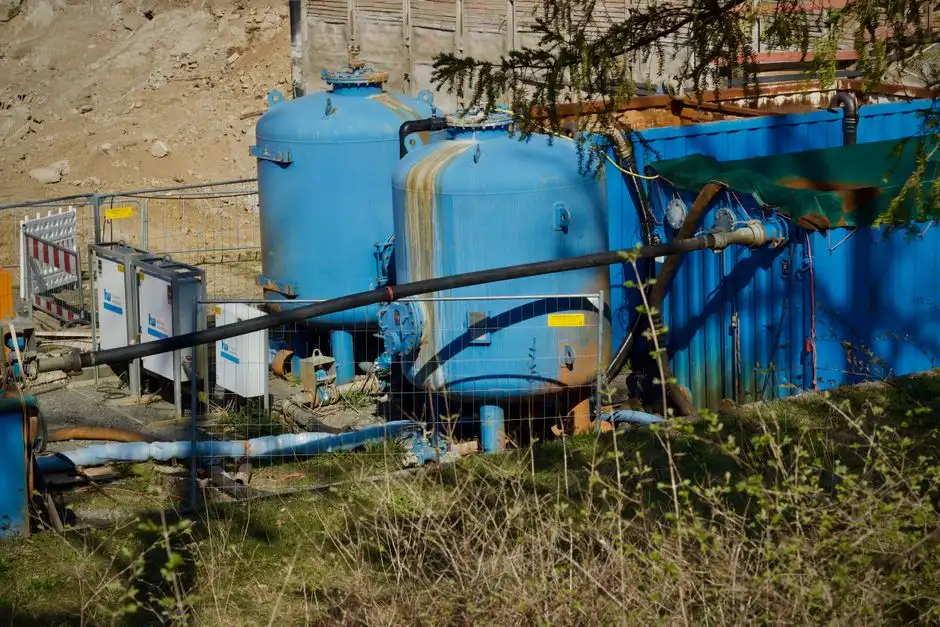
A comparable supplier proposal should contain a process basis, equipment list, P&ID, control philosophy, utility requirements, civil interfaces, commissioning plan and measurable performance criteria. Without these elements, quotations may describe equipment packages rather than complete treatment systems.
| Procurement check | Evidence or deliverable required | Decision consequence |
|---|---|---|
| Comparable experience | References and project summaries with comparable wastewater, flow and treatment objectives | Reject examples that rely on capacity alone without a comparable treatment duty |
| Design transparency | Design basis, P&ID, equipment datasheets, utility and civil requirements | Identify omissions before comparing commercial offers |
| Guadalajara installation | Shipping, customs, access, foundations, erection, utilities and local subcontracting plan | Assign delivery and installation risk explicitly |
| Controls and commissioning | Control narratives, FAT or SAT plan, training, test sheets and acceptance criteria | Define how performance will be demonstrated |
| Lifecycle support | Warranty exclusions, consumables, spares, controls support and response obligations | Compare long-term support rather than only initial price |
Ask for evidence from comparable industrial wastewater projects. Jinwantong’s About Jinwantong page, current in 2026, reports a 2,000 T/D sewage treatment plant in Guadalajara, a 9,000 T/D oily wastewater project in Chile and a packaged MBR sewage treatment system with 1,000 m³/day in Britain. These references are screening leads; buyers should request process details, acceptance evidence and client contacts rather than treating the capacity labels as performance guarantees.
Evaluate installation and logistics specifically for Guadalajara. Do not assume that imported skid dimensions, shipping routes or assembly methods will be straightforward. The Salamanca project illustrates the need for a defined construction plan: its 20 tanks were shipped unassembled from Kansas City, cleared through customs at Laredo and erected on site, with the final tank completed in autumn 1993, according to At Work on Tanks.
Check warranty exclusions, consumables, spare parts, controls support and technical response obligations. Jinwantong’s 2026 company page states that its core components carry a one-year free warranty and that the company provides lifelong technical and accessory support. Treat those as supplier-stated terms that must appear in the contract, not as project assumptions. Use the DAF supplier and compliance checklist to structure the same review for other suppliers.
Confirm Permitting, Discharge and Reuse Obligations
Equipment selection cannot replace a site-specific compliance review, because the applicable Guadalajara permit or sewer requirements determine the receiving route and the required effluent specification. Before finalizing the process scope, confirm whether the treated water will enter a sewer, be discharged directly to the environment or be reused, and obtain current applicable requirements from the relevant authority.
State the intended treated-water quality, reuse application and monitoring plan as measurable procurement requirements. The supplied research does not provide a verified current Guadalajara or NOM discharge limit for the prospective factory, so no specific limit should be inserted into a quotation without confirmation.
The Salamanca reuse pathway—part of the treated water recycled into the refinery steam system—is an example of a defined reuse objective, not a guarantee for another factory. Reuse suitability must be demonstrated against the receiving process. Allocate responsibility for sampling, laboratory analysis, compliance reporting and corrective action among the factory, plant operator and equipment supplier. These interfaces should also be reflected in the DAF unit technical specifications used to define the equipment scope.
Frequently Asked Questions
Can a DAF system replace a complete ETP?
Only when the required treatment objective can be demonstrated with DAF and the necessary downstream stages. DAF physically separates floatable oil, FOG and flocculated solids; it does not by itself provide the biological treatment, disinfection, sludge route or reuse guarantees that may be required for the discharge destination.
What information is needed to obtain a meaningful price and an appropriately sized system?
Request representative wastewater analyses, average and peak flows, operating and batch-discharge schedules, production wastewater generation data, discharge or reuse targets, current permit conditions, utility requirements and installation constraints. Require each supplier to state its design basis, treated-water target, sludge or FOG yield, included equipment and exclusions. Do not accept a price based only on an average flow or catalog model.
How should DAF, MBR and complete ETP proposals be compared?
Align the treatment basis before comparing price: wastewater composition, peak load, effluent or reuse specification, required stages, chemical use, sludge handling, utilities, controls and acceptance testing. One lump-sum quote is not comparable with another if one includes civil work, biological treatment or sludge disposal while the other covers only a packaged treatment block.
Which supplier risks should be checked before ordering?
Request comparable references, local service capability, commissioning responsibilities, controls integration, operator training, warranty boundaries, spare-parts availability and a performance-resolution procedure. Also verify delivery responsibility, customs arrangements and site erection responsibilities for Guadalajara. The DAF oil-water separator cost and price review can help separate quoted equipment from lifecycle operating costs, but current quotations remain necessary.
Further Reading
- DAF versus clarifier factory decision