What Changes When Nestlé Acquires a Mexican Plant?
Wastewater compliance becomes a transaction issue before closing when Nestlé acquires a plant in Mexico. The buyer must identify the water source and every discharge destination, then verify the applicable permit, monitoring history, and physical treatment system. Tecma identifies NOM 001 SEMARNAT 1996 for industrial wastewater discharged to ground or a septic system under federal jurisdiction and NOM 002 SEMARNAT 1996 for industrial wastewater discharged to a municipal sewer. The acquirer should also investigate legacy contamination, as a purchaser may immediately become responsible for contamination found at the site.
The legal and engineering workstreams must remain separate. A valid permit establishes part of the compliance pathway; it does not prove that historical contamination is absent, that monitoring was reliable, or that the installed treatment train can handle current production. The acquisition file should contain five linked records: permits and authorizations, monitoring and inspection history, a route-specific drainage map, a condition assessment of the treatment system, and an environmental assessment addressing past releases and migration pathways.
Tecma states that a company purchasing, leasing, or acquiring an industrial property immediately becomes responsible for prior contamination found there. Mexican environmental counsel should assess that exposure and allocate responsibility through the purchase agreement, indemnity, and remediation provisions before closing. The same file should distinguish known liabilities from unresolved data gaps that require sampling or engineering review.
Food Dive reported in 2026 that Nestlé announced an additional $1 billion investment for 2028–2030 to strengthen production and manufacturing capabilities and modernize facilities in Mexico. That announcement establishes an investment context, not any acquired plant’s discharge limit, wastewater flow, or treatment requirement. For an acquisition-focused wastewater diligence framework, the relevant baseline is site-specific evidence: permit conditions, current routing, analytical results, physical assets, and contamination history.
Map the Water Source and Discharge Route
Water source and discharge destination determine the regulatory branch at a Mexican plant, so ownership by Nestlé does not determine which standard applies. Tecma states that a well supplying water places the activity under federal jurisdiction, while water drawn from a municipal supply places it under state jurisdiction. The receiving route then determines the relevant discharge standard: NOM 001 SEMARNAT 1996 for industrial wastewater discharged into the ground or a septic system under federal jurisdiction, and NOM 002 SEMARNAT 1996 for industrial wastewater discharged to a municipal sewer.
To ensure total compliance, every outlet must be mapped separately. A well-fed process line discharging to ground cannot be assessed solely against the municipal-sewer pathway used by another line. Mixed discharge plants may require multiple permit conditions, monitoring programs, and engineering upgrades. A single plant-wide permit summary is not an adequate substitute for outlet-level evidence.
| Site evidence to obtain | Question it must answer | Diligence output |
|---|---|---|
| Water-supply agreements, well records, utility invoices and source maps | Does the plant use a well, municipal supply or both? | Water-source map with jurisdiction identified for each supply |
| Drainage drawings, sewer agreements, discharge points and operating records | Does each stream discharge to ground, a septic system, municipal sewer, another receiving system or several routes? | Outlet-by-outlet regulatory pathway |
| Permit cover page, supporting authorizations and authority correspondence | Which federal or state authority controls, and is the authorization current or subject to conditions, renewal, suspension or modification? | Confirmed permit pathway and open compliance issues |
| Official NOM text and permit conditions | Which standard and site-specific limits apply to the actual discharge? | Documented compliance criteria; no generic limits inserted by assumption |
The NAPS 2024 update describes Mexican Official Norms as binding technical standards that establish specifications, values, and characteristics, including maximum allowable pollutant limits. The supplied research does not provide those limit values for any acquired Nestlé plant. The transaction team should obtain them from the official instruments, permit, and receiving authority, with the assistance of Mexican environmental counsel, rather than importing generic thresholds.
Build the Permit and Monitoring Baseline
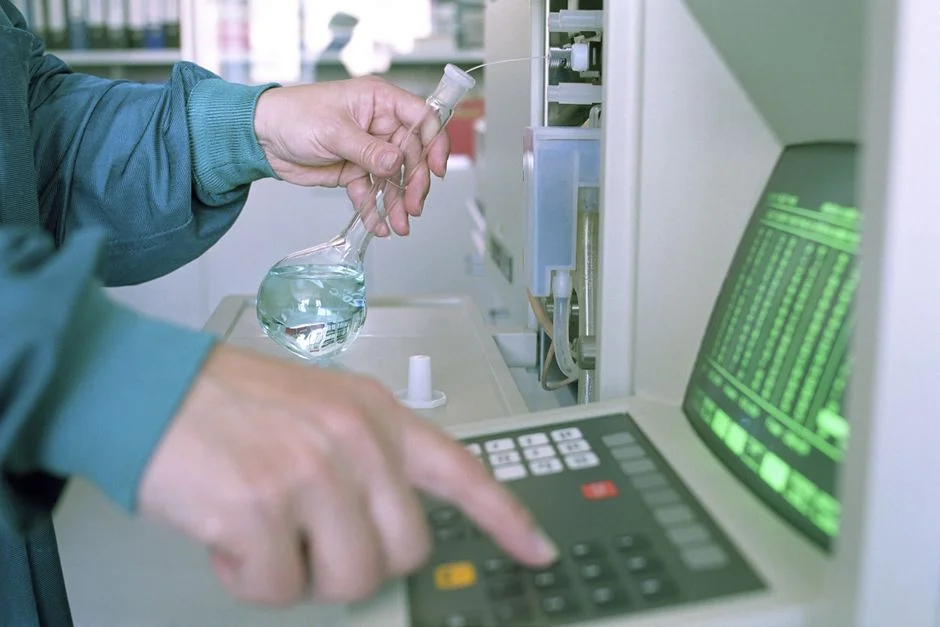
Industrial wastewater discharges require annual reporting, and almost all wastewater permits and authorizations must be renewed every year. These requirements mandate recurring compliance work, though they do not replace the actual permit or establish its conditions. The buyer should verify the applicable instrument, expiry date, renewal history, and any daily or monthly reporting duties.
For the municipal-sewer pathway, Tecma states that annual wastewater testing must be performed by an accredited and authorized Mexican testing laboratory. The evidence file should include laboratory reports, chain-of-custody documentation, sampling methods, annual reports, inspection findings, and compliance correspondence. Missing records, inconsistent parameter lists, or unexplained changes in sampling method should trigger targeted review rather than an assumption of compliance.
| Document | Verification test | Closing implication |
|---|---|---|
| Wastewater permit, authorizations, renewals and correspondence | Match the legal owner, permitted activity, discharge points, conditions and expiry dates to current operations. | Identify renewal work, transfer steps and unsupported permit claims. |
| Laboratory reports and chain-of-custody records | Confirm the laboratory’s status, sample point, method, parameter list and reporting sequence. | Determine whether historical results support compliance or require retesting. |
| Annual reports and authority correspondence | Reconcile submitted results with permit limits, authority comments and corrective actions. | Quantify unresolved findings without assuming the site was compliant. |
| Inspection records and operating logs | Compare reported operations with production, water sources, drainage configuration and treatment status. | Determine whether the permit still describes the facility. |
Operations should document any change in chemistry, production, water source, drainage configuration, or treatment operation. A compliant report is of limited value if it no longer describes the discharge being made. Environmental management should review the permit against the actual process before the laboratory confirms its sampling plan.
Investigate Legacy Contamination Before Closing
A purchaser immediately becomes responsible for prior contamination found on the acquired property. This makes contamination a primary transaction issue, rather than just an environmental-operations concern. The buyer should review historical spills, disposal practices, groundwater use, septic-system use, soil and groundwater findings, and possible migration pathways.
LGEEPA is identified by NAPS in its 2024 update as the foundation of Mexico’s environmental framework. Mexican environmental counsel should review the permits, discharge arrangements, and contamination findings, then allocate responsibility among the parties through transaction protections before closing.
Missing records or material changes in the system warrant targeted sampling and independent engineering review. A permit and treatment assessment should not be treated as evidence that historical contamination has been excluded. The contamination scope must be kept distinct from treatment capacity: a new treatment unit does not resolve a historical release, while a contamination finding does not by itself establish that the current treatment train is inadequate.
The supplied research contains no verified pollutant-limit values, site flow data, or acquisition-cost figures for the acquired plant. Generic contaminant thresholds should not be inserted into the indemnity model without official and site-specific evidence. Required inputs include the permit criteria, relevant historical activities, sampling records, site conceptual model, identified migration pathways, and proposed investigation boundaries.
Verify the Complete Wastewater Treatment System
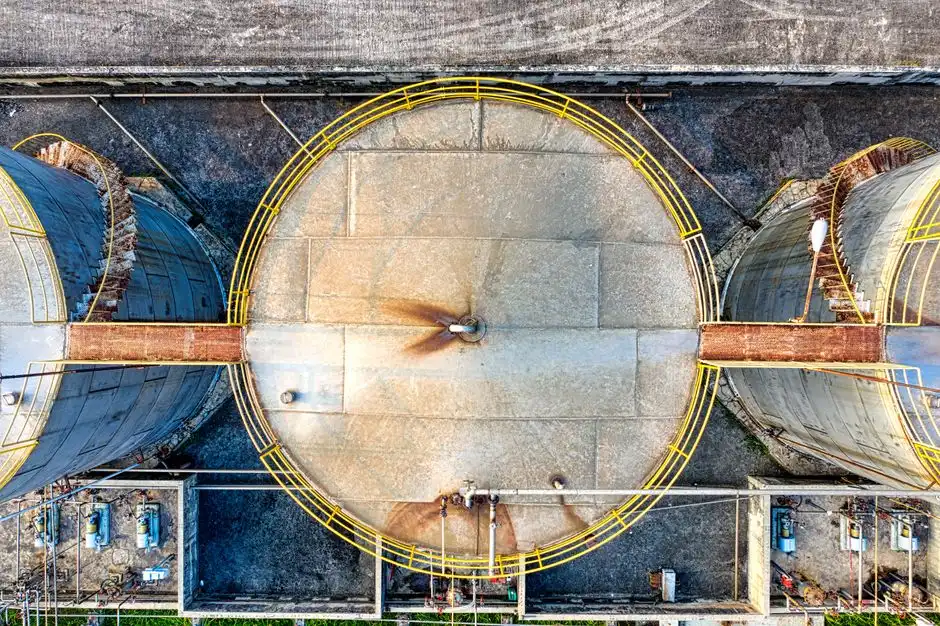
The installed treatment train must be assessed from source to final discharge, rather than by counting treatment units. Inspect process sources, collection piping, equalization, treatment, discharge point, metering, sampling points, bypasses, sludge handling, and maintenance records. A technically sound unit can be undermined by an unapproved bypass, leaking collection line, unidentified outlet, or inconsistent sludge handling.
The engineering baseline requires wastewater flow, pollutant parameters, variability, discharge route, reuse objectives, available footprint, and sludge-handling constraints. Existing hydraulic capacity, treatment performance, operating variability, and compliance margin must be tested against the documented permit conditions. That comparison supports three outcomes: retain and operate the installed system, retrofit it, or replace the deficient section.
| Process duty | Equipment to assess | Decision condition |
|---|---|---|
| Suspended solids, FOG, oil and grease or colloidal matter | Industrial DAF system for suspended solids and FOG | Assess when those removal duties drive the gap and the waste stream supports flotation. |
| Biological treatment and high-quality reuse | MBR wastewater treatment and reuse system | Assess against verified discharge and reuse objectives, not a generic reuse claim. |
| pH adjustment or coagulant and flocculant addition | Automatic chemical dosing system | Evaluate where controlled dosing is required by the process characterization and permit condition. |
The food and beverage wastewater pretreatment guide is useful for structuring an engineering review, but it cannot establish Mexican limits or replace site characterization. For a food factory, reuse objectives may influence the treatment target, but they do not change the applicable discharge authorization.
Choose Treatment Equipment Without Over-Sizing
Treatment selection must follow verified characterization, the applicable permit, and the receiving route. HydropureWater’s DAF range covers 4–300 m³/h across 13 standard models and is intended for suspended solids, FOG, oil and grease, and colloidal matter. HydropureWater’s MBR range covers 10–2,000 m³/day and is intended for biological treatment, filtration below 1 μm, and industrial reuse applications. Its automatic chemical dosing systems provide PLC-controlled injection of coagulants, flocculants, pH adjusters, and specialty chemicals.
These published ranges are screening references, not final selections for an acquired Mexican plant. The buyer must document flow, pollutant data, variability, available footprint, reuse objectives, and sludge constraints before comparing proposals. The industrial ETP versus DAF selection guide provides a useful functional comparison, while the plant-acquisition wastewater due diligence framework reinforces the need to establish the baseline before engineering.
| Supplier response required | Information needed for comparison |
|---|---|
| Process basis and sizing calculation | Verified influent flow, pollutant parameters, variability, permit conditions and operating basis |
| Installed scope | Equipment, tanks, piping, controls, metering, sampling, civil work, utilities and installation |
| Validation and handover | Commissioning, analytical validation, training, documentation and acceptance criteria |
| Lifecycle exposure | Consumables, sludge handling, operator burden, replacement exposure and warranty exclusions |
No defensible acquisition-cost or payback figure can be calculated from the supplied research because it contains no plant-specific flow, pollutant data, or cost figures. A supplier should state its price basis and exclusions, including civil work, commissioning, validation, training, consumables, and sludge disposal. The commercial consequence of a permit deviation must also be considered before accepting a configuration that depends on untested assumptions.
Prepare the Site for Inspections and Closing
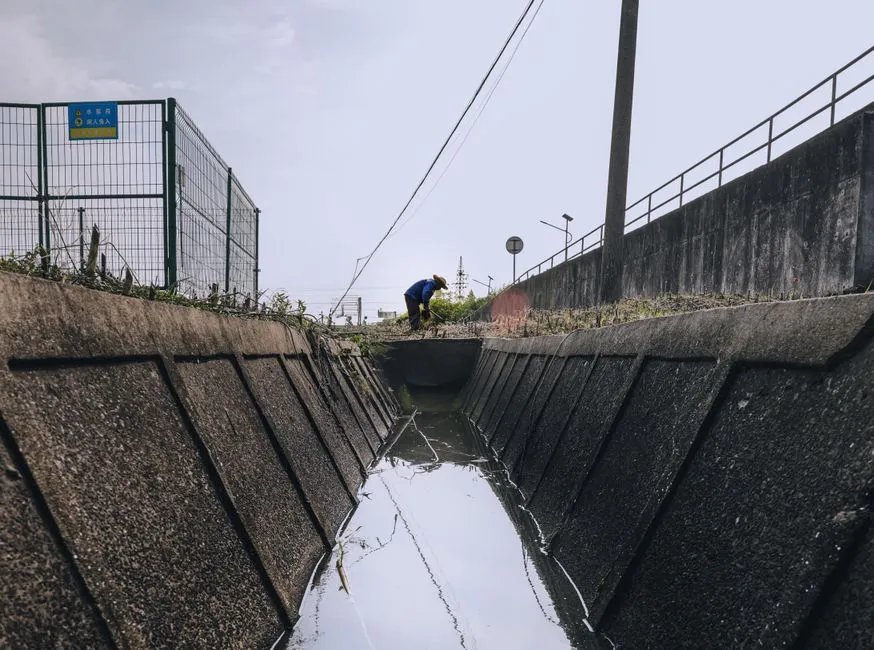
SEMARNAT may inspect a wastewater site without advance notice and may examine discharge and water-use records, permits, authorizations, wastewater test results, and the physical plant. The operating organization should treat inspection readiness as a standing control, not a closing-week exercise.
Maintain an inspection-ready evidence room containing the current permit, renewal evidence, laboratory reports, chain-of-custody records, submissions, monitoring records, equipment operating logs, and corrective-action files. Assign named owners for sampling, laboratory coordination, permit renewal, authority correspondence, and record retention. The permit and control schedule should identify whether daily, monthly, or annual reporting applies to the site.
Pre-authorize personnel to accompany inspectors and retrieve records. The protocol should identify who may stop an unauthorized discharge, who communicates with the authority, how samples are preserved, and how remediation is approved and documented. Violations can lead to significant fines, and findings may require immediate response rather than a long correction window.
Carry unresolved contamination, permit, monitoring, and equipment issues into the purchase agreement, indemnity, and remediation provisions. Closing should transfer a documented responsibility position, not an open-ended assumption that the buyer inherited compliant conditions. Post-closing control should preserve the baseline, assign accountable owners, and connect every operating change to permit and monitoring review.
Frequently Asked Questions
Which Mexican NOM applies after Nestlé acquires a plant?
The applicable pathway depends on the actual water source and discharge route, not Nestlé’s ownership. Tecma identifies NOM 001 SEMARNAT 1996 for industrial wastewater discharged to
Frequently Asked Questions
Which wastewater permit applies when Nestlé acquires a factory in Mexico?
The primary regulatory instrument is the Discharge Permit (Permiso de Descarga) issued by the National Water Commission (CONAGUA). If the facility discharges into municipal sewage systems, it must also comply with the local municipal drainage utility's discharge requirements and the federal standard NOM-002-SEMARNAT-1996, which governs discharges to urban collection systems.
If the plant discharges into national water bodies (rivers, lakes, or aquifers), it must adhere to NOM-001-SEMARNAT-2021. This standard sets strict limits for parameters such as Chemical Oxygen Demand (COD), Total Suspended Solids (TSS), and heavy metals, requiring rigorous monthly monitoring and reporting to the Public Registry of Water Rights (REPDA).
What should a buyer request from the seller before closing a Mexican plant acquisition?
You must request the current Title of Concession for water extraction and the valid Discharge Permit issued by CONAGUA. Additionally, obtain the last 24 months of analytical laboratory reports (Bitácora de Descargas) proving compliance with NOM-001 or NOM-002, as these documents are essential for verifying that the facility is not currently under administrative sanction.
It is also critical to request the technical design specifications of the existing Pre-Treatment Plant (PTAR) and any active remediation agreements with local environmental authorities. Failure to verify these documents can result in the transfer of outstanding environmental liabilities and fines to the new ownership entity.
How much should we budget for wastewater treatment when acquiring a Nestlé plant in Mexico?
Operational expenditure (OPEX) for food-processing wastewater treatment typically ranges from $0.50 to $1.50 USD per cubic meter of treated water, depending on the organic load and the specific treatment technology employed. Capital expenditure (CAPEX) for system upgrades or new installations can range from $250,000 to over $2,000,000 USD, contingent upon flow capacity and required effluent quality.
Budgeting should also account for a 15-20% contingency for chemical reagents, sludge disposal costs—which are strictly regulated under NOM-052-SEMARNAT-2005 if deemed hazardous—and the mandatory fees for environmental auditing and laboratory testing required for regulatory compliance.
What information is needed to size a DAF or MBR system for an acquired food-processing plant?
To size a Dissolved Air Flotation (DAF) or Membrane Bioreactor (MBR) system, you must provide the average and peak daily flow rates (measured in m³/day or liters/second) and the influent characterization. Essential parameters include Biochemical Oxygen Demand (BOD5), Chemical Oxygen Demand (COD), Total Suspended Solids (TSS), Fats, Oils, and Grease (FOG), and pH levels.
Furthermore, provide data on the temperature range of the influent and the presence of any cleaning-in-place (CIP) chemicals or disinfectants that could shock the biological processes in an MBR system. Site-specific constraints, such as available footprint and the required effluent discharge quality, are also critical for determining the final hydraulic and organic loading rates.
How should the site prepare for an unannounced SEMARNAT wastewater inspection?
Maintain a digital and physical compliance folder containing the current water concession, discharge permits, and the last 12 months of certified laboratory analysis reports. Ensure that the sampling points are clearly marked and accessible, and that all flow meters are calibrated and tagged with current certification seals according to NMX-AA-179-SCFI-2018.
Establish a standard operating procedure for inspections that includes immediate notification of the plant’s legal representative and environmental manager. During the inspection, ensure that all operational logs (bitácoras) are up to date, accurately reflecting daily discharge volumes and maintenance schedules for the treatment plant, as discrepancies between logs and physical readings are the most common cause of administrative fines.