Why coffee wastewater needs a pretreatment-first MBBR design
MBBR can support coffee-processing wastewater treatment, but raw mill effluent should not be the reactor’s first process contact. A 2020 coffee study reported COD above 15,000 mg/L, identified tannins, phenolic compounds, and alkaloids as highly toxic and poorly biodegradable, and diluted the influent to a factor of 0.1 v/v before aerobic testing because the undiluted strength adversely affected biological treatment (Potential of Using Dual-Media Biofilm Reactors as a Real Coffee Effluent Treatment System, 2020). The reactor contained fixed sand and Hexafilter media, not freely moving MBBR carriers, so its results cannot establish conventional MBBR performance.
Wet processing generates effluent from depulping, fermentation, and washing; dry mills can also generate concentrated equipment- and floor-washing streams. Each stream should be characterized separately before deciding whether they can share a biological reactor. Source segregation, equalization, solids removal, and toxicity management are prerequisites for selecting defensible MBBR loading rates.
Mechanical protection may also be needed before equalization and biological treatment. A GX rotary bar screen for mill wastewater can remove suspended solids, rags, plastics, and fibrous debris that could obstruct pumps or interfere with downstream media. Solids separation, however, does not remove dissolved coffee organics; that requires a separately evaluated biological and, potentially, physicochemical process.
Characterize the coffee mill wastewater before choosing reactor volume
Coffee mill wastewater must be characterized by stream and operating condition, not by one grab sample. The design basis should separate pulp-water, mucilage, fermentation-wash, equipment-wash, and stormwater flows, then establish whether each is to be treated independently or combined. Wet processing and washing can change the organic and solids load substantially during the production cycle.
Request analysis for COD, BOD, suspended solids, pH, temperature, tannins and phenolics, alkaloids, ammonia, nutrients, and toxicity or biological inhibition. The 2020 coffee study characterized coffee effluent as containing highly toxic, low-biodegradability pollutants, including tannins, phenolic compounds, and alkaloids; the supplied data do not provide a universal analytical method or acceptance threshold for those compounds.
Composite samples should represent normal production, peak washing, depulping, fermentation, cleaning, and seasonal operating changes. Pilot feed and acceptance samples should then be based on the raw-strength or agreed design-basis influent, not a diluted laboratory surrogate.
Dissolved oxygen must also be measured in the biological process. The 2020 coffee study recorded average influent DO of 3.5–4.5 mg/L and effluent DO of 5–6 mg/L in its laboratory work; these are study observations, not a design specification for an MBBR.
| Design input | Information a buyer must obtain | Why it matters |
|---|---|---|
| Stream-by-stream flow | Pulp-water, mucilage, fermentation-wash, equipment-wash, and stormwater flows, including operating hours and peak periods | Defines the hydraulic basis and whether segregation is preferable |
| Organic and solids load | Representative COD, BOD, and TSS results across the production cycle | Sets the mass-loading and separation basis |
| Inhibition risk | Tannins, phenolics, alkaloids, and toxicity or inhibition testing | Identifies compounds that may limit attached-growth biology |
| Physical conditions | pH, temperature, and DO | Controls biological activity, aeration demand, and corrosion risks |
| Variability | Diurnal, batch, and seasonal composite data | Prevents sizing from a non-representative sample |
Where chemical dosing is proposed, require the automatic chemical dosing system supplier to define the target parameter, chemical, dose range, control basis, and residual-management requirement from site data.
Build the treatment train from source control to final solids separation
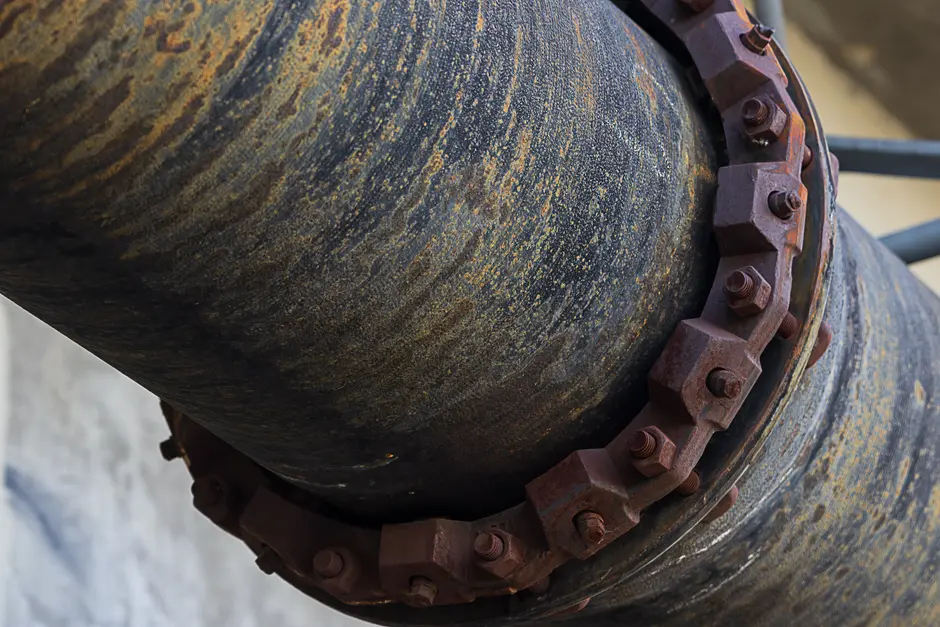
A defensible treatment train follows the waste source rather than placing a single MBBR at the end of an undefined collection system. The process flow is:
- Segregate pulp, fermentation, wash, and cleaning streams where practical.
- Screen fibrous and gross solids before pumping and equalization.
- Equalize flow, COD, pH, and toxicity peaks.
- Remove settleable solids, floatable material, and colloids where required.
- Adjust pH where the characterization and pilot show it is necessary.
- Feed the aerobic moving bed biofilm reactor.
- Separate biomass and suspended solids leaving the reactor.
- Apply final disinfection or reuse treatment where specified.
Industrial DAF pretreatment for coffee wastewater is relevant where suspended solids, FOG, oil and grease, or colloidal material could inhibit biology or overload the reactor. Its role is physical separation; it does not establish removal of dissolved coffee organics or demonstrate that the resulting water is biologically treatable.
A GX rotary bar screen for mill wastewater protects downstream equipment from rags, plastics, fibrous debris, and suspended solids. After biological treatment, clarification or another solids-separation stage remains necessary. A 2022 MBBR review identifies suspended-solids separation as a conventional MBBR requirement and concludes that biological and physicochemical processes should be combined for complex industrial wastewater containing non-biodegradable compounds (Recent Advances in Application of Moving Bed Biofilm Reactor for Wastewater Treatment, 2022).
| Process step | Primary function | Evidence boundary |
|---|---|---|
| Source segregation and screening | Exclude high-concentration cleaning flows and remove gross solids | Stream classification must be supported by mill data |
| Equalization | Reduce hydraulic, organic, and toxicity peaks | Required mixing and working volume need site-specific design |
| DAF | Remove floatable and suspended solids, including colloidal material | Performance depends on wastewater chemistry and pretreatment |
| Aerobic MBBR | Provide attached-growth treatment of biodegradable organics | Coffee-specific loading and effluent quality require validation |
| Clarification or filtration | Separate carried-over solids and biomass | Final selection depends on the required suspended-solids limit |
| Disinfection or reuse treatment | Address pathogens or reuse-specific requirements | Specify against the applicable reuse or discharge criteria |
Where the final suspended-solids requirement is exceptionally tight, high-efficiency sedimentation equipment may be considered for solids separation. Pretreatment effectiveness and toxicity control remain design hypotheses to be verified with representative effluent.
Set MBBR design parameters around the coffee wastewater matrix
MBBR design should be organized around the wastewater matrix rather than a generic loading table. The 2022 MBBR review identifies HRT, OLR, HLR, carrier type and fill ratio, reactor configuration, biomass characteristics, biofilm thickness, pH, temperature, aeration, and solids separation as relevant operating factors. Their values must be established for the coffee mill’s wastewater and geometry.
The coffee-specific study tested HRT values of 24, 48, and 72 hours in a dual-media reactor. These are tested conditions, not universal MBBR recommendations. A conventional Kaldnes K1 MBBR study used 20% media fill and a 15-day seeding period for laundry wastewater, also not coffee wastewater (Pengerahan Limbah Laundry dengan Metode Moving Bed Biofilm Reactor, 2019). It provides transferable operating evidence, not proof of coffee-mill treatment.
| Parameter | Evidence available | Design action for coffee wastewater |
|---|---|---|
| HRT | The 2020 coffee study tested 24, 48, and 72 hours in a dual-media biofilm reactor | Compare these conditions during staged pilot testing; do not assign them directly to a conventional MBBR |
| OLR and HLR | The 2022 review identifies both as performance controls | Establish acceptable ranges from representative feed and observed reactor behavior |
| Carrier type | Kaldnes K1 was used in the 2019 laundry MBBR; functional ceramsite was studied for ammonium adsorption in aquaculture wastewater | Compare mixing, biofilm support, and adsorption effects on the actual coffee matrix |
| Carrier fill ratio | The 2019 laundry study used Kaldnes K1 at 20% fill | Validate coffee-specific filling because available reactor volume and mixing change |
| Biofilm thickness | Identified as an operating factor by the 2022 review | Measure attachment and biofilm condition during the pilot |
| Acclimatization | The 2019 laundry study used a 15-day seeding period | Use a documented startup plan with representative coffee wastewater |
| pH and temperature | Identified as performance controls by the 2022 review | Use mill data and set adjustment or acceptance conditions |
| Aeration and DO | The 2022 review links aeration to carrier suspension; the 2020 coffee study reported laboratory DO values | Design for mixing, transfer, and target DO without relying on the coffee study’s DO observations |
| Reactor configuration | Identified by the 2022 review as a performance factor | Evaluate geometry, hydraulic short-circuiting, carrier distribution, and stagnant zones |
| Solids separation | The 2022 review identifies an additional separation requirement | Define the final solids limit and downstream separation method during pilot work |
Carrier choice can add an adsorption function: a 2025 ceramsite study demonstrated ammonium adsorption alongside biological nitrogen removal in an MBBR applied to aquaculture wastewater (The Effect of Functional Ceramsite in a Moving Bed Biofilm Reactor and Its Ammonium Nitrogen Adsorption Mechanism, 2025). Coffee-specific adsorption and removal must still be tested.
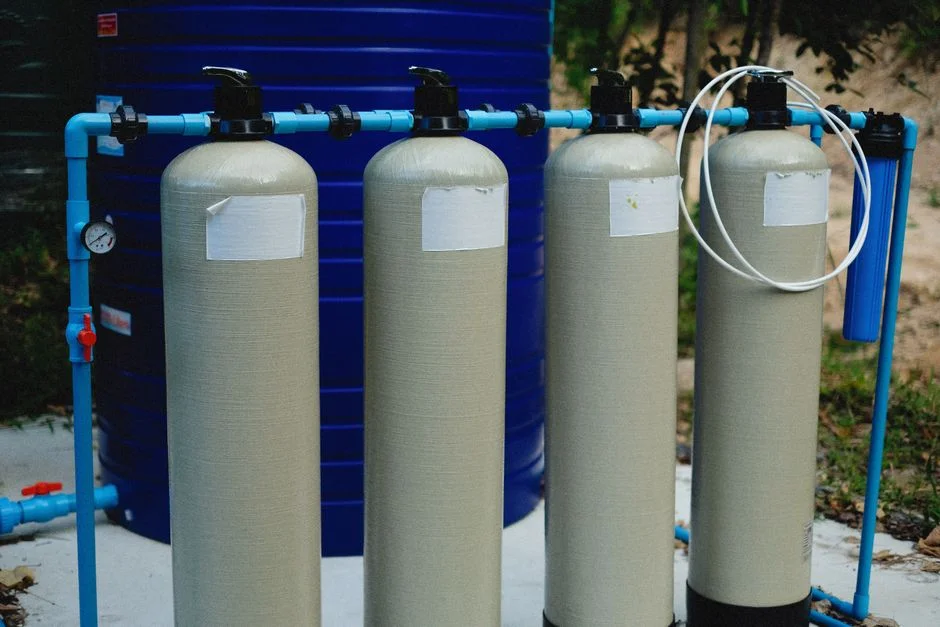
The supplier should explain how aeration keeps carriers moving without creating stagnant zones. The 2022 review also notes that carrier suspension can require more energy than an SBR and that high organic flux can reduce efficiency. Available media and components can be reviewed through water-treatment media, valves, and related parts, but media selection does not replace pilot validation.
Compare the available process evidence without overstating performance
The strongest coffee-specific experiment is also the least transferable to a conventional MBBR. It used real coffee effluent in a dual-media biofilm reactor, but the influent was diluted to a factor of 0.1 v/v to avoid adverse effects on aerobic treatment and to simulate primary-treated effluent (Potential of Using Dual-Media Biofilm Reactors as a Real Coffee Effluent Treatment System, 2020).
COD removal was 40.9% at 24-hour HRT, 47% at 48 hours, and 44.2% at 72 hours. The 72-hour test used a lower feeding concentration, so the values do not show that longer HRT consistently improves treatment. Average tannin–lignin removal was 28.8% at 24 hours and 26.4% at 48 hours; average effluent concentrations were 25.8 and 28.6 mg/L, respectively.
| Study and scope | System and feed | Reported result | Transferability to coffee MBBR |
|---|---|---|---|
| Coffee study, 2020 | Dual-media sand and Hexafilter biofilm reactor; coffee effluent diluted to 0.1 v/v; HRT of 24, 48, and 72 hours | COD removal of 40.9%, 47%, and 44.2%, respectively; tannin–lignin removal of 28.8% and 26.4% at 24 and 48 hours | Directly relevant to coffee chemistry, but not a conventional moving-carrier MBBR or raw-strength demonstration |
| Laundry MBBR study, 2019 | Kaldnes K1 carriers at 20% fill; laundry wastewater | On day 10, BOD fell from 441 to 39.67 mg/L and COD from 910 to 56.3 mg/L; reported effectiveness of 91% and 93.81% | Supports MBBR feasibility and parameter selection, but not coffee tannin, phenolic, or alkaloid removal |
| Ceramsite MBBR study, 2025 | Functional ceramsite in aquaculture wastewater | Combined carrier adsorption with shortcut simultaneous nitrification and denitrification | Supports carrier modification as a research direction, not direct coffee-mill proof |
| Hybrid MBBR study, 2025 | MBBR combined with activated carbon and chlorine for community health-center effluent | Investigated combined biological, adsorption, and disinfection treatment | Shows hybrid treatment can be studied; it does not establish coffee performance |
The laundry result also involves a comparatively lower feed COD than raw coffee effluent. It cannot be scaled to the coffee case by percentage alone. A conventional MBBR case should rest on representative coffee testing, with the dual-media study used to define the risks and compounds requiring measurement.
Pilot, commission, and prove performance with representative coffee effluent
Acceptance should demonstrate treatment of the design-basis coffee effluent, not a diluted laboratory equivalent. The 2020 coffee study used 97 days of bacterial acclimatization and biofilm development before testing, while the 2019 laundry MBBR used a 15-day seeding period with Kaldnes K1. These studies support controlled acclimatization, but their durations cannot be copied to coffee wastewater without a pilot.
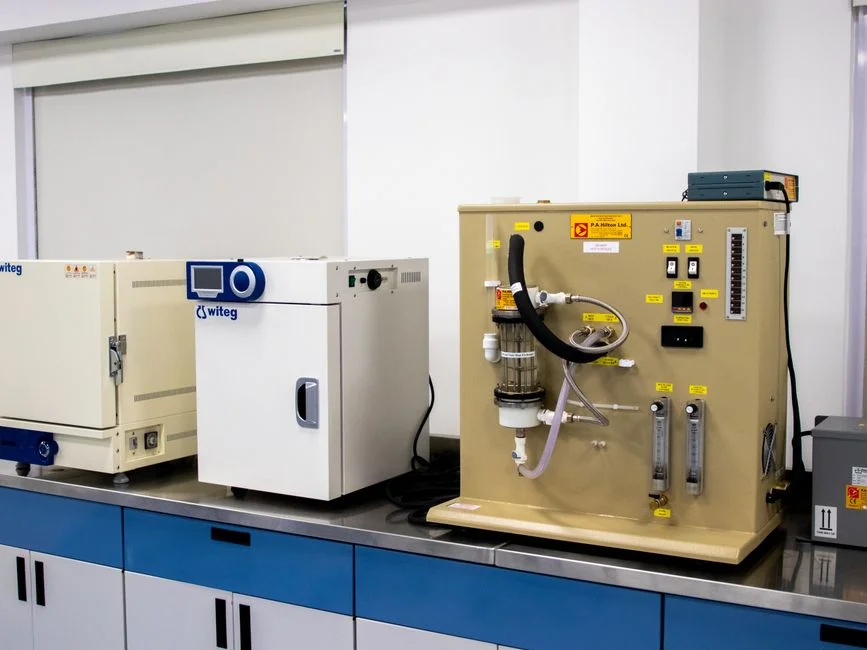
Run the pilot in stages, beginning below the proposed design load and advancing only after effluent quality and biological condition remain stable. Monitor COD, BOD, TSS, pH, temperature, DO, carrier distribution, biofilm condition, and the specific coffee compounds identified as risks. Include toxicity or inhibition checks so a COD decline is not mistaken for acceptable treatment of the target pollutants.
Define acceptance sampling around representative production loads and agreed influent strength. If the performance guarantee is based on untreated or design-basis mill effluent, diluted S3 influent cannot satisfy that test. The pilot should also expose foaming, odor, biomass loss, carrier carryover, clogging, and solids-separation behavior.
- Acclimatize seeded media with representative coffee wastewater.
- Confirm carrier movement, biofilm attachment, mixing, and aeration response.
- Increase loading in controlled stages and record OLR, HLR, HRT, DO, and effluent quality.
- Confirm downstream solids separation and sludge handling.
- Repeat the selected operating condition sufficiently to support an acceptance decision.
Commissioning commitments should cover startup support, operator training, maintenance, aerator servicing, carrier inspection, controls, and performance review. A plate-and-frame filter press for sludge dewatering may be relevant if the pilot demonstrates a filterable sludge volume that needs a defined disposal route.
Choose equipment and suppliers using a go/no-go decision framework
Do not make a full-scale go decision until representative wastewater data, a mass balance, a pilot or validated design basis, and pretreatment performance are available. The industrial DAF pretreatment for coffee wastewater is a relevant equipment package to evaluate, but its suitability depends on the solids and emulsified contaminant profile.
| Decision point | Go condition | No-go or hold condition |
|---|---|---|
| Wastewater basis | Representative raw-strength composites and verified flow and load data | Design relies on a single grab sample or diluted coffee effluent |
| Evidence | Supplier presents relevant wastewater-specific testing and clearly identifies transferable evidence | Headline removal percentages are presented without feed strength, reactor type, or test conditions |
| Pretreatment | Pilot confirms measurable reduction of solids or inhibition and a stable downstream feed | DAF, screening, or equalization is assumed to remove dissolved toxicity without evidence |
| MBBR design | HRT, OLR, HLR, fill, aeration, and separation are tied to the design basis | Critical operating values are guaranteed without site data |
| Commercial scope | Equipment, civil interfaces, controls, commissioning, sludge handling, and exclusions are defined | Bid boundaries omit required treatment or interface work |
| Acceptance | Test method, influent basis, sampling period, and guarantees are written | Acceptance depends on a diluted feed or unspecified final-effluent targets |
Compare bids on wastewater-specific evidence, carrier and reactor geometry, aeration design, solids separation, controls, footprint, energy demand, maintenance, and acceptance obligations. Ask each supplier to name the parameters it cannot guarantee without site data.
If very low suspended solids or near-reuse clarification is required, integrated MBR equipment may warrant separate evaluation. MBR is a membrane process, not an MBBR variant, and introduces different solids-retention and membrane-maintenance considerations.
Frequently Asked Questions
How much does an MBBR system for coffee processing wastewater cost?
No defensible price can be given from the supplied research. Cost depends on flow, organic loading, pretreatment, required HRT, aeration, civil works, solids handling, controls, and site utilities. Request a site-specific quotation with quantities, power demand, installation boundaries, commissioning exclusions, and an aeration-energy basis.
How should a buyer select an MBBR supplier with coffee-processing experience?
Require evidence from representative coffee wastewater, not only generic food-processing or laundry data. Ask for pilot records, proposed guarantees, acceptance conditions, the tested feed strength, reactor and carrier configuration, and a written list of operating parameters that remain conditional on site data.
What data are required to size an MBBR for a coffee mill?
The designer needs verified flow, COD, BOD, TSS, pH, temperature, coffee-compound data, operating hours, and discharge or reuse targets. Stream variability and toxicity testing should also be included. Reactor volume and loading should be finalized through representative pilot validation rather than from diluted study results.
What determines the delivery lead time for a coffee-mill MBBR?
No standard lead time is supported by the supplied research. The critical path depends on reactor fabrication, carrier supply, aeration equipment, controls, civil interfaces, and approval of the final design. Ask the supplier for a fabrication schedule tied to approved drawings and site milestones, with responsibilities and approval dates identified.
Related Equipment
- industrial DAF pretreatment for coffee wastewater — specifications, capacity range, and technical data