DAF or ETP: What the Factory Actually Needs
A Rome factory should select a DAF-only system, a full ETP, or a combined train according to wastewater character and the required final effluent quality. DAF is primarily pretreatment for suspended solids, FOG, oil and grease, and colloidal matter; the supplied HydropureWater catalog covers 4–300 m³/h across 13 standard models. A full ETP is required when biological treatment, dissolved-contaminant removal, filtration, disinfection, or reuse remains necessary. Specify from representative wastewater testing, peak flow, permit limits, and reuse objectives rather than from the product name alone.
A dissolved air flotation system separates floatable and suspended material by conditioning the wastewater, introducing microbubbles, and skimming the accumulated float. That makes it a physical pretreatment stage, not proof that the final discharge or reuse specification has been met. The appropriate starting point is the 2026 DAF unit selection framework.
The three practical outcomes are:
- DAF-only pretreatment: appropriate when the immediate objective is physical separation of solids, FOG, oil and grease, or colloidal material, and a downstream process will address the final treatment duty.
- Full ETP: required when the design must address the complete permitted treatment objective, potentially including equalization, biological treatment, fine-solids removal, disinfection, and sludge handling.
- DAF plus downstream ETP stages: appropriate where physical contaminants could impair biological, membrane, or other polishing processes, while the final effluent still requires broader treatment.
Academic evidence supports considering the treatment chain rather than one unit in isolation. In a 2016 textile-industry calculation, the MDPI study Water Footprint Management for Sustainable Growth in the Textile Industry reported a grey water footprint of 6.84 million m³ without ETP and sewage treatment plant consideration. Including both reduced the calculated footprint by 22%. The study also reported reduced footprints of 1,026 L per T-shirt, 482 L per shirt, 1,609 L per bedsheet, and 2,443 L per pair of jeans when ETP and sewage treatment were considered. These are water-footprint calculations, not DAF performance guarantees.
The supplied research contains no current Italian discharge limits. The applicable Rome permit, sewer-entry rules, receiving requirements, and any reuse specification must therefore be obtained for the individual site.
Start with a Representative Wastewater Test
Equipment selection should begin with untreated wastewater and the final treatment objective, both documented from site-specific evidence. A single average sample can conceal batch dumps, clean-in-place discharges, emulsified oil, or variable biological load that determines the required process and equipment size.
Request samples representing normal production and documented peak-cleaning or discharge conditions. Record flow and peak flow alongside pH, suspended solids, oil and grease/FOG, colloids, and temperature, then test the contaminants specific to the factory process. Request biodegradability and dissolved-contaminant data if biological treatment is being considered. A screening worksheet for representative industrial wastewater testing helps prevent an unsampled peak condition from determining the final design.
| Input to document | Why it changes the treatment decision |
|---|---|
| Representative samples | Shows whether the wastewater is dominated by physical contaminants, biodegradable material, or a mixed load across operating conditions. |
| Average and peak flow | Separates production-base demand from batch, cleaning, or other transient flows that must be considered in equalization and equipment sizing. |
| pH, suspended solids, oil and grease/FOG, colloids, and temperature | Defines physical-separation duties and identifies conditions that may require chemical conditioning or downstream process protection. |
| Biodegradability and dissolved-contaminant tests | Establishes whether physical pretreatment alone leaves a biological or polishing duty. |
| Receiving route and final objective | Defines whether the project must satisfy direct-discharge, municipal sewer-entry, or industrial wastewater reuse requirements. |
Identify the receiving route before choosing the process: direct discharge, municipal sewer discharge, or water reuse. Then obtain the current Rome-site authorization, sewer-entry conditions, receiving-body requirements, and any reuse specification. The MDPI textile study used the pollution load at the ETP inlet and compared operation with and without ETP and sewage treatment consideration; that approach supports a chain-level assessment, but it does not supply a Rome permit or a transferable equipment size.
How DAF and the Wider ETP Treatment Train Work
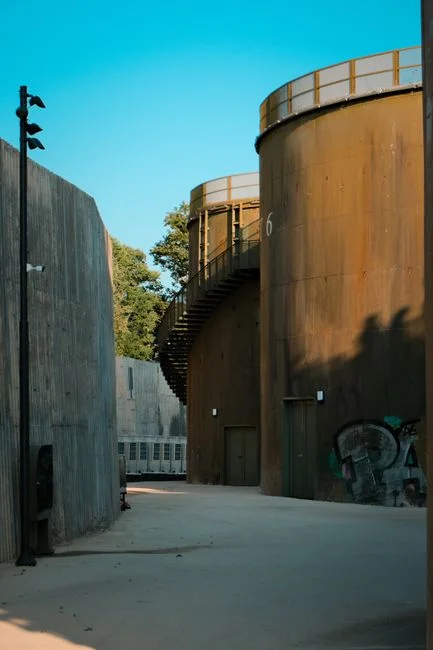
A DAF unit is a physical separation stage within a treatment train, while an ETP is the assembly required to achieve the final treatment objective. In a conceptual DAF sequence, wastewater is conditioned, microbubbles are generated, floatable contaminants rise, and the float is removed automatically by skimming.
Where downstream biological or membrane treatment will be used, DAF can be positioned upstream to remove suspended solids and FOG that would otherwise increase the downstream load. The conceptual sequence is:
- Equalization and screening.
- pH adjustment or chemical coagulation where required, potentially using an automatic chemical dosing system.
- DAF for physical contaminants.
- Biological treatment or fine-solids treatment where the objective requires it.
- Polishing or disinfection where the reuse or discharge objective requires it.
- Sludge handling and dewatering.
This sequence is conceptual because the supplied research does not provide stage-specific flow diagrams, universal treatment ratios, or a project process-design basis. Stage selection must follow from the wastewater analysis and receiving requirements.
The supplied HydropureWater catalog states that its industrial DAF system range covers 4–300 m³/h across 13 standard models. It specifies microbubble technology, automatic skimming, and applications including food processing, pulp and paper, textile, metalworking, petrochemical, and municipal pretreatment. These are catalog facts about equipment capacity and application scope, not evidence of site-specific removal performance.
The MDPI research also cites a comparative study of chemical coagulation/precipitation with coagulation/dissolved air flotation for personal-care-products wastewater pretreatment. Its relevance is process positioning: DAF is evaluated as a pretreatment operation within an engineered treatment sequence. Further differentiation is available in the supplier’s discussion of DAF and sedimentation for industrial wastewater and the key differences between DAF and induced-air flotation.
Match the Treatment Configuration to the Factory
The correct configuration follows the contaminant burden and the final duty: physical separation alone, a complete treatment train, or DAF protecting downstream stages. A DAF catalogue scope cannot substitute for the site’s untreated wastewater characterization or receiving conditions.
| Configuration | Primary contaminants and suitable situation | Expected role and output | Remaining design inputs |
|---|---|---|---|
| DAF-only pretreatment | Suspended solids, FOG, oil and grease, and colloidal matter; suitable where these dominate the immediate treatment problem. | Physical separation stage with automatic skimming; final permit or reuse compliance still depends on the rest of the selected train. | Wastewater analysis, flow and peak demand, solids or oil loading, chemical demand, receiving route, and downstream treatment route. |
| Full ETP | Factories requiring biological treatment, dissolved-contaminant management, fine-solids removal, disinfection, or reuse in addition to physical separation. | Complete treatment train that may include equalization, biological treatment, filtration, disinfection, and sludge dewatering. | Final effluent objective, complete contaminant profile, biodegradability, operating schedule, sludge characteristics, and site constraints. |
| DAF plus downstream ETP stages | Mixed wastewater where solids, FOG, oil and grease, or colloids could interfere with biological or membrane processes while broader treatment remains necessary. | DAF protects and reduces the load on downstream biological, membrane, filtration, or polishing stages. | DAF loading, required downstream quality, chemical compatibility, residual sludge handling, and performance criteria for every stage. |
For DAF-only pretreatment, the supplied catalog expressly covers suspended solids, FOG, oil and grease, and colloidal matter. That supports selecting DAF for a defined physical-separation duty; it does not establish dissolved-contaminant removal, biological treatment, disinfection, or reuse compliance.
A full ETP must be designed around the final objective. Flotation may form one stage, but equalization, biological treatment, filtration, disinfection, and sludge dewatering cannot be inferred from a DAF datasheet. For a combined train, place DAF upstream where physical contaminants could interfere with downstream biology or membranes, then specify the downstream stages from the treated-water requirement.
The MDPI study’s modeled reductions—1,026 L per T-shirt, 482 L per shirt, 1,609 L per bedsheet, and 2,443 L per pair of jeans with ETP and sewage treatment consideration—provide contextual evidence for chain-level benefits. They are not DAF equipment claims. The broader comparison in DAF versus alternative wastewater treatment should be used to define the alternatives to be included in an RFQ, not to replace project testing.
Size the DAF from Peak Demand and Solids Loading
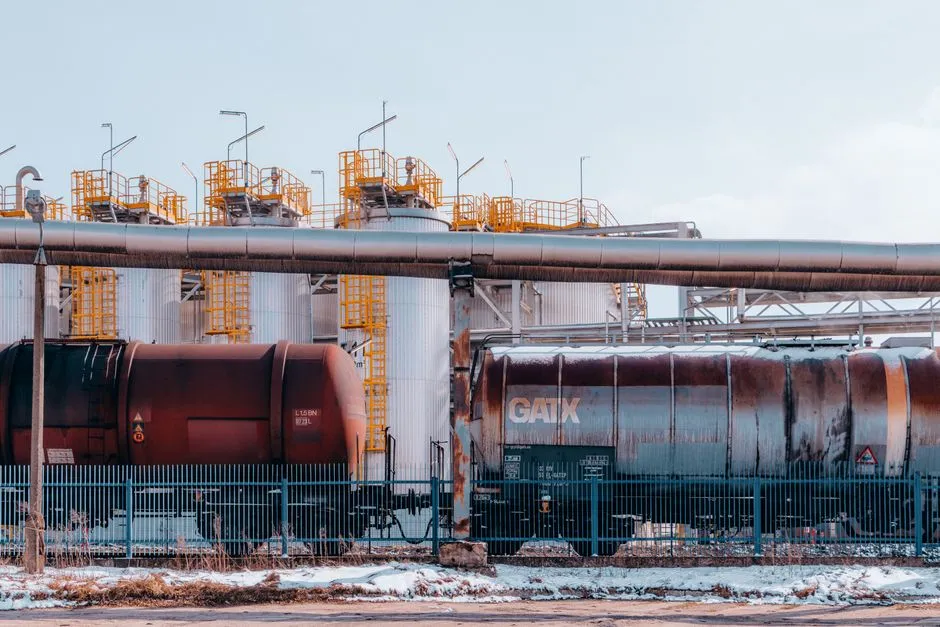
DAF sizing should be based on representative peak demand and the expected solids or oil-and-grease loading, not on nominal catalogue capacity alone. The supplied HydropureWater range of 4–300 m³/h across 13 standard models is an initial commercial screening range, not a final process calculation.
Map production cycles, batch dumps, clean-in-place flows, and equalization against the wastewater test results. Confirm whether the selected model can handle the combined hydraulic and contaminant duty after upstream conditioning. The 2026 DAF unit selection framework provides the appropriate sequence: representative wastewater tests, peak-flow analysis, and solids-loading checks before a model is fixed.
For oil, FOG, or emulsified wastewater, the treatment objective must also address how the contaminants enter the stream and whether the float will be pumpable and manageable. Use the dedicated oily wastewater process selection guide to assess DAF within the wider train, including conditioning, downstream treatment, and residual handling.
The supplied research contains no universal DAF loading rate, hydraulic retention time, or removal-efficiency guarantee. Those values must be derived by the supplier or process designer from project-specific wastewater tests and stated design assumptions. A quotation should therefore identify the design flow, peak-flow basis, expected contaminant loading, operating duty cycle, and the performance basis used to select the equipment. If those items are absent, the model is not yet technically specified.
Specify Equipment, Controls, and Supplier Deliverables
A comparable RFQ must state the treatment route, design basis, performance objective, controls, ancillaries, and commercial deliverables. Comparing model names or headline flow rates without a common wastewater basis produces misleading quotations.
| RFQ item | Information or evidence to request |
|---|---|
| Design basis | Design flow, peak-flow basis, untreated wastewater assumptions, contaminant loadings, treated-water objective, and operating duty cycle. |
| Process scope | Included and excluded stages, including equalization, screening, chemical dosing, DAF, downstream treatment, polishing, and sludge handling. |
| Equipment and ancillaries | Drawing references, materials of construction, skid or installation arrangement, maintenance access, and all auxiliary equipment required for the stated duty. |
| Controls and operation | Control philosophy, automatic skimming arrangement, alarms, operator interfaces, utilities, and access for routine maintenance. |
| DAF performance definition | The supplier’s stated treatment basis for suspended solids, FOG, oil and grease, colloids, and the applicable treated-water or final-effluent criteria. |
| Project deliverables | Start-up, operator training, maintenance information, spare parts, warranty, commissioning records, and an agreed performance-test protocol. |
For a DAF, ask specifically how automatic skimming is executed and how the supplier defines the solids, FOG, oil and grease, and colloidal-removal duty. A separate DAF supplier specification review can help identify missing drawings, controls, and service scope.
The supplied research provides no reliable standard project price or delivery lead time. Request a quotation with the wastewater analysis, average and peak flow, final treatment objective, site constraints, preferred controls, and sludge-handling requirements stated. Treat an unexplained treatment guarantee as a commercial risk: the available catalogue gives equipment capacity and application scope, but no universal project performance guarantee.
Frequently Asked Questions
Can a Rome factory start with a DAF system?
Yes, if the defined duty is physical separation of suspended solids, FOG, oil and grease, or colloidal matter and another approved stage will address the final treatment requirement. A DAF alone does not establish compliance for dissolved contaminants, biodegradable organics, disinfection, or industrial wastewater reuse targets. Verify this against the site’s current permit and sewer-entry or reuse conditions.
How should a buyer obtain a DAF price?
Include the wastewater analysis, average and peak flow, final treatment objective, site constraints, controls, and sludge-handling requirements in the RFQ. Request an itemized price and stated exclusions so quotations can be compared. The supplied research contains no reliable standard price, so a budget should not be based on an assumed unit rate.
How should a factory select a treatment-plant supplier?
Prioritize project-relevant evidence, transparent design assumptions, stated inlet and outlet conditions, included ancillaries, control documentation, training, commissioning support, and performance-test provisions. Do not select on catalogue capacity alone. Ask the supplier to show how its proposed configuration addresses the tested contaminants and the final discharge or reuse objective.
Can a DAF be the complete ETP?
Only where the required outcome is limited to a physical contaminant-removal duty and the applicable receiving rules accept that performance. A complete ETP may require biological treatment, fine-solids removal, disinfection, reuse treatment, and sludge management; none can be assumed from a DAF specification. The supplier’s DAF supplier-selection and compliance review provides a useful distinction between equipment capacity, process scope, and final compliance evidence.
What must a Rome buyer verify locally?
Obtain the site’s current environmental authorization, sewer-entry conditions, receiving-body requirements, and any applicable industrial wastewater reuse specification. Confirm the monitoring parameters and final treatment objective with the relevant authority or receiving body, then use those requirements in the wastewater test plan and equipment RFQ.