Why Textile Wastewater Makes Chemical Dosing Difficult
Textile wastewater varies because production is organized around batch operations, and the chemical mixture reaching treatment changes with desizing, scouring, bleaching, dyeing and finishing. The 2026 EPJ Web of Conferences study, “Optimization of chemical dosing for enhanced treatment of textile industrial wastewater,” describes denim washing wastewater as highly turbid, intensely colored and high in COD and suspended solids because it contains dyes, surfactants and processing chemicals.
That variability makes a fixed chemical rate unreliable. A dose selected for a concentrated dye batch may be excessive when dilute washing water enters the equalization tank. Conversely, a conservative fixed rate may not destabilize particles or form a floc large enough for effective separation during a more demanding batch. The design should therefore respond to batch identity, flow, pH and—where justified by representative data—turbidity, color or other treatment signals.
The consequences are not limited to chemical cost. The EPJ study reports that over-dosing increases chemical consumption, sludge generation and operating costs, while under-dosing produces poor pollutant removal and possible non-compliance. It also warns that improper dosing can alter incoming wastewater and impair downstream biological treatment. The dosing system is therefore part of the treatment train, not an isolated chemical-delivery accessory.
Before sizing pumps or tanks, the buyer should establish how wastewater from each production route reaches equalization, how rapidly batches are discharged and which treatment steps precede coagulation. That operating context should be coordinated with the textile wastewater DAF system or clarification equipment, because chemical delivery must match the solids-separation duty it serves.
Define the Treatment Objective Before Choosing Equipment
A chemical dosing system for the textile industry should be designed from measured wastewater conditions and a defined treatment outcome, not from a catalogue flow rate. Collect representative samples across the production cycle and characterize flow, pH, turbidity, color, COD, suspended solids and chemicals already present in the stream. The sampling plan must include the wastewater that actually reaches the equalization tank; sampling only a convenient production line can conceal batch interactions.
Map each target to a treatment function. Coagulant addition prepares particles for separation; flocculant addition supports aggregate formation; pH correction establishes a suitable chemical condition for the selected treatment package. Downstream biological or polishing requirements may impose further controls. A unit operation such as high-efficiency sedimentation equipment cannot be evaluated independently of the conditioning chemistry delivered ahead of it.
The EPJ study’s optimum of 85 mg/L alum, 2.5 mg/L polyacrylamide and pH 6.8 is evidence from one denim-washing study, not a universal prescription. It achieved 96% turbidity removal, 91% color removal and 85% COD removal under the study’s conditions. Its pilot effluent remained within applicable discharge standards, but that statement does not establish compliance for another plant or permit.
The US EPA states that textile-mill effluent limitations under 40 CFR Part 410 vary by subcategory and are incorporated into NPDES permits for direct dischargers. A buyer should obtain the applicable permit, category and monitoring requirements from the regulator or permit authority. An equipment supplier’s general statement that a system is “compliant” is not a substitute for that permit-based review.
| Design input | What the buyer must establish | Decision enabled |
|---|---|---|
| Representative wastewater | Flow, pH, turbidity, color, COD, suspended solids and process chemicals across relevant batches | Treatment objective, chemical package and test plan |
| Production sequence | Which batch types enter equalization and how they mix | Control mode and recipe structure |
| Downstream train | DAF, clarification, biological treatment, polishing and sludge handling | Conditioning, mixing and solids-separation requirements |
| Regulatory basis | Applicable permit, subcategory and monitoring obligations | Performance demonstration and compliance records |
Select the Right Chemicals and Dosing Duties
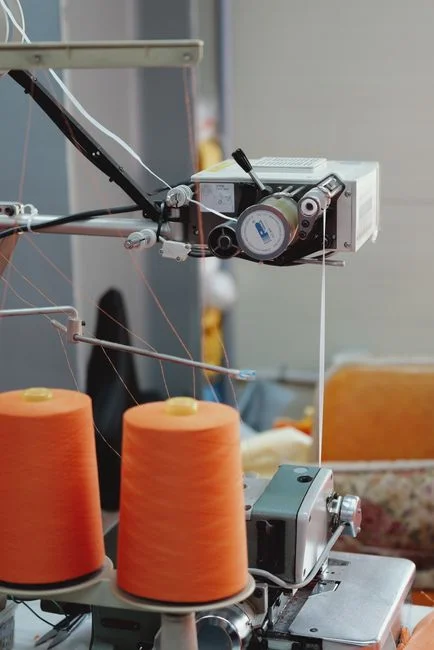
Coagulants, flocculants and pH adjusters perform different functions and should not be specified as interchangeable. A coagulant destabilizes particles so they can aggregate; a flocculant aids aggregate formation; a pH adjuster creates the chemical condition required for treatment. The supplied research supports these qualitative roles but does not establish universal application rates for textile wastewater.
Optimize the package jointly. The 2026 EPJ study evaluated alum, polyacrylamide and pH together, finding its best reported condition at 85 mg/L alum, 2.5 mg/L polyacrylamide and pH 6.8. Altering one chemical or leaving pH unchanged can change the performance of the others. Representative jar testing should therefore examine the proposed chemical combination, wastewater variation and expected operating sequence rather than isolate one product.
Over-dosing can itself become a process problem. The EPJ study associates excess alum, ferric chloride or PAC with unnecessary chemical use, increased sludge production, higher operating costs and potential residual-chemical or secondary-pollution concerns. Under-dosing carries the opposite risk: incomplete destabilization, poor floc development, reduced removal and carryover to downstream treatment.
| Chemical duty | Required control input | Common failure mode | Downstream equipment affected |
|---|---|---|---|
| Coagulant addition | Wastewater flow, batch identity, pH and validated treatment condition | Under-dosing leaves particles destabilized; over-dosing increases chemical use and sludge | DAF, clarifier and downstream solids separation |
| Flocculant addition | Coagulated wastewater condition, flow and mixing conditions | Poor floc development or excessive polymer carryover | DAF, clarifier and sludge handling |
| pH adjustment | Measured pH, target condition and chemical feed rate | Drift outside the validated chemical envelope | Coagulation, flocculation and downstream biological treatment |
Ask the selected coagulant and flocculant suppliers for compatibility information and technical support, then verify it with the plant’s actual dye and surfactant mixtures. A PLC-controlled automatic chemical dosing system can execute a validated recipe, but the controller cannot compensate for an unsuitable chemical package or an unverified setpoint.
Build the Dosing System Around Variable Batch Conditions
A traceable dosing architecture runs from equalization and characterization to controlled injection, mixing, solids separation and downstream treatment. The sequence is:
- Receive and equalize the batch wastewater.
- Acquire flow and pH, plus other signals only where they have a defined control purpose.
- Calculate the chemical duty from the selected recipe and measured process conditions.
- Prepare the chemical and meter it through the assigned injection point.
- Mix and form floc before the textile wastewater DAF system, clarification or other separation step.
- Monitor treatment performance, chemical consumption, alarms and downstream response.
The PLC should combine batch recipes, tank-level interlocks, flow-proportional control, pH correction and operator-entered setpoints. Not every plant requires fully automatic control, but the logic should be visible to operators, retain an event history and make manual intervention deliberate. A scheduled addition may suit relatively stable wastewater; a variable batch stream benefits from recipe-based sequencing and measured feedback.
The EPJ study’s six-month pilot provides useful evidence for feedback control: real-time control reduced coagulant consumption by 32% compared with manual dosing while maintaining effluent quality within discharge standards. This is a site-specific result, not an expected saving for every plant. Its value is architectural—it demonstrates the case for measuring actual conditions rather than relying only on a fixed setpoint.
Chemical feed must remain synchronized with available mixing and solids-separation capacity. A pump can deliver a technically correct dose into a treatment train that lacks sufficient mixing, flocculation time or solids-handling capability; the result will still be poor treatment. The automatic dosing system and downstream equipment should therefore be reviewed as one operating sequence.
| Process stage | Required output | Control record |
|---|---|---|
| Equalization and characterization | Representative mixed wastewater and known batch condition | Batch identity, flow and pH |
| Dose calculation | Chemical-specific setpoint within the validated operating envelope | Recipe, operator change and calculated dose |
| Preparation and metering | Correct chemical injected at the commanded rate | Pump output, tank level, low-level and fault alarms |
| Mixing, flocculation and separation | Stable floc and manageable solids loading | Equipment status and operating observations |
| Downstream treatment | Acceptable treatment performance and no adverse chemistry impact | Effluent results, biological response and sludge handling |
Compare Manual, Automated and Demand-Based Dosing
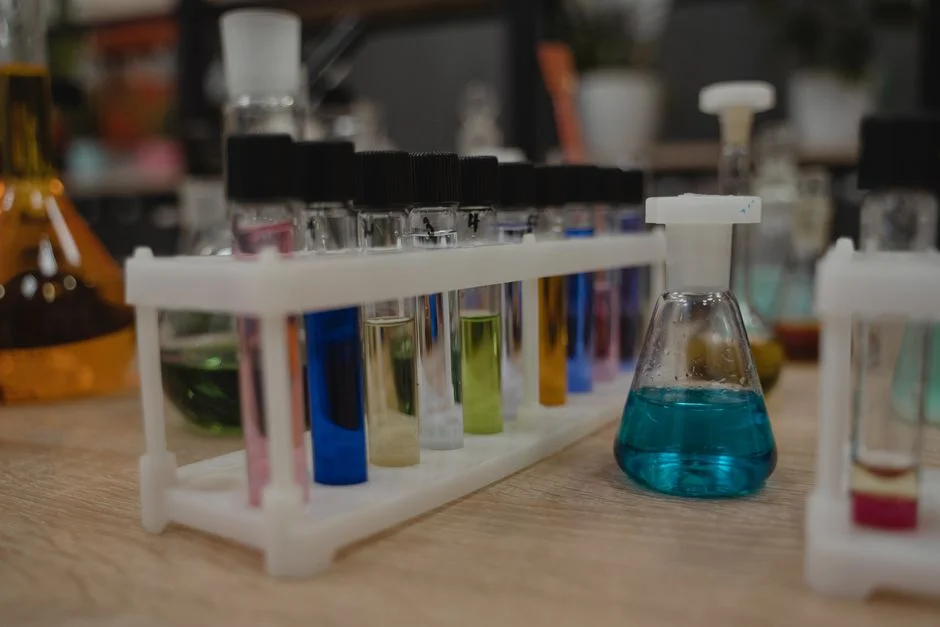
The appropriate control level depends on wastewater variability, operator availability, chemical constraints, downstream sensitivity and the need for auditable dosing records. Automation should solve a defined operating problem, not simply replace a pump with a more expensive one.
Fixed manual dosing responds only to operator judgment. Scheduled dosing adds a time basis but still ignores flow and chemistry. Flow-paced automation makes injection proportional to measured flow. Sensor- or model-assisted control can add pH, turbidity, color or another validated signal. Those signals are options, not mandatory features: each should have a defined action, acceptable range, alarm response and commissioning method.
The 2026 EPJ study compared conventional jar-test-based dosing with optimized dosing and reported 28% lower chemical consumption and 25% lower treatment costs under its conditions. It also reports 96% turbidity, 91% color and 85% COD removal at the stated optimum. These results support systematic optimization, but they do not establish a universal control architecture or guaranteed saving.
| Control level | What it responds to | Best fit | Main limitation |
|---|---|---|---|
| Fixed manual dosing | Operator-entered rate | Stable wastewater and close operator supervision | Does not track flow or chemistry changes |
| Scheduled or periodic dosing | Time and operator recipe | Repeatable batches with limited variation | Timing is not a measure of pollutant load |
| Flow-paced dosing | Measured flow and selected recipe | Variable batch flow with predictable chemistry | Flow alone does not reveal concentration or pH change |
| Demand-based dosing | Validated sensor or model outputs | Variable chemistry where feedback has demonstrated value | Requires calibration, validated logic and maintenance |
For a plant with material batch variability, automatic dosing is justified when chemical use, sludge generation or compliance exposure makes the control benefit worth the capital and operating burden. Keep manual confirmation and a traceable procedure for exceptions. Validate savings through a site baseline, controlled trial and chemical mass balance rather than importing the study’s percentage reductions into the business case.
Plan Commissioning, Monitoring and Chemical Savings
Commissioning should establish that the selected chemical package works with the plant’s wastewater and treatment train, not merely that the pumps energize. Begin with representative sampling and jar testing, then confirm the selected condition in a controlled plant trial before changing the full production recipe. Use the EPJ study’s 96% turbidity, 91% color and 85% COD removal result only as a comparison benchmark: equivalent results require comparable wastewater and operating conditions.
Maintain one operating record connecting chemical mass, treated flow, pH, turbidity, color, COD where appropriate, sludge generation, operating hours and effluent performance. The plant can then calculate chemical consumption per unit of treated wastewater from its own records and separate genuine efficiency gains from changes in production volume or wastewater composition.
| Commissioning stage | Action | Evidence to retain |
|---|---|---|
| Wastewater characterization | Sample across relevant production batches | Flow, pH, turbidity, color, COD, suspended solids and chemical-use context |
| Jar testing | Evaluate the complete chemical package | Test method, sample, doses, pH conditions and observed results |
| Plant trial | Run the selected condition under representative flow | Setpoints, chemical mass, operating observations and effluent results |
| Baseline comparison | Compare consumption, sludge and treatment performance | Normalized consumption and limitations of the comparison |
| Downstream review | Check biological treatment and sludge handling | Post-change performance and operating response |
Coordinate any major recipe change with operators responsible for downstream biological treatment and solids handling. The EPJ study specifically warns that altered wastewater chemistry can affect downstream biological units. If a new dose increases sludge, evaluate the consequences for clarification, storage and dewatering; the plate-and-frame filter press assessment should use the actual solids characteristics rather than assume improved chemical treatment automatically means easier sludge dewatering.
Ask Suppliers Questions That Reveal Delivery Risk
A credible quotation should define the delivered system, the proof required at acceptance and the division of responsibility between supplier and plant. An equipment list without control narratives, commissioning responsibilities or measurable acceptance criteria leaves significant process risk with the buyer.
Require the supplier to state whether the quotation includes tanks, agitation, metering pumps, instrumentation, PLC controls, electrical supply, skid piping, leak containment, commissioning and operator training. Ask how setpoints will be established using the buyer’s actual wastewater, and whether jar-test support, plant trial and performance verification are included. A supplier’s verified product capability—such as PLC-controlled injection of coagulants, flocculants, pH adjusters and specialty chemicals—does not by itself verify plant performance.
Review the proposed alarm response, pump-changeover method, tank-low-level protection, calibration procedure, spare-parts list and technical documentation. Require the supplier to state which parameters it will demonstrate, how they will be measured, what constitutes acceptance and who approves the final process setpoints. The plant should retain authority over treatment decisions without leaving the supplier without defined duties.
| Supplier question | Acceptable evidence | Risk if missing |
|---|---|---|
| What is included in the package? | Itemized equipment, controls, electrical, piping, containment, commissioning and training scope | Unpriced additions and installation disputes |
| How will buyer-specific setpoints be established? | Wastewater characterization, test plan, trial method and setpoint-approval process | Unsupported transfer of generic dosing rates |
| How will failures be handled? | Low-level, pump-changeover, power-loss and instrument-fault narratives | Over-dosing, loss of treatment or unsafe chemical handling |
| What will be tested at acceptance? | Named parameters, test method, acceptance condition and responsible party | Disagreement over demonstrated performance |
| How does the package interface with the permit? | Permit-based review for direct dischargers | Reliance on a generic compliance claim |
For direct dischargers, require a permit-interface review. The US EPA notes that 40 CFR Part 410 effluent limitations vary by subcategory and are incorporated into NPDES permits. The supplier should explain what the system can measure, control and record; the permit authority determines the applicable compliance obligation.
Frequently Asked Questions
How much does a chemical dosing system for the textile industry cost?
The supplied research does not provide a general equipment price. Ask suppliers to price the complete scope: chemical duties, required flow range, pump and tank count, instrumentation, PLC and electrical requirements, skid construction, containment, commissioning, site trial, training and validation. A single package total is more useful for comparison when the same exclusions and acceptance conditions are included.
Should a textile plant choose manual or automatic chemical dosing?
Choose automatic control when batch variability and the consequences of chemical over- or under-dosing justify it, while retaining manual confirmation and a traceable operating procedure. The EPJ study’s six-month pilot reported 32% lower coagulant consumption under real-time control than manual dosing, but that result must be validated with the plant’s wastewater before it enters a business case.
What size chemical dosing system does a denim wastewater plant need?
Provide representative peak and minimum flow, each chemical’s validated operating range, required tank autonomy, dosing schedule, available utilities and downstream treatment capacity. No universal capacity can be inferred from the supplied research. Require the supplier to show how the proposed tanks and metering pumps cover those inputs, including duty arrangements and low-level protection.
How do I prevent under-dosing and over-dosing in textile wastewater treatment?
Characterize representative wastewater, optimize the chemical package together, verify it through controlled testing, and coordinate dosing with mixing and solids separation. Track chemical mass, flow, pH, treatment results and sludge generation, then review the recipe whenever production chemistry changes. The automatic chemical dosing package should be evaluated on this operating evidence rather than on pump capacity alone.
Does an automatic dosing system guarantee regulatory compliance?
No. The US EPA states that textile-mill effluent limitations vary by subcategory and are incorporated into NPDES permits for direct dischargers. Compliance depends on the applicable permit, treatment performance and monitoring, not on the presence of automatic controls. Obtain the plant’s permit and require the proposed system’s measurement and control scope to be reviewed against it.