What Makes Ivory Coast Textile Effluent Difficult to Treat?
Textile wastewater treatment in Ivory Coast requires a staged train that addresses suspended solids, colour, COD, salts and residual dyes before discharge or reuse. A practical route starts with equalization and coagulation, uses DAF to remove suspended and colloidal material, continues with biological treatment for biodegradable organics, and adds polishing for recalcitrant COD, colour and specific chemicals. S1 reports a maximum methyl orange adsorption quantity of 58.139 mg g-1 for Bingerville clay, supporting local pilot testing. S5 notes that around 20% of dyestuffs used in bleaching and dyeing remain in wastewater. Final equipment sizing should follow site-specific testing and permit requirements.
The first design error is applying one generic treatment recipe to every mill stream. Dye-house, bleaching, washing, finishing and concentrated process streams should be separated at source, then characterized independently. A stream that is relatively dilute but high in colour can impose a different adsorption duty from a high-flow wash stream dominated by COD and suspended solids. Batch discharges and changes in dye chemistry also make a single average-flow design basis unreliable.
Site characterization should cover colour, COD, BOD, pH, conductivity or salinity, suspended solids, temperature and flow rate. Sampling must represent normal production, peak discharge, batch dumping, cleaning operations and shutdown or start-up. The supplied research does not provide universal Côte d’Ivoire textile discharge limits, so the applicable environmental authorization, sewer acceptance conditions and any reuse specification should control the design.
Consider the micro-bubble flotation process for textile wastewater when comparing clarification options, but do not use it to infer performance for an uncharacterized mill. The correct sequence is to establish what each stream contains, identify the receiving or reuse requirement, and then assign a treatment duty to each process.
| Design input | Why it matters | Evidence needed from the mill |
|---|---|---|
| Flow and discharge timing | Controls equalization, DAF and biological hydraulic capacity. | Continuous flow record, peak flow, batch volumes and operating calendar. |
| COD and BOD | Defines biological load and the need for polishing. | Stream-specific laboratory data across operating conditions. |
| Colour and dye identity | Determines whether coagulation, adsorption or oxidation is required. | Colour measurements, dye inventory and representative samples. |
| pH, suspended solids, salinity and temperature | Affects coagulation, biological compatibility and equipment selection. | Test results and the proposed chemical and biological operating range. |
| Discharge or reuse route | Sets the final performance target and evidence required. | Permit, sewer conditions and end-use water-quality specification. |
Build a Treatment Train Around the Contaminant
A textile mill ETP should assign each process a defined contaminant-removal duty before equipment is selected. Equalization, screening and pH control stabilize variable effluent; coagulation and DAF remove suspended solids, colloids, oil and grease and part of the particulate dye load; biological treatment handles biodegradable organics after the wastewater is made biologically compatible; and tertiary treatment addresses residual colour, recalcitrant COD or specific chemicals.
The decision sequence is straightforward:
- Separate and equalize the relevant process streams.
- Screen the wastewater and establish pH control and chemical dosing.
- Apply coagulation and clarification for suspended, colloidal and particulate material.
- Provide biological treatment where the characterized BOD and COD load justifies it.
- Polish the final effluent where colour, recalcitrant COD, membrane protection or reuse requires it.
For the flotation stage, a textile wastewater DAF pretreatment system is available in 13 standard models covering 4–300 m³/h. That range identifies catalog configurations; it does not establish the required flotation area, solids capacity or removal performance for a specific mill. Those duties still require stream data and pilot or vendor design calculations. Automatic chemical preparation and dosing should be matched to the coagulant selected through jar testing rather than fixed in advance.
Biological treatment should not be assigned a universal Côte d’Ivoire hydraulic retention time or organic loading rate because the supplied sources do not provide those values. The designer must establish the biodegradable fraction, nutrient and alkalinity requirements, temperature, inhibition risk, hydraulic variation and required clarification before selecting a biological configuration.
Arvia Technology’s Textile Industry Wastewater Treatment source describes primary and secondary processes as targeting bulk contaminants, leaving recalcitrant chemicals for tertiary treatment. The same source identifies the Nyex process as a final polishing step. For a procurement brief, the relevant distinction is functional: DAF protects downstream biological capacity; biological treatment reduces biodegradable organics; and polishing addresses the residual properties required by the final discharge or reuse route.
| Treatment stage | Primary duty | Design basis to verify |
|---|---|---|
| Equalization and screening | Flow and load stabilization; removal of coarse material. | Peak and batch flow, flow-duration record, screening requirements and tank operating strategy. |
| Coagulation and pH control | Destabilization and aggregation of selected pollutants. | Jar tests, coagulant dose, pH range, mixing and sludge generation. |
| DAF clarification | Separation of suspended solids, colloids, oil and grease and particulate dye. | Hydraulic peak, solids loading, flotation performance and sludge characteristics. |
| Biological treatment | Removal of biodegradable organics. | COD/BOD characterization, compatibility, temperature, nutrients and clarification. |
| Tertiary polishing | Residual colour, recalcitrant COD or selected chemical removal. | Final water target, compound identity, pilot removal and residual-waste route. |
Compare Local Adsorption with Commercial Treatment
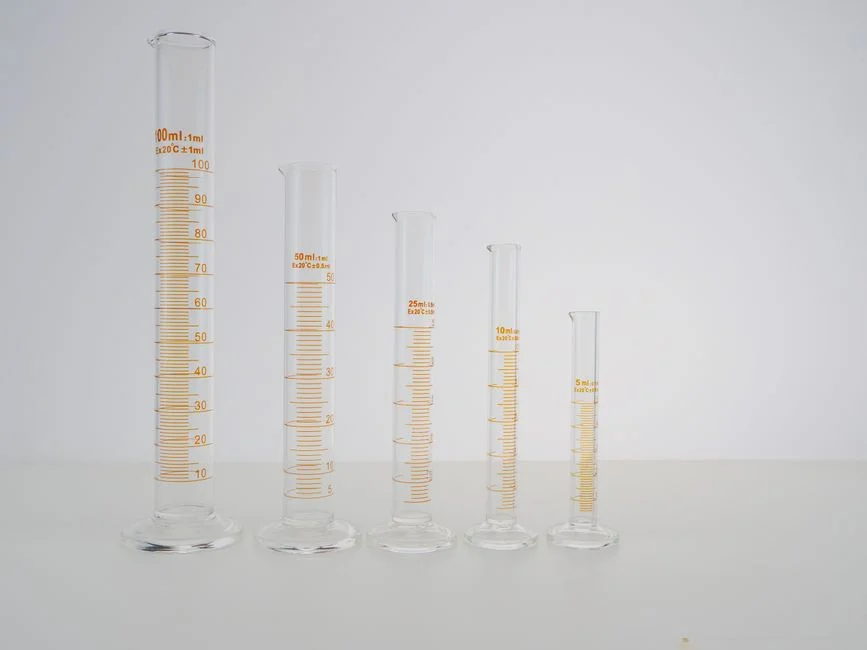
Bingerville clay has demonstrated adsorptive removal of methyl orange from aqueous media, with S1 reporting a maximum adsorbed quantity of 58.139 mg g-1. That result supports a local pilot, not automatic selection for full-scale textile effluent treatment. The study scope does not demonstrate simultaneous removal of all textile dyes, COD, salts or metals, and it does not establish regeneration performance.
For a mill, the relevant comparison is not simply “local clay versus activated carbon.” It is the performance and residual-management cost of each option on the actual effluent. A site-water test should use representative mill effluent and measure the residual adsorption curve, solids created, removal of the pollutants relevant to the permit or reuse target, and the mass balance around media replacement or regeneration. Without these data, the published 58.139 mg g-1 value cannot be transferred to a plant duty calculation.
Commercial media may offer more controlled application, integrated vessel design and documented servicing, but it also introduces a renewal and disposal route. Arvia Technology’s 2026 textile treatment source states that granular activated carbon can carry significant environmental cost from trucking spent media for renewal or disposal. That cost belongs in the comparison alongside purchase price, energy, labour, chemical consumption, media life and residual handling.
Commercial adsorption, oxidation and membrane systems should also be evaluated for their actual roles. A membrane is not a substitute for bulk solids removal unless the pretreatment and fouling strategy support it. Oxidation may improve colour or recalcitrant COD but can increase oxygen demand or alter by-products; the supplied research does not establish those site-specific effects. The correct choice follows the required outlet quality and the verified behavior of the actual wastewater.
The available treatment media, valves and accessories should therefore be specified around a defined polishing duty, tested media life and an accepted spent-media route.
| Decision point | Local clay option | Commercial treatment option |
|---|---|---|
| Evidence required | Site-water adsorption tests, residual curve and solids mass balance. | Site-water trial data, guaranteed outlet duties and operating evidence. |
| Treatment scope | S1 supports methyl orange adsorption in the studied system only. | May combine adsorption, oxidation, membranes or other controlled polishing duties. |
| Unresolved performance | Full-dye selectivity, COD removal, salt behaviour and regeneration. | Site-specific removal, fouling, media life and scale integration. |
| Residual management | Test spent clay, disposal or any feasible reuse route. | Plan media renewal, sludge handling and transport. |
| Commercial decision | Use pilot results to calculate dose, contact time and unit frequency. | Compare verified duty, utility demand, maintenance and residual handling. |
Size Each Unit from Verified Plant Data
Peak flow, average flow, minimum flow and batch-discharge data should define hydraulic duty; average flow alone cannot size a DAF, biological unit or polishing system. A mill that discharges concentrated dye batches may need equalization and controlled feed even when its daily average appears manageable. The sizing brief should also identify whether batch tanks are continuously mixed, how long concentrated streams are held and whether any stream can be segregated for separate treatment.
Each relevant discharge stream requires pH, COD, colour, suspended solids, salinity and toxicity data, together with the applicable permit or sewer acceptance criteria. A design flow table should reconcile production records with measured flows so that peak values are not obscured by averaging or unrepresentative sampling.
HydropureWater’s DAF range is 4–300 m³/h across 13 standard models. The closest catalog capacity can be selected only after confirming peak hydraulic flow, solids loading and required flotation performance. If batch handling is included, the assessment should also cover flow imbalance between equalization and treatment, chemical dosing turndown, control response and the plant’s maximum sustained operating condition.
Sludge dewatering should be designed from the expected solids quantity and required cake condition rather than copied from the DAF package. A textile sludge dewatering filter press is available with filtration areas from 1 m² to 500 m² and manual, hydraulic or fully automatic PLC-controlled operation. The selected configuration must match sludge volume, feed solids characteristics, operating cycle, cake discharge and cleaning requirements.
Arvia Technology’s 2026 source states that the Nyex tertiary process has assisted clients with COD consent limits of up to 30 mg/L. This is a supplier-reported example, not a Côte d’Ivoire regulatory threshold and not a guaranteed outcome for an untreated textile mill. It should not be copied into an owner’s requirement without site-specific pilot evidence and the applicable consent condition.
| Unit | Minimum sizing inputs | Acceptance information required |
|---|---|---|
| Equalization | Average, peak and minimum flow; batch volume; operating profile. | Verified containment duty and mixing strategy. |
| DAF | Peak flow, solids loading, pH, coagulant dose and required separation. | Performance duty under representative feed conditions. |
| Biological treatment | Biodegradable COD/BOD, temperature, nutrients, alkalinity and inhibition. | Clarification and effluent-quality criteria. |
| Polishing | Residual colour, recalcitrant COD or target compounds. | Pilot removal, media life or membrane-fouling data. |
| Sludge dewatering | Solids generation, moisture characteristics, batch frequency and cake destination. | Feed compatibility, cycle time and cake-moisture basis. |
Plan Pilot Testing, Commissioning and Water Reuse
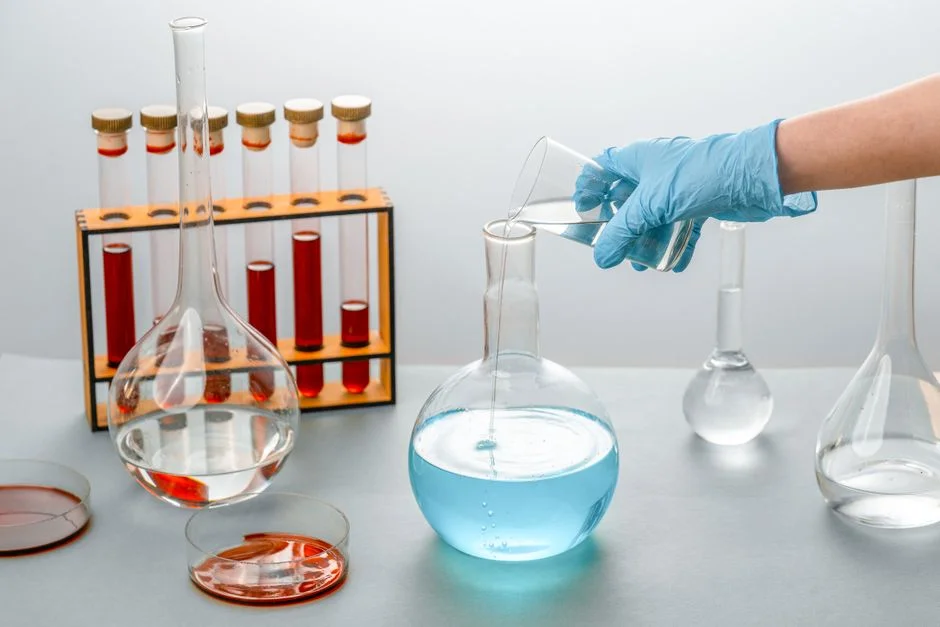
Pilot testing should resolve the design variables before the purchase order is finalized. Start with jar tests on site effluent to establish coagulant demand, the effective pH operating range and clarification performance. Include the actual dye mix and representative operating variability rather than relying only on a clean synthetic dye solution.
Then run a representative pilot campaign across the intended treatment train. For DAF, record inlet and outlet suspended solids, colour and relevant COD fractions while varying the confirmed operating conditions. For biological treatment, assess biodegradable removal, pH, temperature effects and response to load variation. For polishing, measure the specific residual pollutants that define the discharge or reuse target.
Commissioning should use agreed sampling points, test methods, operating conditions and acceptance criteria. Odour, colour and COD should be confirmed before handover because Arvia Technology’s 2026 source describes their removal as enabling reuse or discharge and positions tertiary treatment as a possible polishing step. Instrument calibration, controls, chemical storage, sludge routing, spare parts and operator training should also be demonstrated before acceptance.
For textile wastewater reuse, evaluate the end-use process, water chemistry, membrane compatibility and downstream quality targets separately. The supplied research does not state a universal textile reuse standard for Côte d’Ivoire, so the proposal must identify the specific reuse application and applicable health, process and authority requirements. A industrial ETP versus DAF selection guide can support the scope discussion, but it cannot replace mill-specific pilot evidence or a reuse specification.
Prepare the Supplier and Compliance Checklist
A defensible bid should state guaranteed process duties rather than offer equipment names and nominal capacities without design conditions. Require suppliers to submit hydraulic capacity, treatment duty, control philosophy, utility consumption, footprint, installation requirements, commissioning protocol, operating-cost assumptions and O&M support. The West African industrial effluent treatment buyer’s guide provides a useful regional procurement framework, but the governing wastewater characteristics must still come from the selected mill.
Ask each bidder to classify its performance evidence: guaranteed values for this project, pilot-derived values, or reference-project values. Require the evidence package to identify the wastewater tested, analytical methods, operating conditions, sample points, acceptance criteria and final discharge or reuse route. A reference project with different dye chemistry, salinity or hydraulic loading should not be presented as proof of performance at the proposed site.
Because the supplied results do not provide Côte d’Ivoire site-specific textile discharge limits, the applicable permit, environmental authorization and sewer conditions should be included in the supplier’s scope. The owner should also obtain current confirmation from the relevant authority rather than treating a supplier’s generic consent limit as the applicable standard.
Compare bids on the complete operating burden: chemical use, energy demand, media replacement, sludge handling, residual-waste routes, operator attendance and maintenance access. A DAF pretreatment proposal and its associated sludge dewatering filter press should be evaluated as parts of one treatment train, not as isolated products.
| Checklist area | Information to require from each bidder | Owner’s verification |
|---|---|---|
| Design basis | Measured flows, wastewater analyses, batch data and process assumptions. | Trace every duty to site data or a stated assumption. |
| Performance | Guaranteed outlet parameters, test methods and operating conditions. | Separate guarantees from pilot and reference values. |
| Compliance | Permit and sewer conditions used in the design. | Confirm the current applicable authorization with the authority. |
| Operations | Utilities, chemicals, media, sludge, waste routes and maintenance plan. | Check site access, storage, disposal and staff capability. |
| Commissioning | Protocol, performance tests, training, spares and handover documents. | Define acceptance sampling and remedy for failed tests. |
Frequently Asked Questions
What is the best treatment process for textile wastewater in Ivory Coast?
Use a staged train selected from site data: equalization and pH control, coagulation and DAF for suspended and colloidal material, biological treatment for biodegradable organics, and polishing for residual colour, recalcitrant COD or specific chemicals. S1 makes Bingerville clay a credible local adsorption pilot option, but its methyl orange result must be verified with actual mill effluent before it is used for plant design.
How much does a textile wastewater treatment plant cost?
The supplied research contains no Côte d’Ivoire quotation, so a defensible cost cannot be stated without a site-specific scope. Request a capital and operating-cost breakdown covering equalization, DAF, chemical dosing, biological treatment, polishing, sludge dewatering, utilities, installation, commissioning, media replacement, chemical use, energy and residual-waste routes. Keep the alternative local-clay and commercial-media cases in the same comparison.
Should a factory choose DAF capacity using average or peak flow?
Size DAF from verified peak and batch-discharge conditions, supported by solids-loading and flotation-performance data. Average flow can describe annual or daily utilization, but it does not establish the required clarification capacity. For the available equipment, confirm the duty against the 4–300 m³/h model range and the plant’s maximum sustained operating condition.
How do I select a textile wastewater treatment supplier in Côte d’Ivoire?
Select on verified wastewater duty and handover evidence, not only equipment price. Require the supplier to identify guaranteed, pilot-derived and reference-project performance separately, and to submit the applicable permit, sewer or reuse conditions, utilities, sludge route, commissioning protocol and O&M support for a regional industrial wastewater procurement assessment.
Can Bingerville clay replace commercial activated carbon?
Do not decide from the published adsorption value alone. S1 reports a maximum methyl orange adsorption quantity of 58.139 mg g-1 in its studied aqueous system; it does not establish performance for all textile dyes, COD, salts or metals, nor regeneration. Run side-by-side tests with actual effluent, then compare residual removal, solids generation, media life or regeneration, energy, labour, replacement and disposal before making the selection.