
What Micro Bubble Flotation Does in a Textile ETP
Micro-bubble flotation pairs a coagulation step with a generator that produces bubbles in the tens-of-micrometres range, replacing the saturator and needle-valve pair of a conventional DAF. In trials on real textile dyeing wastewater, this single hardware swap — keeping coagulant type and dose constant — was enough to raise COD removal by 30%, color removal by 110% and oil removal by 40% compared with a conventional air-bubble flotator at the same conditions, while also raising the BOD/COD biodegradability index from 0.290 to 0.363 (Zheng et al., 2010, Separation and Purification Technology, https://sciencedirect.com/science/article/abs/pii/S1383586610000055). The reason is bubble physics, not chemistry.
For a textile mill, the relevant influent is a multi-contaminant stream. An inventory of a single textile mill liquor identified more than 100 chemical substances, including dyestuffs, wetting and scouring agents, size and de-size auxiliaries, complexing agents, dispersants, stabilizers, reducing agents, lubricants, softeners and alkali (Ozturk et al., 2009, as cited in Zheng et al., 2010). Micro-bubble flotation targets the colloidal, emulsified and surface-active fraction of this stream — reactive and disperse dyes, sizing residues, knitting-machine oils and scouring emulsions — that conventional sedimentation handles poorly and that overloaded downstream biology.
The stage sits as primary pretreatment ahead of biological treatment (activated sludge or MBR), which is the standard textile treatment train documented for dyeing wastewater (Zheng et al., 2010). It is not a stand-alone zero-liquid-discharge step, and it does not replace biology. It is a high-performance clarifier/DAF upgrade that strips color, oil and colloidal COD so the aeration tank receives a more biodegradable feed. For procurement, the practical product context is a DAF skid sized to the mill flow, such as the HydropureWater DAF systems for textile mills, with the saturator section reconfigured around a micro-bubble generator where the influent profile justifies the upgrade.
Why Bubble Size Changes Textile Effluent Numbers
The TCRI-A micro-bubble generator used in the dyeing-wastewater study produced a fog-like bubble population with roughly 67% of bubbles under 20 µm in diameter at an operating pressure of about 0.9 MPa, versus conventional DAF bubbles in the millimetre range (Zheng et al., 2010). Smaller bubbles rise more slowly, have a much higher specific surface area, and persist in the water column long enough to load colloidal dye and oil droplets onto their surface — the attachment step that flotation kinetics actually depends on.
That change in bubble size translates directly into a measured gas-transfer gain. The total mass-transfer coefficient KLa for micro-bubbles was 1.1754 min⁻¹, versus 0.7535 min⁻¹ for conventional air bubbles in the same reactor — a 1.56× lift (Zheng et al., 2010). In a coagulation-flotation context, KLa is a proxy for how rapidly dissolved oxygen and oxidising species reach floc surfaces, and for how effectively the rising bubble swarm scavenges colloidal organics. The downstream numbers followed: COD removal +30%, color removal +110%, oil removal +40% versus the conventional bubble baseline at identical coagulant dose (Zheng et al., 2010).
Equally important for biological design, the BOD/COD ratio rose from 0.290 in the raw wastewater to 0.363 after coagulation micro-bubble flotation, compared with only 0.301 after coagulation conventional air-bubble flotation (Zheng et al., 2010). A higher BOD/COD ratio at the inlet of the aeration tank means the biomass can degrade a larger fraction of the residual COD, which lowers aeration energy and reduces the load on any downstream MBR or tertiary polishing step. This is the single most defensible argument to put in front of mill management when justifying a micro-bubble retrofit: the same DAF footprint delivers both a cleaner effluent and a friendlier feed to biology.
For mills that also handle oily side-streams — scouring effluent, machine lubrication runoff — the oily-wastewater pilot data are directly relevant. A 75 L pilot reactor achieved 92% oil/water separation in one hour with NB/MB flotation, versus 4.62% for gravity settling in the same one-hour window, and the combination of NB/MB flotation with adsorption reached near-100% oil removal (Koirala, 2024, University of Northern British Columbia, https://doi.org/10.24124/2024/59452). The pilot is from oil-spill response work, but the physics — small bubbles, long residence, high attachment efficiency — apply to any emulsified oil stream a dye-house might co-treat.
Process Design Parameters for a Textile Micro-Bubble Flotation Unit
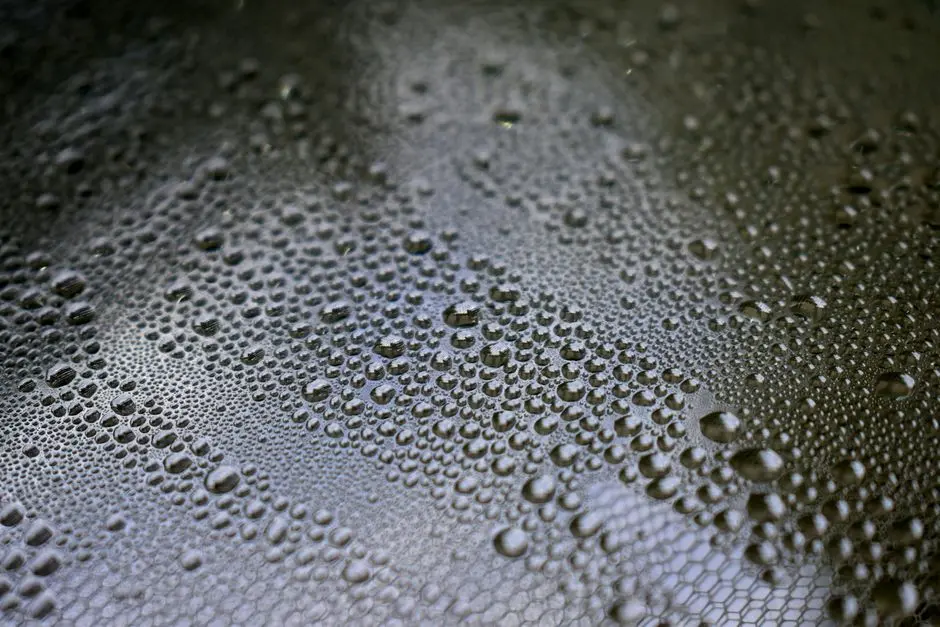
The working envelope for a textile micro-bubble flotation cell is set by three numbers: the bubble-generator pressure, the hydraulic residence time, and the coagulant dose band. The TCRI-A generator in the Zheng et al. study ran at about 0.9 MPa to maintain the sub-20 µm population that drove the removal gains; below that pressure the bubble size distribution shifts upward and the KLa advantage erodes. The pilot oily-wastewater work at the University of Northern British Columbia (Koirala, 2024) operated at a flotation time of 38 minutes at an initial oil concentration of 1,995 mg/L, which is a reasonable starting anchor for mills that co-treat high-oil streams, though textile-only influents are typically less concentrated than this oil-spill baseline.
Coagulant coupling in the Zheng et al. trial screened polyaluminium chloride (PAC), polymeric ferric sulphate (PFS) and aluminium sulphate (Al₂(SO₄)₃) across a 70–110 mg/L dose range expressed as Al or Fe, with pH uncontrolled at an influent value of 7.08 (Zheng et al., 2010). The 70–110 mg/L band is the screening window in the study — not a guaranteed dose for any given mill. Every dye-house influent is different, and a jar-test program on the actual liquor is the only way to fix the operating dose. The reactor geometry data are also useful: Koirala (2024) tested height-to-diameter (H/D) ratios of 10, 20 and 30 and found only a slight performance gain as the ratio increased, which means a short, squat tank is acceptable when floor height is constrained.
Pre-settling is optional. The same 2024 study found that introducing 45 minutes of gravity settling before micro-bubble flotation accelerated oil/water separation at the high initial-oil loadings tested, but for textile dye-house liquor — where the oil content is rarely that concentrated — a well-run jar test will tell you whether the extra tankage is worth the footprint. Automatic coagulant dosing for flotation pretreatment is the operational lever that keeps performance stable once the dose is fixed, and is the kind of specification item a buyer should request alongside the flotation skid itself.
| Parameter | Textile micro-bubble flotation (research envelope) | Source |
|---|---|---|
| Bubble-generator pressure | ~0.9 MPa to maintain sub-20 µm population | Zheng et al., 2010 |
| Bubble size distribution | ~67% of bubbles < 20 µm (fog-like) | Zheng et al., 2010 |
| Total mass-transfer coefficient KLa | 1.1754 min⁻¹ (micro-bubble) vs 0.7535 min⁻¹ (conventional) | Zheng et al., 2010 |
| Flotation residence time | 38 min at 1,995 mg/L initial oil (oily wastewater pilot anchor) | Koirala, 2024 |
| Coagulant screen (PAC, PFS, Al₂(SO₄)₃) | 70–110 mg/L as Al or Fe; jar-test to fix dose | Zheng et al., 2010 |
| Reactor H/D ratio | 10–30 tested; only slight gain at higher ratios | Koirala, 2024 |
| Optional pre-settling | 45 min gravity settling accelerated separation at high oil loadings | Koirala, 2024 |
Micro-Bubble Flotation vs Conventional DAF vs Biological Pretreatment
Conventional dissolved air flotation has been the workhorse primary stage for textile effluent for roughly sixty years, and it remains a sensible default for mills whose discharge problem is suspended solids, free oil and grease (Industria Textila, 2018, https://doi.org/10.35530/it.069.06.1501). Standard product offerings such as the HydropureWater DAF systems for textile mills cover 4–300 m³/h across 13 standard models and target exactly that suspended-solids and FOG envelope (HydropureWater product catalog, https://hydropurewater.com/product/4-dissolved-air-flotation-daf-machine.html). The case for upgrading to a micro-bubble generator inside that same skid is strongest when the conventional DAF already meets TSS limits but still leaves residual color, emulsified oil or colloidal COD that the downstream biology cannot fully polish.
The economic logic of the upgrade is that the bubble-generator retrofit is a hardware change, not a process-train change. The coagulation step, the skimmer, the sludge handling and the reactor footprint all stay the same; only the saturator and needle-valve assembly is replaced with a micro-bubble generator and the operating pressure moves up to roughly 0.9 MPa (Zheng et al., 2010). For a mill that already runs DAF and is fighting the colour-or-oil residual, this is the lowest-disruption path to a +30% COD / +110% color / +40% oil gain.
Combined trains are a third option. In the oily-wastewater work, NB/MB flotation followed by adsorption reached near-100% oil/water separation (Koirala, 2024). For a dye-house with a particularly stubborn auxiliaries stream, the equivalent train would be micro-bubble flotation ahead of an adsorption or ozonation polish, with biology downstream. The supplied research has no head-to-head micro-bubble-vs-biology-only trial on real textile liquor, so the honest answer to the "do I need flotation at all?" question is that the engineer must run that check on their own influent data: if biology alone hits the discharge color and COD targets with comfortable safety margin, a flotation stage is over-specified; if it does not, flotation is the cheapest insurance. For a broader treatment-stage decision framework, the DAF machine engineering and selection guide covers the conventional-DAF side, and the DAF vs clarifier decision guide addresses the older primary-clarifier comparison.
| Option | Best fit | Textile evidence | Key constraint |
|---|---|---|---|
| Conventional DAF | Mills with TSS/FOG as the main issue, biology robust on residual COD/color | 60 years of textile application; 4–300 m³/h standard model range | Limited gain on emulsified oil and reactive-dye color |
| Micro-bubble flotation (DAF upgrade) | Mills meeting TSS but failing on color, residual COD or oil emulsions | +30% COD, +110% color, +40% oil at same coagulant dose; BOD/COD 0.290 → 0.363 | Higher pump energy at ~0.9 MPa operating pressure |
| Combined flotation + adsorption/ozonation | Mills with high auxiliaries load or oily side-streams | NB/MB + adsorption ≈ 100% oil removal in oily wastewater | Adds a tertiary stage; OPEX and footprint rise |
| Biology-only | Mills with biodegradable influent and lenient color limits | Standard secondary stage; no head-to-head micro-bubble trial in the supplied research | Reactive azo dyes and sizing auxiliaries pass through poorly |
Sizing, Specification and Operating Cost Considerations
A defensible quotation for a micro-bubble flotation unit starts with eight inputs the buyer must put on the table: peak hourly flow, average daily flow, influent COD, influent color, influent oil and grease, influent TSS, target effluent limits, available floor height (because H/D affects sizing per Koirala, 2024), and the local power supply. Without these, any supplier number is guesswork. The coagulant choice — PAC, PFS or Al₂(SO₄)₃ in the 70–110 mg/L band — is fixed by jar testing on the actual liquor, not by the equipment vendor (Zheng et al., 2010).
The cost driver most often missed in early budgeting is pump energy. A micro-bubble generator running at roughly 0.9 MPa (Zheng et al., 2010) draws more compressor or pump power than a saturator-based DAF running at conventional pressures, and that line item should be priced separately in any quotation. The offsetting savings reported in the research are lower coagulant dose for the same COD/color removal and shorter flotation time than equivalent sedimentation (Zheng et al., 2010); whether those savings outweigh the higher pump energy is a mill-specific calculation that depends on local electricity tariffs and coagulant prices.
The supplied research does not include a per-cubic-metre OPEX figure for textile micro-bubble flotation, so any number offered before the jar test and the energy audit should be treated as a placeholder, not a quotation. The defensible buyer move is to ask each shortlisted supplier for a written line quote covering equipment, installation, pump/compressor power draw at the design flow, expected coagulant consumption at the design dose, and maintenance interval for the micro-bubble generator nozzles. A DAF platform such as the HydropureWater DAF systems for textile mills should be evaluated on whether the supplier can swap the saturator for a micro-bubble generator at the quoted operating pressure without redesigning the rest of the skid.
Integrating Micro-Bubble Flotation With the Rest of the Textile ETP
Upstream of the flotation cell, equalization and pH control are the first levers. The Zheng et al. (2010) dyeing-wastewater feed had a pH of 7.08 and was run uncontrolled, but in a real plant the coagulant choice (aluminium- vs iron-based) is pH-sensitive, and a jar-test program should sweep pH as a variable before the dose is fixed. After equalization, the feed enters coagulation — typically a flash mix followed by a slow-mix flocculation stage — and then the flotation cell where the micro-bubble generator does the solids-liquid separation.
Downstream, the lift in BOD/COD from 0.290 to 0.363 documented by Zheng et al. (2010) means the aeration tank of an activated-sludge or MBR stage receives a feed that is materially easier to biodegrade. For mills targeting reuse, this stage also reduces the fouling load on any downstream ultrafiltration or RO step, though that is a forward-looking note rather than part of the flotation specification. Sludge from the flotation cell — floated scum plus coagulant floc — needs a dewatering step; for any sized mill, a plate-and-frame filter press is the conventional pairing. For the biological step, an MBR integrated wastewater treatment train is the typical downstream partner in a modern textile ETP.
The whole train — equalization, coagulation, micro-bubble flotation, biological treatment, sludge dewatering, optional reuse polish — is what determines whether the flotation stage pays back. The micro-bubble retrofit is small in scope but large in leverage, because it improves both the effluent quality and the feed to the most expensive downstream stage.
Frequently Asked Questions
Is a micro-bubble retrofit worth it if our existing DAF already meets the TSS limit?
It depends on which limit is binding. If the mill is non-compliant on color, residual COD or emulsified oil, the Zheng et al. (2010) comparative data are directly relevant: at the same coagulant dose, micro-bubble flotation delivered +30% COD, +110% color and +40% oil removal versus a conventional air-bubble flotator, and raised BOD/COD from 0.290 to 0.363. If the binding parameter is total suspended solids only, the upgrade is harder to justify on effluent-quality grounds alone, though the biodegradability lift still benefits the downstream aeration tank.
What does a micro-bubble flotation system cost to buy and run for a textile ETP?
The supplied research does not give a $/m³ OPEX figure for textile micro-bubble flotation, so any number a vendor quotes before jar testing is a placeholder. The defensible action is to request a written line quote from each shortlisted supplier that breaks out equipment cost, pump and compressor power draw at the design flow (the micro-bubble generator runs at roughly 0.9 MPa per Zheng et al., 2010, which is the main energy line item), expected coagulant consumption at the jar-test-fixed dose, and the maintenance interval for the generator nozzles. The 70–110 mg/L coagulant band from Zheng et al. (2010) is the screening window for that line item, not a guaranteed dose.
Which supplier selection criteria matter most for a textile micro-bubble DAF?
Four items separate a defensible supplier from a catalogue reseller: proof that the bubble-generator can hold the sub-20 µm population at the design pressure (the Zheng et al. 2010 study reported about 67% of bubbles under 20 µm at ~0.9 MPa), a documented jar-test protocol on the actual dye-house liquor, a written energy draw at the design flow, and a maintenance plan for the generator nozzles. For a textile-specific retrofit, also ask whether the vendor can supply reference mills running the same chemistry (reactive, disperse, vat dyes) as yours.
Can biology alone handle textile dye-house effluent without a flotation stage?
The supplied research does not include a head-to-head micro-bubble-vs-biology-only trial on textile liquor, so this is a check the engineer must run on their own influent. The general principle, drawn from the Zheng et al. (2010) data, is that reactive azo dyes and many sizing auxiliaries pass through conventional biology with poor color removal and modest COD reduction, and that a flotation pretreatment both lowers the aeration-tank load and raises BOD/COD from 0.290 to 0.363. For a mill targeting water reuse, a flotation stage also reduces fouling on downstream membrane polishing.