Which Treatment Should a Pittsfield Factory Choose?
For petroleum bulk wastewater in Pittsfield, most factories should start with DAF when the priority is removing free oil, emulsified oil, FOG, and fine solids; choose a clarifier when the stream is dominated by heavy, readily settleable solids and lower operating cost is the main objective. The best decision is wastewater-specific: one source reports 95% oil and grease removal with DAF versus 70% for a clarifier on the same food-processing stream, while another reports 90% oil removal with DAF. A hybrid DAF-plus-clarifier train may be the most reliable choice for variable, mixed-contaminant streams.
That is a screening rule, not a final selection. The contaminant profile, flow variation, treatment objective, and downstream handling requirements determine the equipment basis. The Ecologix selection guidance explicitly recommends wastewater analysis before choosing between technologies. Its reported comparison also came from food processing rather than petroleum bulk wastewater, so the percentages should not be presented as a guarantee for a Pittsfield facility.
DAF is the stronger starting point when the stream contains meaningful free oil, emulsified oil, grease, or fine suspended solids. Its microbubbles attach to the contaminants and float them for surface skimming. A dissolved-air flotation system for petroleum wastewater should be considered first when oil and grease removal is the primary objective.
A clarifier becomes more attractive when the wastewater is dominated by heavier material that settles reliably and simpler gravity separation fits the plant’s operating priorities. In practical terms, do not ask vendors for a generic DAF or clarifier quote until the plant has characterized the wastewater and identified the required effluent or pretreatment objective.
How DAF and Clarifiers Separate Petroleum Wastewater
DAF separates oil, grease, and suspended material by flotation, while a clarifier separates solids by gravity sedimentation. This physical difference determines which contaminant each process handles most effectively.
During DAF microbubble flotation, air is introduced into the wastewater and released as microbubbles. The bubbles attach to suspended particles, oil, and grease, forming buoyant flocs that rise to the tank surface. The accumulated material is then removed by skimming. A clarifier, by contrast, relies on gravity sedimentation: heavier solids settle to the bottom and are withdrawn as sludge.
The comparative performance reported by Ecologix is useful for showing why contaminant character matters. For the same food-processing wastewater stream, the commercial source reports 95% oil and grease removal with DAF and 70% efficiency with a clarifier. That is a source-specific example, not a universal petroleum-wastewater guarantee. The stream’s oil content, solids, chemistry, and operating conditions were not presented as equivalent to a current Pittsfield discharge.
Hermann Hahn’s Fundamentals of Wastewater Flotation, published in 2010, reports that DAF can achieve 90% oil removal and identifies air-to-solids ratio, hydraulic loading, chemical addition, pressure, and flow rate as important design and operating variables. The age and broader wastewater scope of that work matter: its result should be used as supporting flotation evidence, not as a current design value for a petroleum plant.
Emulsified oil can be more difficult to recover than free oil because small droplets may resist attachment to bubbles. Chemical conditioning may be needed to destabilize the emulsion and create flocculent material. The appropriate coagulant, flocculant, dose, and pH adjustment require sample testing; an automatic chemical dosing system should be specified around those validated results rather than an assumed chemical recipe.
Wastewater Characteristics That Decide the Equipment
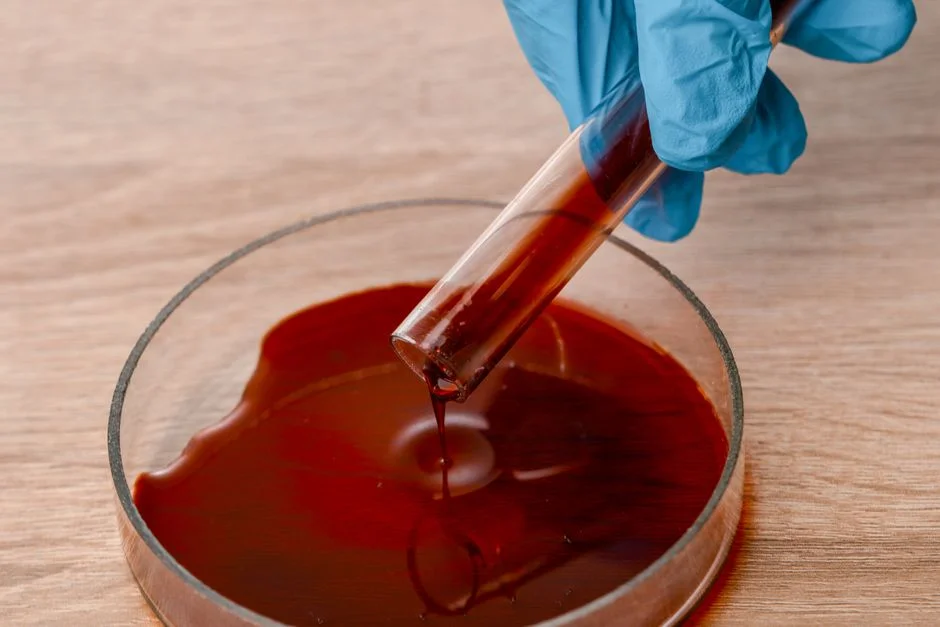
Dominant contaminant type provides the most useful first screen, but the plant must also quantify how the load changes over time. Equalization should be evaluated whenever slugging or variable discharges could carry oil, FOG, or solids into the treatment unit beyond its stable operating range.
| Dominant wastewater characteristic | Initial technology direction | Information to verify before sizing |
|---|---|---|
| Free oil, FOG, or emulsified oil | Start with DAF because its flotation mechanism is directed toward floating oil and grease; assess conditioning if the oil is emulsified. | Oil and grease, free versus emulsified oil, droplet condition, temperature, pH, peak and average flow. |
| Heavy, readily settleable solids | Start with lamella clarification, subject to confirmatory settling and treatment tests. | Suspended solids, settleable solids, particle distribution, grit, catalyst fines, sand, wax, and flow variation. |
| Mixed oil and solids | Compare DAF with a clarifier and evaluate a hybrid process. | Separate oil and solids measurements, expected loading range, treatment target, and downstream process. |
| Variable or slugging discharge | Evaluate equalization before selecting the final unit or hybrid train. | Operating schedule, slug frequency, retention-time basis, equalization volume, and worst-case load. |
Ecologix describes DAF as suitable for oils, greases, and fine solids, while clarifiers suit heavy solids and cost-conscious operations. Its mining example illustrates that direction: a clarifier reduced solids by 90% at lower cost. That result came from mining wastewater and cannot be transferred directly to petroleum treatment.
The sample program should measure oil and grease, suspended solids, settleable solids, emulsified oil, flow rate, flow variability, pH, and temperature. Any hydrocarbon concentration specifically required by the facility’s permit or receiving sewer authority should also be reported. The plant should identify whether the stream contains free oil, emulsified oil, sand, catalyst fines, wax, grit, and periodic slug loads.
Hahn’s flotation source states that equalization tanks can stabilize variable wastewater characteristics and improve treatment efficiency. For petroleum bulk wastewater, that means controlling the load presented to DAF or clarification, not simply smoothing the flow total. A vendor should therefore show how the proposed equipment responds to the measured oil and solids loads during equalization, startup, and discharge.
DAF Versus Clarifier: Performance, Operations, and Cost
DAF and a lamella clarifier differ in mechanism, operating demands, and the type of residue they create, so the economic comparison must include site-specific energy, chemicals, labor, maintenance, and disposal inputs.
| Procurement consideration | DAF | Lamella clarifier |
|---|---|---|
| Separation mechanism | Microbubbles attach to oil, grease, and particles; material rises and is skimmed. | Settling plates increase clarification area; solids settle and are withdrawn as sludge. |
| Best-fit contaminants | Free oil, FOG, emulsified oil subject to conditioning, and fine solids. | Heavy solids that settle reliably. |
| Key equipment and controls | Recycle, air generation, pressure control, chemical conditioning, and automatic skimming. | Flocculation, sludge recirculation, settling section, and sludge withdrawal. |
| Residue handling | Oil-bearing or solids-rich skim material must be collected, characterized, and disposed or recovered. | Bottom sludge must be removed and managed; solids properties depend on conditioning and settling. |
| Operating-cost direction | May be more cost-effective for specific oily contaminants, but air, recycle, chemicals, skimming, and maintenance require pricing. | Ecologix reports generally lower operating costs; actual site economics still require a utility and sludge-cost comparison. |
Available performance evidence remains bounded. Ecologix reports 95% oil and grease removal for DAF and 70% for a clarifier on one shared food-processing stream. Hahn’s 2010 flotation source reports up to 90% oil removal with DAF. Neither result supplies a default design value for a current petroleum bulk wastewater system.
For the clarifier alternative, the lamella clarifier for heavy-solids separation is specified at 20–40 m/h surface loading rates and up to 30% reduced chemical consumption. These are equipment specifications, not confirmation that the proposed unit will meet a Pittsfield treatment objective. Final sizing still depends on the actual wastewater, treatment target, and applicable design criteria.
Cost comparison should use the same duty basis for each alternative. Request separate estimates for equipment, installation, controls, equalization interfaces, chemicals, compressed air or other utilities, labor, maintenance, and final disposal of skim material or sludge. A low capital bid may be offset by higher air and chemical use, while a simple clarifier may create more sludge to manage.
A Practical Petroleum Pretreatment Process
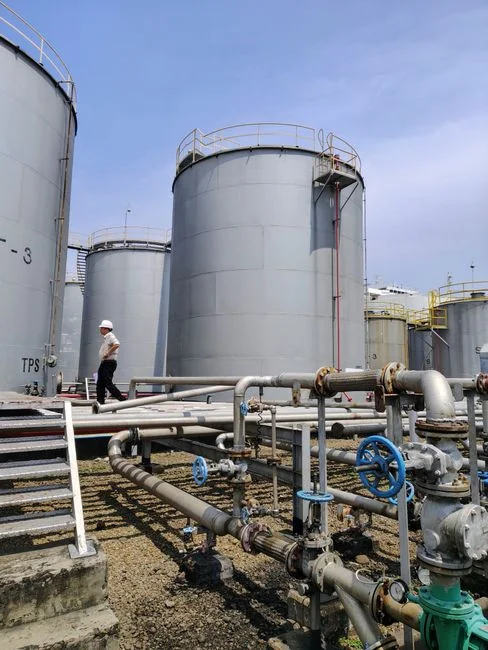
A reliable petroleum treatment train should stabilize and protect the wastewater before the selected separator, then route the separated oil and solids to an explicit downstream destination.
- Equalization and screening: Blend variable flows and remove coarse material before the treatment unit.
- Oil and solids protection: Add source isolation, grit removal, free-oil recovery, or another engineered barrier where the stream requires it.
- Primary separation: Apply DAF for oil and FOG removal or lamella clarification where heavy solids are the dominant load.
- Residual solids separation: Add clarification or filtration when the discharge basis requires it.
- Residue handling: Characterize and route recovered oil, DAF skim material, and clarifier sludge for recovery or disposal.
Automatic chemical dosing can control coagulant, flocculant, or pH adjustment, but no chemical or dose should be prescribed before testing. The dosing system should be linked to measured treatment variables and sized from the validated chemical demand rather than a generic equipment list.
Where a mixed petroleum stream contains both oil and heavy solids, DAF can precede clarification so flotation captures oily material and the clarifier handles residual settleable solids. Where the heavy-solids load dominates, clarification may precede DAF if that order better protects the flotation unit or meets the downstream objective. These arrangements need defined performance duties rather than a simple statement that two tanks are being combined.
For procurement feasibility, the DAF catalog includes 4–300 m³/h capacities across 13 standard models, with petrochemical and industrial pretreatment applications listed. Those catalog capacities should be checked against measured peak flow and the proposed equalization strategy. A plate-and-frame filter press may be relevant where the objective is dewatering sludge, but the presence of hydrocarbons, waxes, and hazardous constituents must be evaluated before that route is selected.
Residue handling can determine the practical economics. A lamella clarifier includes sludge recirculation and flocculation and produces bottom sludge. DAF produces surface-skimmed material. Neither route is complete until the facility defines collection, storage, recovery or disposal, and the applicable handling basis.
How to Size and Specify the System
Equipment should be sized from the measured contaminant load, hydraulic variation, and treatment objective—not average flow alone.
| RFP information | Minimum information requested from the buyer | Information required from the bidder |
|---|---|---|
| Wastewater characterization | Representative oil and grease, suspended solids, settleable solids, emulsified oil, temperature, pH, and applicable hydrocarbon data. | Design basis, assumptions, contaminant-loading calculations, and proposed performance objectives. |
| Hydraulics | Average and peak flow, operating schedule, slugging pattern, and proposed equalization volume. | Design flow, hydraulic loading, equalization response, and upset-flow operating limits. |
| DAF requirements | Measured oil and solids loads and required skimming or oil-recovery performance. | Air-to-solids ratio basis, recycle, air-generation system, pressure control, chemical concept, and automatic skimming arrangement. |
| Clarifier requirements | Settleable-solids profile and downstream solids target. | Surface loading rate, plate configuration, flocculation and sludge-recirculation arrangement, and chemical-consumption basis. |
| Discharge and downstream treatment | Direct discharge, sanitary sewer pretreatment, reuse, or subsequent biological or filtration requirements. | Receiving-discharge basis, treatment train interface, controls, maintenance access, and performance-test proposal. |
The wastewater package should include average and peak flow, operating schedule, equalization volume, oil and grease, suspended solids, temperature, and pH range. The treatment objective must be tied to the actual receiving basis rather than described only as “pretreatment.” Any applicable petroleum plant sewer-limit requirements should be identified in the RFP and confirmed with the receiving authority.
For DAF, require confirmation that the proposed unit addresses the measured oil and solids loads and includes the necessary recycle, air-generation, and automatic-skimming functions. For a lamella clarifier, request the proposed surface loading rate, flocculation and sludge-recirculation arrangement, and the basis for its claimed chemical-consumption reduction. The broader DAF versus clarifier comparison can help structure the technical evaluation, but the vendor must still demonstrate the design against the petroleum sample data.
Require a source or performance-test proposal for the selected contaminant mix. The available 95%, 70%, and 90% removal figures came from different industrial streams and were not presented as universal guarantees. Testing should establish chemical demand, solids capture, oil removal, and behavior under the expected flow range.
When a Hybrid DAF and Clarifier Is Better
A hybrid train is justified when the wastewater contains a meaningful oil or FOG load together with a substantial heavy-solids load that one separation mechanism is unlikely to handle consistently.
Ecologix explicitly states that DAF and clarifiers can be used together, with DAF providing oil removal and the clarifier providing sedimentation capability. That arrangement directly addresses mixed streams, but it also creates two distinct solids-handling and performance problems. Each unit needs a defined treatment objective, and the complete train needs a solids and oil balance rather than two disconnected sales scopes.
Equalization may be necessary before the hybrid train, particularly when slug loads vary. A DAF unit may already include a clarifier-like zone in some configurations, but that should not be confused with a defined hybrid process. If the objective is to protect downstream biological treatment, clarify whether the proposed integrated DAF-clarifier arrangement meets the required oil and solids results or whether a separate residual-solids stage is required.
The strongest reason to use both units is a demonstrated contaminant overlap: a heavy-solids load that reduces flotation reliability, or an oily load that interferes with the downstream solids-separation objective. Pilot or bench testing should use the actual petroleum wastewater, including emulsified oil and representative slugging conditions, before equipment selection or performance is guaranteed. Without that test, a hybrid purchase can simply add capital, controls, and residue streams without solving the limiting mechanism.
Frequently Asked Questions
Which option has the lower operating cost?
A clarifier generally has lower operating costs, while DAF may be more cost-effective for specific oily contaminants, according to Ecologix. Do not select a cost winner from flow alone. Request a site-specific estimate for energy, chemicals, labor, maintenance, and disposal of DAF skim material or clarifier sludge, using the same treatment objective for both bids.
Should a petroleum facility choose DAF or a clarifier?
DAF is commonly preferred for oil-rich petroleum wastewater because flotation is directed toward oil, grease, and fine solids. A clarifier is more appropriate for heavy solids that settle reliably. Supplier selection should follow representative sample analysis, the required treatment target, and a documented process design—not general industry reputation.
What information is required to size the system?
Require more than average flow. The sizing package needs peak flow, variability, oil and grease, suspended solids, settleable solids, emulsified oil, temperature, pH, and the downstream treatment objective. Ask each bidder to state its design flow, hydraulic basis, contaminant-loading calculations, and treatment objective.
Do the reported removal percentages guarantee performance?
No. Ecologix’s 95% and 70% results came from one food-processing stream, while Hahn’s 90% oil-removal figure came from broader flotation literature. These figures show application-specific results, not guarantees for current petroleum bulk wastewater. Request a source-based or site-specific test proposal using the actual contaminant mix. Pittsfield’s flotation history demonstrates local familiarity, but it does not replace present wastewater characterization and process engineering.