Why Senegal Needs Fit-for-Location Domestic Sewage Treatment
Domestic sewage treatment in Senegal often requires a decentralized solution because collection and management coverage remains limited, especially outside major urban networks. A 2026 Zenodo study in Nioro surveyed 664 residents and found that 82.8% disposed of domestic wastewater in streets, 12.4% in uninhabited areas or abandoned houses, and 3.9% in septic tanks. For buyers, selection should begin with flow, waste characteristics, site conditions, reuse objectives and permit requirements rather than equipment type alone.
The same 2026 study, titled “Production and Management Methods of Domestic Wastewater in the Department of Nioro du RIP,” used a mixed-methods approach combining quantitative and qualitative surveys with interviews involving the Nioro hygiene brigade, the regional sanitation service and five private contractors. It reports limited coverage of essential wastewater collection and management services in both urban and rural areas, as well as no collective wastewater treatment system in Nioro. The reported disposal practices therefore create a direct need to define a lawful collection and treatment route for each development.
The study links the unmanaged handling of domestic and rainwater wastewater to unsustainable practices and environmental and health concerns. It does not establish that one treatment technology resolves those concerns at every site. Buyers still need to establish the receiving environment, protect equipment from site conditions and obtain the applicable authorization.
For this guide, domestic sewage treatment means treatment of household wastewater and the domestic flows commonly associated with it. A hotel, clinic or housing project may also produce kitchen, laundry, medical or commercial wastewater, so the designer must confirm the exact waste stream before applying a domestic treatment process. The need for a compact installation should also be assessed alongside packaged sewage treatment plant sizing for housing developments.
| Evidence from the Nioro study | Reported result | Procurement implication |
|---|---|---|
| Study population | 664 residents | Findings describe Nioro conditions and should not be treated as universal Senegal-wide design criteria. |
| Disposal in streets | 82.8% | Collection and treatment requirements must be defined at the site and receiving point. |
| Disposal in uninhabited areas or abandoned houses | 12.4% | Discharge location alone does not demonstrate controlled treatment or environmental protection. |
| Disposal in septic tanks | 3.9% | Septic storage does not by itself establish a complete treatment and effluent-disposal solution. |
| Collective system in Nioro | None identified by the study | Decentralized treatment may be needed where connection to a sewer is unavailable. |
Define the Treatment Objective Before Selecting Equipment
The correct treatment system depends first on the required outcome: safe collection and treatment, discharge to an authorized receiving point, restricted irrigation or reuse, or installation where land is constrained. Each objective creates different process, monitoring and operating requirements, so the buyer should define the intended use of the treated water before asking suppliers to propose equipment.
Prepare the following site information for the designer:
- Average and peak domestic wastewater flow, with the basis for both values;
- Wastewater characteristics and any non-household contributions;
- Available footprint, burial depth and access for maintenance;
- Groundwater, flood and stormwater-ingress conditions;
- Power availability and the consequences of outages;
- Operator capacity and remote-monitoring expectations;
- The sludge removal and disposal route;
- Water-reuse requirements and the monitoring proposed for them; and
- Permit conditions applicable to the site and receiving point.
These inputs distinguish an automatic package installation from a more complex membrane plant. The WSZ underground package sewage treatment plant combines anoxic/aerobic biological contact oxidation, sedimentation and disinfection in one buried package, with a catalog range of 1–80 m³/h. The MBR membrane bioreactor for municipal sewage combines activated sludge with submerged PVDF membrane filtration for projects from 10–2,000 m³/day. These are catalog scopes, not automatic design selections.
Precipitation and drainage matter because the project may receive rainwater or suffer variable hydraulic conditions. The Preprints.org case study on Dakar’s built-up area reports that urban water-management rules historically emphasized rapid rainwater and wastewater disposal, while network degradation, rehabilitation costs and urban growth expose the limits of that approach. The study also identifies high, variable rainfall as affecting wastewater and drainage conditions. Buyers should therefore distinguish sanitary flow from stormwater and assess ingress rather than assuming the equipment will receive a constant wastewater load.
Decentralization is not a technology defect. The IntechOpen chapter “Application of Vermifiltration for Domestic Sewage Treatment” presents decentralised treatment as potentially viable even where conventional centralized systems serve a location. It describes vermifiltration as a process combining filtration with earthworms and reports its application to domestic septic-tank sewage.
| Project objective | Primary technical question | Information to fix before equipment selection |
|---|---|---|
| Safe collection and treatment | What treatment and disposal route will provide the required level of control? | Waste stream, flow profile, receiving point and permit basis. |
| Authorized discharge | What monitoring can demonstrate compliance at the discharge point? | Applicable authorization, sampling points and required parameters. |
| Restricted irrigation or reuse | Does the proposed process consistently meet the specified use conditions? | Reuse definition, exposure pathway, quality verification and treatment targets. |
| Compact installation | Can the complete process fit the available area and service zone? | Footprint, burial depth, access, power, odor control and sludge handling. |
Compare Decentralized, WSZ, and MBR Treatment Routes
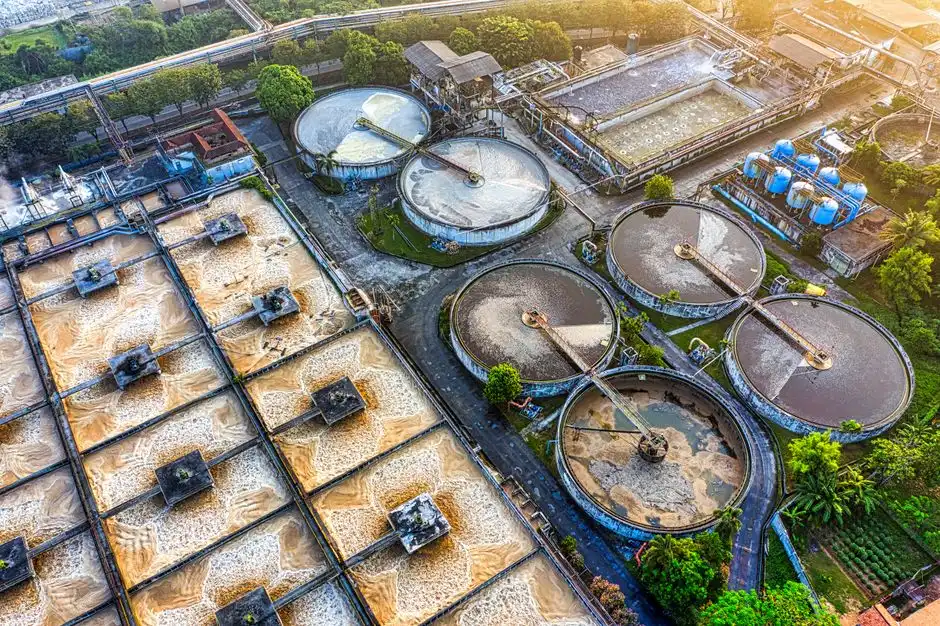
Decentralized, WSZ and MBR routes solve different project constraints, and no route is universally superior. The correct comparison starts with verified flow, required effluent use, available land, operating resources and site conditions—not with a process name.
The IntechOpen vermifiltration study provides an example of a potentially decentralised treatment process for domestic septic-tank sewage. Its supplied excerpt describes filtration combined with earthworms and characterizes the process as decentralised, but it does not provide Senegal-specific performance values. It therefore supports the principle of site-based treatment, not a Senegal equipment-selection conclusion.
The WSZ route integrates anoxic/aerobic A/O biological contact oxidation, sedimentation and disinfection in one buried package. The product catalog states that the unit is fully automated, requires no operator, handles 1–80 m³/h and can be installed below grade with landscaping above. It can also be mounted on a trailer for mobile deployment. The WSZ option is consequently relevant to lower-scale, space-constrained applications seeking an integrated automatic installation, subject to verification of the duty point, process suitability and local operating conditions.
The MBR route combines activated sludge with submerged PVDF membrane filtration. The catalog covers 10–2,000 m³/day, describes the filtration as below 1 μm and states that the system occupies 60% less space than conventional systems. These are manufacturer claims within the stated catalog scope. MBR is relevant to projects requiring membrane separation, higher catalog capacity or domestic sewage reuse potential, but the buyer must also assess membrane cleaning, replacement, solids handling and power demand.
The InTechOpen chapter on integrating a constructed wetland with a microbial fuel cell presents an integrated treatment-and-energy concept. It should be treated as a research concept requiring a separate feasibility study, not as evidence that a commercially available Senegal installation exists.
| Decision factor | Decentralized route | WSZ package route | MBR route |
|---|---|---|---|
| Process basis | Site-specific option; the cited example uses vermifiltration for domestic septic-tank sewage. | Anoxic/aerobic contact oxidation, sedimentation and disinfection in one buried package. | Activated sludge combined with submerged PVDF membrane filtration. |
| Catalog capacity | Not established by the supplied excerpt. | 1–80 m³/h. | 10–2,000 m³/day. |
| Deployment | Decentralized application is identified as potentially viable. | Buried installation or trailer-mounted mobile deployment. | Package-based membrane process; site arrangement requires detailed design. |
| Land and reuse considerations | Depends on the selected process and site design. | Catalog describes below-grade installation with landscaping above. | Catalog claims 60% smaller footprint than conventional systems and filtration below 1 μm. |
| Main verification | Site-specific performance and operational evidence. | Duty point, equalization, inlet works, sludge removal and installation conditions. | Membrane sizing, hydraulic loading, cleaning, replacement, solids handling and reuse objectives. |
Size the System From Daily Flow and Service Conditions
System sizing must be derived from verified project flows, not from a generic allowance per resident or visitor. The designer should calculate design flow from confirmed occupancy or customer numbers, applicable wastewater contributions, operating hours and the required peak factor. The supplied research does not establish a universal Senegal design rate, so none should be assumed in a tender document.
For a WSZ selection, compare the verified required flow with the catalog range of 1–80 m³/h. Confirm the operating duty point, equalization requirements, inlet works and installation conditions with the supplier. Inlet control may be particularly important where the project includes mechanical screening equipment that must integrate with the package treatment train.
For an MBR selection, compare the verified daily flow with the catalog range of 10–2,000 m³/day. Detailed design should then confirm membrane sizing, hydraulic loading, sludge handling and the intended reuse application. Catalog capacity is a selection boundary; it does not replace process design or a duty analysis.
Use the following sequence to prepare a defensible sizing request:
- Establish the design horizon, occupancy pattern and connected domestic fixtures.
- Calculate average and peak sanitary flows from verified project inputs.
- Separate stormwater and groundwater infiltration from the sanitary flow.
- Characterize wastewater constituents and any non-domestic contributions.
- Define the treatment objective, receiving point and reuse requirement.
- Compare the resulting duty with candidate equipment and assess redundancy.
- Confirm equalization, solids handling, odor control, power and maintenance access.
The need for these checks is specific to the supplied research. The 2026 Nioro study addresses both domestic and rainwater wastewater, while the Dakar case study describes high, variable rainfall affecting wastewater and drainage conditions. Infiltration and stormwater ingress can therefore change hydraulic loading, upset biological treatment and dilute wastewater characteristics. Final sizing requires a site-specific wastewater characterization and hydraulic assessment; the supplied research does not establish universal Senegal sizing rules.
| Sizing input | Evidence required | Equipment decision affected |
|---|---|---|
| Average and peak flow | Verified occupancy, wastewater contribution, operating hours and peak factor. | Both routes; compare in m³/h for WSZ and m³/day for MBR. |
| Wastewater characteristics | Site-specific characterization, including relevant domestic and non-domestic loads. | Process suitability, equalization and biological loading. |
| Stormwater and infiltration | Hydraulic assessment and inlet conditions. | Peak capacity, inlet works and controls. |
| Available footprint | Surveyed area, burial depth, access and maintenance requirements. | Buried WSZ arrangement or MBR equipment layout. |
| Sludge and service route | Removal frequency, storage, transport and destination. | Sludge equipment, access and operating plan. |
Build a Senegal Procurement and Compliance Checklist
Comparable proposals should describe the complete treatment train and the conditions under which the equipment will operate. Request a process flow diagram showing screening or inlet control, biological treatment, solids separation, disinfection, sludge removal, odor control, and the final discharge or reuse route. The proposal should also state where each unit is located and how workers will access it.
Ask each supplier to provide evidence tied to the proposed duty, including:
- Applicable capacity range and the proposed design point;
- Footprint and burial or surface arrangement;
- Power demand, controls and automation;
- Maintenance access and the required operating frequency;
- Local spare-parts availability and technical support;
- Operator training and remote-monitoring provisions; and
- Warranty scope and associated responsibilities.
For a WSZ package, require an explanation of how the combined anoxic/aerobic, sedimentation and disinfection stages operate, how sludge is removed, and how the below-grade installation is protected against the project’s soil, groundwater and flood conditions. The supplier should also explain inlet control, equalization and access to buried components.
For an MBR system, require the membrane-cleaning method, replacement provision, solids-handling route, and verification method for any reuse-water quality objective. Do not convert a catalog filtration statement or “near-reuse-quality” description into a guaranteed Senegal discharge standard. Evidence about solids dewatering or disinfection equipment can be requested in the context of the proposed process, including a plate-and-frame filter press for sludge management and a UV water-treatment unit where ultraviolet disinfection is proposed.
Obtain the applicable Senegalese authorization and discharge requirements directly from the competent authorities for the project location. The Preprints.org Dakar case study identifies sanitation data from the Office Nationale de l’Assainissement du Sénégal as a regulatory source, but the supplied research does not provide a complete permit or effluent-limit schedule. The proposal should therefore identify the assumed regulatory basis, receiving point, monitoring plan and responsible authority without inventing approval timelines or limits.
| Procurement item | Evidence to request | Reason for the check |
|---|---|---|
| Process design | Flow diagram, process narrative and duty-point summary. | Confirms that treatment, solids, odor, disinfection and discharge functions are covered. |
| Site integration | General arrangement, burial plan, access routes and utility connections. | Tests physical fit, maintenance access and installation risk. |
| Operations | Automation, power demand, routine tasks, training and remote support. | Allows the buyer to assess life-cycle support and operator capacity. |
| WSZ-specific items | Stage operation, sludge removal, equalization, inlet works and below-grade protection. | Resolves the risks attached to an integrated buried package. |
| MBR-specific items | Membrane cleaning, replacement, solids handling and reuse verification. | Addresses membrane-specific maintenance and the intended water use. |
| Compliance | Applicable authorization, discharge basis and monitoring plan confirmed with the competent authority. | Prevents an unverified technical claim from becoming a contractual assumption. |
Frequently Asked Questions
How much does a domestic sewage treatment plant cost in Senegal?
The supplied research contains no reliable Senegal-specific equipment-price range. A defensible budget requires a sized process design, civil-work scope, power arrangement, sludge route, installation location and permit basis. Request a priced bill of quantities with equipment, installation, commissioning, training, annual maintenance, consumables and sludge-disposal exclusions identified separately.
Should I choose a WSZ package plant or an MBR system for a decentralized site in Senegal?
Choose WSZ when the verified duty falls within 1–80 m³/h and an integrated, automatically operated below-grade package is appropriate; the catalog also offers trailer mounting for mobile deployment. Consider MBR when the daily duty falls within 10–2,000 m³/day and membrane separation or reuse objectives justify its added process and maintenance requirements. The MBR catalog specifies filtration below 1 μm and a 60% smaller footprint than conventional systems, but both claims still require project-specific verification.
How do I determine the right sewage treatment capacity for a hotel, housing development or hospital in Senegal?
Establish the design horizon, occupancy, operating schedule, wastewater contributions, average flow, peak flow, characteristics, stormwater entry and infiltration before comparing a catalog range. Do not use an unsupported per-person allowance. For a hotel, housing development or hospital, also document fixture changes, future expansion, equalization and maintenance access.
What permits and discharge evidence are required for a domestic sewage treatment project in Senegal?
Confirm requirements with the competent authority because obligations depend on the project location, treatment process and receiving point. The supplied research identifies ONAS sanitation data as a regulatory source but does not provide a complete permit or effluent-limit schedule. The proposal should include the assumed authorization basis, discharge route, monitoring plan and any evidence supporting reuse or discharge claims.
Can a domestic sewage treatment system be installed where no sewer connection exists?
Yes, where the site can support the required treatment, discharge and maintenance arrangements. The WSZ catalog describes below-grade installation with landscaping above and trailer mounting for mobile deployment, while the IntechOpen literature supports the principle of decentralized treatment. The receiving point, permit basis, flood exposure, groundwater conditions and sludge route still require project-specific assessment.
Related Equipment
- WSZ underground package sewage treatment plant — specifications, capacity range, and technical data