Why Bandung Housing Needs a Decentralized Treatment Decision
For most Bandung housing developments without dependable municipal sewer access, a buried WSZ integrated sewage treatment plant is the practical starting point because it combines anoxic/aerobic contact oxidation, sedimentation and disinfection in one automated unit. A package MBR is preferable where land is constrained or near-reuse-quality effluent is required. Selection should begin with verified household occupancy, wastewater flow, discharge route and regulatory approval—not a generic plant size. Indonesian mixed wastewater may contain BOD of 135–480 mg/L, COD of 148–472 mg/L and ammonia of 0.1–259 mg/L, so biological capacity, pretreatment, disinfection and sludge handling must be engineered into the package.
Bandung’s long municipal history does not establish that a particular development can connect to a sewer. The review of Indonesian domestic wastewater identifies Bandung’s 1916 centralized treatment system as the first in the country connected to sewerage, yet reports that only 12 of 514 cities had such a system and only 1% of Indonesian households were connected nationally, based on BPS 2019 data.
The off-grid sanitation problem is substantial: septic tanks represented 79% of Indonesia’s off-site treatment systems, while the Ministry of Public Works and Housing estimated that 83% of septic tanks did not meet health and quality standards, according to the 2022 review of domestic wastewater generation, characteristics and treatment. This is why a proposed septic-tank replacement in Bandung should begin with access, infiltration and sludge-removal obligations rather than treat the tank as a complete treatment train.
The 2020 Bandung septage-management case study documents the local operating context—on-site treatment, sanitation, septic tanks and septage sludge—but does not provide plant-sizing data. The first purchase decision is therefore documentary: verify sewer availability and connection rights, confirm land ownership, identify the receiving route and establish who will approve and operate the installation. Then compare package architectures against measured flows and effluent duties. More context is available in the Indonesia residential wastewater engineering guide.
Turn Household and Occupancy Data into a Design Flow
Domestic wastewater flow design should be based on connected population, verified per-capita wastewater generation and two distinct hydraulic checks: sustained daily flow and peak flow. A household count alone cannot establish package capacity, because occupancy, visitor loads, commercial contributions, groundwater infiltration and peak-hour behavior can move the hydraulic and organic loading beyond the nominal design case.
For context, the Indonesian domestic-wastewater review reports municipal water withdrawal of 246 L/c/d in 2017 using FAO AQUASTAT data and states that studies generally use a wastewater generation factor of 70–90% of clean-water use. The 2026 residential wastewater guide derives a preliminary allowance of 172–221 L/c/d from those inputs. Neither value is a site-specific measurement: the tender should request utility bills, occupancy schedules and any monitored wastewater flow before fixing the design allowance.
The calculation sequence should be:
- Multiply the verified connected population by the selected per-capita wastewater allowance to obtain average dry-weather flow.
- Select and document a residential peaking factor, then check the resulting peak against inlet, equalization, biological and disinfection capacity.
- Add separately identified commercial, visitor, kitchen and laundry loads; do not hide these inside the housing allowance.
- Assess groundwater infiltration and wet-weather flow separately where the sewer, septic system or receiving drain is vulnerable.
The worked example in the 2026 guide uses 200 households, 4.6 occupants per household, a 220 L/c/d per-capita design value and a 1.3 residential peaking factor. These are the source’s design assumptions, not universal Bandung facts. The resulting population is 920, average flow is approximately 200 m³/day, the peaked daily flow is approximately 260 m³/day, and hourly peaks are near 22 m³/h. The supplier should confirm all equipment and civil-work capacities against that transparent basis.
| Design input | Evidence or project information | Procurement action |
|---|---|---|
| Connected population | 200-household example uses 4.6 occupants per household | Confirm unit mix, occupancy schedule and phased connection plan |
| Per-capita allowance | Example uses 220 L/c/d; national review cites 70–90% of clean-water use | Select and document the site-specific basis |
| Average flow | Approximately 200 m³/day in the source’s worked example | Check biological and hydraulic loading at sustained flow |
| Peak flow | 1.3 factor; approximately 260 m³/day and hourly peaks near 22 m³/h in the example | Verify inlet, equalization, reactor and disinfection capacity |
| Non-residential loads | Household data do not capture all visitors or commercial wastewater | List kitchen, laundry, clubhouse and commercial streams separately |
| Infiltration | Site-specific risk; no development value supplied | Request groundwater assessment and wet-weather monitoring |
Before ordering, confirm whether the package receives all wastewater or only domestic sewage, and identify kitchen, laundry or commercial streams requiring separate pretreatment. A defensible domestic wastewater flow design is a traceable calculation supported by site inputs, not a plant size copied from a brochure.
Match the Influent to the Treatment Process
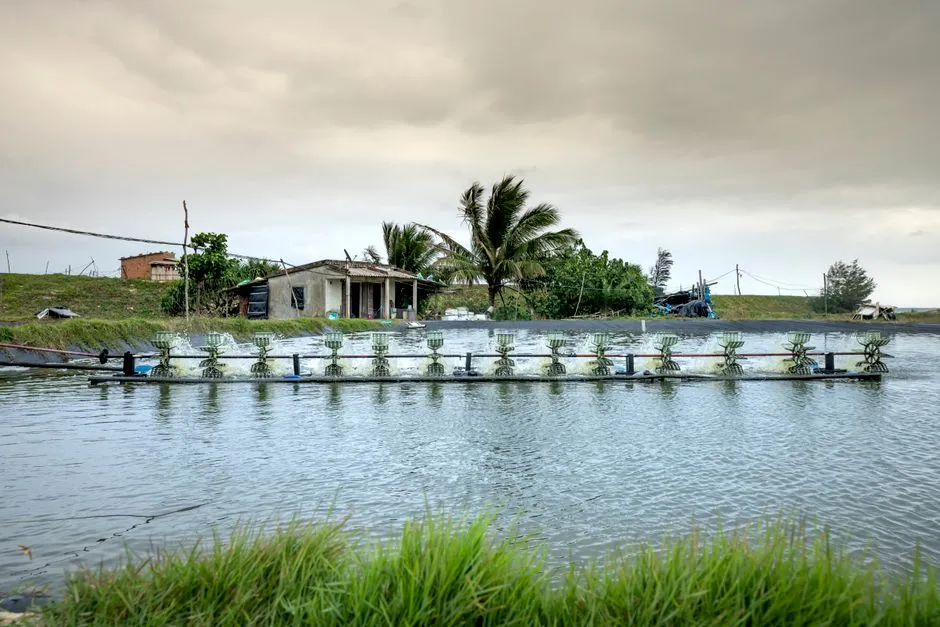
Mixed-wastewater characteristics determine the required pretreatment, biological loading, solids separation, disinfection and nutrient treatment; a generic “fully treated” label does not establish that those functions are adequate. The Indonesian review reports mixed-wastewater BOD of 135–480 mg/L, COD of 148–472 mg/L, TSS of 25–1,148 mg/L and ammonia of 0.1–259 mg/L, with mean ammonia of 45 mg/L.
The reported variation is wide enough that the package should not be selected from an assumed mid-range concentration. The same review reports kitchen-sink oil and grease of 56 ± 73 mg/L, up to 40% of total COD from laundry wastewater, and surfactants contributing 7% of total COD in the cited combined-grey-water study. Mixed-wastewater total nitrogen was 35–192 mg/L and phosphate was 0.4–1.3 mg/L. These findings support site sampling and separate accounting of kitchen and laundry flows, particularly where an ammonia-removal or reuse claim is proposed.
| Parameter | Scope and value reported by the 2022 Indonesian review | Design implication |
|---|---|---|
| BOD | Mixed wastewater: 135–480 mg/L | Size biological loading from verified site data, with the final supplier to document its design basis |
| COD | Mixed wastewater: 148–472 mg/L | Check oxygen, carbon and foaming or surfactant sensitivity |
| TSS | Mixed wastewater: 25–1,148 mg/L | Provide solids capture, equalization and a defined sludge route |
| Ammonia | Mixed wastewater: 0.1–259 mg/L; mean 45 mg/L | Test the actual stream before accepting an ammonia guarantee |
| Oil and grease | Kitchen-sink grey water: 56 ± 73 mg/L | Assess grease management where kitchens connect to the package |
| Laundry COD contribution | Up to 40% of total COD | Identify laundry discharge points and their contribution |
| Surfactant COD contribution | 7% of total COD in combined grey water | Include the effect in biological and solids-handling checks |
| Total nitrogen | Mixed wastewater: 35–192 mg/L | Require nutrient data for reuse or sensitive receiving waters |
| Phosphate | Mixed wastewater: 0.4–1.3 mg/L | Confirm requirements against the intended reuse route |
The review states that the highest BOD/COD ratio in mixed wastewater was 73% after excluding values above 100%, supporting biological treatment but not proving that a particular reactor will meet the site’s discharge conditions. The tender package should define coarse screening, grease or FOG management where warranted, biological treatment, solids separation, disinfection and sludge handling. It must also state which functions are supplied within the packaged plant and which remain site civil works. A dissolved-air flotation unit should be considered only where the waste stream and pretreatment design justify it, rather than added by default.
Choose Between a WSZ Package Plant and MBR
Choose WSZ when a buried, automated biological treatment train fits the site and the required discharge quality does not depend on membrane solids separation. Choose MBR when land is the binding constraint, the specification requires membrane filtration, or the developer needs a treatment train oriented toward reuse. Both choices must still be demonstrated against the site’s actual flow, influent, effluent and operating model.
The catalogued buried WSZ integrated sewage treatment plant combines anoxic/aerobic biological contact oxidation, sedimentation and disinfection in a single buried package, is fully automated, and is listed at 1–80 m³/h for residential communities and other decentralized applications. This makes it the default candidate where low visibility, limited above-ground space and automated operation are priorities. It does not establish that every configuration meets every reuse target.
The catalogued package MBR wastewater treatment system combines activated sludge with submerged PVDF membrane filtration, is listed for 10–2,000 m³/day, and is described as providing filtration below 1 μm. The same catalog states that its footprint is 60% smaller than conventional systems. The supplier must identify the exact process configuration and the effluent values demonstrated for the project’s selected flow and loading.
| Decision factor | WSZ package | MBR package | Evidence needed at purchase |
|---|---|---|---|
| Core configuration | Anoxic/aerobic contact oxidation, sedimentation and disinfection | Activated sludge with submerged PVDF membrane filtration | Process flow diagram, design calculations and guaranteed duty point |
| Catalogued capacity | 1–80 m³/h | 10–2,000 m³/day | Selected module checked against average and peak project flow |
| Installation | Buried package | Package with membrane and backwash equipment | Site footprint, excavation, access, lifting and commissioning method |
| Effluent separation | Clarification within the treatment train | Membrane solids separation; catalog filtration stated below 1 μm | Numerical TSS, BOD, COD, ammonia and disinfection guarantees |
| Reuse orientation | Depends on the specified configuration and polishing steps | Reuse-oriented architecture; suitability depends on site limits | Defined end use, treatment specification and approval route |
| Operations | Automated, low-visible installation | Automated but with membrane, backwash and fouling controls | Alarm response, cleaning, spares, operator visits and telemetry |
| Power | Confirm aeration, pumps and controls | Confirm aeration, membrane and backwash loads | Connected, continuous and peak demand with backup-power requirements |
| Site constraints | Low above-ground footprint | Catalog states 60% smaller footprint than conventional systems | Measure proposed layout against the actual development plan |
Johkasou remains a possible decentralized alternative, but the Indonesian review cites installation costs at 10–30% of a centralized sewerage system in the Japanese setting and describes it as suitable for sparsely populated areas. That is not a Bandung cost estimate and requires a separate local feasibility review. For either package, evaluate sludge production, operator visits, backup power, installation method, local spare parts, warranty support and response time. The 2026 guide states that WSZ and MBR systems can use PLC control, automatic backwash and remote telemetry; ask each bidder to demonstrate which functions and alarm responses are included rather than accepting a generic automation statement.
Set the Effluent, Reuse and Approval Basis
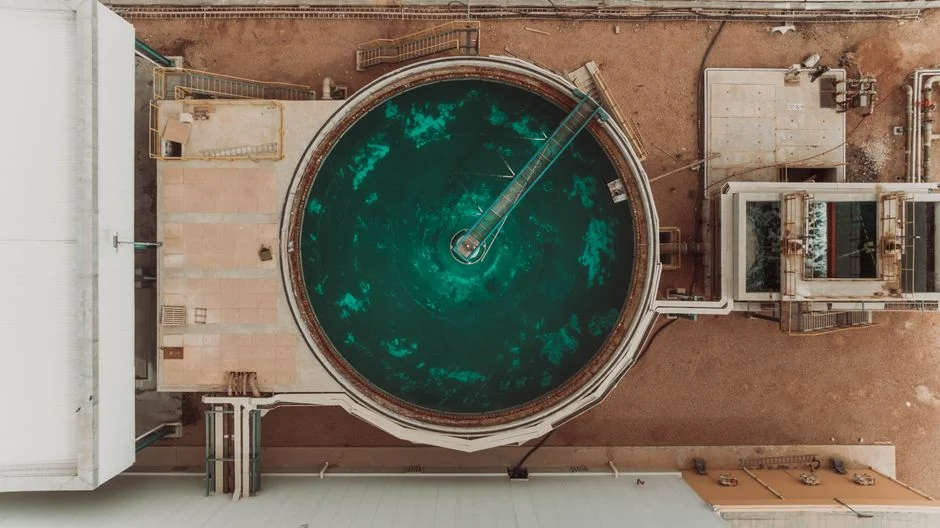
The receiving environment and intended reuse must be fixed before a supplier writes a performance guarantee. A treatment package cannot be judged as “compliant” against an unspecified destination, and a reuse claim cannot be assessed without defining whether the water will irrigate crops, recharge groundwater or enter another controlled use.
The 2026 Indonesia guide states that surface-water discharge under PP 22/2021 Lampiran VI uses targets of BOD no higher than 30 mg/L, COD no higher than 100 mg/L, TSS no higher than 30 mg/L, ammonia-nitrogen no higher than 10 mg/L and fecal coliform no higher than 1,000 MPN/100 mL. These values are stated in the 2026 guide and must be checked against the current approval applicable to the specific site and receiving route; they should not be transferred indiscriminately to another jurisdiction or reuse pathway.
Irrigation reuse places greater emphasis on nitrogen and phosphorus than surface-water discharge. The proposed crop, irrigation method and groundwater-recharge pathway therefore need to be defined before the supplier specifies nutrient performance. The Indonesian review reports mixed-wastewater total nitrogen of 35–192 mg/L and phosphate of 0.4–1.3 mg/L, supporting a requirement for nutrient data whenever reuse forms part of the project scope.
Ask each bidder to state whether its guarantee applies to final effluent after the complete treatment train. The proposal should also identify the receiving permit, reuse approval and sewer or environmental-agency requirements, and name the locally responsible designer responsible for checking them. A packaged sewage treatment plant selection for housing illustrates the broader procurement logic, but the applicable Indonesian approval must be confirmed locally.
Do not accept a generic compliance statement. Require the numerical guarantee, analytical method, sampling point, test frequency, acceptance period, operating conditions and remedy for non-compliance. If the final discharge includes additional site works or treatment outside the supplier’s package, the responsibility for meeting the permit must be explicit.
Build a Tender-Ready Package Plant Specification
A tender should allocate every performance and lifecycle obligation to a named supplier or site-works package. Include the verified flow basis, average and peak flow, wastewater characteristics, treatment objectives, receiving route, numerical effluent guarantee, civil works, installation method, utilities, controls, sludge handling, testing, training, warranty and local service support.
The 2026 guide reports that a 200 m³/day MBR package plant draws 2–5 kW continuously and recommends a UPS for the control panel plus a diesel generator for bioreactor blowers where grid reliability is uncertain. These are source-specific preliminary values; the selected supplier must confirm actual connected and peak loads, starting demand, backup duration and electrical works.
The same guide reports imported-part lead times of 6–10 weeks and recommends vendors with Indonesian or ASEAN field service. Require the bidder to state local service coverage, critical-spares stock, response time, commissioning staffing, support contacts and the effect of lead-time delay on the development programme. The 2026 guide also states that WSZ and MBR systems use PLC control, automatic backwash and remote telemetry, while one trained operator can cover three to four sites. The Bandung proposal must clarify which routines require visits, who holds the operating manual and how alarms are escalated.
Sludge obligations belong in the tender. The 2026 guide states that a 200 m³/day plant at 90% BOD removal would produce 15–25 kg dry solids per day, with a plate and frame filter press used for a once- or twice-weekly dewatering campaign. Treat that only as a preliminary relationship to be confirmed by the selected process design. The plate-and-frame filter press proposal should state feed condition, operating time, cake handling, polymer use, odour controls and disposal route.
| Tender package | Required information | Acceptance evidence |
|---|---|---|
| Design basis | Population, flow, peaks, influent data, treatment objectives and receiving route | Signed design memorandum and supplier calculations |
| Equipment and civil works | Scope boundary, dimensions, installation, access, utilities and site works | General arrangement, schedule, bill and interface matrix |
| Performance | Numerical guarantees, test methods, sampling point, frequency and conditions | Commissioning and site performance-test protocol |
| Power and controls | Connected and peak loads, backup power, alarms, telemetry and escalation | Single-line diagram, I/O list and functional demonstration |
| Sludge | Generation basis, storage, dewatering, transport and final disposal | Mass-balance calculation and operating procedure |
| Service and handover | Lead times, local support, spares, training, documents and warranty | Service plan, stock list, FAT, SAT and as-built package |
Require factory acceptance testing, site testing, operator training, as-built documents, critical spares, warranty obligations and a measurable performance test before final acceptance. Clear acceptance procedures prevent disputes over sampling, analyzer methods and whether the demonstrated result represents the complete treatment train.
Frequently Asked Questions
How should a packaged sewage treatment plant be sized for a Bandung housing development?
Size it against connected population, a verified per-capita wastewater allowance, average flow, peak flow and influent strength—not household count alone. The 2026 guide’s 200-household example illustrates the method using 4.6 occupants per household, 220 L/c/d and a 1.3 peaking factor, but those assumptions must be replaced with project data. Utility records, occupancy schedules, commercial loads and wet-weather observations should be submitted before the supplier fixes the hydraulic and biological capacity.
Should a Bandung housing development choose a buried WSZ package plant or an MBR?
Choose WSZ when a buried, automated biological train, limited visible footprint and conventional decentralized treatment are sufficient. Choose MBR when membrane solids separation, a smaller footprint or a reuse-oriented train is required. Make the decision only after checking the same effluent values, land, power, sludge route, operator visits, local spares and discharge approval for both options.
What should a buyer check when selecting a package-plant supplier?
Request a site-specific design basis, numerical performance guarantee, FAT and site acceptance protocol, as-built documents, critical-spares list, warranty and local service commitment. The 2026 guide reports imported-part lead times of 6–10 weeks and recommends Indonesian or ASEAN field-service capability, so the bidder should provide actual coverage and a response time rather than a general service statement.
How can a developer control compliance risk for the final discharge or reuse route?
Require a locally responsible designer to identify the current approval applicable to the site’s specific receiving route. The supplier should state the applicable effluent values, analytical methods, sampling point and remedy for non-compliance, while the developer confirms whether the package covers the complete permitted treatment train. A product brochure or general statement of compliance is not a discharge permit.
What should be included when comparing package-plant prices in Bandung?
Request separate prices for treatment capacity, pretreatment, biological and polishing stages, civil works, installation, power backup, sludge handling, commissioning, training, spares, warranty and local service. The supplied research provides no defensible Bandung package-plant quotation, so a buyer should not infer a project price from generic technology comparisons or foreign installation-cost examples.