First establish which Fayetteville rules apply
Chemical plants near Fayetteville, Arkansas, meet sewer pretreatment limits by identifying the controlling utility, characterizing each wastewater stream, preventing prohibited discharges at the source, treating residual contaminants, and documenting that every authorized discharge complies with the plant’s permit and local rules. The City of Fayetteville’s official pretreatment page cites 40 CFR 136, 260, 261, and 403 and City Code Chapter 51, Sections 75 and 76. Drinking-water data reported for Fayetteville Public Works Commission in North Carolina are not Arkansas sewer limits.
The official wastewater-pretreatment source supplied for this query belongs to Fayetteville, Arkansas. It states that the cited federal regulations and city code define prohibited substances and pollutants and that certain materials must not be poured or flushed into the wastewater system. By contrast, the supplied PFAS and drinking-water evidence comes from Fayetteville Public Works Commission in North Carolina. A facility therefore needs to confirm the receiving authority before it adopts any concentration threshold, sampling plan, or treatment specification.
Request and review the industrial user’s current sewer-use permit, discharge authorization, applicable categorical pretreatment standards, and any written monitoring agreement. Also obtain the current pretreatment manual, prohibited-substance list, sewer-user rules, monitoring frequencies, sample methods, reporting forms, and any fee or surcharge provisions. The permit-acquisition checklist for a changing industrial site provides a useful acquisition-stage structure, but the Arkansas authority’s documents must control.
| Compliance document or decision | What the plant must establish |
|---|---|
| Jurisdiction and receiving authority | That the applicable pretreatment program is administered by the City of Fayetteville, Arkansas, rather than a North Carolina drinking-water program. |
| Industrial discharge permit and written agreement | Authorized discharge point, prohibited discharges, local limits, monitoring duties, sampling methods, reporting requirements, and flow-control obligations. |
| Categorical pretreatment standards | Whether production activity falls within an applicable federal categorical category and what additional requirements follow. |
| Supporting rules and records | Current sewer-use requirements, fees or surcharges, report forms, monitoring records, and the written chain of custody required by the authority. |
The supplied sources do not contain a complete plant-specific table of Fayetteville concentration limits. Do not substitute generic limits, consultant assumptions, or North Carolina drinking-water values for requirements issued by the Arkansas authority.
Map the chemical plant's wastewater streams
A defensible treatment design begins with a source-by-source wastewater inventory because contact, process, wash, laboratory, and stormwater streams cannot be assigned the same discharge route. Each stream should have an owner, flow description, physical condition, chemical inventory, treatment objective, monitoring point, and authorized destination.
Start with raw materials, products, by-products, cleaning agents, hydraulic additives, laboratory wastes, floor washings, cooling water, stormwater, and off-spec material. Review safety data sheets, process diagrams, batch records, maintenance-chemical records, and waste manifests. These records should connect each possible discharge to the process that created it and identify constituents that may be prohibited, incompatible with the sewer, or subject to categorical pretreatment standards.
For each stream, document flow and variability, pH, suspended solids, oil and grease where relevant, metals, toxicity indicators, and facility-specific regulated pollutants. The analytical suite should follow the permit, local sewer-use requirements, applicable categorical standards, and known process chemistry—not a generic sampling list. A stream containing a suspect solvent or persistent compound may need separate evaluation even if its routine pH and flow appear manageable.
The City of Fayetteville’s official pretreatment page identifies hazardous chemicals, oil, and grease among materials that should not be poured or flushed into drains. It states that such materials can contaminate water resources, damage sewer and treatment infrastructure, and create dangerous working conditions for treatment-facility employees. Those consequences make segregation a control objective, not merely a bookkeeping exercise.
| Wastewater source | Characterization focus | First compliance decision |
|---|---|---|
| Process and batch dumps | Flow variability, pH, product carryover, solvents, metals, toxicity indicators, and permit constituents | Determine whether the stream may enter the sewer directly, requires treatment, or must be collected as an excluded waste. |
| Floor washings and cleaning waters | Cleaning-agent inventory, suspended solids, oil and grease, pH, and chemical compatibility | Segregate incompatible cleaners and identify a controlled collection and treatment route. |
| Equipment and vehicle wash water | Oil and grease, suspended solids, detergents, and episodic flow | Establish whether pretreatment or off-site disposal is required before connection. |
| Cooling water and stormwater | Discharge route, contaminants, contact history, and contamination risk | Keep clean water separate from contaminated runoff; document each final destination. |
| Laboratory and off-spec wastes | Known constituents, hazardous-waste characteristics, and compatibility | Determine the proper waste classification and disposal route before collection. |
Prepare a sanitary-sewer versus stormwater segregation plan. The comparison of MBR and conventional activated sludge for chemical wastewater discusses biological-process alternatives, but neither process can replace route control. Use the DAF-versus-clarifier decision guide for chemical wastewater only after the stream inventory and characterization are complete.
Control prohibited chemicals at the source

Source control is the first treatment barrier because dilution cannot make an incompatible discharge lawful. Start with substitution, segregation, closed-container transfer, spill prevention, and designated collection for materials that cannot lawfully enter the sewer. Treating an unauthorized discharge after dilution is not a substitute for elimination at the point of generation.
Screen every process and maintenance chemical against the city’s current prohibited-substance list, the plant’s permit, and any applicable categorical pretreatment standards. A waste collector’s acceptance of a container does not establish that its contents may be discharged to the sewer. Hazardous chemicals, oil, and grease identified on the City of Fayetteville’s official pretreatment page should receive explicit review before use changes.
The city’s cited rules apply across residential, commercial, and industrial establishments. The same source explains that hazardous chemicals and grease can contaminate water resources, damage utility infrastructure, and create dangerous conditions for wastewater-treatment employees. A source-control program must therefore cover both environmental protection and worker safety.
Establish a written management-of-change process for new chemicals, solvent substitutions, production changes, revised cleaning procedures, and changes in hydraulic additives. The review should identify the wastewater effect, required segregation or treatment, revised monitoring, and the person authorizing release. A chemical-dosing unit should be selected only after that review; an automatic chemical dosing system is a controlled application tool, not permission to introduce a new chemical into the drain.
Pair source control with hazardous-waste determination. When a constituent cannot lawfully enter the sewer, characterize the waste under applicable requirements and arrange compliant off-site disposal. Maintain waste manifests and the analytical basis for the waste determination. If treatment could change the waste classification or create a hazardous residue, that consequence belongs in the treatment study before equipment purchase.
Select treatment that matches the pollutant
Treatment selection should follow from the wastewater characterization, permit criteria, and discharge objective. Physical segregation, screening, equalization, and oil and grease control normally precede more complex biological or advanced units when the waste contains rags, suspended solids, free oil, or highly variable flows. A treatment train should also define what happens when its incoming stream falls outside the characterized condition.
| Waste or operating problem | Control to evaluate | Decision evidence required |
|---|---|---|
| Rags or coarse material | Mechanical screening with defined solids handling | Material inventory, screen selection basis, and disposal route for removed solids. |
| Suspended solids, oil and grease, FOG, or colloidal material | Equalization followed by a DAF system for chemical wastewater pretreatment | Stream characterization, removal objective, performance testing, sludge-handling plan, and facility review of DAF versus clarifier alternatives. |
| Variable flow or batch discharges | Equalization and controlled feed | Flow profile, batch-dump data, storage basis, return or diversion strategy, and utility requirements. |
| pH or another identified chemical condition | Measured chemical adjustment with interlocks | Required chemical, dose, mixing condition, control range, chemical compatibility, and confirmation by analytical testing. |
| Biodegradable dissolved organics | Biological treatment selected after compatibility review | Treatment objective, influent chemistry, biological loading and inhibition data, sludge handling, and comparison with the MBR versus conventional activated sludge for chemical wastewater. |
| Persistent contaminants, including PFAS where present | Treatment-specific evaluation rather than assumed removal | Constituent-specific analysis, selected technology, performance evidence, residual handling, and confirmation that the discharge route is governed by the Arkansas pretreatment program. |
Use dissolved air flotation only after the characterization supports its removal mechanism. A DAF system for chemical wastewater pretreatment may be relevant where the objective is removal of suspended solids, FOG, oil and grease, or colloidal material, but the operating basis should be established through wastewater testing and, where appropriate, a pilot or performance demonstration.
Automatic chemical dosing should follow a treatment study identifying the required chemical, dose, mixing condition, and control strategy. The supplied product information describes PLC-controlled injection for coagulants, flocculants, pH adjusters, and specialty chemicals. That confirms an intended control function; it does not establish a dose or prove regulatory compliance for a particular waste.
Where membrane separation and a compact biological process are justified, consider an integrated MBR chemical wastewater treatment system. The manufacturer describes effluent below 1 micrometer and a footprint 60% smaller than conventional systems. Those are manufacturer claims, not a Fayetteville performance guarantee, and the selected system still requires application-specific verification.
Do not transfer North Carolina drinking-water conclusions into an Arkansas industrial sewer design. The supplied Fayetteville PWC evidence discusses granular activated carbon and plant upgrades for drinking-water filtration; it does not establish either technology as required for a given industrial discharge. PFAS wastewater controls should be selected from the plant’s own analytical data and applicable sewer requirements.
Build a pretreatment process flow with safety interlocks

The operating flow should connect segregated collection to equalization, required pretreatment, flow measurement, final monitoring or sampling, and controlled sewer discharge. Each major stage needs a defined operating state, alarm, and response. Untreated or off-spec wastewater must not reach the sewer merely because downstream equipment is temporarily unavailable.
Provide off-spec and high-flow diversion, spill containment, and a defined response to power loss or treatment-unit failure. Redundant power requirements depend on the plant’s flow profile, treatment objectives, permit conditions, and consequences of interruption; the supplied research does not establish a universal configuration.
Do not invent a flow cap. Flow measurement and control must follow the utility’s requirements and the plant’s permit or written agreement. Metering, totalizing, and batch-dump handling should be designed around those obligations and linked to the downstream discharge decision.
Where treatment chemicals are used, define storage, secondary containment, incompatibility separation, metering, ventilation, and handling procedures. Automatic shutdown interlocks should prevent an off-spec stream from advancing when a dosing system, mixer, level control, or final monitoring signal fails. A rotary mechanical bar screen can address coarse solids at the appropriate point in the train, while the DAF system for chemical wastewater pretreatment addresses only the separation objectives supported by the waste characterization.
Prepare an operating plan for startup, shutdown, cleaning, maintenance bypasses, and utility notification. The plan should identify the person who can authorize a discharge, how an alarm is escalated, and when a stream must be isolated or diverted. A bypass is a controlled exception, not an informal operating shortcut.
Verify compliance before every sewer discharge
Compliance is demonstrated by permit-based monitoring and traceable records, not by equipment claims. Define representative sampling points, parameters, and frequencies from the industrial discharge permit, local sewer-use rules, and any written pretreatment agreement. Sample at the required location, after the applicable treatment step, and where the permit requires a representation of the combined discharge.
Use a written chain of custody, calibrated instruments, documented laboratory methods, and prompt notification of exceedances or bypasses. Track pH, flow, suspended solids, oil and grease, and permit-specific constituents. Treatment-system and cooling-blowdown planning guidance reinforces the need to connect operating conditions with sampling, but monitoring requirements must come from the Arkansas authority and the plant’s authorization.
| Compliance record | Control question | Evidence to retain |
|---|---|---|
| Representative sampling | Does the sample represent the discharge governed by the permit? | Sampling-point diagram, frequency, event or batch record, sample identification, and chain of custody. |
| Field and laboratory analysis | Were calibrated instruments and documented methods used? | Calibration records, laboratory reports, method references, and any corrective action. |
| Operational correlation | Do treatment readings explain the laboratory result? | Process readings, chemical-use records, maintenance log, and operator observations. |
| Deviation and exceedance | Was the deviation contained, reported, investigated, and closed? | Notification, isolation or diversion record, diagnosis, repair, restart authorization, and corrective-action closure. |
Reconcile treatment-system readings with laboratory results rather than allowing one to substitute for the other. Preserve calibration, maintenance, chemical-use, laboratory, bypass, deviation, and corrective-action records for the retention period required by the permit and authority.
The supplied North Carolina figures remain drinking-water context only. CityView reports a 4 ppt limit for each of PFOA and PFOS, evaluation through a four-quarter running average, and annual testing of 118 elements and contaminants. Those figures must not be converted into Arkansas sewer limits, sampling frequencies, or treatment targets for an industrial discharger.
Create an evidence and escalation plan
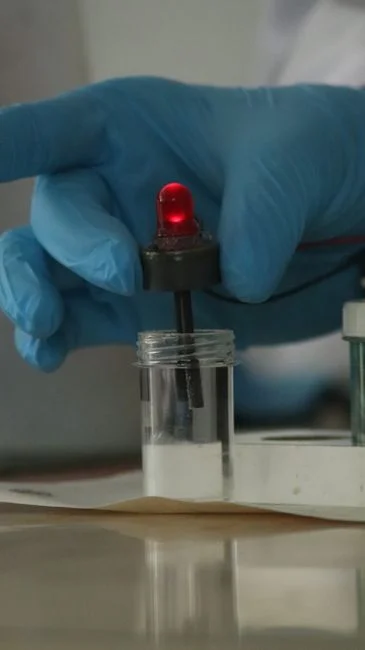
A single compliance file should contain the permit and written agreements, chemical inventory, characterization results, treatment drawings, operating logs, calibration records, laboratory reports, waste manifests, and corrective-action records. The pretreatment compliance workflow for industrial plants provides a comparable process-discipline reference, not an Arkansas limit set.
Assign named responsibility for sampling, equipment operation, laboratory coordination, record retention, utility reporting, and executive escalation. A responsible person should be identified for each permit obligation and for every alarm or deviation. The operating organization should know which records go to the plant team, which go to the utility, and which require management approval.
Define the exceedance sequence before it occurs: isolate or divert the affected stream, notify the authority as required, diagnose the failure, restore verified treatment, document the event, and assess whether outside technical advice is needed. A restart should follow confirmation that the treatment train and monitoring system are operating as intended.
Review the program whenever production chemistry, wastewater composition, flow, treatment equipment, or permit conditions change. The review should close the loop by determining whether source controls, characterization methods, treatment objectives, monitoring, training, and recordkeeping still address the current discharge. This turns the program into a controlled compliance system rather than a one-time equipment purchase.
Frequently Asked Questions
Which Fayetteville authority controls a chemical plant’s sewer discharge?
Confirm the jurisdiction before using any limit. The supplied pretreatment source is the City of Fayetteville, Arkansas, and it cites 40 CFR 136, 260, 261, and 403 plus City Code Chapter 51, Sections 75 and 76. Fayetteville Public Works Commission evidence in the supplied research concerns North Carolina drinking water. Obtain the Arkansas industrial user’s permit, current sewer-user rules, prohibited-substance list, and written monitoring agreement, then confirm the reporting and notification contacts directly with the receiving authority.
How should a plant choose between DAF, MBR, and source control?
Use a condition-based decision. Eliminate prohibited materials at the source; use physical controls and equalization for solids, oil and grease, and variable flow; evaluate DAF when the characterization supports removal of suspended solids, FOG, oil and grease, or colloidal material; and evaluate MBR when membrane separation and the biological process are justified by the waste and discharge objectives. For comparison, review DAF versus clarifier selection for chemical wastewater and MBR versus conventional activated sludge for chemical wastewater. Neither comparison replaces site characterization.
What inputs are needed to size treatment equipment and establish delivery timing?
Give suppliers the flow profile, batch-dump schedule, constituent ranges, treatment objective, permit criteria, utility constraints, available footprint, electrical requirements, automation requirements, and residual-disposal needs. A supplier can then define the treatment basis and propose a delivery schedule. The supplied research contains no defensible equipment-sizing range or universal lead time for a chemical plant near Fayetteville, so neither should be accepted without a project-specific proposal.
How should a plant evaluate treatment suppliers without relying on unsupported performance claims?
Request wastewater data, the permit basis, pilot or performance evidence, comparable reference projects, equipment sizing calculations, controls scope, installation requirements, commissioning responsibilities, maintenance support, and spare-parts availability. Manufacturer statements such as sub-micrometer MBR effluent or a smaller footprint should be treated as claims requiring application-specific confirmation, not proof that the plant will meet its sewer authorization.
What should the plant request when pricing pretreatment equipment?
The supplied sources provide no chemical-plant equipment cost range. Request a scope-specific quotation only after the wastewater characterization and permit review define the flow, contaminant loading, treatment objective, controls, civil work, installation, commissioning, utilities, residuals, and documentation. Ask the supplier to state exclusions, performance assumptions, payment milestones, warranty conditions, and any price-dependent assumptions. A generic equipment price without those inputs is not a defensible capital estimate.
Are North Carolina PFAS drinking-water numbers applicable to an Arkansas sewer permit?
No. The supplied CityView article reports 4 ppt for each of PFOA and PFOS, a four-quarter running average, and annual testing of 118 elements and contaminants for North Carolina drinking water. These are not Arkansas sewer limitations. A plant with detectable PFAS must request the applicable Arkansas pretreatment criteria and commission a constituent-specific wastewater evaluation rather than adopting a drinking-water value or treatment method by analogy.