Is an MBR the right fit for frozen food wastewater?
An MBR can suit frozen food wastewater when suspended solids, fats, oils, debris and peak flows are controlled before biological treatment and membrane filtration. The biological stage addresses biodegradable organics, while the membrane retains solids and microorganisms for separation; it does not remove every dissolved contaminant. EPA guidance notes that MBRs commonly require 1–3 mm fine screening and that peak flow should generally remain within 1.5–2 times average design flow without added capacity or equalization. For a frozen food plant, source segregation, equalization, fouling control and site pilot testing determine whether the application is viable.
The first screening question is what will enter the treatment train. Defrost and product-melt water may carry food particles and soluble organic load. Equipment and floor washdown can add grit, fibres and sanitiser residues. Sanitation wastewater may contain cleaning chemicals; process rinse water can vary with production. Cooling and boiler blowdown should be assessed separately because their temperature, chemistry and flow may differ substantially.
Do not route every stream by default. Segregate clean cooling or boiler streams where their recovery value and compatibility justify it. Review temperature, fats and oils, food solids, sanitiser use, peak-to-average flow, odour, discharge route and reuse target. Cold wastewater can slow biological reactions, while periodic defrosting and washdown can overload an MBR between steady production periods.
EPA’s 2021 membrane bioreactor fact sheet establishes the design principles: biological treatment is required for dissolved biodegradable pollution, while additional treatment may be needed for dissolved components that the membrane does not remove. It also identifies screening, flow data, influent characteristics and effluent requirements as basic design inputs. The supplied academic research does not demonstrate an MBR treating frozen food wastewater. A frozen-food duty therefore requires wastewater characterisation and a site trial, rather than transfer of municipal pathogen or trace-organic results. A broader comparison of MBR cost and selection considerations should be read alongside the site-specific design basis.
How the frozen food wastewater treatment train should work
EPA’s 2021 fact sheet specifies fine screens with a 1–3 mm cutoff immediately before MBR membranes, depending on the manufacturer, and states that peak design flow should be no more than 1.5 to 2 times average design flow.
- Segregate the sources. Keep defrost water, product-melt water, washdown, sanitation rinses and process water identifiable so their loads and reuse potential can be assessed independently.
- Equalize intermittent discharge. Defrosting, washing and sanitation create pulses. Equalization should smooth hydraulic and organic loading before biological treatment and membrane separation.
- Remove debris and solids. Fine screening protects the membrane. Depending on measured oil, grease and suspended-solids loads, primary clarification or DAF pretreatment for fats, oil and suspended solids may also be required.
- Apply biological treatment. The biological reactor treats soluble biodegradable organics before the membrane. The membrane then performs solids separation and retains microorganisms within the reactor.
- Disinfect and polish as required. Add disinfection, activated carbon, filtration or other treatment only against the final discharge or reuse specification.
| Process stage | Primary design function | Information required |
|---|---|---|
| Source segregation | Prevent incompatible or recoverable streams from being diluted together | Stream-by-stream flow, temperature and composition |
| Equalization | Buffer defrost, washdown and sanitation peaks | Hourly flow records and operating schedules |
| Screening and solids removal | Protect membrane fibres or plates and control retained solids | Debris characteristics, TSS and oil-and-grease data |
| Biological treatment | Remove biodegradable dissolved organics | BOD/COD, nutrients, temperature and pH |
| Membrane separation | Retain solids and microorganisms; produce permeate | Flow envelope, flux basis and membrane geometry |
| Disinfection and polishing | Meet the final discharge or reuse requirement | Permit or end-use water-quality specification |
Fine screening is not optional, and the screen must match the selected membrane supplier’s specification. EPA also recommends additional membrane capacity or equalization when peak flow exceeds its 1.5–2 times average-flow design range. This makes the mechanical bar-screen configuration a point for supplier review, but screen selection still depends on debris type and the manufacturer’s required cutoff. Chemical dosing should follow measured treatment need rather than become an assumed part of the biological stage.
Control the variables that foul MBR membranes
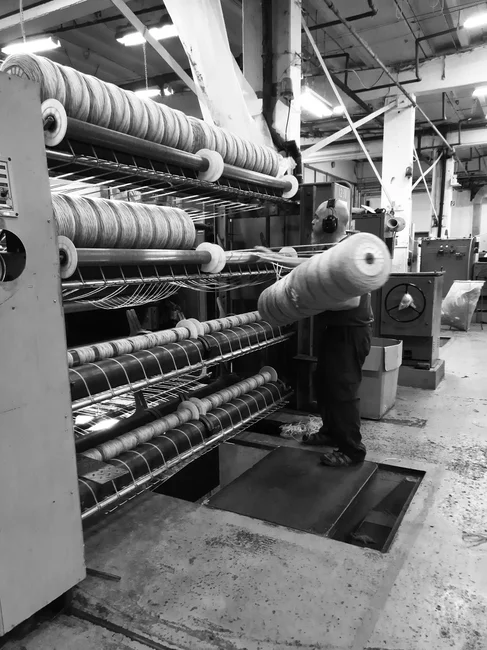
EPA’s 2021 fact sheet identifies air scour as a standard method used by principal MBR systems to reduce material buildup on membranes, while good screening, controlled throughput and manufacturer-compliant cleaning protect membrane life.
For frozen food processing wastewater, investigate suspended food particles, fats and oils, fibrous debris, cleaning chemicals, temperature-driven viscosity changes and batch washdown pulses. Screening and upstream solids removal reduce physical loading, but biological solids still require active management through wasting and mixed-liquor control. Air scour addresses membrane-surface deposition; it does not correct an unsuitable wastewater balance.
EPA describes back-pulsing on one system configuration as typically accounting for 1–5% of total operating time. That is a system-specific example, not a universal design setting. The selected supplier must define when back-pulsing is used and how permeate quality and membrane condition are maintained during the cycle. Follow the membrane manufacturer’s cleaning protocol rather than transferring another system’s timer setting.
| Observed condition | Checks before assuming membrane fouling | Likely upstream concern |
|---|---|---|
| Rising transmembrane pressure | Compare permeability with flow, MLSS, temperature and air-scour performance | Solids carryover, sludge inventory or abnormal batch discharge |
| Sharp deterioration after washdown | Review upstream TSS, oil-and-grease, equalization level and screen performance | Solids, grease or chemical shock bypassed pretreatment |
| Higher effluent turbidity | Verify flux, back-pulsing, integrity checks and sampling method | Membrane or connection fault rather than normal fouling |
| Loss of biological treatment performance | Check temperature, pH, dissolved oxygen, ammonia and process toxicity | Low temperature, pH excursion or sanitiser shock |
Use transmembrane pressure, normalized permeability, MLSS, aeration performance and upstream flow records together. A rising pressure trend alone does not distinguish biological upset from membrane fouling. EPA identifies regular bleach and citric acid as common MBR cleaners, but regular mild cleaning should occur only where the manufacturer permits it and under the stated maintenance protocol. Chemical compatibility must also be checked against the frozen food plant’s sanitation programme and reuse specification.
Size the biological and membrane stages from real plant data
EPA’s 2021 fact sheet states that peak design flows should be no more than 1.5 to 2 times average design flow; additional membranes or equalization are required when that range is exceeded.
Request campaign-based data covering flow, temperature, BOD/COD, TSS, oil and grease, ammonia, total nitrogen, total phosphorus, conductivity, pH, sanitisers and seasonal production changes. The campaign must include defrosting, washdown and sanitation events because an average daily flow can conceal the peak that governs membrane capacity. EPA identifies influent characteristics, effluent requirements and flow data as the basic MBR design inputs, with supplementary chemical addition included where the target requires it.
| Sizing or comparison item | Documented value | Engineering interpretation |
|---|---|---|
| Peak-flow design relationship | Peak design flow no more than 1.5–2 times average design flow | Use equalization or added membrane capacity above that range, according to EPA’s 2021 fact sheet |
| Integrated MBR catalog range | 10–2,000 m³/day | Manufacturer-specific catalogue range; verify actual duty and configuration |
| DF flat-sheet membrane area | 80–225 m² | Configuration-specific catalogue range |
| DF flat-sheet treatment range | 32–135 m³/day | Configuration-specific catalogue range, not a plant design guarantee |
| Footprint comparison | 60% smaller than conventional systems | Manufacturer-specific catalogue claim, not a universal frozen-food plant result |
These catalog comparisons come from the HydropureWater verified product catalogue for the integrated submerged-PVDF MBR system. They provide an initial market screen, not a selection: wastewater characteristics, peak flow, temperature and the required effluent specification still determine equipment count, membrane area, aeration demand and footprint.
Keep the evidence boundaries clear. The 2024 ACS ES&T Water study of parallel aerobic and anaerobic MBRs treating the same municipal wastewater reported 84% and 72% reductions in average total chromatographic feature peak-area abundance, respectively. It also reported 165 and 171 transformation-product compounds. Those results concern municipal wastewater, not frozen food wastewater, and cannot be presented as guaranteed plant performance. A chemical-dosing system should be specified only after identifying the contaminant, target and treatment point.
Choose the MBR configuration and supplier with the right proof
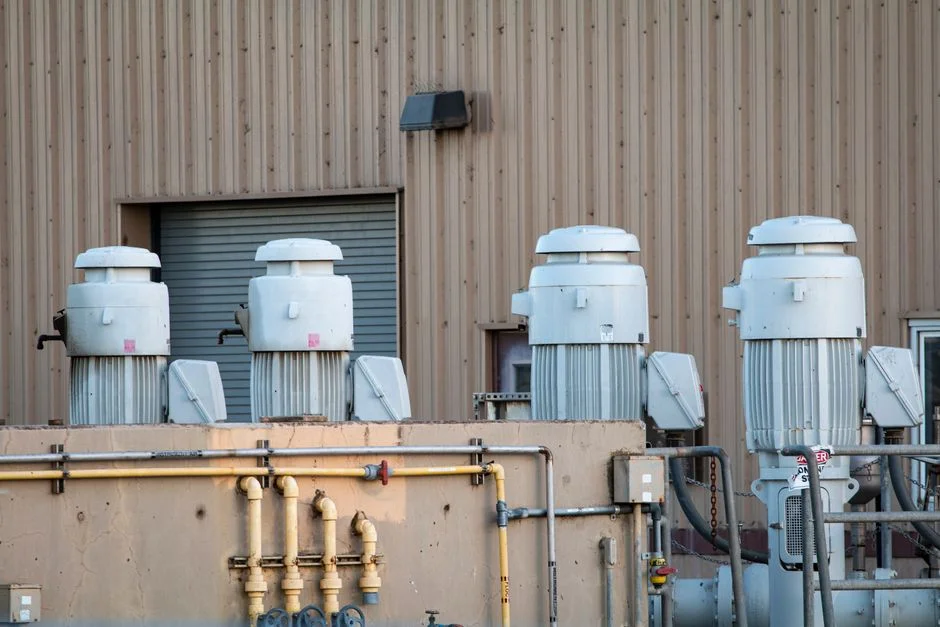
EPA’s 2021 fact sheet distinguishes immersed membranes, which sit in the biological reactor, from external systems that circulate mixed liquor through a separate membrane vessel.
Immersed systems integrate the membrane with the biological tank and commonly use vacuum-driven permeate extraction. External systems separate the membrane vessel from the reactor, which may suit layouts needing a distinct membrane zone. Neither arrangement proves performance by itself. Supplier drawings must show hydraulic paths, backwash or back-pulse arrangements, air-scour distribution, isolation valves, access clearances and how modules are changed.
EPA reports that hollow-fiber systems typically require 1–2 mm screening, while plate membranes require 2–3 mm, subject to the manufacturer. Ask each bidder to identify membrane material, pore size, module dimensions, design flow, air-scour demand, cleaning chemistry, spare-parts strategy, controls, warranty and local service support. Require confirmation that the proposed screen is suitable for actual product debris rather than relying on a generic pretreatment drawing.
| Selection issue | Evidence to require | Reason for the check |
|---|---|---|
| Immersed or external arrangement | Bidder-specific process and mechanical drawings | Confirms access, hydraulics, aeration and maintenance arrangements |
| Hollow fiber or plate | Manufacturer screen specification and debris test | Matches pretreatment to the selected membrane |
| Reuse or pathogen claims | Application-specific test report and pilot data | Municipal research does not establish frozen-food performance |
| Guaranteed membrane life | Contract duty, influent envelope, cleaning responsibility and replacement terms | Defines the operating basis for the guarantee |
| Serviceability | Spare strategy, controls narrative, warranty and local support | Determines downtime and operating risk |
The Membrane Society of Japan paper concerns pathogenic-virus removal, and the 2024 ACS study concerns trace organics in municipal wastewater. They are supporting research, not substitutes for a frozen-food pilot. Require a site trial using actual seasonal wastewater, proposed cleaning chemicals and the intended operating envelope before fixing guaranteed performance or membrane life. The MBR versus conventional activated sludge for food wastewater comparison can help frame the decision, but the supplier must demonstrate the proposed configuration against the plant’s own wastewater.
Prepare the plant for reliable operation and reuse
EPA’s 2021 fact sheet reports that MBR permeate has low suspended solids and correspondingly low bacteria, BOD, nitrogen and phosphorus, which makes disinfection easier and reuse more feasible.
That is not a blanket reuse approval. Food wastewater reuse remains site-specific. The final train may require disinfection and additional polishing for dissolved salts, trace organics or application-specific quality criteria. The reuse specification must identify the receiving process, allowable constituents, temperature range and monitoring requirements before equipment is selected.
| Operational area | Operator indicators | Decision supported |
|---|---|---|
| Headworks and equalization | Flow, level and upstream batch events | Whether equalization is controlling the peak |
| Biological reactor | Temperature, pH, dissolved oxygen, MLSS and nutrient trends | Whether treatment capacity and biological conditions are stable |
| Membrane system | Transmembrane pressure, normalized permeability, turbidity and cleaning frequency | Whether fouling control and membrane condition remain acceptable |
| Chemical and reuse systems | Chemical use, feed concentration and final water quality | Whether polishing and disinfection meet the required specification |
Specify operator access for routine inspection, cleaning, membrane withdrawal and repair. Redundancy should reflect the consequences of downtime, particularly where production cannot divert wastewater. EPA describes the “N plus 1” approach as adding one membrane tank or unit beyond the nominal design need, and notes that membrane life, cleaning and replacement materially affect cost-effectiveness. Equipment sizing and redundancy should therefore be linked to production risk rather than copied mechanically.
Define the performance guarantee around contract flow, the accepted influent envelope, final permit or reuse specification, cleaning frequency and responsibility for membrane replacement. A broader check of industrial water reuse solutions can support downstream planning, but it does not replace a site-specific mass balance. Where disinfection is required, equipment such as a UV sterilizer should be assessed against the defined water quality and dose requirements.
Frequently Asked Questions
What is the biggest difference between MBR treatment and conventional activated sludge for a frozen food plant?
The decisive difference is where solids separation occurs. Conventional activated sludge depends on a secondary clarifier, while an MBR retains solids and microorganisms in the membrane module. The biological stage still performs the treatment, so upstream equalization, screening, fats control and biological operation remain necessary. The MBR adds membrane-fouling control, cleaning and replacement responsibilities.
How much should a plant budget for an MBR for frozen food wastewater, and which costs drive the price?
The supplied research provides no defensible quotation for a frozen food plant. The buyer should request an itemised capital and operating-cost offer based on campaign flow and load data, the final effluent or reuse specification, equalization and pretreatment, membrane configuration, controls, installation, power, chemicals, cleaning, membrane replacement and service support. This separates quoted scope from operating assumptions and prevents comparison on an incomplete price.
What wastewater data should a supplier request before sizing an MBR?
The supplier should receive flow records, temperature, BOD/COD, TSS, oil and grease, ammonia, total nitrogen, total phosphorus, conductivity, pH, sanitiser information and seasonal production changes. EPA’s 2021 fact sheet identifies influent characteristics, effluent requirements and flow data as basic design inputs. The data campaign must include defrost, washdown and sanitation peaks rather than relying only on monthly averages.
Can an MBR be used if the plant has freezing or thawing wash-water peaks?
Yes, but the peaks must be included in the hydraulic and load design. Equalization should buffer the discharge before the MBR, and the membrane installation must comply with EPA’s guidance on peak design flow and additional capacity where necessary. Cold temperature and sanitiser shocks also require biological review, so the supplied wastewater must be tested before performance is guaranteed.
What pilot evidence should a buyer require before accepting a performance guarantee?
Require a site trial with actual seasonal wastewater, the proposed cleaning chemicals and the expected temperature and flow envelope. The trial should demonstrate hydraulic response, solids and organic removal, membrane flux behaviour, cleaning demand and recovery after peak events. Contractual guarantees should then use the tested influent limits, contract flow, final water specification, cleaning responsibility and membrane-replacement terms.