What Wastewater and Cooling Blowdown Treatment Does a Data Center in Pest, Hungary Need?
A data center in Pest, Hungary generally needs separate treatment strategies for cooling-loop blowdown, sanitary wastewater and any process wastewater rather than one universal system. Cooling blowdown requires control of concentrated minerals, chemicals, suspended solids and heat; reuse may require additional pretreatment and monitoring. Sanitary wastewater may need biological treatment and disinfection, while process wastewater must be characterized by its contaminants. The 2026 Open Engineering Inc. life-cycle assessment found that UF plus RO used more than five times the energy of the freshwater case, while improved cycles of concentration reduced blowdown and chemical consumption. The final design therefore depends on source-water testing, a water mass balance, confirmed Hungarian discharge or reuse requirements, pilot validation and measurable acceptance criteria.
This is a source-to-destination decision, not an equipment catalogue. The design team must connect each stream to its intended sewer, surface-water or reuse route, then establish what treatment is necessary to protect the receiving system, cooling equipment and reuse application. A more detailed data-center cooling-blowdown treatment framework provides the general engineering structure, but Pest’s utility conditions, permit conditions and sewer-acceptance terms remain project-specific.
Five inputs should control the concept:
- Current source-water analyses for each relevant stream, including seasonal variability and the proposed reuse-water target.
- A measured water balance covering evaporation, blowdown, makeup water, sanitary discharge, process discharge and stormwater.
- The cooling architecture and chemistry inventory, including cycles of concentration, conductivity, biocide, anti-scalant, corrosion inhibitor and any other dosing products.
- The intended destination and its governing Hungarian discharge, reuse and sewer-acceptance conditions, which must be confirmed in writing during design.
- Space, utility, energy, sludge-handling, redundancy and operating constraints for the proposed treatment train.
The central engineering tradeoff is water conservation versus treatment energy. Open Engineering Inc.’s 2026 LCA found that the wastewater-reuse scenario had about twice the global warming potential of the freshwater case, with treatment energy accounting for roughly 80% of the difference. That result does not disqualify reuse. It does mean the buyer should compare source reduction, cycles-of-concentration optimization, recovery and discharge alternatives on measured site data rather than select the most intensive treatment train by default.
Map Every Wastewater Stream Before Selecting Equipment
Open-loop evaporative cooling continuously withdraws and evaporates water, leaving minerals and salts behind until they are removed through blowdown, according to North Carolina State University’s 2026 explanation. The wastewater scope must therefore start with how each cooling system actually operates and where each discharge goes.
| Stream | Engineering profile | Information required before sizing |
|---|---|---|
| Cooling-loop blowdown | Concentrated salts, scaling and corrosion risk, treatment chemicals, suspended solids, microbiological control and potentially elevated temperature. | Cooling type, water balance, chemistry inventory, conductivity, cycles of concentration, temperature and chemical concentrations. |
| Sanitary wastewater | Biodegradable organic load, nutrients, solids and microbiological pathogens. | Flow profile, wastewater characterization, destination and any on-site reuse objectives. |
| Process or laboratory wastewater | Contaminants depend on the process; they cannot be inferred from the data-center name. | Source process, batch discharges, inventory, toxicity, pH and sampling results. |
| Controlled stormwater | Runoff may carry site-specific pollutants, sediment or operational spills. | Drainage plan, catchment, surface materials, spill controls, retention need and receiving route. |
Once-through cooling, recirculating open-loop cooling, closed-loop cooling and direct liquid cooling create different wastewater and treatment requirements. A once-through system may discharge cooling water after heat transfer; an open evaporative loop produces blowdown as water evaporates; closed-loop and direct liquid-cooling arrangements require analysis of the particular coolant, purge and leak-control provisions.
Warm blowdown needs a separate thermal-impact assessment if surface-water discharge is contemplated. North Carolina State University reported that warm discharge can create thermal pollution even where the chemical analysis is satisfactory, while blowdown can elevate salinity and convey biocides or anti-scalants. A Pest design should not treat chemical compliance as proof that thermal or receiving-water effects are resolved.
Before equipment selection, request the current P&ID and site plan, cooling schematics, chemical inventory and safety data sheets, sampling records, utility bills, meter histories, operating temperature records and the stormwater and spill-control drawings. This evidence should populate the mass balance and identify whether streams can remain segregated.
Define the Blowdown Treatment Objective
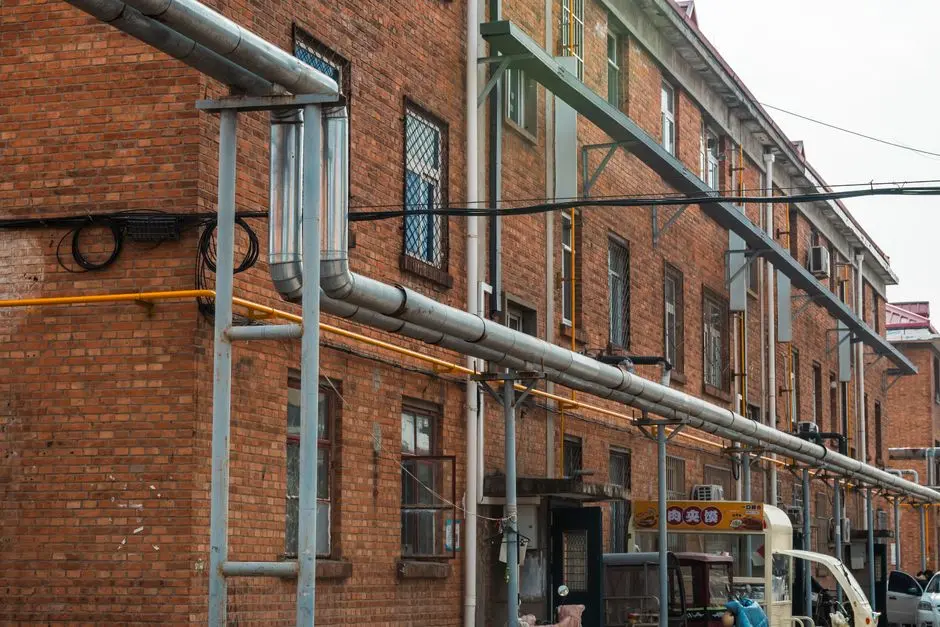
Cooling blowdown should follow one of three explicit paths: recover it for process or cooling reuse, treat it to a confirmed permitted discharge standard, or treat it to a defined sewer-acceptance specification. The destination determines the required analytes and treatment intensity.
| Decision path | Primary objective | Indicative treatment scope |
|---|---|---|
| Recover for reuse | Protect cooling and process equipment while reducing freshwater demand. | Source control, equalization, solids removal, chemistry adjustment, filtration and polishing, followed by disinfection and monitoring where the reuse specification requires them. |
| Permitted surface-water discharge | Meet applicable effluent and thermal conditions while limiting chemical and salt discharge. | Characterization, treatment appropriate to the confirmed permit, temperature management, monitoring and discharge controls. |
| Municipal sewer discharge | Meet the sewer operator’s acceptance specification without unnecessary equipment. | Equalization, pH control, solids or organic-load treatment and pretreatment only where required for sewer acceptance or local infrastructure protection. |
For cooling reuse, request analyses for hardness, alkalinity, calcium, silica, conductivity, suspended solids, organics, pH, temperature, residual disinfectant and each relevant cooling chemical. These parameters must also be matched to the receiving cooling system’s materials, heat-transfer surfaces and chemical program.
Open Engineering Inc.’s 2026 LCA found that the UF plus RO scenario used more than five times the energy of the freshwater case. It also found an indirect water penalty of approximately 0.93 L/m³ associated with higher upstream electricity and chemical inputs, representing less than 0.1% of the direct displacement benefit. These are study findings, not universal plant guarantees, but they show why membrane reuse requires an energy and carbon review alongside water-saving calculations.
Higher-intensity treatment may be justified by UF pretreatment for data-center reuse water and an industrial RO system for cooling-water reuse, but only where source characterization shows that the target water quality, recovery and equipment-protection requirements justify them. A discharge-only design may need less treatment; the receiving route, thermal effect and chemical controls must still be confirmed.
Match the Treatment Train to the Contaminants
A defensible treatment train follows the contaminants in sequence: characterize and equalize; remove solids where necessary; control pH and treatment chemicals; apply biological treatment where biodegradable loads require it; polish with membranes or other separation processes where the destination demands it; and disinfect where required.
| Technology | Primary function | Selection condition |
|---|---|---|
| MBR | Compact biological treatment with membrane separation. | Use where wastewater reuse and biological treatment justify the added process complexity; confirm actual flow and chemistry. |
| UF | Remove bacteria, colloids and suspended solids and protect downstream membranes. | Select when the reuse target or RO pretreatment requirement justifies it. |
| RO | Remove dissolved salts and other contaminants to achieve a defined reuse specification. | Use only after source characterization, energy assessment and recovery analysis. |
| Chemical dosing | Controlled pH adjustment, coagulation, flocculation or specialty chemical addition. | Set the chemical and dose through jar testing, compatibility review and operating control. |
| Chlorine dioxide | Microbial control in industrial cooling loops or process wastewater. | Require a safety, chemistry and residual-control review before inclusion. |
An integrated MBR wastewater treatment system is one option where biological loading and reuse requirements justify membrane bioreactor treatment. The referenced equipment catalog lists capacities from 10 to 2,000 m³/day and filtration below 1 μm; these figures are catalog limits, not a recommendation for a Pest facility. Measured flow, load, temperature, chemistry and required effluent quality must establish fit.
The referenced UF water treatment system uses 0.03 μm PVDF membranes, with a stated flow range of 2,000 to 40,000 L/h, automatic backwash and air scour. It is relevant where bacteria, colloids and suspended solids must be removed, particularly as pretreatment for RO, but its membrane compatibility and actual water matrix require confirmation.
For microbial control, an on-site chlorine dioxide generator is relevant to industrial cooling loops and process wastewater. The catalog lists eight configurations and capacities from 50 to 20,000 g/h; those values do not establish the required dose. The review must address generation, storage, operator exposure, materials compatibility, residual by-products and discharge or reuse implications.
A PLC-controlled chemical dosing system can implement pH adjustment, coagulation, flocculation or specialty dosing. Exact chemical selection and dosage must follow jar testing, chemical compatibility checks and control-strategy review. A generic dose recommendation would bypass the two decisions that matter: whether the chemical is required and how it interacts with the actual water.
Reduce Blowdown Before Treating What Remains
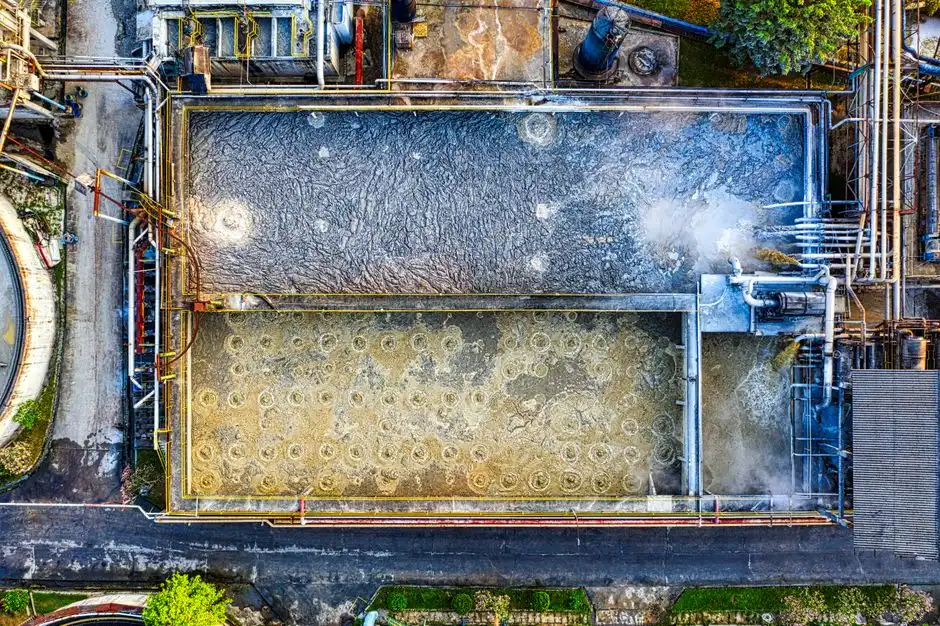
The lowest-impact treatment capacity is often the blowdown that never has to be generated. Control makeup water, eliminate leaks, optimize cooling chemicals and establish operating limits before selecting a larger recovery or membrane plant.
Open Engineering Inc.’s 2026 LCA found that improved cycles of concentration could reduce blowdown and chemical consumption in the reuse case, even though the UF plus RO scenario carried substantially higher energy demand. Cycles of concentration are therefore both a water-management variable and a treatment-load decision. The limit must come from the cooling system’s actual chemistry and heat-transfer performance, not from a generic target.
For each proposed operating change, require evidence that it will not increase scaling, corrosion, fouling, heat-transfer loss or biological growth. A industrial water softener system may address hardness where appropriate, but it does not remove every dissolved contaminant, control organics or resolve biological loading. Its role must follow source-water analysis and the selected reuse target.
Cooling architecture is also a source-control decision. The University of Georgia’s 2026 report states that closed-loop water cooling can reduce water consumption by up to 70% compared with open evaporative cooling. The report also identifies the tradeoff: closed-loop systems cost more and require greater complexity, and water-saving cooling can increase electricity demand.
Before finalizing reuse treatment, request the current cycles of concentration, conductivity, makeup volume, blowdown volume, chemical dose, energy use and operating temperature. Those records should be reconciled with evaporation and drift estimates. A supplier should then demonstrate how the proposed operating envelope and treatment train remain stable under the measured variability.
Build a Pest Procurement and Verification Plan
Procurement should proceed through a data request, concept review, risk-based pilot, performance guarantee and site acceptance sequence. This prevents a polished treatment proposal from hiding an unresolved source-water or compliance assumption.
| Stage | Buyer requirement | Evidence needed to pass the stage |
|---|---|---|
| 1. Data request | Define source waters, flow variability, chemistry, temperature, footprint, utilities, reuse objectives, discharge route and Hungarian permit or sewer conditions. | Gap register identifying missing analyses, approvals, operating records and design assumptions. |
| 2. Concept review | Require a source-to-destination treatment map, process mass balance, hydraulic profile and equipment comparison. | Bidder states design basis, treatment objectives, alternatives considered and unresolved risks. |
| 3. Pilot or bench test | Test chemistry-sensitive and reuse-critical assumptions. | Results tied to the confirmed permit, reuse specification and equipment-protection criteria. |
| 4. Commercial evaluation | Compare whole-life resource demand, not equipment purchase price alone. | Declared energy, chemical, sludge, spent-media, maintenance, redundancy and spare-parts requirements. |
| 5. Acceptance | Verify the guaranteed train under agreed test conditions. | Agreed flows, treated-water targets, monitoring records, control response and operator handover. |
Every bidder should state its design basis, guaranteed flow, treated-water targets, chemical consumption, sludge or spent-media generation, energy demand, redundancy, controls, maintenance, spare parts and acceptance methods. The hydraulic profile must address peak flow, equalization, downtime and residual-waste handling. The treatment map must trace every source to its destination rather than leaving unexplained bypasses or dilution points.
Use pilot or bench testing where source chemistry, membrane compatibility, reuse performance or chemical dosage remains uncertain. Acceptance criteria should reference the confirmed permit, sewer condition or reuse specification, together with equipment-protection limits. This approach follows the evidence-led sequence set out in a data-center wastewater treatment guide, while the legal and utility interfaces must be established for Pest.
Energy belongs in the commercial evaluation. Open Engineering Inc.’s 2026 LCA found that the reuse scenario had about twice the GWP of the freshwater case and that treatment energy accounted for roughly 80% of the difference. Ask bidders to state how their design responds to that finding and how the claim will be measured at acceptance.
Frequently Asked Questions
How much wastewater treatment capacity does a data center in Pest need?
Capacity cannot be selected from server count or cooling-system label alone. Prepare a measured water balance, source-water analyses, seasonal flow and temperature records, the cooling chemistry inventory and the intended reuse or discharge destination. Select equipment only after comparing the resulting peak and average loads with the destination specification and the supplier’s guaranteed operating envelope. A general wastewater flow or equipment number would not be technically defensible.
What should procurement check when selecting a wastewater-treatment supplier?
Require the bidder to expose the design basis rather than offer a catalog system. Check whether it guarantees flow, treated-water quality, energy use, chemical consumption, control response, maintenance support and acceptance testing; also request the hydraulic and mass-balance calculations, redundancy provisions and waste-handling method. A documented treatment guarantee and a site acceptance test are more useful than an unqualified performance statement.
What will the wastewater treatment system cost, and how long will delivery take?
The supplied research contains no Pest-specific equipment price, installation cost or delivery schedule, so a defensible quotation cannot be stated. Buyers should request itemized capital costs, utility and chemical forecasts, maintenance and replacement assumptions, civil works, commissioning durations, approval dependencies and delivery milestones. Each bidder should quote against the same design basis and scope so that differences reflect technical assumptions rather than unequal boundaries.
What compliance risks remain before the treatment concept is approved?
The treatment concept does not replace regulatory confirmation. Obtain written identification of the applicable Hungarian discharge, reuse and sewer-acceptance requirements, including temperature, chemical, salinity and monitoring conditions that apply to each destination. Where those conditions remain uncertain, keep the stream segregated, label the applicable compliance assumption in the mass balance, and make final sizing and acceptance conditional on confirmed requirements. A treatment train should never be judged compliant merely because it meets an equipment vendor’s generic output specification.