What Wastewater Infrastructure Bahrain Already Has
Domestic sewage treatment in Bahrain generally involves choosing between connection to the national sanitation network and a decentralized or packaged treatment system for sites that cannot be served efficiently by central infrastructure. Bahrain’s wastewater sector combines sewage treatment, treated-water transportation and a separate rainwater system, while current works target treatment efficiency, sludge handling, chemical injection and hydraulic and organic loading. Research at Bahrain’s Tubli sewage treatment plant found that tertiary effluent can support agriculture, groundwater recharge, and industrial or landscape needs. Buyers should therefore define flow, reuse objectives, site constraints and disposal requirements before selecting biological treatment, clarification, disinfection and sludge-handling equipment.
According to the Bahrain government’s Sewage page, last updated on 23 Aug 2026, the wastewater sector operates three main systems: sewage treatment, transportation of treated water and the rainwater system. The Ministry of Works also provides sanitation-related services, including complaints, building-permit applications and sanitary-network connection applications. A developer or consultant should confirm the current connection procedure, required approvals and the authority responsible for any extension works rather than assuming that network availability can be established from a general planning map.
The government page identifies current improvement areas: developing a tanker-borne sewage treatment and reception station, improving unit efficiency to control sludge float, increasing excess-sludge disposal and installing chemical-injection units. It also describes the Blue Water overload-treatment project and a sewage-treatment-plant and deep-pipeline project intended to relieve hydraulic and organic loads. These are evidence that loading, transport and residual-solids management remain relevant to Bahrain’s wastewater planning.
A two-year study of raw wastewater and secondary and tertiary effluent at the Tubli sewage treatment plant found potential reuse in agriculture, groundwater recharge, and industrial and landscape needs (Journal of Environmental Science and Health Part A, 1991). That finding establishes reuse potential, but it does not replace project-specific approval or a destination-specific effluent assessment. The domestic sewage treatment buyer’s guide provides a useful general structure for comparing these decisions.
| Infrastructure question | Evidence or stated position | Buyer action |
|---|---|---|
| What systems operate nationally? | Sewage treatment, treated-water transportation and a separate rainwater system, according to the Bahrain government Sewage page, updated 23 Aug 2026. | Confirm which system applies to the site and how the proposed effluent route interacts with it. |
| Who administers sanitation services? | The Ministry of Works provides complaints, building-permit and sanitary-network connection services, according to the government page. | Confirm the current application route, approval conditions and responsible operator. |
| What reuse has been identified? | Tertiary effluent from Tubli showed potential for agriculture, groundwater recharge, and industrial and landscape needs in a two-year study (Journal of Environmental Science and Health Part A, 1991). | Obtain the applicable requirement for the intended destination and assess the proposed effluent against it. |
Centralized Connection or a Private Treatment Plant
Central service should be selected only after the authority confirms that a sanctioned sewer can serve the site at the required flow and connection point. If that confirmation is unavailable, the buyer must assess connection distance, extension works, land availability, pumping, expected flow, reuse requirements, permit conditions and long-term operating responsibility before selecting a private treatment train. A network connection is an infrastructure service, not merely a lower-cost equipment purchase.
The decision sequence is conditional:
- Confirm whether a sanctioned sewer serves the site and obtain the authority’s connection requirements.
- Reconcile the connection basis with the project’s average and peak wastewater flows and any expansion load.
- Define the final effluent destination, reuse objective and receiving-water constraints.
- Assess site space, access, utilities, sludge route and operating responsibility.
- Compare whole-life consequences before committing to packaged equipment.
Decentralized treatment is appropriate where central service is unavailable, unsuitable or operationally impractical. It does not automatically have a lower lifecycle cost. The comparison must include civil works, pumping, electricity, chemicals, inspections, trained operators, sludge removal, equipment maintenance and eventual replacement or refurbishment. For a housing development, the packaged sewage treatment for housing developments illustrates the type of project constraints that should be tested, although its location is not a Bahrain project.
Bahrain’s Ministry of Works describes overload-treatment and deep-pipeline projects intended to relieve hydraulic and organic loads, according to its Sewage page, updated 23 Aug 2026. Those works support load management as an active national issue, but the supplied evidence establishes no universal flow threshold at which a buyer should choose central connection rather than decentralized or packaged treatment.
| Decision factor | Centralized network connection | Decentralized or packaged treatment |
|---|---|---|
| Service availability | Requires a confirmed sanctioned sewer, connection point and responsible authority. | Requires site-specific feasibility, land, utilities and permit confirmation. |
| Hydraulic basis | Confirm available capacity, extension requirements, peak-flow response and connection timing with the authority. | Design around verified average and peak project flows, including pumping and flow equalization. |
| Treatment responsibility | Authority operates the public system; the project remains responsible for the private connection and local works. | Ownership, staffing, monitoring, sludge removal and maintenance responsibility must be allocated contractually. |
| Cost basis | Request a site-specific connection and works quotation rather than assuming a lower project cost. | Compare equipment, civil works, operating resources and end-of-life obligations over the same period. |
| Decision evidence | Written confirmation from the relevant authority, supplemented by the domestic sewage treatment buyer’s guide. | Verified flows, wastewater characterization, reuse assessment, site survey and a traceable supplier proposal. |
Design the Treatment Process from the Effluent Purpose
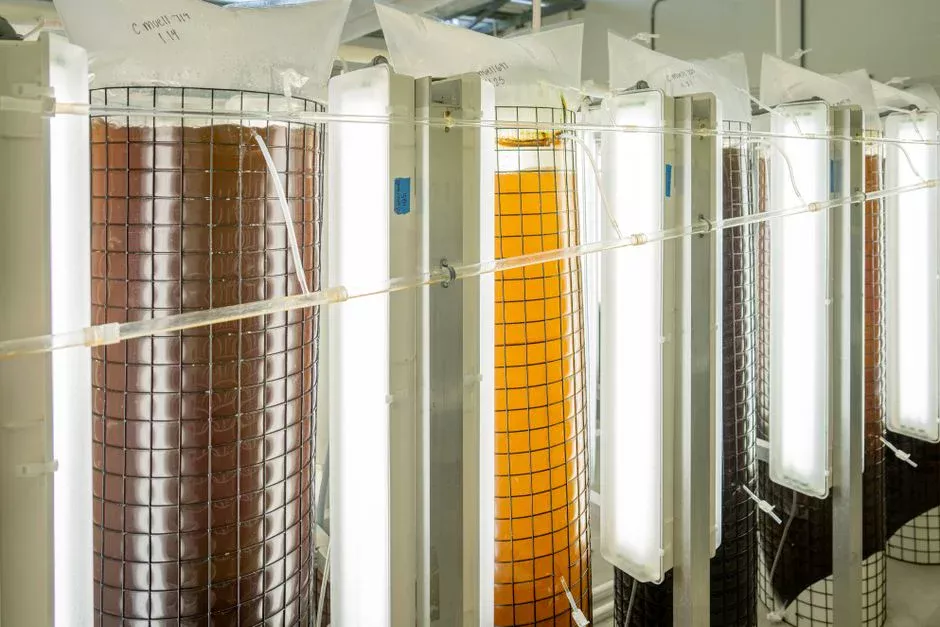
The treatment train should be selected from the wastewater characterization and final effluent purpose, not from a generic product catalogue. A preliminary sequence is screening and pumping, biological treatment, solids separation, disinfection and sludge handling. The exact units, redundancy, storage and control strategy depend on flow variation, incoming wastewater quality, land availability, reuse requirements and the disposal route for residuals.
For a WSZ route, the WSZ underground package sewage treatment plant combines anoxic/aerobic contact oxidation, sedimentation and disinfection in one buried package. Its stated capacity is 1–80 m³/h, according to the HydropureWater verified product catalog. That range is a manufacturer specification, not independent Bahrain field-performance evidence; suitability must be checked against the project’s actual peak and average flows.
The destination of the effluent determines the information needed for design. The Tubli study identified tertiary effluent potential for agriculture, groundwater recharge, and industrial and landscape needs (Journal of Environmental Science and Health Part A, 1991), but it did not establish a universal specification for every reuse route. The buyer should obtain the governing Bahrain requirement for the specific destination and assess reuse compatibility, public-health controls, hydraulic loading and seasonal demand.
Biological treatment also requires attention to the wastewater’s chemical composition. A Microbiology Spectrum study found that a consortium from raw domestic sewage transformed estriol through 16α-OH-E1 and the 4,5-seco pathway, while the tested inflow consortium did not degrade ethinylestradiol. After 10 days of incubation, Croceicoccus estronivorus dominated the inflow-consortium community. The implication is practical: biological removal depends on community composition, operating conditions and substrate, so generic claims about biological treatment need supporting evidence for the proposed duty.
| Process stage | Design question | Evidence required before selection |
|---|---|---|
| Preliminary treatment and pumping | How will wastewater enter the plant and how will peak flow be managed? | Verified flow profile, incoming wastewater characterization, site levels, pumping analysis and utility requirements. |
| Biological treatment | Which biological configuration suits the wastewater and loading? | Process calculation, operating assumptions, biological removal evidence, control philosophy and redundancy. |
| Solids separation | How will biomass and other solids be separated and removed? | Separation performance evidence, sludge-yield estimate, access, dewatering route and residual-disposal plan. |
| Disinfection | Which barrier is appropriate for the intended effluent destination? | Approved destination-specific requirement, dosing basis, monitoring method and chemical or UV system details. |
| Sludge handling | Where will separated solids go and who removes them? | Mass balance, storage provision, removal frequency, transport arrangement and responsibility. |
Compare Packaged and Membrane-Based Treatment Options
Compact below-grade package treatment and membrane bioreactors should be compared by process duty and operating consequences, not by product label. The WSZ format emphasizes integration and below-grade deployment; the integrated MBR format emphasizes membrane solids separation and a smaller installed footprint, with additional membrane-management and mechanical-maintenance implications.
The WSZ specification supplied by HydropureWater states a 1–80 m³/h capacity, integrated A/O contact oxidation, sedimentation, disinfection, buried installation, landscaping above the unit and optional trailer mounting. The integrated MBR membrane bioreactor specification states activated sludge with submerged PVDF membrane filtration, filtration below 1 micrometre, a footprint 60% smaller than conventional systems and a capacity range of 10–2,000 m³/day. These are manufacturer specifications and must not be presented as independent Bahrain performance-test results.
Use the package route for preliminary screening when compact, integrated and below-grade installation is the priority. Investigate MBR when very small footprint and membrane solids separation justify the added requirements for membrane cleaning, replacement, access and specialist support. Neither format answers the network-connection question; both remain site treatment solutions with their own civil, operating, sludge and compliance obligations.
Before technical approval, require each supplier to define hydraulic treatment capacity, peak-flow behavior, expected sludge production, disinfection method, control system, redundancy, maintenance access, spare parts and local support. For an MBR, also request membrane-flux assumptions, cleaning criteria, replacement provisions and membrane-fouling controls. For a packaged A/O system, request biological-loading calculations, settling and solids-removal provisions, and details of the MBR membrane bioreactor module only where a modular MBR alternative is being evaluated.
| Item | WSZ package specification | Integrated MBR specification | Buyer check |
|---|---|---|---|
| Process | Anoxic/aerobic contact oxidation, sedimentation and disinfection in one buried package. | Activated sludge and submerged PVDF membrane filtration. | Require process calculations and comparable operating data. |
| Capacity | 1–80 m³/h. | 10–2,000 m³/day. | Check actual average and peak flows and peak-flow behavior. |
| Footprint and installation | Buried installation with landscaping above; optional trailer mounting. | Manufacturer states 60% smaller footprint than conventional systems. | Confirm civil footprint, access, excavation and utilities on the actual site. |
| Solids management | Sedimentation is integrated; sludge quantity and route are not stated in the supplied specification. | Membrane filtration is specified; membrane cleaning and replacement require definition. | Request sludge mass balance, maintenance intervals and local support. |
Build the Project Cost and Procurement Checklist
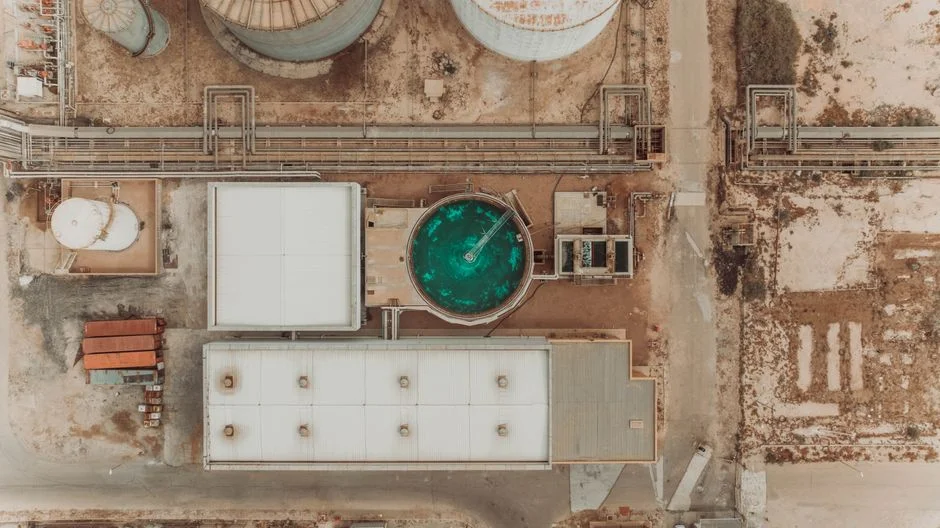
A comparable quotation must separate every material cost and responsibility, because an equipment price alone does not represent a deployable sewage treatment project. The supplied research contains no reliable Bahrain-specific capital-cost or operating-cost figures, so a buyer should obtain site-specific quotations rather than apply an invented price range.
Request a commercial breakdown covering the treatment unit, local civil works, installation, inlet and outlet connections, electrical supply, controls, commissioning, training, sludge removal, routine maintenance and optional works. The estimate should identify exclusions, taxes, freight, access, temporary utilities and assumptions that could change the price. Bahrain’s Ministry of Works identifies chemical-injection and excess-sludge-disposal work as current sector priorities, according to its Sewage page, updated 23 Aug 2026; both treatment chemicals and residual solids therefore belong in the procurement scope rather than being treated as minor service items.
The supplier should state the design-flow basis, operating assumptions, guarantees, test protocol, warranty boundary, consumables and response time for critical spare parts. Require evidence from delivered projects operating under comparable wastewater and reuse conditions. A general statement that a proposed system is “compliant” is not enough: identify the governing Bahrain requirement, applicable test scope, sampling method and responsible party for acceptance.
Lifecycle review should cover operator hours, aeration, membrane cleaning or replacement where applicable, pumping, chemicals, sludge handling, inspection and eventual equipment refurbishment. Ask for a chemical dosing system proposal where the treatment process requires controlled chemical addition, and require the sludge route to be priced and allocated rather than left undefined. A plate-and-frame filter press may be relevant to a solids-management workstream, but it should be selected from the required solids characteristics and disposal route rather than added automatically.
| Procurement package | Items to price and define | Acceptance evidence |
|---|---|---|
| Equipment and process | Treatment train, capacity basis, controls, redundancy, disinfection and required accessories. | Process calculations, technical data, test protocol and enforceable guarantees. |
| Site works | Civil works, excavation, access, connections, power, drainage, utilities and commissioning. | Site-specific scope, exclusions, programme and responsible contractor. |
| Operations | Power, chemicals, operator labour, inspections, maintenance, sludge removal and consumables. | Lifecycle estimate with assumptions and sensitivity to wastewater flow and quality. |
| Warranty and support | Coverage, exclusions, critical spares, response time, local technicians and remote support. | Contractual service levels, spares list and traceable project references. |
| Compliance and handover | Applicable Bahrain requirement, testing, training, documentation, permits and final disposal point. | Named approving authority, accepted test method and documented handover. |
Frequently Asked Questions
How much does a domestic sewage treatment plant cost in Bahrain?
The supplied evidence provides no reliable Bahrain-specific price range. Request a site-specific quotation that separately identifies the treatment unit, civil works, utilities, installation, sludge handling, commissioning, training, chemicals, power, maintenance and eventual refurbishment. Compare quotations using the same flow basis, wastewater assumptions, effluent requirement and ownership boundary.
Should a Bahrain project use a packaged sewage treatment plant or connect to the central network?
Use the central network when the authority confirms that a sanctioned sewer can serve the site and that the connection route, timing, capacity and operating responsibilities are acceptable. Consider decentralized or packaged treatment when central service is unavailable or unsuitable. The decision should follow confirmed flow, land availability, reuse needs, permit conditions and lifecycle responsibilities—not an assumed equipment-cost advantage.
What capacity does a packaged sewage treatment plant need?
Size the plant from verified project average and peak flows, incoming wastewater characteristics and the selected process. The HydropureWater WSZ manufacturer specification covers 1–80 m³/h, but that range is not a Bahrain field-performance result. Obtain hydraulic calculations, peak-flow behavior, storage provisions and confirmation that the proposed unit remains within its certified operating basis.
How do I vet a sewage treatment supplier in Bahrain?
Require traceable references for comparable wastewater and reuse conditions, then review the supplier’s design assumptions, guarantees, test methods, warranty scope, controls, redundancy, critical spares and local service capability. Ask the relevant authority which requirement and approval route apply. Documentation should demonstrate the proposed duty; a general “compliant” statement is not sufficient evidence.
Can treated sewage from Bahrain be reused?
The Tubli study identified potential uses including agriculture, groundwater recharge, and industrial and landscape needs (Journal of Environmental Science and Health Part A, 1991). Reuse still requires the applicable destination-specific standard, authority approval and assessment of the proposed treatment process. The WSZ underground package sewage treatment plant may form part of a project solution, but its manufacturer specifications do not establish suitability for every reuse route.